Dynamic stretching is an essential part of any fitness routine, yet it often gets overlooked. Unlike static stretching, which involves holding a position for an extended period, dynamic stretching is all about movement. This guide will explore the benefits of this type of stretching, who should incorporate it into their routine, exercises for you to do straight away and how to do them effectively.
Introduction to Dynamic Stretching
Dynamic stretching is a technique that involves moving parts of your body and gradually increasing reach, speed of movement, or both. It’s a practical way to prepare your body for physical activity, as it warms up the muscles by mirroring the actions you’ll perform during your workout or daily life.


Unlike static stretching, where you hold a stretch for a set period, dynamic stretching keeps you moving, which increases your heart rate and blood flow to the muscles. This type of stretching is beneficial for everyone, regardless of age or fitness level.
Benefits
Improves Flexibility and Range of Motion
Dynamic stretching helps to improve flexibility and range of motion by engaging the muscles and joints in a controlled, repetitive manner. This prepares your body for the physical activity ahead and can help enhance overall mobility.
Prevents Injuries
One of the most significant benefits of dynamic stretching is its role in injury prevention. By gradually increasing the intensity and range of motion of your movements, dynamic stretching helps to warm up the muscles and joints, making them less prone to strains and sprains.

Enhances Performance
Dynamic stretching can enhance performance by activating the muscles you will use during your workout. This activation improves muscle responsiveness and efficiency, allowing you to perform exercises with greater strength, speed, and coordination.
Boosts Circulation and Heart Health
Dynamic stretching increases your heart rate and promotes blood flow throughout the body. This boost in circulation helps to deliver oxygen and nutrients to your muscles, which is essential for both performance and recovery.
Who Should Do Dynamic Stretching?
Beginners
For beginners, dynamic stretching is an excellent way to prepare the body for exercise. It helps to loosen up stiff muscles, making workouts more effective and reducing the risk of injury. Dynamic stretching also helps to build confidence, as it provides a gentle introduction to physical activity.
Athletes
Athletes of all levels can benefit from this type of stretching. It activates the muscles specific to their sport, enhancing performance and reducing the risk of injury. Dynamic stretching is particularly beneficial for sports that require agility, control, and explosiveness, such as football, basketball, and tennis.
Elderly Individuals
For elderly individuals, dynamic stretches are essential for maintaining mobility and preventing injuries. As we age, our muscles and joints become stiffer, and dynamic stretching helps to counteract this by keeping the body flexible and agile. It also helps to improve balance and coordination, reducing the risk of falls.
Everyone in Between
Dynamic stretching is beneficial for everyone, regardless of age or fitness level. Whether you’re a working professional, a parent, or someone who simply wants to stay active, incorporating dynamic stretches into your routine can improve your overall health and well-being.
How to Incorporate Dynamic Stretching Into Your Routine
Morning Routine
Starting your day with dynamic stretches can help to wake up your body, boost circulation, and set a positive tone for the day ahead. A quick 5 to 10-minute session focusing on gentle, flowing movements can do wonders for your flexibility and energy levels.
Office Breaks
For those who spend long hours at a desk, taking short dynamic stretching breaks can help to alleviate muscle tension, improve focus, and reduce stress. Set a timer to remind yourself to take breaks and do stretches that target your neck, shoulders, and lower back.
Pre-Workout Warm-Up
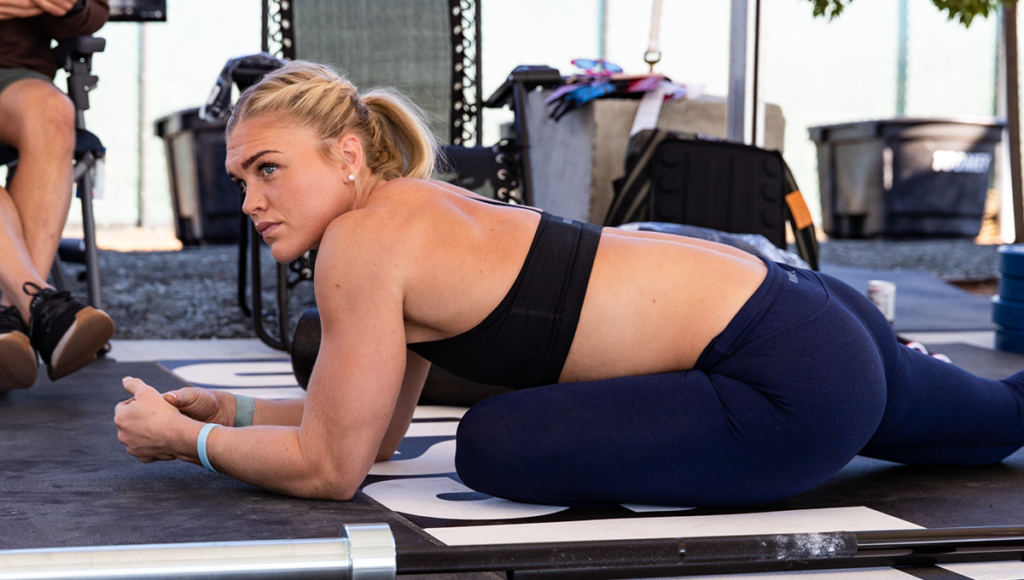
Dynamic stretching is perfect for warming up before a workout. It helps to get your heart pumping and muscles ready for exercise, reducing the risk of injury and enhancing performance. Incorporate movements that mimic the exercises you’ll be doing, such as leg swings, arm circles, and gentle lunges.
Evening Relaxation
Dynamic stretching can also be used as part of an evening relaxation routine. Gentle, flowing movements help to release tension and prepare your body for a restful night’s sleep. Focus on slow, controlled stretches that ease your body into relaxation mode.
Read Also: 7 Best Dynamic Hip Stretches
Dynamic Stretching Exercises
World’s Greatest Stretch
The World’s Greatest Stretch is a comprehensive movement that targets multiple muscle groups. Start in a plank position, bring one leg forward, and rotate your upper body towards the raised leg. Hold for a few seconds, then switch sides.
Hamstring Scoops
Hamstring scoops target the back of the legs. Place one heel out in front, bend at the waist, and scoop your hands towards your toes. Repeat on the other side, alternating legs.
Knee Hugs
Knee hugs help to open up the hips and lower back. Stand on one leg, bring the opposite knee towards your chest, and hug it with both hands. Hold for a few seconds, then switch sides.
Leg Swings
Leg swings are excellent for warming up the hips and legs. Stand on one leg, swing the opposite leg forward and backward in a controlled manner. Repeat on the other side.
Arm Circles
Arm circles help to warm up the shoulders and upper body. Extend your arms to the sides and make small circles, gradually increasing the size of the circles. Reverse the direction after a set period.
Read Alos: 5 Dynamic Stretching Exercises for Fitness and Strength Athletes
Maximising the Benefits
Setting Clear Goals
Setting clear, achievable goals is essential for maximising the benefits of dynamic stretching. Determine what you want to achieve, whether it’s improved flexibility, injury prevention, or preparation for a specific sport. Having a clear focus will help to guide your routine and keep you motivated.
Tracking Progress
Tracking your progress is crucial for staying motivated and making adjustments to your routine. Consider taking before and after photos or videos to visually capture your improvements. Logging your routines in a fitness app can also help to keep you on track and make necessary adjustments.
Utilising Technology and Community
Joining online fitness forums or communities can provide support, tips, and motivation. Sharing your experiences and learning from others can make your dynamic stretching journey more enjoyable and effective. Don’t hesitate to seek personalised guidance from fitness professionals or physical therapists if needed.
Conclusion
Dynamic stretching is a powerful tool for improving flexibility, preventing injuries, and enhancing performance. It’s suitable for everyone, regardless of age or fitness level, and can be easily incorporated into your daily routine. By setting clear goals, tracking your progress, and staying connected with a supportive community, you can maximise the benefits of dynamic stretching and transform your overall health and well-being.
So, whether you’re a beginner, an athlete, or someone looking to stay active, make dynamic stretching a part of your routine. Your body will thank you for it. Let’s stretch our way to a healthier, more empowered life together!