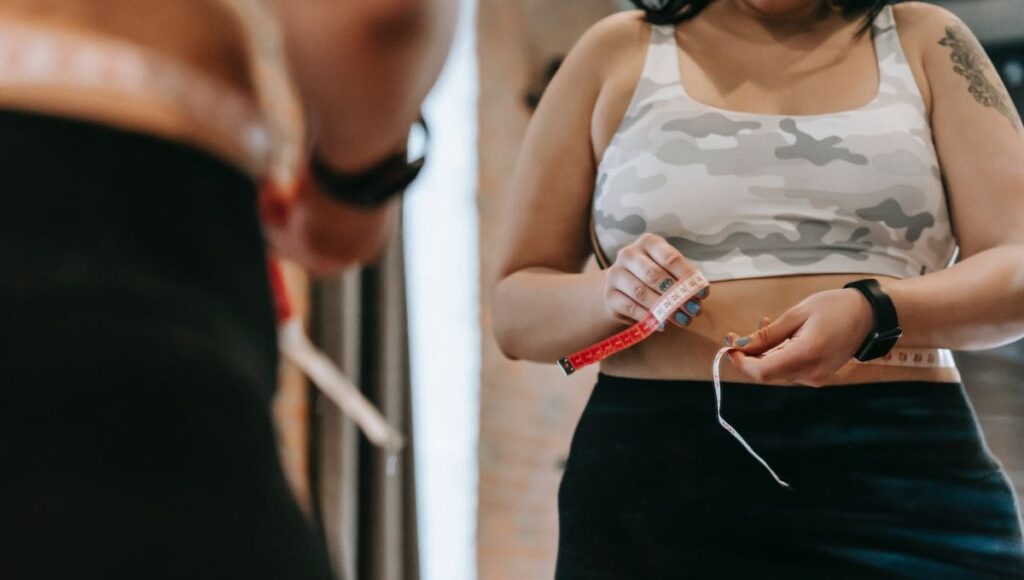
Losing belly fat can be a daunting task, but incorporating simple changes into your daily routine can make a significant difference. Unlike rigorous workout regimens or strict diets, these methods leverage Non-Exercise Activity Thermogenesis (NEAT) to help you shed those extra pounds. NEAT is the energy expended for everything we do that isn’t sleeping, eating, or sports-like exercise. It includes activities such as walking, doing household chores, and even fidgeting. By enhancing NEAT, you can increase your daily calorie burn effortlessly. Here are seven effective ways to lose belly fat through everyday life.
The information for this article is largely based on the expertise of Thomas DeLauer. Thomas DeLauer is a celebrity trainer and health author. His YouTube Channel has more than 3.7 million subscribers and he has been on the cover of numerous international magazines.


Table of Contents
7 Ways to Lose Belly Fat Through Everyday Life
Understanding how our bodies burn calories can be the key to effective weight loss. NEAT, or Non-Exercise Activity Thermogenesis, is the energy we use for daily activities not related to formal exercise. This might include walking around the house, cleaning, or even just standing up. NEAT can significantly impact your total calorie expenditure and help in losing belly fat without requiring additional time for exercise. This approach is especially beneficial for those with busy schedules. The following seven strategies are designed to maximise NEAT, making your daily routines more efficient in burning calories.
1. Build Muscle Mass
One of the most effective ways to increase your resting metabolic rate is by building muscle mass. Muscle tissue burns more calories at rest compared to fat tissue. By adding just a few pounds of muscle, you can significantly increase the number of calories your body burns throughout the day, even when you’re not active.
How to Incorporate Muscle-Building into Your Routine:
- Use resistance bands or light weights while performing daily chores.
- Engage in body-weight exercises such as squats, lunges, and push-ups during TV commercials.
- Take the stairs instead of the elevator, and consider doing calf raises or stair sprints.
Supporting Study: A study published in the journal Obesity found that resistance training helped maintain fat-free mass and increased resting energy expenditure compared to aerobic training or no exercise at all.
2. Increase Your Energy Flux (G-Flux)

Energy flux, or G-flux, refers to the total amount of calories moving through your body. By eating more and moving more, you can enhance your NEAT. A high energy flux helps your body use and store calories more efficiently, reducing the likelihood of excess calories being stored as fat.
Practical Tips to Boost Energy Flux:
- Slightly increase your calorie intake with nutrient-dense foods while consciously moving more.
- Take frequent short walks throughout the day.
- Incorporate more physical activity into your routine, such as gardening, playing with pets, or dancing while cooking.
Supporting Explanation: Increasing both food intake and physical activity elevates the number of calories burned. This method leverages the body’s natural inclination to balance energy intake and expenditure, promoting a more efficient metabolism.
3. Choose the Right Macronutrients
The types of macronutrients you consume can influence your resting energy expenditure. Studies have shown that a diet higher in fats and lower in carbohydrates may increase your resting metabolic rate more than a high-carbohydrate diet.
Dietary Adjustments:
- Incorporate healthy fats such as avocados, nuts, seeds, and olive oil.
- Limit refined carbohydrates and opt for whole grains, vegetables, and fruits.
- Ensure a balanced intake of protein, as it supports muscle maintenance and repair.
Supporting Study: Research from the International Society of Sports Nutrition indicates that consuming more than 35% of calories from fats can increase resting energy expenditure, potentially aiding in weight loss.
4. Focus on Gut Health
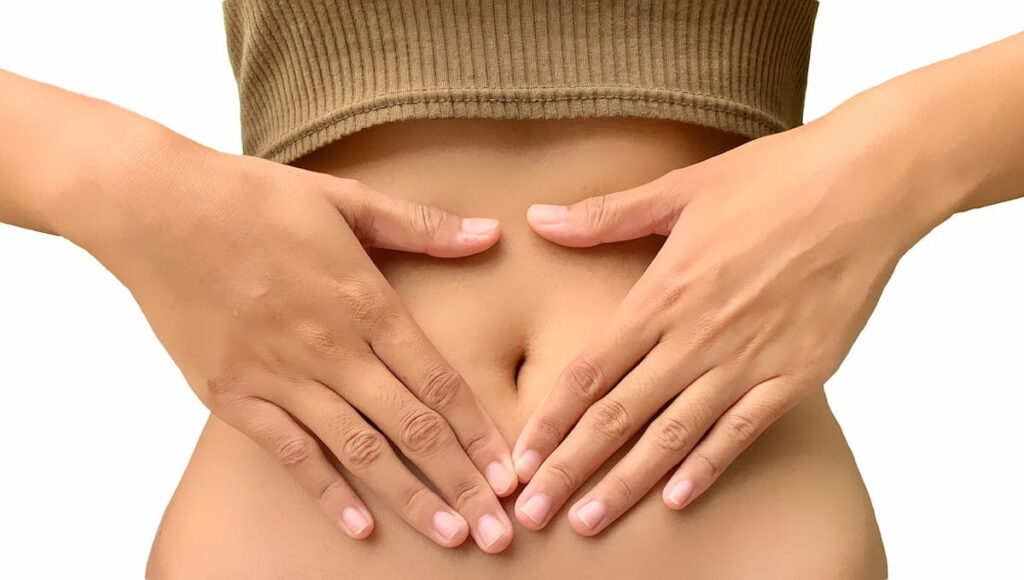
A healthy gut microbiome can enhance your body’s ability to burn fat and improve overall metabolism. Good gut health supports efficient digestion and energy use, which can indirectly aid in reducing belly fat.
Ways to Improve Gut Health:
- Include fermented foods like yoghurt, kimchi, sauerkraut, and kefir in your diet.
- Consume a variety of fibres from fruits, vegetables, legumes, and whole grains.
- Consider taking a high-quality probiotic supplement to support gut bacteria balance.
Product Recommendation: A well-regarded probiotic like Seed’s Daily Synbiotic can provide a blend of prebiotics and probiotics, promoting a healthy gut microbiome.
5. Break Up Sedentary Behaviour

Breaking up long periods of sitting with short bursts of activity can significantly boost your daily calorie burn. Even minimal movement, like standing or walking for a minute, can make a difference.
Activity Ideas:
- Stand up and stretch every hour during work.
- Walk around while talking on the phone.
- Use a standing desk or take walking meetings.
Supporting Study: The International Journal of Behavioral Nutrition and Physical Activity found that even one minute of standing or moving every half hour can increase daily calorie expenditure and improve metabolic health.
6. Ensure Adequate Sleep

Quality sleep is crucial for maintaining a healthy metabolism and promoting fat loss. Sleep deprivation can lead to metabolic disruptions and increased fat storage, particularly around the belly.
Sleep Improvement Tips:
- Aim for 7-9 hours of sleep per night.
- Maintain a consistent sleep schedule, even on weekends.
- Create a relaxing bedtime routine, free from electronic devices and stimulating activities.
Supporting Study: A study in Scientific Reports demonstrated that moderate sleep deprivation reduces resting metabolic rate and fat oxidation, making it harder to lose weight.
7. Drink Coffee
Caffeine can boost your metabolic rate and increase NEAT. It stimulates the central nervous system, making you more alert and likely to move more throughout the day.
Caffeine Consumption Tips:
- Enjoy a cup of coffee in the morning or before a period of activity.
- Opt for green tea if you prefer a milder caffeine source with additional antioxidants.
- Avoid caffeine intake too close to bedtime to ensure it doesn’t interfere with sleep.
Supporting Study: Research has shown that caffeine increases energy expenditure by promoting thermogenesis and enhancing NEAT through activities like fidgeting.
Summary
Incorporating these strategies into your daily routine can enhance your NEAT and contribute to losing belly fat more effectively. By building muscle, increasing energy flux, choosing the right macronutrients, focusing on gut health, breaking up sedentary behaviour, ensuring adequate sleep, and drinking coffee, you can create a more active and efficient metabolism. These methods don’t require significant changes to your lifestyle but can lead to substantial long-term benefits.
Key Takeaways
| Strategy | Key Action | Expected Benefit |
|---|---|---|
| Build Muscle Mass | Incorporate resistance training into daily tasks | Increase resting metabolic rate |
| Increase Energy Flux | Eat more, move more | Enhance overall energy expenditure |
| Choose the Right Macronutrients | Opt for healthy fats, limit refined carbs | Improve resting metabolic rate |
| Focus on Gut Health | Consume fermented foods, take probiotics | Support efficient digestion and metabolism |
| Break Up Sedentary Behaviour | Stand, walk, or stretch every hour | Boost daily calorie burn |
| Ensure Adequate Sleep | Aim for 7-9 hours, maintain sleep schedule | Maintain healthy metabolism and fat oxidation |
| Drink Coffee | Consume caffeine in moderation | Increase metabolic rate and NEAT |
By integrating these tips into your everyday life, you can make passive fat burning more effective, leading to a healthier and leaner body.