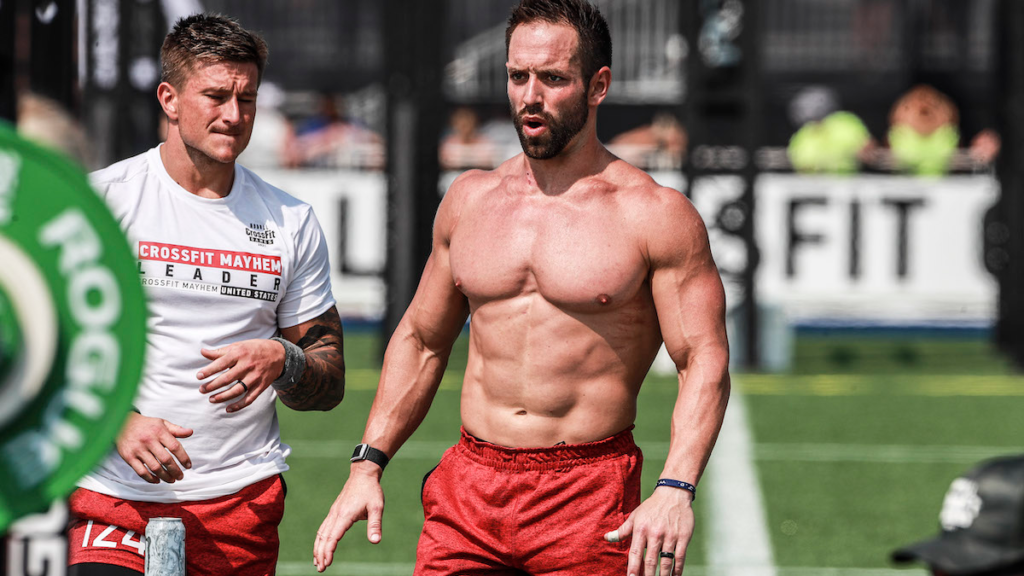
Combining Olympic weightlifting and bodybuilding can be an effective strategy for athletes seeking to maximise both strength and aesthetics. Olympic weightlifting focuses on explosive power and technical lifts, while bodybuilding emphasizes muscle hypertrophy and definition. This article will explore how to integrate these two disciplines to enhance overall performance, with a focus on programming, nutrition, and recovery.
Table of Contents
The Fundamentals of Olympic Weightlifting
The Core Lifts
Olympic weightlifting revolves around two primary lifts: the snatch and the clean and jerk. These lifts require explosive power, coordination, and precision.


The Snatch
The snatch involves lifting the barbell from the ground to overhead in one fluid motion. This lift demands significant lower body power and upper body stability.
The Clean and Jerk
The clean and jerk is a two-part lift. First, the athlete lifts the barbell from the ground to the shoulders (clean), then from the shoulders to overhead (jerk). This lift combines strength and technique.
Benefits of Olympic Weightlifting
Olympic lifts are excellent for developing power, speed, and neuromuscular coordination. Studies have shown that these lifts can improve vertical jump, sprint performance, and overall athleticism.
The Fundamentals of Bodybuilding
Hypertrophy Training
Bodybuilding focuses on muscle hypertrophy, which involves increasing muscle size through resistance training. This typically requires higher volume and moderate to heavy weights.
Training Split
Bodybuilders often use split routines, targeting specific muscle groups on different days. Common splits include push-pull-legs and upper-lower body routines.
Benefits of Bodybuilding
Bodybuilding enhances muscle definition, symmetry, and overall muscular endurance. It also aids in metabolic health and can improve self-esteem and body image.
How to Get Kids to Start Weightlifting While Playing Sports
Integrating Olympic Weightlifting and Bodybuilding

Programming Principles
Combining these two training styles requires careful planning to avoid overtraining and ensure balanced development.
Periodisation
Periodisation involves dividing the training programme into distinct phases, each with specific goals. For example, a macrocycle might include a focus on strength and power (weightlifting) followed by a phase emphasising hypertrophy (bodybuilding).
Concurrent Training
Concurrent training involves blending both weightlifting and bodybuilding within the same training cycle. This can be done through integrated weekly routines.
Snatch Balance 101: Technique Tips, Benefits and More
Sample Training Week
Here is an example of a training week that combines Olympic weightlifting and bodybuilding:
Monday: Olympic Weightlifting
- Snatch: 5 sets of 3 reps
- Clean and Jerk: 5 sets of 3 reps
- Front Squats: 4 sets of 5 reps
Tuesday: Bodybuilding (Upper Body)
- Bench Press: 4 sets of 8-12 reps
- Bent Over Rows: 4 sets of 8-12 reps
- Shoulder Press: 4 sets of 8-12 reps
- Bicep Curls: 3 sets of 12-15 reps
- Tricep Extensions: 3 sets of 12-15 reps

Wednesday: Rest or Active Recovery
Thursday: Olympic Weightlifting
- Power Snatch: 4 sets of 3 reps
- Power Clean: 4 sets of 3 reps
- Overhead Squats: 4 sets of 5 reps
Friday: Bodybuilding (Lower Body)
- Squats: 4 sets of 8-12 reps
- Deadlifts: 4 sets of 8-12 reps
- Leg Press: 3 sets of 12-15 reps
- Calf Raises: 3 sets of 15-20 reps
Saturday: Conditioning and Accessory Work
- HIIT: 20 minutes
- Core Work: Planks, Russian Twists, Leg Raises (3 sets each)
Sunday: Rest or Active Recovery
Adjusting Volume and Intensity
Balancing volume and intensity is crucial to avoid burnout. Beginners may start with lower volume and gradually increase as they adapt.
Related: Real Strategies to Create an Adaptable Training Program
Nutrition for Combined Training
Proper nutrition is essential for supporting intense training regimes.
Protein
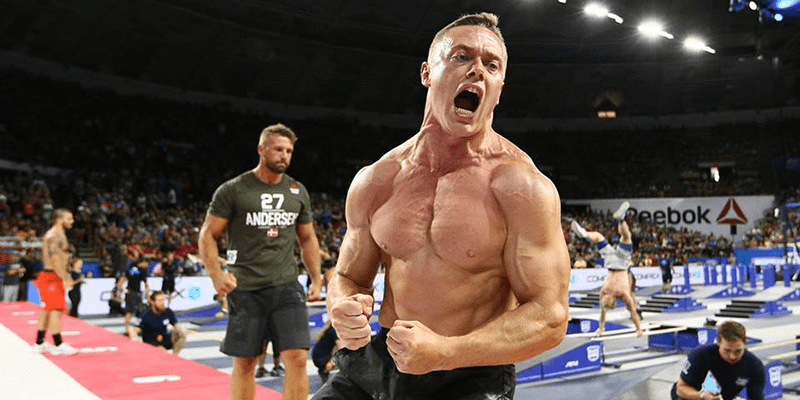
Protein is vital for muscle repair and growth. Aim for 1.6 to 2.2 grams of protein per kilogram of body weight per day (Phillips, 2014).
Carbohydrates
Carbohydrates fuel high-intensity workouts. Consuming 4-7 grams of carbohydrates per kilogram of body weight daily can help maintain energy levels and support recovery (Burke et al., 2011).
Fats
Healthy fats are crucial for hormone production and overall health. Include sources like avocados, nuts, seeds, and oily fish.
Related: 10 Diet Mistakes That Are Ruining Your Muscle Gains
Timing and Supplementation
Proper nutrient timing can enhance performance and recovery.
Pre-Workout Nutrition
Consume a meal rich in carbohydrates and moderate in protein 2-3 hours before training. A snack, such as a banana with a protein shake, 30-60 minutes before workout can provide a quick energy boost.
Post-Workout Nutrition
After training, aim to consume a combination of protein and carbohydrates to replenish glycogen stores and kickstart muscle repair. A protein shake with a piece of fruit can be effective.
You don’t necessarily need to ingest carbs and protein right after your workout, as long as you have enough throughout the day according to your macros.
Supplements
Key supplements for combined training include whey protein, creatine, and branched-chain amino acids (BCAAs). These can support muscle recovery and performance.

Recovery Strategies
Sleep
Adequate sleep is critical for recovery. Aim for 7-9 hours per night to ensure optimal muscle repair and growth.
Active Recovery
Incorporating low-intensity activities, such as walking, swimming, or yoga, can aid in recovery by promoting blood flow and reducing muscle stiffness.
Stretching and Mobility
Regular stretching and mobility work can prevent injuries and improve overall performance. Focus on dynamic stretches before workouts and static stretches afterwards.
Hydration
Proper hydration is essential for muscle function and recovery. Aim to drink at least 3 litres of water daily, adjusting for activity level and climate.
3 Expert Tips to Improve your Mental Game for Olympic Weightlifting
Common Challenges and Solutions
Overtraining
Combining these disciplines can increase the risk of overtraining. Signs of overtraining include persistent fatigue, decreased performance, and increased injury risk.
Solutions
- Ensure adequate rest days and recovery periods.
- Monitor training volume and intensity.
- Listen to your body and adjust training as needed.
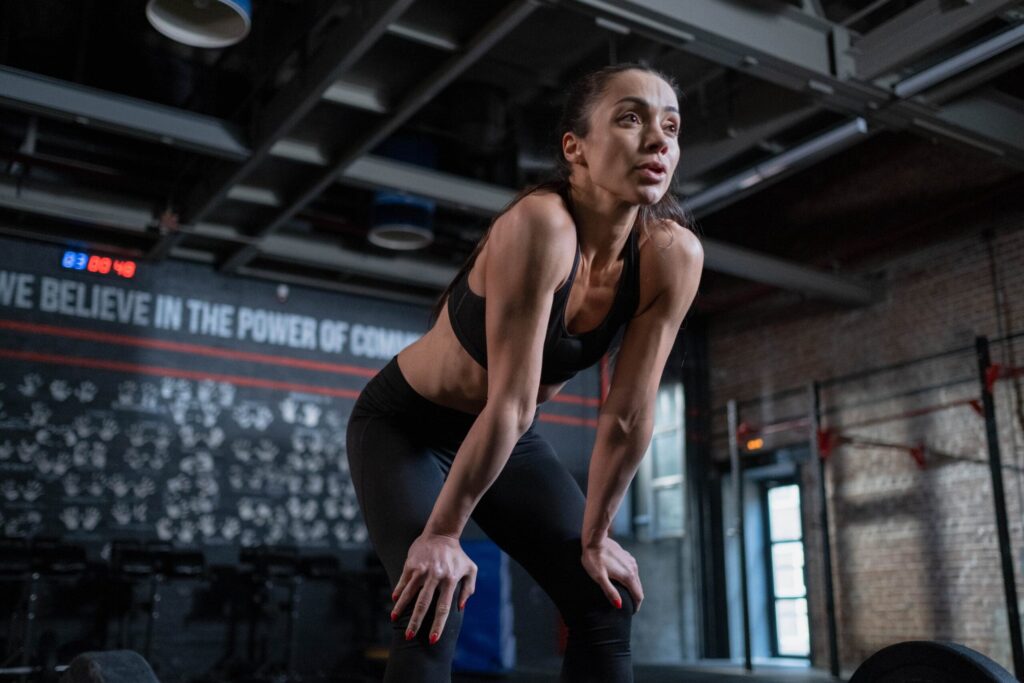
Balancing Training Goals
Finding the right balance between strength and hypertrophy can be challenging.
Solutions
- Periodise your training to focus on different goals at different times.
- Use a variety of training modalities to prevent plateaus and keep training engaging.
The 10 Commandments of Fitness You Must Obey
Case Studies and Success Stories
Professional Athletes
Many professional athletes incorporate elements of both Olympic weightlifting and bodybuilding into their training. For example, football players often use Olympic lifts to develop explosive power and bodybuilding techniques to build muscle mass and prevent injuries.
Hybrid Training – Tested and Approved
Conclusion
Combining Olympic weightlifting and bodybuilding can lead to peak performance by enhancing both strength and aesthetics. By understanding the fundamentals of each discipline, implementing structured programming, focusing on nutrition and recovery, and addressing common challenges, athletes can achieve a balanced and effective training regimen. Whether you are an amateur athlete or a seasoned professional, integrating these two training styles can help you reach your full potential.
Bibliography
Key Takeaways
| Topic | Key Points |
|---|---|
| Core Lifts | Olympic weightlifting focuses on the snatch and clean and jerk, which develop explosive power and coordination. |
| Benefits | Weightlifting improves athleticism, while bodybuilding enhances muscle definition and endurance. |
| Programming | Use periodisation and concurrent training to balance volume and intensity. A sample week includes specific days for weightlifting, bodybuilding, and rest. |
| Nutrition | Ensure a balanced intake of protein, carbohydrates, and fats. Timing nutrients around workouts enhances performance and recovery. Supplements like whey protein and creatine can be beneficial. |
| Recovery | Prioritise sleep, active recovery, stretching, and hydration. Monitor for signs of overtraining and adjust accordingly. |
| Challenges | Avoid overtraining by managing volume and intensity. Balance training goals by periodising and using diverse training methods. |
| Success Stories | Athletes like John and professionals in various sports successfully combine both training styles to improve performance. |