Building stronger and more muscular arms is a common goal for many men, especially those over 35 who may notice changes in their muscle mass and strength due to age. This guide aims to provide comprehensive, science-backed advice on how to achieve this goal effectively and safely.
Understanding Age-Related Muscle Changes
As men age, they experience a natural decline in muscle mass and strength, a condition known as sarcopenia. Research shows that muscle mass decreases approximately 3-8% per decade after the age of 30, and this rate accelerates after the age of 60 (Janssen et al., 2000).


Importance of Resistance Training

Benefits of Resistance Training
Resistance training is crucial for combating sarcopenia and maintaining muscle mass. Studies have demonstrated that it can significantly increase muscle strength and size in older adults (Peterson et al., 2010). Resistance training stimulates muscle hypertrophy by causing micro-tears in the muscle fibres, which then repair and grow back stronger.
Choosing the Right Exercises
Focusing on compound movements that engage multiple muscle groups is essential. Exercises such as bicep curls, tricep dips, and push-ups are effective for arm development. Including variations and progressively overloading the muscles are key strategies for continuous growth.
Optimal Training Frequency and Volume
Frequency
Training frequency is a critical factor. Research indicates that training each muscle group twice a week is more effective for muscle hypertrophy compared to once a week (Schoenfeld et al., 2016).
Volume
Volume, defined as the total number of sets and repetitions performed, should be sufficient to induce muscle growth. A meta-analysis by Schoenfeld et al. (2017) suggests that higher training volumes are associated with greater muscle hypertrophy, recommending 10+ sets per muscle group per week.
Nutrition for Muscle Growth

Protein Intake
Adequate protein intake is vital for muscle repair and growth. The recommended dietary allowance (RDA) for protein is 0.8 grams per kilogram of body weight, but for those engaging in regular resistance training, higher intake is advised. Studies recommend 1.6-2.2 grams of protein per kilogram of body weight for optimal muscle growth (Morton et al., 2018).
Macronutrient Balance
While protein is crucial, balancing other macronutrients—carbohydrates and fats—is also important. Carbohydrates provide the necessary energy for intense workouts, and healthy fats support overall health and hormone production.
Importance of Recovery
Rest Days
Rest and recovery are as important as the workouts themselves. Muscles need time to repair and grow. Overtraining can lead to injuries and impede progress. Ensuring 48 hours of rest for each muscle group between workouts is recommended (Haff & Triplett, 2015).
Sleep
Quality sleep is essential for recovery and muscle growth. Growth hormone, which plays a significant role in muscle repair, is primarily secreted during deep sleep (Van Cauter et al., 2000). Aim for 7-9 hours of sleep per night.
Supplementation
Protein Supplements
Protein supplements, such as whey or casein, can help meet protein requirements, especially for those who struggle to consume enough through diet alone. Research supports the efficacy of protein supplementation in increasing muscle mass and strength when combined with resistance training (Phillips et al., 2016).
Creatine
Creatine is one of the most researched and effective supplements for enhancing muscle mass and strength. It works by increasing the availability of ATP, the energy currency of the cell, during high-intensity exercise. Studies show that creatine supplementation can significantly increase muscle strength and mass (Kreider et al., 2017).

Structuring an Effective Workout Plan
Warm-Up
A proper warm-up prepares the muscles and joints for the workout, reducing the risk of injury. A dynamic warm-up that includes movements like arm circles, shoulder rotations, and light cardio is recommended.
Example Workout Plan
Day 1: Biceps and Forearms
- Warm-up: 10 minutes of light cardio
- Barbell curls: 4 sets of 8-12 reps
- Hammer curls: 4 sets of 10-12 reps
- Concentration curls: 3 sets of 12-15 reps
- Wrist curls: 3 sets of 15-20 reps
Day 2: Triceps and Shoulders
- Warm-up: 10 minutes of light cardio
- Tricep dips: 4 sets of 10-12 reps
- Overhead tricep extensions: 4 sets of 8-12 reps
- Tricep pushdowns: 3 sets of 12-15 reps
- Shoulder press: 4 sets of 8-12 reps
Day 3: Rest or Light Activity
Day 4: Full Arm Workout
- Warm-up: 10 minutes of light cardio
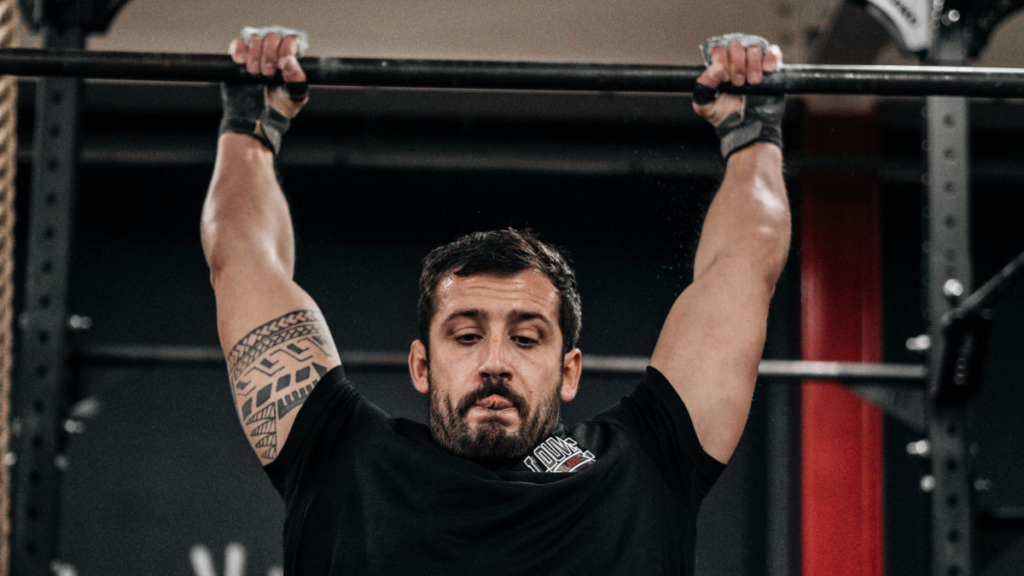
- Chin-ups: 3 sets to failure
- Close-grip bench press: 4 sets of 8-12 reps
- EZ bar curls: 4 sets of 10-12 reps
- Skull crushers: 4 sets of 8-12 reps
- Farmer’s walk: 3 sets of 30 seconds
Day 5: Rest or Light Activity
Day 6: Repeat Day 1
Day 7: Rest
Tracking Progress and Adjusting
Monitoring Progress
Tracking progress is crucial to ensure the effectiveness of the workout plan. Use metrics such as the amount of weight lifted, the number of repetitions completed, and physical measurements of the arms.
Adjusting the Plan
Adjust the workout plan based on progress and feedback from the body. If progress stalls, consider increasing the training volume, changing exercises, or adjusting nutrition.
Common Mistakes to Avoid
Overtraining

Overtraining can lead to injuries and hinder progress. Ensure adequate rest and recovery between workouts.
Poor Form
Using improper form can lead to injuries and reduced effectiveness of exercises. Focus on performing exercises with correct form and technique.
Conclusion
Building stronger and more muscular arms after 35 is achievable with the right approach. Combining effective resistance training, proper nutrition, adequate recovery, and smart supplementation can lead to significant improvements in muscle mass and strength. Stay consistent, monitor progress, and adjust as necessary to continue making gains.
Key Takeaways
| Key Point | Summary |
|---|---|
| Resistance Training | Essential for muscle growth; aim for compound movements and progressive overload. |
| Training Frequency | Train each muscle group twice a week for optimal hypertrophy. |
| Nutrition | High protein intake (1.6-2.2 g/kg body weight) and balanced macronutrients are crucial. |
| Recovery | Rest days and quality sleep (7-9 hours) are vital for muscle repair and growth. |
| Supplementation | Protein and creatine supplements can aid in meeting nutritional needs and enhancing muscle mass. |
| Workout Structure | Include a proper warm-up, a mix of bicep, tricep, and compound exercises, and track progress. |
| Avoiding Mistakes | Prevent overtraining and ensure proper form to avoid injuries and maximise workout effectiveness. |
Bibliography
Haff, G. G., & Triplett, N. T. (2015). Essentials of Strength Training and Conditioning. 4th ed. Human Kinetics.
Janssen, I., Heymsfield, S. B., Wang, Z. M., & Ross, R. (2000). Skeletal muscle mass and distribution in 468 men and women aged 18–88 yr. Journal of Applied Physiology, 89(1), 81-88.
Kreider, R. B., Kalman, D. S., Antonio, J., Ziegenfuss, T. N., Wildman, R., Collins, R., … & Lopez, H. L. (2017). International Society of Sports Nutrition position stand: safety and efficacy of creatine supplementation in exercise, sport, and medicine. Journal of the International Society of Sports Nutrition, 14(1), 1-18.
Morton, R. W., Murphy, K. T., McKellar, S. R., Schoenfeld, B. J., Henselmans, M., Helms, E., … & Phillips, S. M. (2018). A systematic review, meta-analysis and meta-regression of the effect of protein supplementation on resistance training-induced gains in muscle mass and strength in healthy adults. British Journal of Sports Medicine, 52(6), 376-384.
Peterson, M. D., Rhea, M. R., Sen, A., & Gordon, P. M. (2010). Resistance exercise for muscular strength in older adults: a meta-analysis. Ageing Research Reviews, 9(3), 226-237.
Phillips, S. M., Tang, J. E., & Moore, D. R. (2016). The role of milk- and soy-based protein in support of muscle protein synthesis and muscle protein accretion in young and elderly persons. Journal of the American College of Nutrition, 28(4), 343-354.
Schoenfeld, B. J., Ogborn, D., & Krieger, J. W. (2016). Effects of resistance training frequency on measures of muscle hypertrophy: a systematic review and meta-analysis. Sports Medicine, 46, 1689-1697.
Schoenfeld, B. J., Ogborn, D., & Krieger, J. W. (2017). Dose-response relationship between weekly resistance training volume and increases in muscle mass: A systematic review and meta-analysis. Journal of Sports Sciences, 35(11), 1073-1082.
Van Cauter, E., Leproult, R., & Plat, L. (2000). Ageing and circadian rhythms of human growth hormone secretion: sleep loss effects on the young and elderly. Hormone Research in Paediatrics, 53(Suppl. 3), 25-30.