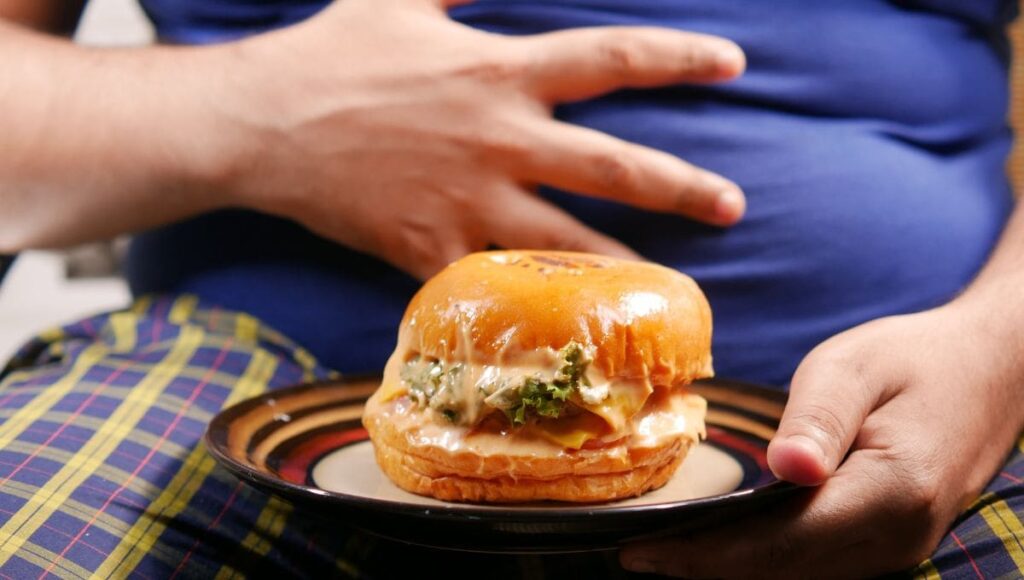
Fruit is often celebrated for its health benefits, but a new study suggests that certain fruits may have a unique ability to reduce excess belly fat, specifically visceral fat. Visceral fat, the fat stored around your internal organs, is particularly harmful and linked to various metabolic diseases. While fibre in fruit is often highlighted for its health benefits, recent research indicates that other components, such as polyphenols, play a crucial role in fat reduction. This article delves into the findings of the study, the types of fruits involved, and how incorporating these fruits into your diet can help you achieve a healthier, leaner body.
The study, published in BMC, examined the effects of a Mediterranean diet enriched with polyphenols on visceral fat reduction. The results were striking: participants who consumed a higher amount of polyphenols, particularly from fruits and green tea, experienced a 14% reduction in visceral fat, compared to just 6% in those who followed a standard Mediterranean diet. This significant difference underscores the potential of polyphenols in combating harmful belly fat. But what exactly are polyphenols, and how do they contribute to fat loss?


Polyphenols are micronutrients packed with antioxidants, found abundantly in certain fruits, especially darker forest berries. The study highlighted two polyphenols in particular: urethane and hippuric acid. These compounds are not only effective in reducing visceral fat but also improve overall gut health. Consuming fruits rich in these polyphenols, such as blackberries, wild strawberries, and black currants, can significantly impact your body’s fat storage mechanisms.
The information below is based on a video shared by Thomas DeLauer recently. Thomas DeLauer is a celebrity trainer and health author. His YouTube Channel has more than 3.5 million subscribers and he has been on the cover of numerous international magazines. This article explores how you can incorporate these fruits into your diet and other practical tips to maximize their benefits.
New Study Confirms Fruit Reduces Excess Belly Fat
The Study and Its Findings
A study published in BMC Medicine focused on the impact of polyphenols in a Mediterranean diet on visceral fat reduction. Participants who consumed a Mediterranean diet rich in polyphenols, sourced from fruits and green tea, saw a remarkable 14% reduction in visceral fat. In contrast, those on a standard Mediterranean diet only experienced a 6% reduction. This suggests that polyphenols play a crucial role in targeting and reducing harmful belly fat.
Read Also: Can Fruit Make You Fat?
Key Polyphenols: Urethane and Hippuric Acid
The study identified two main polyphenols associated with significant reductions in visceral fat: urethane and hippuric acid. Urethane is commonly found in pomegranates, certain nuts, and teas, while hippuric acid is abundant in dark forest berries like blackberries, wild strawberries, and black currants. These polyphenols not only help reduce fat but also enhance gut health by acting as prebiotic fibers, promoting a healthy gut microbiome.
The Connection Between Gut Health and Visceral Fat

Polyphenols as Prebiotic Fibers
Polyphenols act as prebiotic fibers, fermenting in the gut and fostering a healthy gut microbiome. They also shield against inflammatory bacteria, contributing to overall gut health. A healthy gut is linked to lower levels of visceral fat, as evidenced by the study’s findings. Thus, consuming polyphenol-rich fruits can help improve gut health and reduce belly fat simultaneously.
The Perfect Workout to Lose Weight
Impact on Gut Bacteria and Inflammation
There are only two species of gut bacteria associated with body weight, but 16 strains are linked to visceral fat. Polyphenols help modulate these bacterial strains, reducing inflammation and promoting a healthier gut environment. This connection between gut health and visceral fat underscores the importance of including polyphenol-rich foods in your diet.
Practical Tips for Incorporating Polyphenol-Rich Fruits into Your Diet
Choosing the Right Fruits
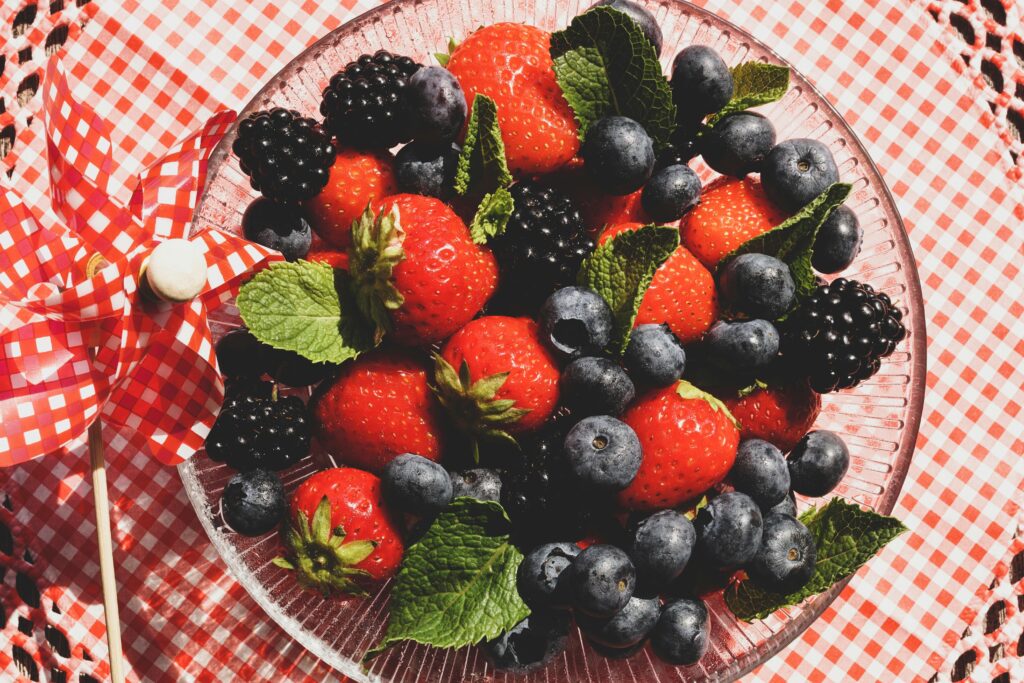
To maximize the benefits of polyphenols, focus on consuming darker berries and wild varieties whenever possible. Opt for wild blueberries over larger cultivated ones, as they pack a higher polyphenol punch. Similarly, choose smaller, organic raspberries and blackberries to get the most benefit.
Other Sources of Polyphenols
In addition to fruits, consider incorporating green tea into your daily routine. Green tea is high in hippuric acid and offers similar benefits in reducing visceral fat. If you prefer black tea, it can also be beneficial, though to a lesser extent. Pomegranates and certain nuts are excellent sources of urethane and can be added to your diet for variety.

Summary
In conclusion, the new study highlights the significant impact of polyphenols, particularly from dark forest berries and green tea, on reducing visceral fat. These compounds not only target harmful belly fat but also improve gut health, offering a dual benefit. By choosing the right fruits and incorporating other polyphenol-rich foods and beverages into your diet, you can take a proactive step towards a healthier, leaner body.
How to Lose Weight Fast and Transform your Body
Key Takeaways
| Key Points | Details |
| Study Findings | Mediterranean diet with extra polyphenols reduces visceral fat by 14% compared to 6% with a standard diet. |
| Important Polyphenols | Urethane (found in pomegranates, nuts, teas) and hippuric acid (found in dark forest berries). |
| Gut Health Connection | Polyphenols act as prebiotic fibers, promoting healthy gut bacteria and reducing inflammation. |
| Practical Tips | Choose darker, wild berries; incorporate green tea; consider pomegranates and nuts. |
Bibliography
Urolithins Attenuate Multiple Symptoms of Obesity in Rats Fed on a High-Fat Diet