The summer Olympics is around the corner. Only 3 days until Paris gets inundated by one of the most watched sports events worldwide. And there are some very weird and sometimes obscure rules athletes must follow. Check it out.
The Olympics are a celebration of athletic prowess and international unity, but behind the scenes, the athletes must adhere to a strict set of rules and regulations. Some of these rules are well-known and widely accepted, while others are quite unusual and obscure. This article explores 15 of the strangest rules that Olympic athletes must follow, highlighting the peculiarities that come with competing at the highest level.


1. No Political Gestures or Any Form of Protest While Competing
One of the most contentious rules in the Olympics is the prohibition of political gestures or any form of protesting while competing – that includes on the field of play, in the Village, during ceremonies, or at the opening and closing ceremonies.
According to Rule 50 of the Olympic Charter, “No kind of demonstration or political, religious, or racial propaganda is permitted in any Olympic sites, venues, or other areas.” This rule is designed to keep the Games apolitical, but it has been a source of controversy, especially when athletes feel compelled to speak out on important issues.
This rule began prior to the 2020 Olympic Games and has received major pushback from the public and athletes.
2. No Personal Advertising
Olympic athletes are prohibited from displaying personal advertisements on their clothing or equipment during the Games. Rule 40 of the Olympic Charter states that “except as permitted by the IOC Executive Board, no competitor, coach, trainer, or official who participates in the Olympic Games may allow his person, name, picture, or sports performances to be used for advertising purposes during the Olympic Games.”
This rule aims to protect the integrity of the Olympic brand, but it can be a challenge for athletes who rely on sponsorships for funding.
3. Figure Skaters: Men Must Wear Trousers, Women Don’t Have to Wear Skirts, No Excess Nudity
Figure skaters have some weird and obscure rules they must follow during the Olympic Games. For example, men are required to wear trousers, no other option is available. The counterpart is that women are not required to wear skirts, although most of them do.

Another attire rule to follow is that clothing cannot give the effect of excessive nudity. That is why you see many figure skaters wearing panels that mimic their skin colour, to give the illusion of skin without breaking the rules.
4. Beach Volleyball Bikinis Have a Certain Size
If you think that some players choose to have a somewhat too-revealing bikini, just to show off their summer body, you are wrong. Beach volleyball players are required to wear bikini-style costumes when playing in the Olympics and the bottom cannot be more than 7 centimetres (2.7 inches) on the sides.

Also, the IOC enforces stringent uniform regulations to ensure consistency and avoid any form of commercialisation. Athletes must wear uniforms provided by their National Olympic Committees (NOCs), and these uniforms cannot feature any personal sponsors. The rules even extend to accessories like headbands and wristbands, which must comply with the guidelines.
5. Toenails Checked and No Groin Grabbing on Water Polo
Although it looks like a rough sport in the swimming pool, water polo have two distinct rules to prevent athletes hurting themselves or inflicting damage on their competitors.
Groins are not to be grabbed and toenails have to be clipped and checked before a match to avoid scratches happening under water.
Also, water polo players are not allowed to grease themselves up with any oil or similar substance prior to competition in an attempt to prevent any advantages.
6. Village Food Court – One Handheld Item Only for Takeaway
Athletes are generally not allowed to bring outside food into the Olympic Village. This rule is intended to maintain the safety and integrity of the food supply within the village.
But perhaps the weirdest rule is that athletes are allowed only one hand-held item or one beverage to be removed from the Olympic Village food court for personal enjoyment later. One apple is fine, but two apples is prohibited.
This way, the IOC enforcers athletes to mainly consume all their food and beverages at the Village Food Court. Ah, athletes are not allowed to drink alcohol inside the Olympic Village either.
7. Restrictions on Tattoo Displays
While tattoos are not outright banned, there are restrictions on their display. The IOC guidelines suggest that any tattoos that could be deemed offensive or controversial must be covered during competition. This rule is somewhat subjective and can vary depending on the interpretation of the officials.
8. You Can Dunk, But Don’t Hang on the Hoop

If you are a fan of basketball and the NBA, you should not expect players to do amazing dunks on their opponents and cheer while holding on to the hoop. That is strictly forbidden. Basketball players can dunk, but they need to get out of the hoop as soon as possible.
9. Media Blackout Period
Athletes are subject to a media blackout period around their events. This means they cannot engage in any promotional activities or give interviews to media outlets not accredited by the IOC. The blackout period usually begins nine days before the Opening Ceremony and ends three days after the Games conclude. This rule aims to prevent distractions and ensure fair media access.
10. Limited Access to Family and Friends
During the Games, athletes have limited access to their family and friends. This restriction is partly for security reasons and partly to ensure that athletes remain focused on their competitions. Family members can attend events and visit designated areas, but their interactions with athletes are closely monitored.
11. Olympic Gymnasts Have to Pay Themselves for a Scoring Challenge

Imagine you finished your routine as a gymnast and your coaches feel like the scoring is unfair. Your team may challenge the score, but for that you need to pay U$300 out of your own pocket – the team’s pocket, in this case.
If the challenge is successful, you get your money back, if not, the money is donated to charity.
12. No Swapping or Selling of Olympic Gear
Athletes are prohibited from swapping or selling their Olympic gear, including uniforms and equipment, during the Games. This rule helps prevent commercial exploitation of the Olympic brand. While it is common for athletes to exchange items as mementos after the competition, doing so during the Games is strictly forbidden.
13. Compliance with Host Country Laws
Athletes must comply with the laws of the host country, even if they differ significantly from their own country’s laws. This can include everything from drug regulations to customs and etiquette. Failure to adhere to local laws can result in serious consequences, including arrest and deportation.
14. No Holding Hands at Finish Lines for Runners
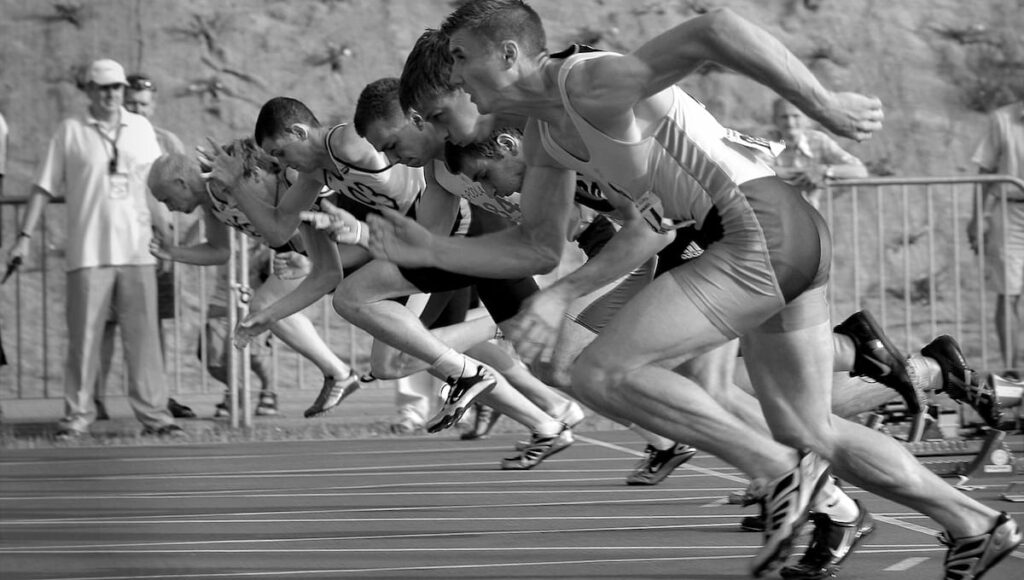
It could be beautiful to see two people finishing a race together with hands hold together – perhaps as a sign of respect or helping each other out. However, you likely won’t see that happening at the Olympic Games any time soon.
That is because Olympic runners who choose to hold hands at the finish line are automatically disqualified because the rules states you cannot have a “contrived tie.”
15. Wrestlers Have a Handkerchief to Wipe Out Blood
And finally, wrestlers are required to wear a cloth handkerchief somewhere in their uniform. And the name given to that cloth? Bleeder, or bloodrag. And it is exactly for that.
The piece of cloth is to be used to clean up a wrestler any time the person is bleeding or to mop the mat of any bodily fluids.
Conclusion
The rules and regulations that govern the Olympic Games are designed to ensure fair play, maintain the integrity of the competition, and protect the Olympic brand. While some of these rules are widely accepted and understood, others can seem quite strange and obscure. Understanding these rules helps to appreciate the complexity and challenges that Olympic athletes face beyond their physical and mental preparation.
Bibliography
- International Olympic Committee. (2020). Rule 50 of the Olympic Charter. Available at: https://www.olympic.org/
- World Anti-Doping Agency. (2020). WADA Anti-Doping Regulations. Available at: https://www.wada-ama.org/
- World Health Organization. (2019). Food Safety in Olympic Villages. Available at: https://www.who.int/