Achieving a defined six-pack isn’t just about doing countless sit-ups and crunches. While exercise plays a critical role, nutrition is equally, if not more, important. Consuming the right foods can help you shed fat and build muscle, revealing those coveted abs. Here are five foods that should be part of your diet if you aim to achieve a defined six-pack.
1. Eggs

Nutritional Profile and Benefits
Eggs are one of the most nutrient-dense foods available. They are rich in high-quality protein, healthy fats, and essential vitamins and minerals. A single large egg contains approximately 6 grams of protein and all nine essential amino acids, which are crucial for muscle repair and growth.


How Eggs Help with Fat Loss and Muscle Gain
Protein plays a vital role in muscle development and recovery. The protein in eggs has a high biological value, meaning it is easily absorbed and utilised by the body. Studies have shown that high-protein diets can boost metabolism and increase satiety, helping with weight loss and fat reduction (Leidy et al., 2009).
Moreover, eggs contain choline, a nutrient that supports metabolism and brain health. According to research published in the “American Journal of Clinical Nutrition,” choline can aid in reducing body fat and improving athletic performance (Zeisel, 2011).
2. Salmon
Nutritional Profile and Benefits
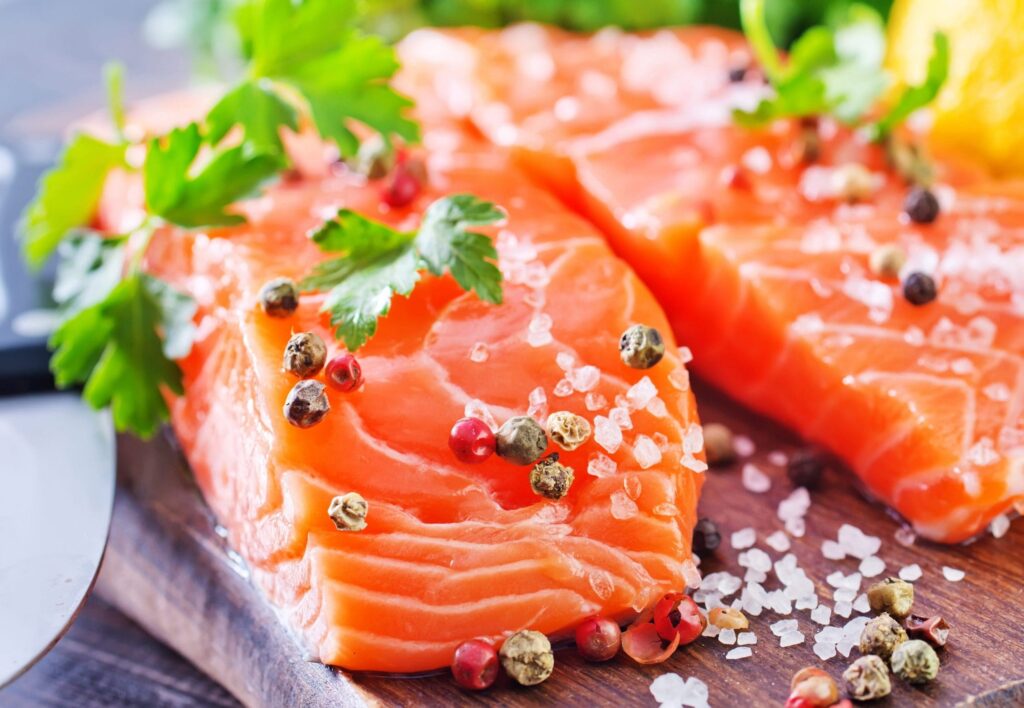
Salmon is an excellent source of high-quality protein and omega-3 fatty acids, particularly EPA and DHA. A 100-gram serving of salmon provides about 25 grams of protein and a significant amount of omega-3s, which are essential for cardiovascular health and inflammation reduction.
How Salmon Contributes to a Lean Physique
Omega-3 fatty acids found in salmon have been shown to reduce inflammation, which can improve recovery times and enhance muscle growth. According to a study in the “American Journal of Clinical Nutrition,” omega-3 supplementation can increase muscle protein synthesis, particularly in response to exercise (Smith et al., 2011).
Additionally, the protein content in salmon promotes muscle repair and growth. Consuming sufficient protein is crucial for maintaining muscle mass, especially when you are in a caloric deficit aimed at fat loss (Phillips, 2014).
3. Quinoa

Nutritional Profile and Benefits
Quinoa is a complete protein source, meaning it contains all nine essential amino acids. It is also rich in fibre, magnesium, B vitamins, iron, potassium, calcium, phosphorus, vitamin E, and various beneficial antioxidants. A cup of cooked quinoa provides about 8 grams of protein and 5 grams of fibre.
How Quinoa Aids in Fat Loss and Muscle Building
The high fibre content in quinoa can help regulate blood sugar levels and increase feelings of fullness, which aids in reducing overall calorie intake. A study published in the “Journal of Nutrition” highlighted that dietary fibre intake is inversely associated with body weight and body fat (Slavin, 2005).
Quinoa’s protein content supports muscle repair and growth. Including quinoa in your diet ensures you get a plant-based source of protein that can complement other protein sources. Furthermore, the slow-digesting carbohydrates in quinoa provide sustained energy, making it an ideal food for athletes and those engaging in regular physical activity.
4. Greek Yoghurt
Nutritional Profile and Benefits
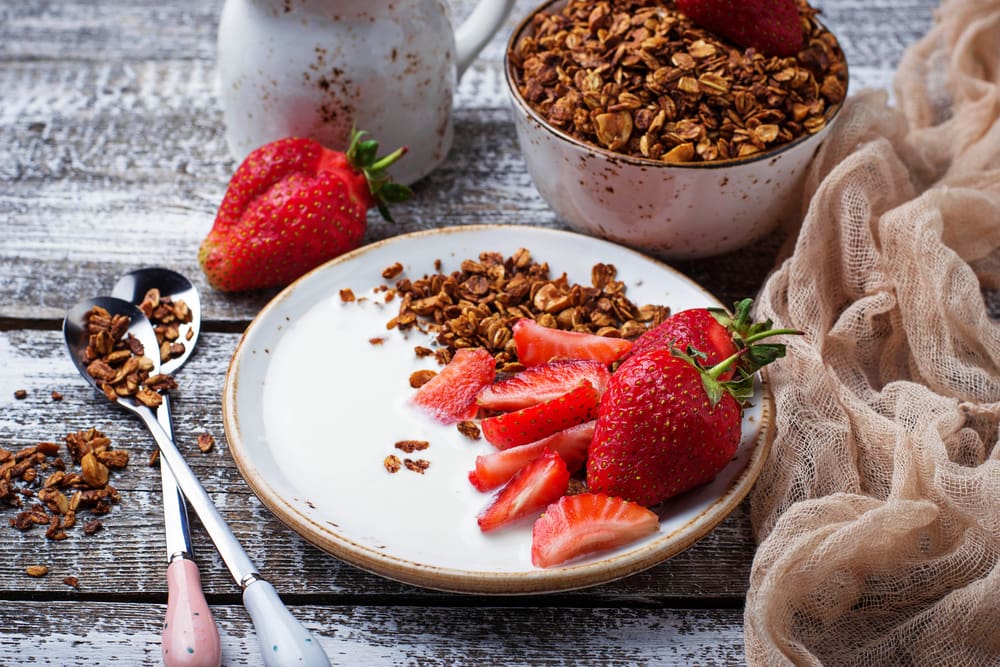
Greek yoghurt is a protein powerhouse, with one cup containing approximately 20 grams of protein. It is also rich in calcium, probiotics, and vitamin B12. The fermentation process involved in making Greek yoghurt increases its probiotic content, which can benefit gut health.
How Greek Yoghurt Supports a Lean Physique
The high protein content in Greek yoghurt helps with muscle repair and growth. Protein consumption post-exercise can enhance muscle recovery and growth, making Greek yoghurt an excellent choice for a post-workout snack (Phillips et al., 2016).
The probiotics in Greek yoghurt also support gut health, which is essential for nutrient absorption and overall well-being. A healthy gut can improve metabolism and aid in weight management. Research has shown that probiotics can help reduce body weight and body mass index, particularly in overweight individuals (Kondo et al., 2013).
5. Leafy Greens
Nutritional Profile and Benefits
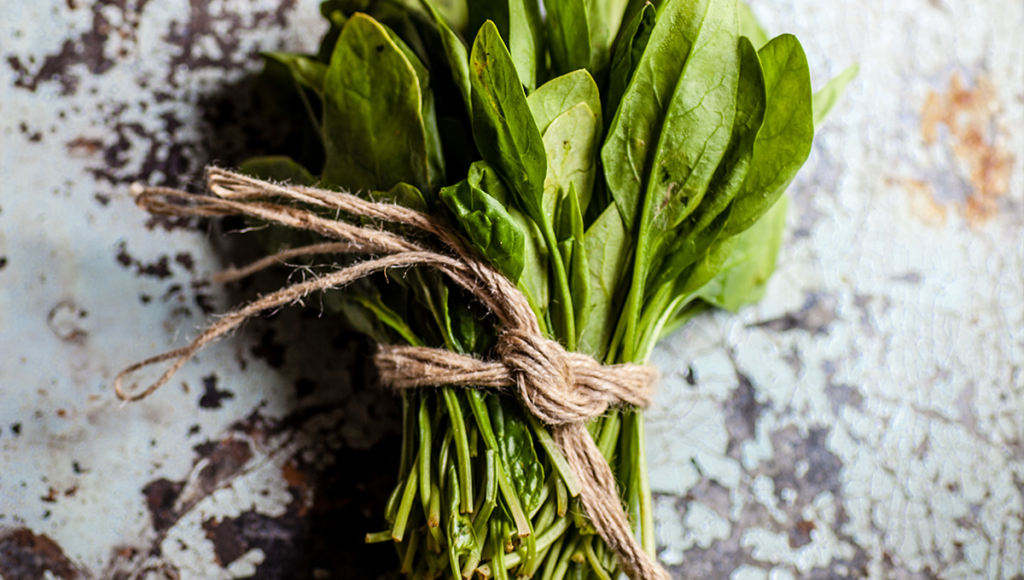
Leafy greens such as spinach, kale, and Swiss chard are nutrient-dense and low in calories. They are rich in vitamins A, C, K, and folate, as well as minerals like iron and calcium. Leafy greens are also high in antioxidants and fibre.
How Leafy Greens Contribute to a Defined Six-Pack
The low-calorie and high-fibre content of leafy greens make them ideal for weight loss and fat reduction. Fibre helps increase satiety and reduce overall calorie intake, which is crucial for fat loss. A study published in the “Journal of the American College of Nutrition” found that higher vegetable intake is associated with lower body weight and fat (He et al., 2004).
Leafy greens also provide essential nutrients that support overall health and exercise performance. For example, the iron content in spinach can improve oxygen delivery to muscles, enhancing endurance and strength. Additionally, the antioxidants in leafy greens help reduce oxidative stress and inflammation, supporting faster recovery and better workout performance.
Conclusion
Achieving a defined six-pack requires a combination of effective exercise and a well-balanced diet. Incorporating these five foods—eggs, salmon, quinoa, Greek yoghurt, and leafy greens—into your diet can provide the necessary nutrients to support muscle growth, enhance recovery, and promote fat loss. Remember, consistency is key. Make these foods a regular part of your diet, and you’ll be well on your way to unveiling those defined abs.
Bibliography
He, K., Hu, F.B., Colditz, G.A., Manson, J.E., Willett, W.C., & Liu, S. (2004). Changes in intake of fruits and vegetables in relation to risk of obesity and weight gain among middle-aged women. Journal of the American College of Nutrition, 23(3), 163-170.
Kondo, S., Xiao, J.Z., Satoh, T., Odamaki, T., Takahashi, S., Sugahara, H., Yaeshima, T., Iwatsuki, K., & Kitaoka, M. (2013). Antiobesity effects of Bifidobacterium breve strain B-3 supplementation in a mouse model with a high-fat diet. Bioscience, Biotechnology, and Biochemistry, 77(4), 1023-1026.
Leidy, H.J., Carnell, N.S., Mattes, R.D., & Campbell, W.W. (2009). Higher protein intake preserves lean mass and satiety with weight loss in pre-obese and obese women. Obesity, 17(5), 772-779.
Phillips, S.M. (2014). A brief review of critical processes in exercise-induced muscular hypertrophy. Sports Medicine, 44(Suppl 1), 71-77.
Phillips, S.M., Tang, J.E., & Moore, D.R. (2016). The role of milk- and soy-based protein in support of muscle protein synthesis and muscle protein accretion in young and elderly persons. Journal of the American College of Nutrition, 28(4), 343-354.
Slavin, J.L. (2005). Dietary fiber and body weight. Nutrition, 21(3), 411-418.
Smith, G.I., Atherton, P., Reeds, D.N., Mohammed, B.S., Rankin, D., Rennie, M.J., & Mittendorfer, B. (2011). Omega-3 polyunsaturated fatty acids augment the muscle protein anabolic response to hyperaminoacidemia–hyperinsulinemia in healthy young and middle-aged men and women. American Journal of Clinical Nutrition, 93(2), 402-412.
Zeisel, S.H. (2011). Dietary choline: Biochemistry, physiology, and pharmacology. Annual Review of Nutrition, 31, 269-290.
Key Takeaways
| Food | Key Benefits |
|---|---|
| Eggs | High-quality protein, choline for metabolism, muscle repair |
| Salmon | Omega-3 fatty acids for inflammation reduction, muscle growth |
| Quinoa | Complete protein, high in fibre for satiety and weight control |
| Greek Yoghurt | High protein for muscle repair, probiotics for gut health |
| Leafy Greens | Low-calorie, high-fibre for weight loss, rich in antioxidants |
Incorporating these foods into your diet can significantly contribute to achieving and maintaining a defined six-pack.