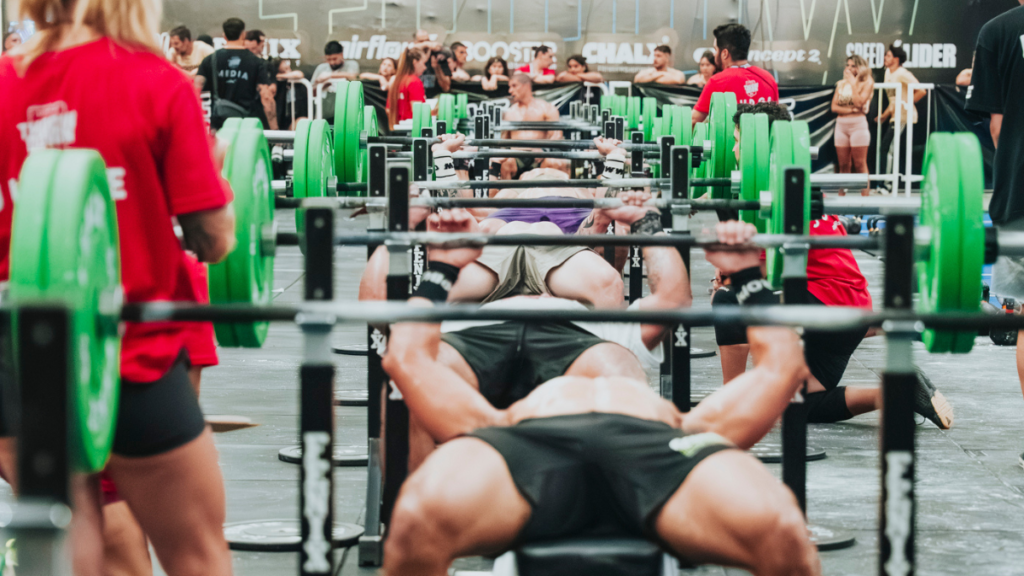
Getting jacked isn’t just about spending countless hours in the gym; it’s about training smarter, not necessarily harder. The fitness industry is filled with myths and misconceptions, but backed by science, here are five gym training secrets that will help you build muscle faster and more effectively.
Secret 1: Prioritise Compound Movements

The Science Behind Compound Movements
Compound movements involve multiple joints and muscle groups, making them incredibly efficient for building mass. Exercises like squats, deadlifts, bench presses, and pull-ups are fundamental.


A study published in the Journal of Strength and Conditioning Research found that compound exercises activate more muscle fibres and create a higher hormonal response compared to isolation exercises . This means more muscle growth and increased strength.
Practical Implementation
Incorporate compound movements into the beginning of your workout when you have the most energy. A typical session could start with heavy squats, followed by bench presses and deadlifts. Aim for 3-4 sets of 6-8 reps, focusing on form and progressive overload.
Secret 2: Implement Progressive Overload
The Science of Progressive Overload
Progressive overload is the gradual increase of stress placed upon the body during exercise. This concept is vital for continuous muscle growth and strength gains.
According to a study in the European Journal of Applied Physiology, consistent progressive overload leads to significant hypertrophy and strength improvements . This principle ensures that muscles are consistently challenged, adapting and growing stronger over time.
Practical Implementation
Track your workouts meticulously. Increase weights, reps, or intensity gradually. For example, if you can squat 100kg for 8 reps, aim for 102.5kg the next week. Keep pushing your limits while maintaining good form to prevent injuries.
Secret 3: Optimise Your Nutrition

The Role of Protein
Protein is the building block of muscle. Research from the American Journal of Clinical Nutrition suggests that consuming sufficient protein, ideally 1.6-2.2 grams per kilogram of body weight, is essential for muscle growth .
Timing and Quality
Nutrient timing also plays a role. A study in the Journal of the International Society of Sports Nutrition highlights the importance of consuming protein post-workout to maximise muscle protein synthesis . High-quality sources include lean meats, fish, eggs, and plant-based options like beans and lentils.
Practical Implementation
Plan your meals around your workouts. Ensure you’re getting enough protein throughout the day, especially in your post-workout meal. Incorporate a balance of carbohydrates and healthy fats to support overall performance and recovery.
Secret 4: Get Adequate Rest and Recovery
The Importance of Sleep
Sleep is a critical component of muscle recovery and growth. A study in the journal Sleep found that individuals who slept for eight hours had significantly better muscle recovery compared to those who slept for only five hours .
Active Recovery
Active recovery, including light activities such as walking or yoga, can enhance blood flow and nutrient delivery to muscles, aiding in faster recovery. The Journal of Athletic Training supports that active recovery can reduce muscle soreness and improve performance .
Practical Implementation
Prioritise sleep, aiming for 7-9 hours per night. Incorporate rest days into your training schedule and consider activities like stretching or foam rolling to aid recovery. Listen to your body and avoid overtraining, which can hinder progress.
Secret 5: Use Periodisation
Understanding Periodisation
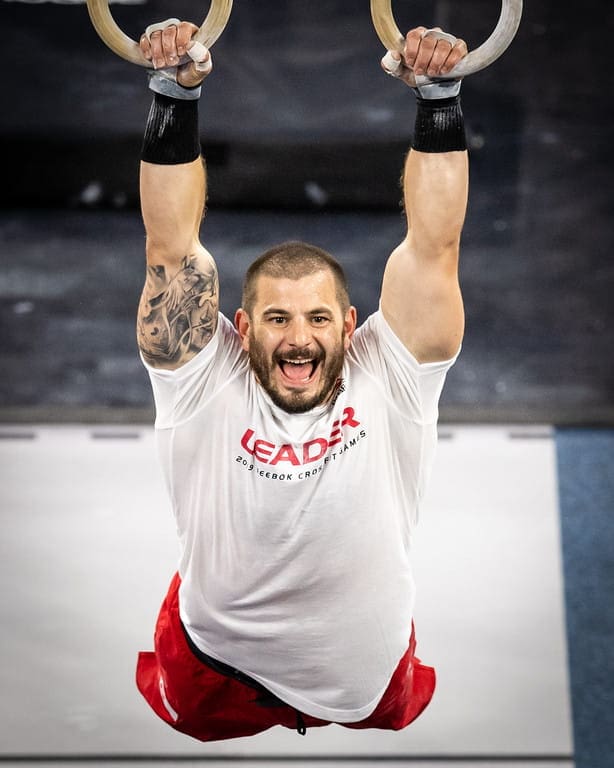
Periodisation involves varying your training programme over specific periods to prevent plateaus and optimise performance. The British Journal of Sports Medicine indicates that periodised training programmes are more effective for strength and muscle gains compared to non-periodised programmes .
Types of Periodisation
Linear periodisation gradually increases intensity while decreasing volume. Non-linear or undulating periodisation varies intensity and volume within a shorter timeframe, such as a week.
Practical Implementation
Plan your training in cycles. For instance, start with a hypertrophy phase focusing on higher reps and moderate weights, then transition to a strength phase with lower reps and heavier weights. Periodisation keeps your muscles guessing and growing.
Conclusion
Building muscle efficiently requires a strategic approach grounded in science. By prioritising compound movements, implementing progressive overload, optimising nutrition, ensuring adequate rest, and using periodisation, you can maximise your muscle growth and achieve your fitness goals faster. Remember, consistency and patience are key.
Key Takeaways
| Training Secret | Key Points |
|---|---|
| Prioritise Compound Movements | Focus on multi-joint exercises like squats, deadlifts, and bench presses. |
| Implement Progressive Overload | Gradually increase the weights, reps, or intensity of your workouts. |
| Optimise Your Nutrition | Consume sufficient protein (1.6-2.2g/kg body weight), especially post-workout. |
| Get Adequate Rest and Recovery | Aim for 7-9 hours of sleep per night and incorporate active recovery practices. |
| Use Periodisation | Vary your training intensity and volume to prevent plateaus and optimise gains. |
Bibliography
- Schoenfeld, B.J. (2010). The mechanisms of muscle hypertrophy and their application to resistance training. Journal of Strength and Conditioning Research, 24(10), 2857-2872.
- American College of Sports Medicine. (2009). Progression models in resistance training for healthy adults. Medicine & Science in Sports & Exercise, 41(3), 687-708.
- Phillips, S.M. (2014). A brief review of critical processes in exercise-induced muscular hypertrophy. Sports Medicine, 44(1), 71-77.
- Aragon, A.A., & Schoenfeld, B.J. (2013). Nutrient timing revisited: is there a post-exercise anabolic window? Journal of the International Society of Sports Nutrition, 10(1), 5.
- Dattilo, M., Antunes, H.K.M., Medeiros, A., Mônico-Neto, M., Souza, H.S., Tufik, S., & de Mello, M.T. (2011). Sleep and muscle recovery: Endocrinological and molecular basis for a new and promising hypothesis. Medical Hypotheses, 77(2), 220-222.
- Reilly, T., & Ekblom, B. (2005). The use of recovery methods post-exercise. Journal of Sports Sciences, 23(6), 619-627.
- Rhea, M.R., Ball, S.D., Phillips, W.T., & Burkett, L.N. (2002). A comparison of linear and daily undulating periodized programs with equated volume and intensity for strength. Journal of Strength and Conditioning Research, 16(2), 250-255.
These scientifically-backed strategies provide a robust framework for achieving your fitness goals more effectively. By integrating these secrets into your training regimen, you can significantly enhance your muscle-building efforts.