Crunches are often the go-to exercise for strengthening the core, but they can be monotonous and even ineffective if not performed correctly. Fortunately, there are several alternative exercises that not only build core strength but also improve overall functional fitness.
Well, you clicked here to explore the three effective core exercises that can replace crunches: they are the plank, Russian twists, and the dead bug. Each exercise targets different muscle groups within the core, offering a comprehensive approach to core strengthening.


The Importance of Core Strength
Before diving into the exercises, it’s essential to understand why core strength is vital. The core includes the muscles in your abdomen, lower back, hips, and pelvis. These muscles are crucial for stabilising the body, maintaining posture, and supporting movements. A strong core can enhance athletic performance, reduce the risk of injuries, and alleviate lower back pain.
Benefits of a Strong Core
- Improved Posture: A strong core helps maintain proper alignment of the spine and pelvis, reducing the likelihood of developing poor posture.
- Enhanced Stability and Balance: Core muscles provide stability for almost all movements, improving balance and coordination.
- Reduced Risk of Injury: By stabilising the spine, a strong core can prevent injuries, especially in the lower back.
- Better Athletic Performance: Core strength is essential for many sports, as it contributes to overall power and efficiency in movements.
1. Plank
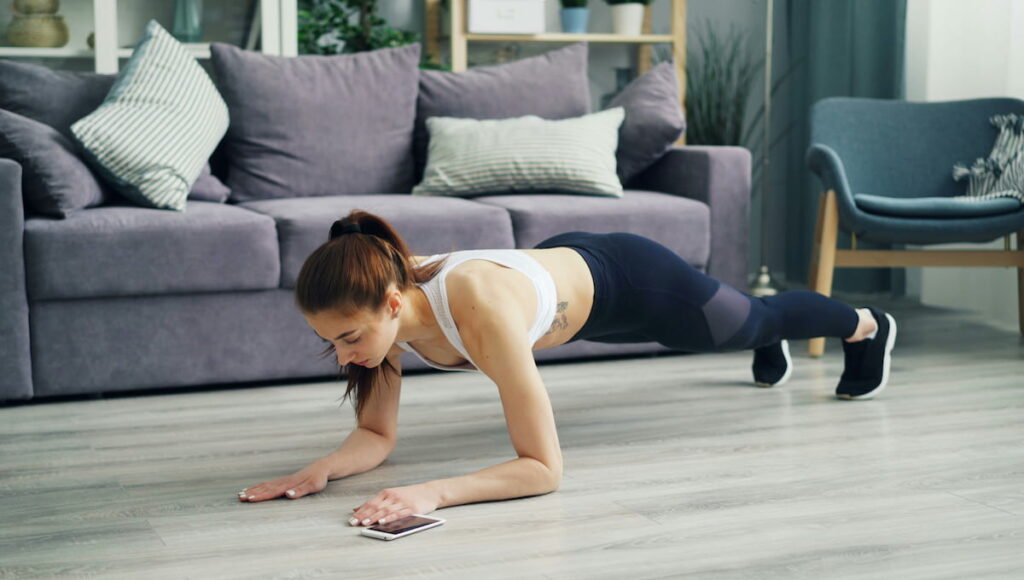
The plank is a static exercise that engages multiple core muscles simultaneously, including the rectus abdominis, transverse abdominis, obliques, and lower back muscles. Unlike crunches, which mainly target the rectus abdominis, the plank provides a more comprehensive core workout.
How to Perform a Plank
- Start Position: Begin in a push-up position with your elbows directly under your shoulders and your body forming a straight line from head to heels.
- Engage the Core: Tighten your core muscles, keeping your body straight and avoiding any sagging or arching of the back.
- Hold the Position: Maintain this position for as long as possible, aiming for at least 30 seconds initially and gradually increasing the duration as your strength improves.
Variations of the Plank
- Side Plank: Targets the obliques by having you support your body on one arm and the side of one foot.
- Plank with Leg Lift: Adds difficulty by lifting one leg at a time while maintaining the plank position, further engaging the core and glutes.
- Dynamic Plank: Involves movement, such as transitioning between forearm and extended arm positions, to increase the challenge and engage additional muscles.
Scientific Evidence
A study published in the Journal of Strength and Conditioning Research found that the plank exercise activates more abdominal muscles than traditional crunches, making it more effective for core strength development (Ekstrom et al., 2007).
10 Easy Science-Based Steps to Get Perfect Abs
2. Russian Twists
Russian twists are a dynamic exercise that targets the obliques, rectus abdominis, and transverse abdominis. This exercise also improves rotational strength and stability, which are crucial for many athletic activities.
How to Perform Russian Twists
- Start Position: Sit on the floor with your knees bent and feet flat on the ground. Lean back slightly while keeping your back straight.
- Engage the Core: Hold a weight or medicine ball with both hands at chest level.
- Twist: Rotate your torso to the right, bringing the weight beside your hip. Then twist to the left, bringing the weight to the other side. Continue alternating sides.
Variations of Russian Twists
- Weighted Twists: Increase resistance by using a heavier weight or medicine ball.
- Feet Elevated Twists: Lift your feet off the ground to add instability and increase the challenge for your core.
- Slow Twists: Perform the twists slowly and with control to maximize muscle engagement and time under tension.
Scientific Evidence
Research in the Journal of Physical Therapy Science demonstrated that Russian twists significantly engage the oblique muscles, which are often underworked in traditional core exercises like crunches (Kang et al., 2016).
3. Dead Bug
The dead bug is an effective exercise for improving core stability and coordination. It engages the rectus abdominis, transverse abdominis, and lower back muscles while promoting proper spinal alignment.
How to Perform the Dead Bug
- Start Position: Lie on your back with your arms extended towards the ceiling and your knees bent at a 90-degree angle.
- Engage the Core: Press your lower back into the floor to engage your core muscles.
- Movement: Slowly lower your right arm and left leg towards the floor simultaneously, keeping your lower back pressed into the floor. Return to the starting position and repeat with the opposite arm and leg.
Variations of the Dead Bug
- Weighted Dead Bug: Hold a light weight or medicine ball in your hands to increase resistance.
- Stability Ball Dead Bug: Place a stability ball between your hands and knees to add an extra challenge and promote proper form.
- Slow Dead Bug: Perform the movement slowly to maximize control and muscle engagement.
5 Best Lazy Abs Exercises to Shrink Your Belly
Scientific Evidence
A study published in the Journal of Orthopaedic & Sports Physical Therapy found that the dead bug exercise effectively activates the core muscles while maintaining a neutral spine, making it a safe and efficient alternative to crunches (Escamilla et al., 2010).
Implementing These Exercises into Your Routine
To maximise the benefits of these exercises, consider incorporating them into your workout routine two to three times per week. Begin with the basic versions and progress to the more challenging variations as your core strength improves. Ensure proper form to prevent injuries and optimise results.
Sample Core Workout Routine
- Plank: 3 sets of 30-60 seconds
- Russian Twists: 3 sets of 15-20 repetitions per side
- Dead Bug: 3 sets of 10-15 repetitions per side
Tips for Success
- Warm-Up: Always start with a proper warm-up to prepare your muscles and prevent injuries.
- Focus on Form: Maintain correct form to effectively engage the core muscles and avoid strain.
- Gradual Progression: Increase the difficulty of the exercises gradually as your strength improves.
- Consistency: Regular practice is key to building and maintaining a strong core.
Conclusion
While crunches are a popular exercise for core strengthening, they are not the most effective or engaging option. Incorporating exercises like planks, Russian twists, and the dead bug can provide a more comprehensive core workout, targeting multiple muscle groups and improving overall stability and strength. By integrating these exercises into your fitness routine, you can achieve a stronger, more functional core.
Key Takeaways
| Exercise | Targeted Muscles | Benefits | Variations |
| Plank | Rectus abdominis, transverse abdominis, obliques, lower back | Comprehensive core workout, improved stability and posture | Side plank, plank with leg lift, dynamic plank |
| Russian Twists | Obliques, rectus abdominis, transverse abdominis | Enhanced rotational strength and stability | Weighted twists, feet elevated twists, slow twists |
| Dead Bug | Rectus abdominis, transverse abdominis, lower back | Improved core stability and coordination | Weighted dead bug, stability ball dead bug, slow dead bug |
Bibliography
- Ekstrom, R.A., Donatelli, R.A., and Carp, K.C. (2007). Electromyographic analysis of core trunk, hip, and thigh muscles during 9 rehabilitation exercises. Journal of Orthopaedic & Sports Physical Therapy, 37(12), pp.754-762.
- Kang, H.J., Oh, J.S., and Kwon, O.Y. (2016). Effects of sitting posture on respiratory function in patients with chronic obstructive pulmonary disease. Journal of Physical Therapy Science, 28(5), pp.1341-1343.
- Escamilla, R.F., Lewis, C., Bell, D., Bramblet, G., Daffron, J., Lambert, S., Pecson, A., Imamura, R.T., Paulos, L., and Andrews, J.R. (2010). Core muscle activation during Swiss ball and traditional abdominal exercises. Journal of Orthopaedic & Sports Physical Therapy, 40(5), pp.265-276.
100 Sit-Ups a Day for 30 Days: What Could Change if You Are a Noob, Gym Bro, or Elite Athlete?