CrossFit and High-Intensity Interval Training (HIIT) have become immensely popular in the fitness world. Both are known for their high-intensity workouts and promise of significant fitness gains in a relatively short period. Despite their similarities, CrossFit and HIIT differ in several key aspects, including their structure, goals, and suitability for different individuals.
So let’s tackle the nuances of both training modalities, compare their benefits and drawbacks, and offer some guidance on which might be more suitable for you based on your fitness goals and lifestyle.


Table of Contents
Understanding CrossFit
What is CrossFit?
CrossFit is a branded fitness Sport created by Greg Glassman in 2000. It incorporates elements from various disciplines, including weightlifting, gymnastics, and cardio, to offer a comprehensive, high-intensity workout. CrossFit workouts, known as WODs (Workouts of the Day), vary daily and are designed to improve overall fitness, including strength, stamina, agility, and flexibility.
Core Principles of CrossFit
- Constant Variation: Each workout is different to prevent monotony and ensure all muscle groups are targeted.
- Functional Movements: Exercises mimic real-life movements, enhancing everyday functional strength.
- High Intensity: Workouts are performed at a high intensity to maximize calorie burn and improve cardiovascular fitness.
Typical CrossFit Workouts
CrossFit workouts often combine elements from weightlifting, such as snatches and clean and jerks, with bodyweight exercises like pull-ups and push-ups, and aerobic activities such as running and rowing. A typical CrossFit session includes:
- Warm-up: Preparing the body for intense activity.
- Skill/Strength Work: Focusing on developing a particular skill or strength component.
- WOD: The main workout, typically a high-intensity circuit or series of exercises.
- Cool Down: Stretching and mobility work to aid recovery.
3 Great WODs for Beginner CrossFit Athletes
Benefits of CrossFit
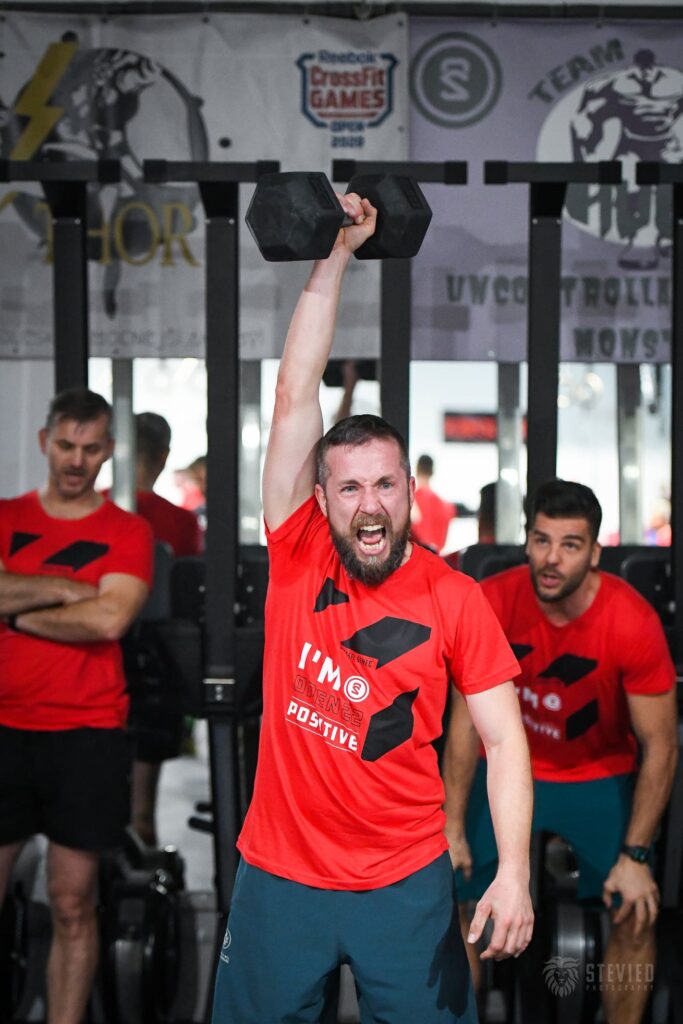
- Improved Overall Fitness: CrossFit’s varied workouts enhance multiple fitness components.
- Community and Support: CrossFit boxes (gyms) foster a strong sense of community.
- Scalability: Workouts can be modified to suit all fitness levels.
Drawbacks of CrossFit
- Risk of Injury: The high-intensity nature and complex movements can lead to injuries if performed incorrectly.
- Cost: Memberships can be expensive compared to traditional gyms.
- Learning Curve: Some movements require time and coaching to master.
Understanding HIIT
What is HIIT?
High-Intensity Interval Training (HIIT) involves short bursts of intense exercise followed by brief periods of rest or low-intensity exercise. HIIT workouts are known for their efficiency, often lasting between 20 to 30 minutes, and are designed to improve cardiovascular fitness, increase fat loss, and boost metabolism.
Core Principles of HIIT
- Intensity: Exercises are performed at near-maximum effort.
- Intervals: Alternating periods of high-intensity and low-intensity or rest.
- Efficiency: Shorter workouts that deliver significant fitness benefits.
Typical HIIT Workouts

HIIT workouts can include various types of exercises, such as sprinting, cycling, bodyweight exercises, and resistance training. A typical HIIT session might look like:
- Warm-up: Light cardio and dynamic stretching.
- Intervals: For example, 30 seconds of sprinting followed by 30 seconds of walking, repeated for 20 minutes.
- Cool Down: Stretching and light activity to lower heart rate.
Benefits of HIIT
- Time-Efficient: Short workouts fit into busy schedules.
- Fat Loss: HIIT has been shown to be effective for fat burning and improving metabolic health.
- Versatility: Can be adapted to various fitness levels and equipment availability.
Drawbacks of HIIT
- Intensity: May not be suitable for beginners or those with certain medical conditions.
- Recovery Needs: The high intensity requires adequate recovery time between sessions.
- Risk of Overtraining: Without proper rest, HIIT can lead to burnout or injury.
Comparing CrossFit and HIIT
Structure and Variety
CrossFit offers a diverse range of workouts incorporating different fitness disciplines. The constant variation is a key feature, preventing workout monotony and ensuring balanced fitness development.
HIIT, on the other hand, focuses on the interval structure, which can be applied to various exercises but tends to be less varied than CrossFit. While HIIT workouts can include different exercises, the fundamental principle of alternating high and low-intensity periods remains consistent.
Goals and Outcomes
CrossFit aims to develop all aspects of fitness, including strength, endurance, and flexibility. It is ideal for individuals looking to achieve a high level of overall fitness and enjoy a varied workout routine.
HIIT is particularly effective for cardiovascular fitness and fat loss. It is well-suited for those looking to improve their aerobic capacity, burn calories quickly, and who have limited time for workouts.
Community and Environment
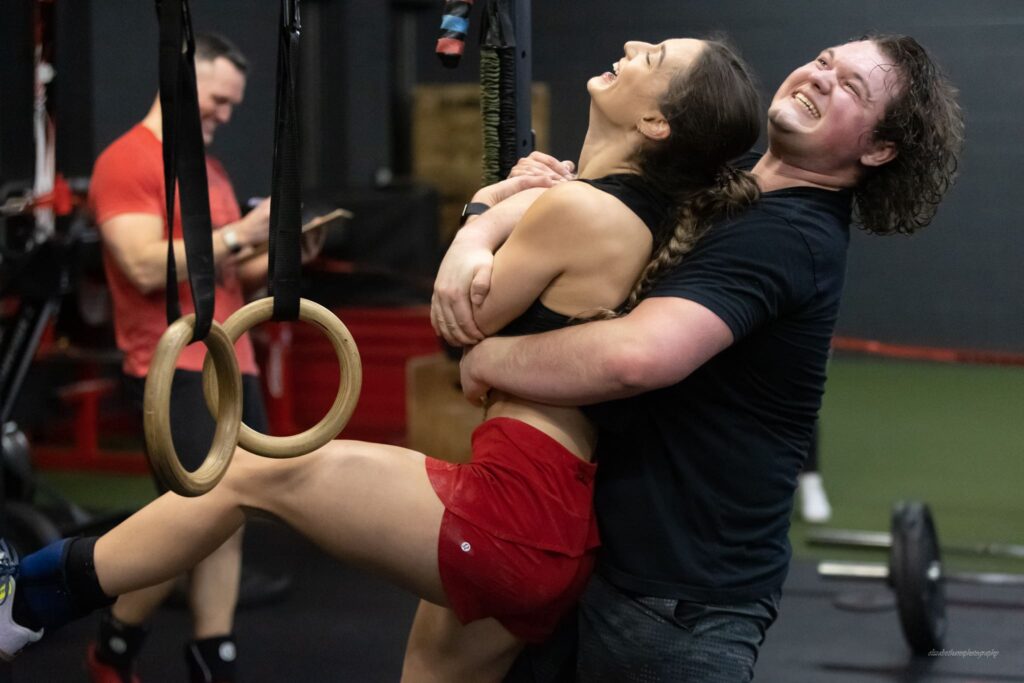
CrossFit is known for its strong community aspect. Workouts are typically done in group settings, fostering camaraderie and support among members. This can be motivating and help individuals stay committed to their fitness goals.
HIIT can be done in various settings, from group classes to solo workouts at home. While some HIIT classes may offer a community feel, the experience is generally less community-centric than CrossFit.
Accessibility and Scalability
CrossFit workouts can be scaled to different fitness levels, but the complexity of some movements may require coaching and practice. The cost of CrossFit memberships can also be a barrier for some individuals.
HIIT workouts are highly accessible and can be tailored to any fitness level. They require minimal equipment and can be performed at home, making them a cost-effective option.
Scientific Evidence and Effectiveness
CrossFit
Several studies have examined the effectiveness of CrossFit for improving fitness and health markers. A study published in the Journal of Strength and Conditioning Research found that CrossFit participants showed significant improvements in VO2 max (a measure of cardiovascular fitness) and body composition after 10 weeks of training. Another study highlighted that CrossFit training led to significant increases in strength and endurance compared to traditional resistance training programs.
HIIT
HIIT has been extensively researched and proven effective for improving cardiovascular fitness, metabolic health, and fat loss. A review in the British Journal of Sports Medicine found that HIIT can improve VO2 max to a similar extent as traditional endurance training, despite shorter workout durations. Additionally, HIIT has been shown to reduce abdominal fat and improve insulin sensitivity more effectively than moderate-intensity continuous exercise.
Key Takeaways
| Key Aspect | CrossFit | HIIT |
|---|---|---|
| Workout Structure | Varied WODs combining strength, cardio, and skills | Interval training with high and low-intensity periods |
| Primary Goals | Overall fitness (strength, endurance, flexibility) | Cardiovascular fitness, fat loss, metabolism boost |
| Community | Strong, supportive community in CrossFit boxes | Less community-oriented, can be done solo |
| Scalability | Scalable but requires learning complex movements | Highly scalable, suitable for all fitness levels |
| Time Commitment | Typically 1-hour sessions | Shorter sessions (20-30 minutes) |
| Cost | Higher cost for memberships | Generally lower cost, minimal equipment needed |
CrossFit vs HIIT: Which Should You Do?
Personal Fitness Goals
If your primary goal is to achieve well-rounded fitness, including strength, endurance, and flexibility, CrossFit may be more suitable. It offers varied workouts that target different fitness components and can keep you engaged with its ever-changing routines.
If you are looking to improve cardiovascular fitness, burn fat, and have limited time for workouts, HIIT is an excellent choice. Its efficient, high-intensity format can deliver substantial benefits in a shorter time frame.
Lifestyle and Preferences

Consider your lifestyle and workout preferences. CrossFit requires a commitment to attending classes at specific times and may involve a higher cost. However, the community aspect can be highly motivating.
HIIT offers more flexibility, as workouts can be done at home or in a gym setting, with or without equipment. This makes it easier to fit into a busy schedule.
Health and Fitness Level
For those new to exercise or with certain medical conditions, HIIT may be easier to start with due to its scalability and shorter duration. However, it’s essential to ensure proper form and adequate recovery to avoid injury.
CrossFit may be more challenging for beginners due to the complexity of some movements and the intensity of the workouts. Starting with a beginner’s class or working with a coach can help mitigate this.
Conclusion
CrossFit and HIIT both offer unique benefits and can significantly improve your fitness. The choice between the two depends on your fitness goals, lifestyle, and personal preferences. CrossFit’s varied, community-oriented approach is ideal for those seeking comprehensive fitness development and a supportive environment. HIIT’s time-efficient, versatile format is perfect for those looking to maximize fat loss and cardiovascular fitness with shorter workouts. Whichever you choose, consistency and proper technique are key to achieving your fitness goals.
References
- Smith, M. M., Sommer, A. J., Starkoff, B. E., & Devor, S. T. (2013). CrossFit-based high-intensity power training improves maximal aerobic fitness and body composition. Journal of Strength and Conditioning Research, 27(11), 3159-3172.
- Heinrich, K. M., Spencer, V., Fehl, N., & Poston, W. S. (2012). Mission essential fitness: comparison of functional circuit training to traditional Army physical training for active duty military. Military Medicine, 177(10), 1125-1130.
- Gibala, M. J., Little, J. P., Macdonald, M. J., & Hawley, J. A. (2012). Physiological adaptations to low-volume, high-intensity interval training in health and disease. Journal of Physiology, 590(5), 1077-1084.
- Weston, K. S., Wisløff, U., & Coombes, J. S. (2014). High-intensity interval training in patients with lifestyle-induced cardiometabolic disease: a systematic review and meta-analysis. British Journal of Sports Medicine, 48(16), 1227-1234.