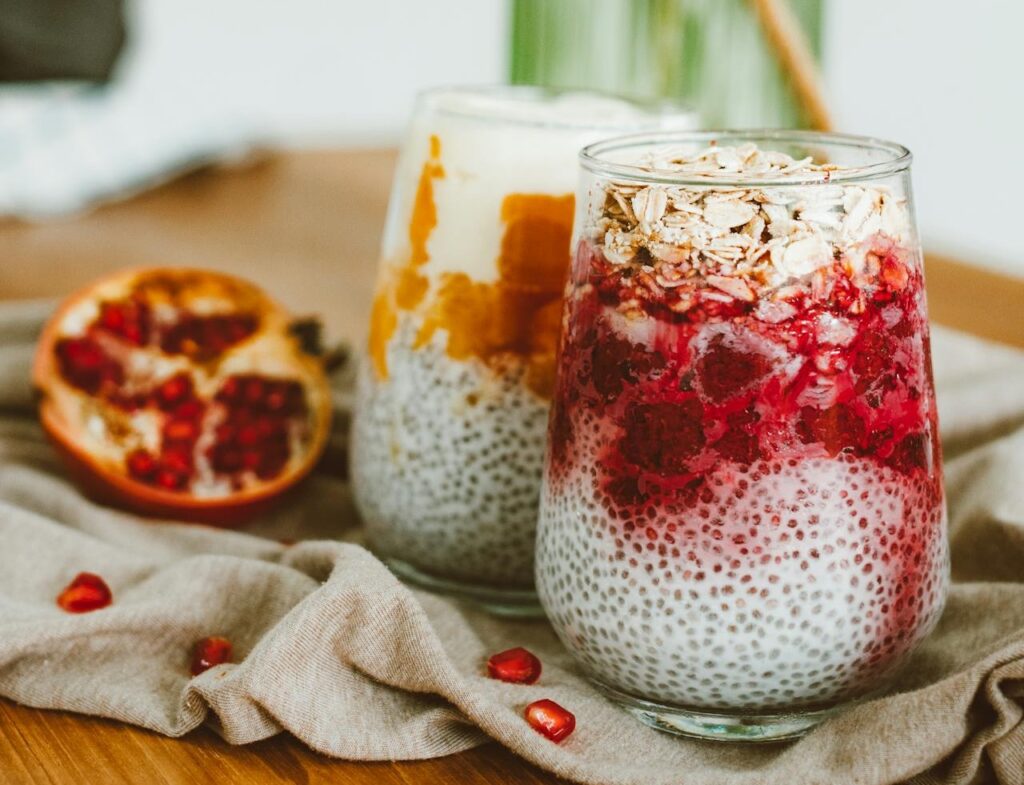
Of course, medications help a lot, but simple changes to your diet can naturally lower your cholesterol and boost your heart health. By embracing a heart-healthy diet, you can make significant strides in improving your lipid profile, lowering bad cholesterol, and raising good one. Here is a simple guide on how to lower cholesterol levels with healthy eating.
Increase Soluble Fiber Intake
Soluble fiber liquifies in water to create a gel-like substance. Then, this gel substance actually binds with cholesterol and bile acids in the intestines and blocks their reabsorption into the bloodstream. Instead, it boosts their excretion from the body, leaving you with less cholesterol in the blood.


Bile acids are, in fact, made from cholesterol. So, when soluble fiber promotes the excretion of bile acids, the liver draws more cholesterol from the blood to assemble new bile acids, resulting in reduced LDL cholesterol levels.

What’s more, soluble fiber acts as a prebiotic, feeding good gut bacteria. A healthy gut microbiome has a positive influence on cholesterol levels and overall health.
How to Increase Soluble Fiber Intake?
Oats and Barley: Incorporate oats and barley into your diet. Start your day with oatmeal or add oats to yogurt, smoothies, or baked goods. You can serve barley as a side dish, in soups, or as a base for salads. Actually, you can swap rice for barley in almost all recipes!
Legumes: Enrich your soups and stews with beans (black, kidney, navy, or pinto), or add them to salads and side dishes. Lentils are also staple in soups, stews, and salads, but you can use them as a meat substitute in tacos or burgers. Besides salads and stews, roasted chickpeas are the best option for crunchy snacks or blended in hummus.
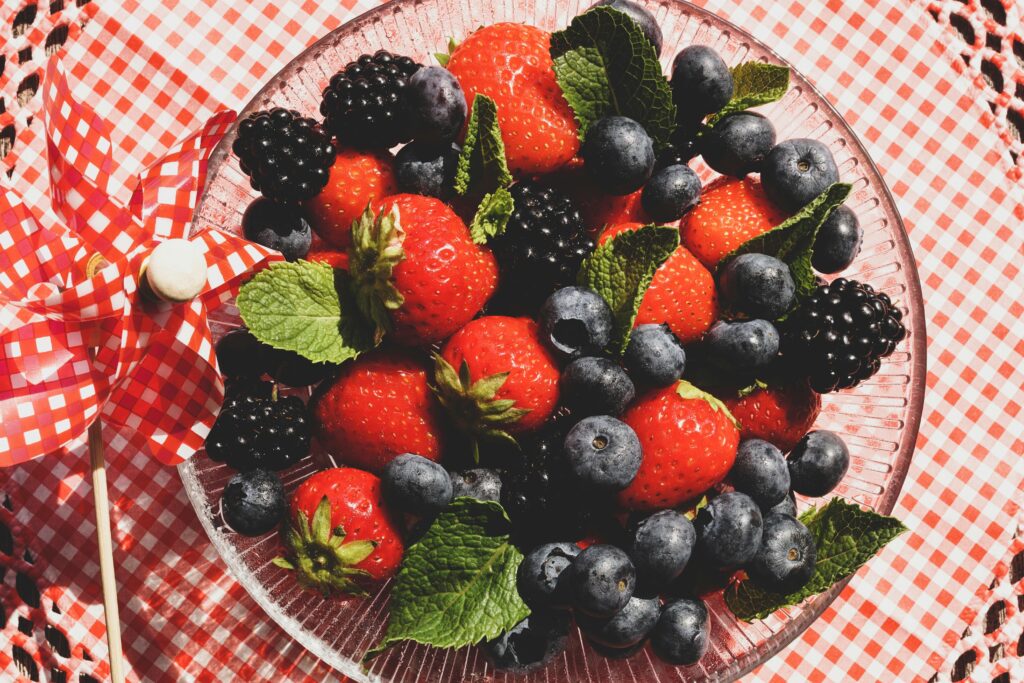
Fruits: Apples and pears are a welt of soluble fiber, but eat them whole, including the skin, for maximum amount. Citrus fruits like oranges, tangerines, and grapefruits are also stuffed with fiber, but opt for eating them rather than juicing them to retain the fiber. Last, but not least, berries (strawberries, blueberries, raspberries, and blackberries) are fabulous sources of soluble fiber.
Vegetables: Root vegetables, for instance, carrots, sweet potatoes, and beets are overflowing in soluble fiber. Enjoy them roasted, steamed, or in soups. The same stands for cruciferous vegetables (Brussels sprouts, broccoli, cauliflower), so add them to salads, stir-fries, or side dishes.
Nuts and Seeds: When it comes to seeds, the best soluble fiber sources are flaxseeds and chia seeds, as they both create a gel-like texture when mixed with water. Also, almonds, walnuts, and hazelnuts are flawless snack options abundant in fiber.
Psyllium: This is a higher-fiber supplement you can mix into water, smoothies, or sprinkle directly on food. It is amazing for boosting digestion and lowering cholesterol levels.
Opt for Healthy Fats
Healthy fats are unsaturated fats that have terrific benefits for heart health. They include monounsaturated and polyunsaturated fats, as well as omega-3 fatty acids.
Monounsaturated fats actually lower LDL (bad) cholesterol, while skyrocketing HDL (good) cholesterol. Besides, they provide essential nutrients and antioxidants, especially vitamin E. The best sources are olive oil, canola oil, peanut oil, avocados, nuts (almonds, cashews, peanuts), and seeds (pumpkin, sesame).
Polyunsaturated fats also lower LDL (bad) cholesterol. What’s more, they provide essential fatty acids that the body can’t fabricate – omega-3 and omega-6 fatty acids. Plus, they are fabulous for propping up cell growth and maintenance. You will find them in fatty fish (salmon, mackerel, sardines), flaxseeds, chia seeds, walnuts, and vegetable oils (sunflower, corn, soybean).

Omega-3 fatty acids are the holy grail of healthy fats. They have numerous health traits, as they reduce triglycerides, lower blood pressure, soothe inflammation, and skyrocket heart health by diminishing the risk of arrhythmias. So, include more fatty fish, flaxseeds, chia seeds, walnuts, and fish oil supplements in your diet.
Mechanism of Action
Healthy fats, in fact, replace saturated and trans (non-nutritional) fats in the diet, leading to less LDL cholesterol. They influence the liver to produce less LDL cholesterol and boost its removal from the blood. Mono and polyunsaturated fats increase HDL levels, which aids in transporting cholesterol from the arteries to the liver for excretion.
The biggest perk of omega-3 fatty acids is their anti-inflammatory effects that soothe inflammation in blood vessels – the greatest risk factor for heart disease. A diet abundant in healthy fats leads to a better equilibrium between LDL and HDL, reducing the overall risk of cardiovascular disease.
Besides their influence on cholesterol levels, omega-3s stabilize heart rhythms, preventing arrhythmias that provoke cardiac arrest. One thing is clear – healthy fats will skyrocket your overall well-being.
Eat More Plant-Based Foods
As explained thoroughly above, plant-based foods are loaded with soluble fiber and unsaturated fats, making them terrific choices to lower cholesterol levels in the blood. But, those are not only perks of plant-based foods! Here are a few more!
Plant Sterols and Stanols
Sterols and stanols are compounds with a structure similar to cholesterol. They are able to block the soaking up of dietary cholesterol in the intestines by battling with it for absorption sites. As you can see, this lessens the overall amount of cholesterol entering the bloodstream, which is great news!

You can find them naturally in fruits, vegetables, nuts, seeds, grains, and legumes, but also some fortified foods like orange juices and yogurt.
Antioxidants
Antioxidants are famous for their ability to neutralize free radicals, cutting down oxidative stress and inflammation. Those inflammations damage blood vessels and often result in plaque buildup in arteries, known as atherosclerosis. So, enrich your diet with antioxidant-rich ingredients like berries, leafy greens, nuts, seeds, and whole grains.
Choose Lean Proteins
Animal products are crammed with saturated fats which skyrocket levels of LDL cholesterol. However, it is best to eat them in moderation, but that doesn’t mean you have to cut off the meat completely from your diet. Lean proteins (lean meat included) contain significantly lower levels of saturated fats compared to high-fat animal proteins.
They are also more satiating, as they control appetite and reduce overall calorie intake. Healthy weight goes hand in hand with lower cholesterol levels because excess weight skyrockets LDL cholesterol and decreases HDL cholesterol.
Sources of Lean Proteins
- Meat: Skinless chicken and turkey breasts are low in saturated fat, while providing high-quality protein. Pork tenderloin, beef sirloin, or round are also excellent choices.
- Fish and Seafood: Fatty fish like salmon, trout, mackerel, sardines, and tuna are jammed with omega-3 fatty acids. They lower triglycerides, soothe inflammation, and actually better HDL cholesterol levels.
- Legumes: Beans, lentils, peas, and chickpeas are all abundant in protein and soluble fiber. They are amazing for reducing LDL cholesterol and promoting heart health.
- Eggs: Egg whites are one of the best sources of lean protein but without the cholesterol from yolks. Of course, whole eggs, in moderation, are also a part of a healthy diet.
- Low-Fat Dairy Products: Skim milk, low-fat yogurt, and low-fat cheese are stuffed with protein.
Reduce Dietary Cholesterol
Reducing dietary cholesterol is actually an easy task, just choose the right ingredients. Here is a short guide to help you make better decisions!
Limit Foods High in Dietary Cholesterol
- Egg Yolks: It is best to limit consumption of whole eggs. Instead, focus on consuming more egg whites.
- Organ Meats: If you can, absolutely avoid the ingestion of organ meats like liver, kidney, and heart, which are naturally super high in cholesterol.
- Shellfish: Some kinds of shellfish (e.g., lobster and shrimp) are, in fact, abundant in cholesterol. So, swap those for salmon or trout.
Reduce Saturated Fats
As said above, saturated fats increase your body’s cholesterol production.
- Red and Processed Meats: Choose lean cuts of meat and reduce consumption of processed meats like sausages, bacon, and salami.
- Dairy Products: Opt for low-fat or fat-free sorts of milk, yogurt, cheese, and other dairy produce.
- Cooking Oils: Instead of butter or lard, use oils modest in saturated fats, such as olive oil or canola oil.
Eliminate Trans Fats
Trans fats are the worst out of all fat types. They significantly raise LDL cholesterol and cut down HDL cholesterol. Thus, avoiding them is crucial for heart health. So, skip foods with ‘partially hydrogenated oils” in the ingredient list, such as some margarine, snack foods, and baked goods.
Adopt Heart-Healthy Eating Patterns
- Mediterranean Diet: This is one of the best diets for cardiovascular health. It emphasizes fruits, vegetables, whole grains, legumes, nuts, and healthy fats, particularly olive oil and fish.
DASH Diet: The DASH diet is world-famous and designed just to lower blood pressure and cholesterol. It focuses on fruits, vegetables, whole grains, lean protein, and low-fat dairy.
Limit Added Sugar and Refined Carbs
High intake of added sugars and refined carbs results in increased levels of triglycerides – a type of fat found in the blood. When you consume more sugar than your body needs for energy, the surplus converts it into triglycerides and stores it into fat cells. Elevated triglyceride levels are a huge risk factor for cardiovascular disease.
Enjoying large amounts of refined carbs and sugars stirs up insulin resistance, where the body’s cells become less responsive to insulin. Insulin resistance is thick as thieves with higher levels of LDL cholesterol and triglycerides, leading to metabolic syndrome. The syndrome includes high blood pressure and sugar, superfluity body fat around the waist, and abnormal cholesterol levels.