When it comes to maintaining a healthy diet, understanding which foods to avoid is just as important as knowing which ones to include. In this article, we’ll explore seven common foods that can have detrimental effects on your health and provide healthier alternatives to incorporate into your diet. Many of these foods are staples in the average diet, often perceived as harmless or even healthy, but they can actually contribute to a range of health issues from obesity to heart disease.
In supermarkets around the world, shoppers fill their carts with items that are cleverly marketed as nutritious or convenient but are, in reality, laden with hidden sugars, unhealthy fats, and artificial ingredients. The consequences of consuming these foods regularly can be severe, leading to conditions such as insulin resistance, inflammation, and digestive distress. Understanding why these foods are harmful and finding healthier alternatives is crucial for anyone looking to improve their health and well-being.


This guide will delve into why these foods are best avoided, exploring the science behind their negative impacts on the body. We will also highlight suitable substitutes that not only satisfy cravings but also provide essential nutrients. By making informed choices, you can enjoy a balanced diet that supports your overall health and wellness goals.
The information for this article is based on the knowledge of Dr Eric Berg DC, a chiropractor, health coach, and author based in Alexandria, Virginia. He has a YouTube channel with over 11 million subscribers in which he shares videos on various health and wellness topics, including fitness.
Table of Contents
7 Foods to Avoid and Their Healthier Alternatives
1. Liquid Sugar
Why You Should Avoid It
Liquid sugar is often hidden in beverages like sodas and fruit juices, making it a common but overlooked source of excessive sugar intake. Both soda and juice contain high levels of sugar, with fruit juice sometimes containing even more than some sodas. This sugar is typically in the form of fructose, which can be particularly harmful as it does not trigger the same fullness signals in the brain as glucose does. Consuming high amounts of fructose can lead to obesity, type 2 diabetes, and liver disease.
Healthier Alternatives
Instead of sugary drinks, consider replacing them with water, herbal teas, or beverages like Zevia, a popular zero-calorie soda alternative sweetened with stevia. If you enjoy fruit flavours, try infusing your water with fresh fruits or opting for homemade smoothies with whole fruits and vegetables for natural sweetness and fibre.
Related: Is Diet Soda Bad For You?
2. Pasteurized Cheese Products
Why You Should Avoid It
Pasteurized cheese products, often labelled as “processed cheese,” contain less than 51% actual cheese, making them far from natural. These products are typically made with additives such as canola oil, milk protein concentrate, and modified food starch, which can include hidden sugars and unhealthy fats. They are designed to melt easily and have a long shelf life, which speaks to their high processing levels.
Healthier Alternatives
Opt for real cheese varieties like cheddar, mozzarella, or Swiss, which are rich in calcium and other nutrients without unnecessary additives. When selecting cheese, look for those labeled as “raw” or “grass-fed” for higher quality and nutritional value.
3. Protein Bars
Why You Should Avoid It
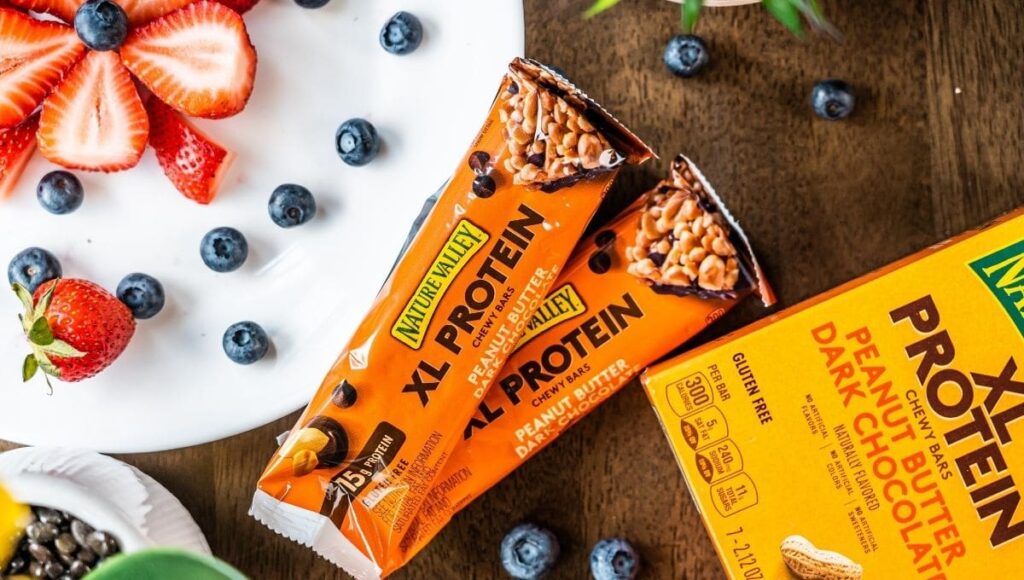
Protein bars are often marketed as healthy snacks, but many contain more sugar than a candy bar. Ingredients like soy protein isolate, maltodextrin, and various syrups are common, making these bars a cocktail of highly processed components. The sugar content can range from 30g to 47g per bar, with hidden starches further spiking your blood sugar levels.
Healthier Alternatives
Instead of protein bars, reach for whole food options like nuts, seeds, or hard-boiled eggs for portable protein. If you prefer a bar, look for those with minimal ingredients and natural sweeteners, such as RXBARs or LÄRABARs, which use dates for sweetness.
How To Save Money and Make Your Own Delicious Protein Bars At Home
4. Seed Oil Mayonnaise
Why You Should Avoid It
Most commercially available mayonnaise contains soybean oil, a type of seed oil that undergoes multiple chemical processes and can be inflammatory due to its high omega-6 content. Consuming seed oils regularly can contribute to inflammation and is linked to various chronic diseases.
Healthier Alternatives
Choose mayonnaise made with avocado oil, such as those from brands like Primal Kitchen or Chosen Foods. These options are lower in omega-6 fatty acids and contain healthier fats that support heart health.
5. Sweetened and Flavoured Yoghurt

Why You Should Avoid It
Flavoured yoghurts are often packed with added sugars and artificial ingredients, sometimes containing more sugar per ounce than ice cream. This added sugar feeds harmful bacteria in the gut, negating the probiotic benefits yoghurt is supposed to provide.
Healthier Alternatives
Opt for plain, whole-fat Greek yoghurt or Bulgarian yoghurt for a probiotic boost without added sugars. You can sweeten it naturally with fresh fruit, a drizzle of honey, or a sprinkle of cinnamon.
6. Soy Protein
Why You Should Avoid It
Soy protein is frequently used in processed foods due to its low cost but can cause digestive issues and may contain traces of harmful chemicals from its processing. Additionally, most soy is genetically modified and may have residual pesticides.
Healthier Alternatives
Choose proteins from whole sources like grass-fed meat, wild-caught fish, free-range eggs, and legumes such as lentils and chickpeas, which provide fibre and essential nutrients.

7. Modified Starches
Why You Should Avoid It
Modified starches are heavily processed ingredients used as fillers in many packaged foods. They act like sugar in the body, spiking blood sugar levels and contributing to insulin resistance. Commonly found in baked goods and sauces, they offer no nutritional benefit.
Healthier Alternatives
Opt for whole foods like sweet potatoes, quinoa, and whole grains that provide natural starches along with fiber and nutrients. These options are less processed and have a lower impact on blood sugar.
Conclusion
Avoiding certain foods is an essential step towards improving health and preventing chronic diseases. By understanding the harmful effects of these foods and opting for healthier alternatives, you can make informed choices that benefit your well-being. Transitioning to a diet that prioritizes whole, minimally processed foods can significantly enhance your health, supporting everything from weight management to digestive health.
Remember, small changes in your diet can lead to substantial improvements in your overall health. By swapping out harmful foods for nutritious alternatives, you’re investing in a healthier future. This guide serves as a foundation for making better dietary choices that align with your health goals.
Key Takeaways
| Food to Avoid | Healthier Alternative |
|---|---|
| Liquid Sugar | Water, herbal tea, fruit-infused water |
| Pasteurized Cheese Products | Real cheese (cheddar, mozzarella, Swiss) |
| Protein Bars | Nuts, seeds, hard-boiled eggs |
| Seed Oil Mayonnaise | Avocado oil mayonnaise |
| Sweetened and Flavored Yogurt | Plain Greek or Bulgarian yogurt with fresh fruit |
| Soy Protein | Grass-fed meat, wild-caught fish, legumes |
| Modified Starches | Sweet potatoes, quinoa, whole grains |