Balancing a busy work schedule and professional life can make healthy eating seem like a daunting task for professionals. However, it is essential to nourish your body and keep your energy levels sky-high, stay productive, and feel your best. So, here are 5 healthy eating tips for busy professionals to give you all nutrients quickly and effectively.
Meal Prep
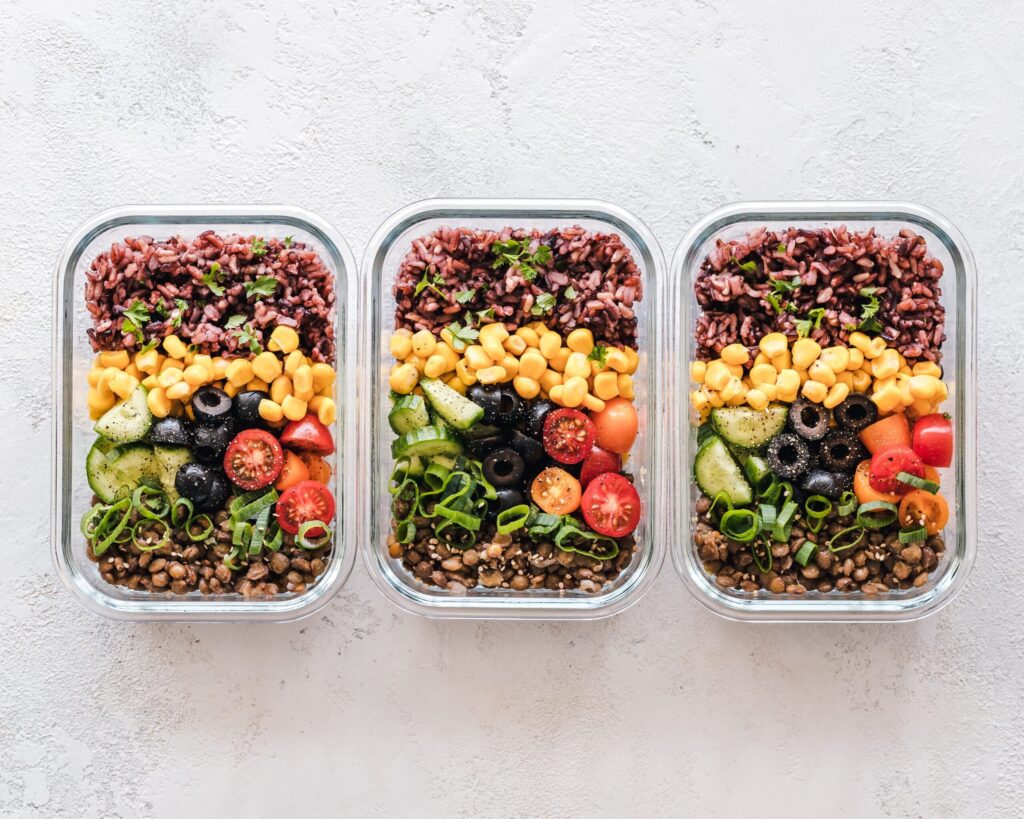
Determining one day a week to prepare a whole batch of meals is actually a superb idea. It requires time, but only for one day! Ultimately, it will save you tons of time throughout the week and won’t mess with your busy schedule.


Time Efficiency
Cooking large batches of food at once cuts down the total amount of time spent in the kitchen. For instance, you can cook a large pot of chili or a sheet of roasted vegetables to use throughout the week. Also, don’t forget the magic of multi-tasking – while one dish is cooking, prep other ingredients and maximize your kitchen time.
That way, you will be able to cook large quantities of food in a fraction of the time!
Also, prepping meals in advance doesn’t mean you will be eating cold lunches for seven days. Cook foods that are easy to reheat in the microwave, oven, or stovetop. These are quick and healthy solutions for busy days, which will still take you less time than cooking from scratch.
Moreover, chopping vegetables in advance is a top-notch meal-prep task. That way, you will be able to throw together a salad or stir-fry promptly. Also, cooking base ingredients that are stored well in advance is one of the best decisions, as you can have cooked quinoa, rice, or chicken on hand, for example, to simplify meal assembly.
Portion Control
Something as simple as pre-portioning meals is a great hack to keep yourself on track. This ensures you’re eating the right amount of food, which helps with weight management. You will be positive each meal is nutritionally balanced with fair amounts of protein, carbs, and fats.
Choose the right ingredients to make balanced meals:
Protein: lean meats, tofu, legumes
Carbohydrates: whole grains, starchy vegetables
Fats: avocado, nuts, olive oil
Vegetables: a variety of colors and types to ensure a range of nutrients.
Reducing Temptation
Heaving ready-to-eat meals in the fridge reduces the urge to grab fast food or convenience snacks, which don’t have great nutritional value. So, keep cut veggies, hummus, nuts, and fruits always available for quick, healthy snacking.
Cost-Effective
Buying ingredients like grains, beans, and proteins in bulk lessens the cost per meal. What’s more, buying seasonal fruits and vegetables is usually cheaper and more nutritious. Prepping with specific portions in mind actually reduces food waste and saves money.
Don’t forget to utilize leftovers in a creative way so you can stretch your grocery budget further.
Stress Reduction
Decision fatigue is a real thing! Pre-planned meals eliminate the daily stress of picking what to eat. Knowing your meals are ready reduces anxiety about maintaining a healthy diet and gives you peace of mind.
Supports Dietary Goals
Every person has different needs and dietary goals, so meal prep is an amazing tool to achieve them. You can tailor meals to fit your dietary needs, such as low-carb, high-protein, or low-sodium. That way, you can boost your overall health and use food as medicine!
What’s more, customizing meals ensures they are safe for people with food allergies or intolerances. Pre-portioned meals make it super simple to track calorie and nutrient intake while maintaining the right balance between proteins, fats, and carbohydrates.
Last but not least, consistent meal planning and preparation will become a habit, making it easier to adhere to dietary goals in the long term.
Healthy Snacks
Concentration and energy drops while working or studying hard are some of the biggest triggering factors for binge eating, usually non-nutritious foods like sweets or fast food. But having healthy snacks on hand at every moment is the chief trick for maintaining a balanced diet in the long run.
Prevents Overeating
Eating small, healthy snacks throughout the day prevents extreme hunger, which often leads to overeating at main meals. Those snacks will act like fuel, but a highly nutritious one. Moreover, regular snacking keeps your blood sugar levels stable, cutting down the likelihood of sugar cravings and binge eating!
Even though they are nutritious, those snacks can come off super caloric, too. So, to prevent consuming excessive calories but still manage hunger, pre-portioning snacks is a way to go!
Steady Energy
Healthy snacks that combine protein, healthy fats, and carbohydrates offer a steady source of energy. That way, you will skip the mid-day slump. Snacks with a low glycemic index, such as nuts or whole grains, release energy slowly, blocking the crash that follows high-sugar snacks.
Nutrient Density
Highly nutritious snacks like fruits, vegetables, nuts, and yogurt provide tons of essential nutrients that you may miss in main meals. Snacking allows you a greater variety of foods, contributing to a more balanced and nutrient-rich diet. To achieve this, opt for whole, unprocessed snacks to maximize nutrient intake and avoid added sugars, salts, and unhealthy fats.
Also, focus on high-fiber snacks like fruits, vegetables, and whole grains. They skyrocket digestive health and feelings of satiety.
Enhancing Mental Focus and Performance
When a person works a lot, the brain calls for a steady supply of glucose to function optimally. Healthy snacks come to the rescue here to maintain this supply, boosting concentration and productivity. What’s more, snacks like walnuts and flaxseeds are stuffed with omega-3 fatty acids, which care about brain health and cognitive function.
Practical Examples of Healthy Snacks
- Apple Slices with Almond Butter: Provides fiber, vitamins, and healthy fats.
- Carrot and Celery Sticks with Hummus: Rich in fiber, vitamins, and protein.
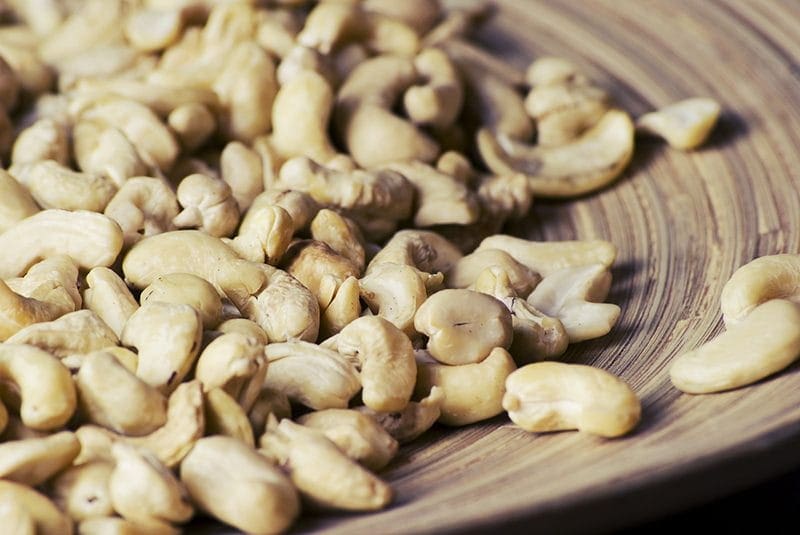
- Mixed Nuts: A combination of almonds, walnuts, and cashews offers protein, healthy fats, and minerals.
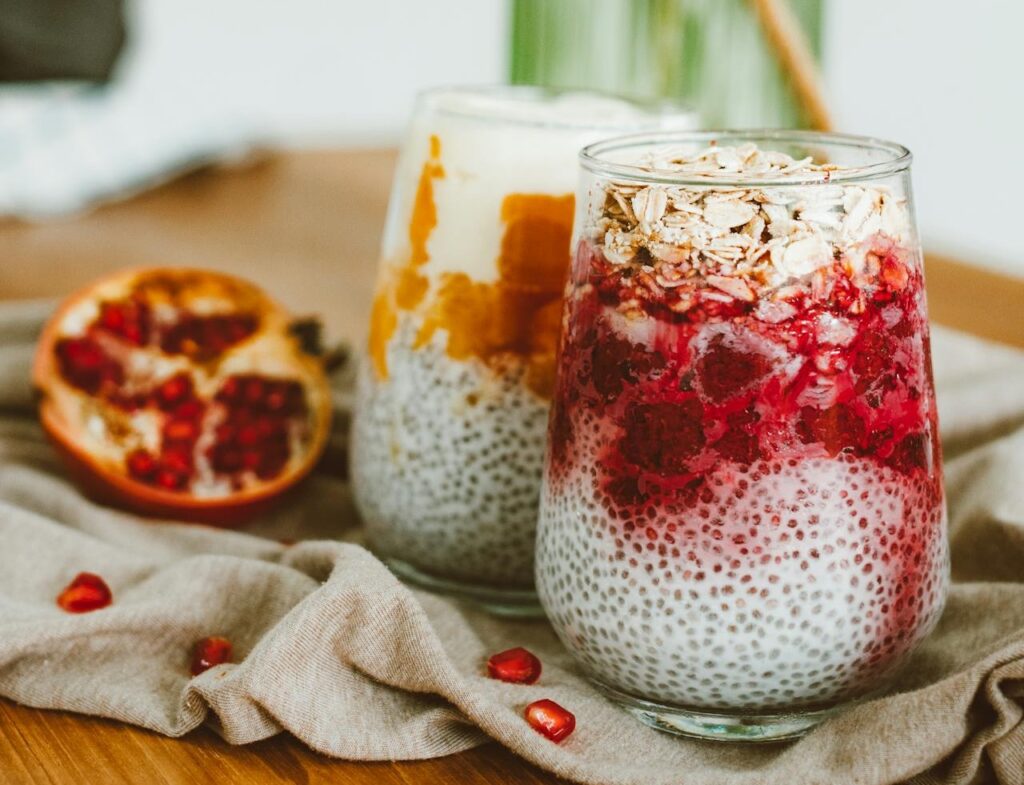
- Chia Pudding: Chia seeds submerged in almond milk with a drizzle of honey and berries offer fibers, protein, and omega-3s.
- Greek Yogurt with Berries: High in protein and antioxidants.
Cottage Cheese with Pineapple: Gives you protein and essential vitamins. - Whole Grain Crackers with Cheese: A balanced snack with complex carbs and protein.
- Oatmeal with Nuts and Fruit: Loaded with fiber, protein, and healthy fats.
- Roasted Chickpeas: Crunchy snack high in protein and fiber.
- Edamame: Steamed edamame beans are a fabulous source of protein and fiber.
Simplify Meals
Simplifying meals is an effective strategy to skyrocket healthy eating habits! The best option is to focus on versatile ingredients you can use in multiple dishes, such as chicken, quinoa, spinach, and sweet potatoes. Plus, keep a selection of seasonings and sauces basic, so you can mix and match without overwhelming any ingredients.
Look for recipes with fewer ingredients to keep preparation and cooking straightforward. Also, stick to basic cooking methods like roasting, grilling, and steaming, as they are both healthy and time-effective.
Practical Examples of Simplified Meals
Breakfast:
- Overnight Oats: Mix oats with milk or yogurt and top with fruit and nuts.
- Avocado Toast: Whole-grain toast garnished with mashed avocado, a dash of salt, and a dribble of lime juice.

Lunch/Dinner:
- Grain Bowls: Combine quinoa or brown rice with protein (chicken or tofu) and vegetables (roasted or raw), topped with a simple dressing.
- Sheet Pan Meals: Arrange protein (salmon, chicken thighs) and vegetables (broccoli, carrots) on a baking sheet, season, and roast until cooked.
Choose Healthy Convenience Foods
Most healthy convenience foods are pre-cooked or require minimal preparation, saving you tons of time. There are also healthy frozen meals that demand quick microwaving only, providing a fast alternative to cooking from scratch.
Look for convenience foods made from whole, slightly processed ingredients, preserving their nutritional value. What’s more, some varieties are fortified with additional vitamins and minerals to skyrocket their nutritional profile. Anyway, there are far better quick options than takeout or foods packed with salt and sugar.
Practical Examples of Healthy Convenience Foods
Breakfast:
- Greek Yogurt: A quick, protein-rich option. Pair it with fruit and nuts.
- Instant Oatmeal: Look for low-sugar varieties and enrich them with fresh or dried fruits for an extra kick.
- Smoothie Packs: Pre-packaged smoothie mixes that only require blending with milk (or any liquid you fancy).
Lunch/Dinner:
- Pre-Made Salads: Pre-washed and pre-cut salads with included dressings and toppings.
- Rotisserie Chicken: A ready-to-eat protein that you can incorporate in various dishes.
Snacks:
- Fruit Cups: Pre-packaged cups of fruit in their juice or water, not syrup.
- Hummus Packs: Single-serving hummus with pretzels or vegetables.
Portable Meals
When preparing your foods, pick out the recipes that are easy to pack up and go. Of course, invest in good, leak-proof containers, preferably glass or insulated, that are easy to carry. Portable meals encourage mindful eating habits, as you are more likely to focus on what you are consuming rather than eating mindlessly.
Examples of Portable Meals
Breakfast:
- Overnight Oats: Merry oats with milk or yogurt and fruits, then refrigerate overnight in a portable container.
- Egg Muffins: Bake eggs with vegetables and cheese in a muffin tin and store them in a container for easy transport.
Lunch/Dinner
- Salad Jars: Layer vegetables, grains, and proteins in a jar with dressing on the bottom to keep it fresh.
- Wraps and Sandwichs: Whole grain wraps or sandwiches with lean protein, vegetables, and healthy spreads.