Muscle hypertrophy is the process by which muscles increase in size. It is a primary goal for many athletes and fitness enthusiasts who wish to enhance their muscular strength and aesthetics. Achieving optimal hypertrophy requires a strategic approach to exercise selection and execution. Recent research has shed light on specific exercises that can maximize muscle growth by targeting different muscle groups effectively.
This article, based on a video shared by House of Hypertrophy, explores the key exercises for optimizing muscle hypertrophy, focusing on the findings from a study that compared the effects of different exercises on muscle growth and how these principles can be applied to other muscles such as the triceps and biceps.


Table of Contents
New Study on Exercise Choice Could Change Your Workout
A Comparative Study on Muscle Hypertrophy
A study involving 28 trained individuals examined the effects of different exercises on muscle hypertrophy by comparing the leg press with the leg extension and the straight-leg calf raise with the bent-leg calf raise. Each participant performed all four exercises, allowing the researchers to control for genetic, nutritional, and lifestyle factors that might influence muscle growth. This design enabled a more accurate comparison of the exercises’ effectiveness on specific muscle groups.
The exercises were performed in a rep range of 8 to 12 to ensure participants reached muscle failure, a crucial factor for stimulating hypertrophy. Muscle growth was measured in two heads of the quadriceps: the rectus femoris and the vastus lateralis. It was found that the rectus femoris grew more effectively with the leg extension, while the vastus lateralis responded better to the leg press. Similarly, calf muscle growth was assessed in the lateral and medial gastrocnemius and the soleus muscles. The lateral and medial gastrocnemius showed greater hypertrophy with the straight-leg calf raise, while the soleus exhibited similar growth in both exercises.
The Only 5 Exercises You Need to Look Super Jacked
Principles for Maximizing Muscle Hypertrophy
Principle 1: Understanding Biarticular Muscles
Biarticular muscles are those that cross two joints, such as the rectus femoris and gastrocnemius. These muscles can experience suboptimal hypertrophy if one of their functions opposes a movement in a compound exercise. For example, the rectus femoris is involved in knee extension and hip flexion. During a leg press, which requires hip extension, the rectus femoris may not contract optimally because its hip flexion function opposes the exercise’s movement.
To optimize hypertrophy in biarticular muscles, it is essential to include isolation exercises that target these muscles directly, ensuring they are not limited by opposing functions during compound movements. The study’s findings highlight the importance of the leg extension exercise for the rectus femoris, as it allows for full activation without the conflicting demands of hip extension.
Principle 2: Positioning for Longer Muscle Lengths
The second principle involves positioning biarticular muscles to place them at longer lengths, which appears to enhance hypertrophy. This is because muscles generate more force and experience greater tension when stretched, leading to more effective hypertrophy. For instance, the straight-leg calf raise positions the gastrocnemius at a longer length, avoiding active insufficiency and allowing for more substantial growth compared to the bent-leg calf raise.
Applying this principle to other muscles can enhance their growth potential. For the hamstrings, seated leg curls with hip flexion can lengthen the muscle more than lying leg curls, leading to greater hypertrophy. Similarly, leaning back during leg extensions can increase the rectus femoris length, promoting more growth.
Application to Other Muscle Groups
Triceps Brachii
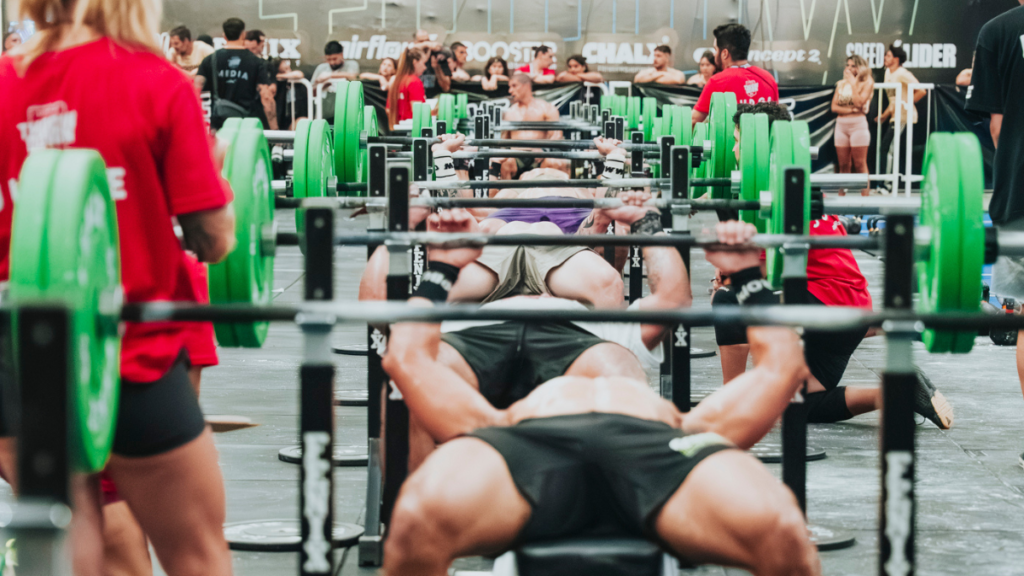
The triceps consist of three heads, with the long head being biarticular as it crosses both the elbow and shoulder joints. Compound pushing exercises like the bench press may suboptimally target the long head due to its involvement in shoulder extension, which opposes the shoulder flexion required in these exercises.
To maximize triceps hypertrophy, especially in the long head, isolation exercises such as overhead triceps extensions can be incorporated. These exercises position the shoulders in a flexed position, lengthening the long head and allowing it to contract more forcefully.
10 Terrible Things To Do Before A Workout
Biceps Brachii
The biceps have two heads, both crossing the elbow and shoulder joints. While they are primarily known for elbow flexion, they also assist in shoulder flexion and abduction. During compound pulling exercises like pull-ups and rows, the shoulder extension opposes the biceps’ shoulder flexion function, potentially limiting their activation.

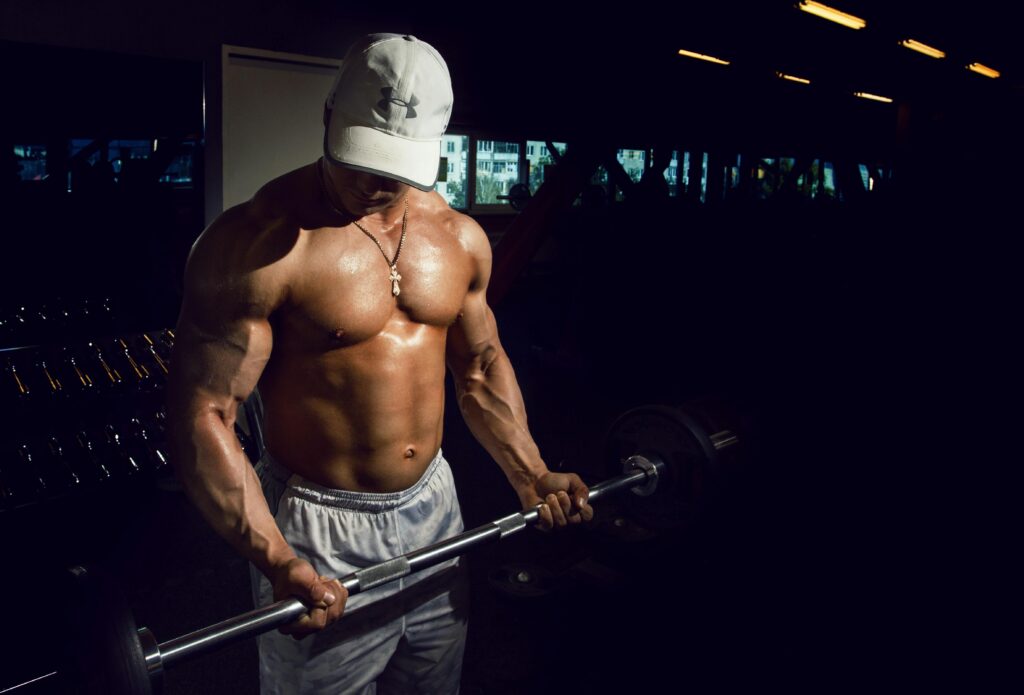
Although some argue that compound pulling exercises are effective for biceps growth, direct isolation exercises like biceps curls with a supinated grip may provide more optimal hypertrophy. This is because curls specifically target the biceps without the opposing movements present in compound exercises.
Optimizing Exercise Selection for Muscle Hypertrophy
To achieve maximum muscle hypertrophy, it is crucial to strategically select exercises that consider the functional anatomy of the target muscles. This involves understanding the role of biarticular muscles and how they can be effectively trained using principles such as avoiding opposing functions and positioning muscles at longer lengths. The following exercise recommendations can help optimize muscle growth:
- Quadriceps:
- Leg Extension: Focus on rectus femoris growth.
- Leg Press or Squats: Target vastus lateralis and other monoarticular quadriceps heads.
- Calves:
- Straight-Leg Calf Raise: Maximize gastrocnemius growth.
- Bent-Leg Calf Raise: Target the soleus if needed.
- Triceps:
- Overhead Triceps Extensions: Emphasize long head hypertrophy.
- Triceps Pushdowns: Include for overall triceps development.
- Biceps:
- Biceps Curls: Use supinated grip to enhance activation.
- Incline Dumbbell Curls: Position biceps at longer lengths for greater growth.
Conclusion
Understanding the principles of muscle hypertrophy and the role of biarticular muscles can significantly enhance the effectiveness of your training program. By incorporating isolation exercises that target specific muscle functions and positioning muscles at longer lengths, you can optimize muscle growth and achieve your hypertrophy goals. The study’s findings provide valuable insights into how different exercises affect muscle growth, highlighting the importance of exercise selection in a well-rounded hypertrophy program.
Key Takeaways:
| Key Takeaway | Description |
|---|---|
| Biarticular Muscles | Biarticular muscles may experience suboptimal hypertrophy in compound exercises if one of their functions opposes the movement. |
| Exercise Selection | Include isolation exercises for biarticular muscles to optimize hypertrophy. |
| Muscle Length | Positioning muscles at longer lengths can enhance hypertrophy by avoiding active insufficiency. |
| Application to Muscles | Apply principles to triceps, biceps, and other muscle groups to maximize growth. |
| Quadriceps and Calves | Leg extensions and straight-leg calf raises are effective for targeting specific muscle heads. |
References
Exercise Selection Differentially Influences Lower Body Regional Muscle Development
Triceps surae muscle hypertrophy is greater after standing versus seated calf-raise training
Nonuniform muscle hypertrophy: its relation to muscle activation in training session
Single-Joint Exercise Results in Higher Hypertrophy of Elbow Flexors Than Multijoint Exercise
Single vs. Multi-Joint Resistance Exercises: Effects on Muscle Strength and Hypertrophy
Actions of the Biceps Brachii at the Shoulder: A Review
Inter-set stretch: A potential time-efficient strategy for enhancing skeletal muscle adaptations