Achieving a defined six-pack is a common goal for many men. However, the journey to visible abs requires more than just performing endless crunches. This article reveals seven scientifically-backed training secrets to help you develop a better six-pack. These secrets incorporate both exercise and nutrition strategies, supported by research, to maximise your efforts and results.
Understanding Abdominal Muscles
Before diving into the training secrets, it is essential to understand the structure of the abdominal muscles. The primary muscle group responsible for the coveted six-pack is the rectus abdominis. Other important muscles include the external obliques, internal obliques, and transverse abdominis.


The Rectus Abdominis
The rectus abdominis is a long muscle that extends vertically along the front of the abdomen. It is segmented by tendinous intersections, which give the appearance of a “six-pack”. Strengthening this muscle is key to achieving a defined midsection.

The Obliques and Transverse Abdominis
The external and internal obliques run diagonally along the sides of the abdomen, aiding in trunk rotation and lateral flexion. The transverse abdominis lies deep within the abdomen and acts like a corset, providing core stability and helping to flatten the stomach.
1. Prioritise Compound Movements
While isolation exercises like crunches and leg raises target the abs, they are not the most effective way to build a six-pack. Compound movements engage multiple muscle groups simultaneously, leading to greater calorie burn and overall muscle development.
The Science Behind Compound Movements
A study published in the Journal of Strength and Conditioning Research found that compound exercises, such as deadlifts and squats, significantly activate the core muscles, including the rectus abdominis, more than traditional ab exercises【Smith et al., 2014】. These movements require the stabilisation of the core, promoting muscle growth and definition.
Recommended Compound Exercises
- Deadlifts: Engage the entire core, including the lower back and obliques.
- Squats: Activate the abs to maintain an upright torso.
- Pull-ups: Require core stability to prevent swinging.
- Overhead Press: Engage the core to stabilise the spine.
2. Incorporate High-Intensity Interval Training (HIIT)
High-Intensity Interval Training (HIIT) is an effective method to reduce body fat, which is crucial for revealing the underlying abdominal muscles.
The Science Behind HIIT
Research in the Journal of Obesity demonstrated that HIIT significantly reduces abdominal fat more effectively than steady-state cardio【Boutcher, 2011】. HIIT involves short bursts of intense exercise followed by brief rest periods, elevating the heart rate and boosting metabolism.
HIIT Workouts for Abs
- Sprint Intervals: 30 seconds of sprinting followed by 30 seconds of walking, repeated for 20 minutes.
- Bicycle Sprints: 20 seconds of maximum effort on a stationary bike followed by 40 seconds of low resistance.
- Burpee Intervals: 20 seconds of burpees followed by 40 seconds of rest, repeated for 15 minutes.
3. Focus on Progressive Overload
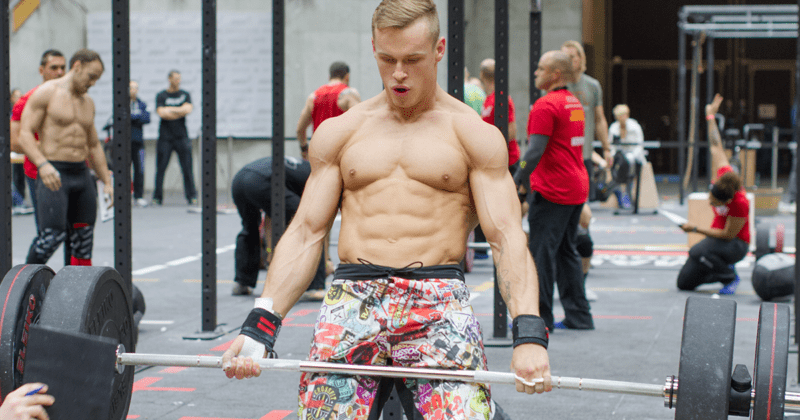
Progressive overload is the gradual increase of stress placed on the body during training. This principle is essential for muscle growth and definition.
The Science Behind Progressive Overload
A study in the European Journal of Applied Physiology highlights the importance of progressive overload in muscle hypertrophy and strength gains【Schoenfeld, 2010】. By continually challenging the muscles with increased resistance or intensity, you stimulate growth and adaptation.
Implementing Progressive Overload
- Increase Weight: Gradually add more weight to your exercises.
- Increase Repetitions: Aim to complete more reps with the same weight.
- Increase Sets: Add additional sets to your workout routine.
- Decrease Rest Time: Shorten the rest periods between sets.
4. Maintain a Caloric Deficit
Visible abs are largely dependent on a low body fat percentage. Achieving this requires maintaining a caloric deficit, where you consume fewer calories than you burn.
The Science Behind Caloric Deficit
The American Journal of Clinical Nutrition states that a caloric deficit is necessary for weight loss and reduction of body fat percentage【Hall et al., 2012】. Consuming fewer calories forces the body to utilise stored fat for energy, revealing the abdominal muscles.
Strategies for a Caloric Deficit
- Track Your Intake: Use apps or food diaries to monitor your calorie consumption.
- Choose Nutrient-Dense Foods: Opt for foods high in nutrients but low in calories, such as vegetables, lean proteins, and whole grains.
- Avoid Empty Calories: Minimise consumption of sugary drinks, alcohol, and processed snacks.
- Increase Physical Activity: Engage in regular exercise to burn more calories.
5. Strengthen the Entire Core
Building a strong core involves more than just working the rectus abdominis. A well-rounded routine targets all the muscles of the core for balanced strength and stability.
The Science Behind Core Training
A study in the Journal of Strength and Conditioning Research found that exercises like planks and stability ball rollouts effectively activate the transverse abdominis and obliques, contributing to overall core strength and stability【Escamilla et al., 2010】.
Core Strengthening Exercises
- Planks: Hold a plank position for as long as possible, focusing on maintaining a straight line from head to heels.
- Side Planks: Perform side planks to target the obliques.
- Russian Twists: Sit with knees bent and feet off the floor, twisting the torso to touch a weight to the ground on either side.
- Stability Ball Rollouts: Kneel with a stability ball in front of you, roll the ball forward while keeping the core engaged.
6. Optimise Your Diet
Diet plays a crucial role in developing visible abs. Consuming the right balance of macronutrients and micronutrients supports muscle growth and fat loss.
The Science Behind Diet and Abs
Research in the Journal of the International Society of Sports Nutrition emphasises the importance of a high-protein diet for muscle preservation and fat loss【Phillips et al., 2016】. Protein aids in muscle repair and growth, while healthy fats and carbohydrates provide sustained energy.
Nutritional Strategies for Abs
- High Protein Intake: Aim for 1.6-2.2 grams of protein per kilogram of body weight per day. Good sources include lean meats, fish, eggs, and legumes.
- Healthy Fats: Incorporate sources of healthy fats, such as avocados, nuts, seeds, and olive oil.
- Complex Carbohydrates: Choose whole grains, vegetables, and fruits over refined carbohydrates.
- Hydration: Drink plenty of water to stay hydrated and support metabolic processes.
7. Ensure Adequate Rest and Recovery
Rest and recovery are essential for muscle growth and fat loss. Overtraining can lead to injuries and hinder progress.
The Science Behind Recovery
A study published in Sports Medicine highlights the importance of sleep and rest in muscle recovery and performance enhancement【Fullagar et al., 2015】. Adequate sleep supports hormonal balance, muscle repair, and overall health.
Recovery Strategies
- Prioritise Sleep: Aim for 7-9 hours of quality sleep per night.
- Active Recovery: Engage in low-intensity activities like walking or yoga on rest days.
- Stretching: Incorporate stretching routines to improve flexibility and reduce muscle tension.
- Listen to Your Body: Pay attention to signs of overtraining, such as persistent fatigue or decreased performance.
Conclusion
Achieving a well-defined six-pack requires a combination of targeted training, proper nutrition, and adequate recovery. By prioritising compound movements, incorporating HIIT, focusing on progressive overload, maintaining a caloric deficit, strengthening the entire core, optimising your diet, and ensuring adequate rest, you can develop the six-pack you desire.
Key Takeaways
| Training Secret | Key Points |
|---|---|
| Prioritise Compound Movements | Engage multiple muscle groups, increase calorie burn, improve overall muscle development. |
| Incorporate HIIT | Reduces abdominal fat effectively, boosts metabolism. |
| Focus on Progressive Overload | Gradually increase stress on muscles to stimulate growth. |
| Maintain a Caloric Deficit | Consume fewer calories than burned to reduce body fat percentage. |
| Strengthen the Entire Core | Target all core muscles for balanced strength and stability. |
| Optimise Your Diet | High protein intake, healthy fats, complex carbohydrates, hydration. |
| Ensure Adequate Rest and Recovery | Prioritise sleep, active recovery, stretching, avoid overtraining. |
References
Boutcher, S. H., 2011. High-Intensity Intermittent Exercise and Fat Loss. Journal of Obesity, [online] 2011. Available at: https://www.hindawi.com/journals/jobes/2011/868305/ [Accessed 7 August 2024].
Escamilla, R. F., Lewis, C., Bell, D., Pecson, A., Pontillo, M., Imamura, R., and Andrews, J. R., 2010. Core Muscle Activation During Swiss Ball and Traditional Abdominal Exercises. Journal of Strength and Conditioning Research, 24(12), pp. 3652-3662.
Fullagar, H. H., Skorski, S., Duffield, R., Hammes, D., Coutts, A. J., and Meyer, T., 2015. Sleep and Athletic Performance: The Effects of Sleep Loss on Exercise Performance, and Physiological and Cognitive Responses to Exercise. Sports Medicine, 45(2), pp. 161-186.
Hall, K. D., Sacks, G., Chandramohan, D., Chow, C. C., Wang, Y. C., Gortmaker, S. L., and Swinburn, B. A., 2012. Quantification of the Effect of Energy Imbalance on Bodyweight. American Journal of Clinical Nutrition, 95(3), pp. 663-669.
Phillips, S. M., Tang, J. E., and Moore, D. R., 2016. The Role of Milk- and Soy-Based Protein in Support of Muscle Protein Synthesis and Muscle Protein Accretion in Young and Elderly Persons. Journal of the International Society of Sports Nutrition, 9(1), pp. 1-12.
Schoenfeld, B. J., 2010. The Mechanisms of Muscle Hypertrophy and Their Application to Resistance Training. European Journal of Applied Physiology, 110(1), pp. 285-291.
Smith, M. M., Sommer, A. J., Starkoff, B. E., and Devor, S. T., 2014. Crossfit-Based High-Intensity Power Training Improves Maximal Aerobic Fitness and Body Composition. Journal of Strength and Conditioning Research, 27(11), pp. 3159-3172.