As men age, maintaining and building muscle mass becomes increasingly challenging due to natural declines in testosterone and growth hormone levels. For men over 35, focusing on effective strategies to bulk up their arms is essential to counteract muscle loss and enhance physical appearance and strength. This article delves into five scientifically-backed methods to help men over 35 bulk up their arms more quickly.
1. Prioritise Compound Movements

The Importance of Compound Exercises
Compound exercises, which involve multiple joints and muscle groups, are essential for building overall muscle mass and strength. These exercises allow for the use of heavier weights, which is crucial for stimulating muscle growth through increased mechanical tension and metabolic stress.


Key Compound Movements for Arm Growth
- Bench Press: Targets the triceps and upper chest.
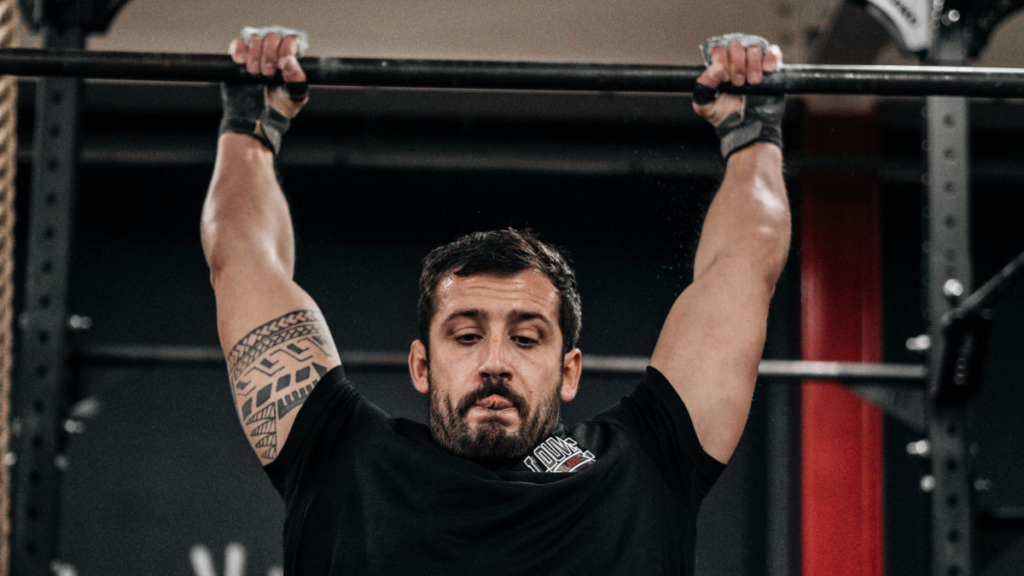
- Pull-Ups/Chin-Ups: Focuses on the biceps and back muscles.
- Dips: Primarily work the triceps, chest, and shoulders.
- Rows: Engage the biceps and back muscles.
Scientific Backing
Research indicates that compound movements elicit a greater hormonal response, particularly in the release of testosterone and growth hormone, compared to isolation exercises (Kraemer et al., 1990). These hormones play a pivotal role in muscle hypertrophy and overall strength gains.
2. Incorporate Progressive Overload
Understanding Progressive Overload
Progressive overload involves gradually increasing the stress placed on muscles during exercise. This can be achieved by lifting heavier weights, increasing the number of repetitions, or reducing rest times between sets.
Implementing Progressive Overload
- Increase Weight: Aim to increase the weight you lift by 2-5% each week.
- Add Repetitions: Once a weight becomes manageable, add 1-2 more repetitions.
- Reduce Rest Intervals: Shorten rest periods by 10-15 seconds to maintain intensity.
Scientific Backing
Studies have shown that progressive overload is a critical factor in muscle hypertrophy. Without consistent increases in stress, muscles adapt and cease to grow (Schoenfeld, 2010).
3. Optimise Nutrition for Muscle Growth

Protein Intake
Adequate protein intake is essential for muscle repair and growth. Aim for 1.6-2.2 grams of protein per kilogram of body weight daily. Sources of high-quality protein include lean meats, fish, eggs, dairy products, and plant-based proteins like legumes and tofu.
Carbohydrates and Fats
- Carbohydrates: Provide the necessary energy for intense workouts. Focus on complex carbohydrates such as whole grains, fruits, and vegetables.
- Fats: Essential for hormone production and overall health. Include healthy fats from sources like avocados, nuts, seeds, and olive oil.
Scientific Backing
A review by Morton et al. (2018) highlights the importance of protein intake for muscle hypertrophy, particularly in conjunction with resistance training. Additionally, consuming a balanced diet with adequate macronutrients supports overall performance and recovery.
4. Ensure Adequate Recovery
The Role of Recovery in Muscle Growth
Muscles grow during rest, not while training. Adequate recovery is crucial to repair muscle fibres damaged during exercise and to facilitate growth.
Strategies for Optimal Recovery
- Sleep: Aim for 7-9 hours of quality sleep per night. Sleep deprivation can impair muscle recovery and growth.
- Active Recovery: Engage in low-intensity activities such as walking, stretching, or yoga to promote blood flow and reduce muscle soreness.
- Rest Days: Schedule at least 1-2 rest days per week to allow for full recovery.
Scientific Backing
Research by Czeisler et al. (2018) underscores the significance of sleep in muscle recovery and overall athletic performance. Furthermore, adequate recovery reduces the risk of overtraining and injuries (Kellmann, 2010).
5. Utilise Supersets and Drop Sets
Benefits of Advanced Training Techniques
Supersets (performing two exercises back-to-back without rest) and drop sets (continuing an exercise with lighter weights once muscle failure is reached) are advanced techniques that can intensify workouts and promote muscle hypertrophy.
Implementing Supersets and Drop Sets
- Supersets: Pair bicep and tricep exercises, such as bicep curls followed by tricep extensions.
- Drop Sets: Start with a heavy weight for bicep curls until failure, then immediately switch to a lighter weight and continue.
Scientific Backing
A study by Goto et al. (2004) found that advanced training techniques like supersets and drop sets can enhance muscle growth by increasing the total volume and intensity of workouts, leading to greater metabolic stress and muscle damage.

Conclusion
For men over 35, bulking up their arms requires a strategic approach that combines effective training methods, proper nutrition, and adequate recovery. By prioritising compound movements, incorporating progressive overload, optimising nutrition, ensuring adequate recovery, and utilising advanced training techniques, significant arm muscle growth can be achieved more quickly and efficiently.
Key Takeaways
| Strategy | Description | Key Points |
|---|---|---|
| Compound Movements | Utilise exercises involving multiple joints and muscle groups. | Bench Press, Pull-Ups, Dips, Rows |
| Progressive Overload | Gradually increase the stress on muscles through weight, reps, or rest. | Increase weight by 2-5%, add reps, reduce rest intervals |
| Optimise Nutrition | Ensure adequate protein, carbs, and fats intake for muscle growth. | 1.6-2.2g/kg protein, complex carbs, healthy fats |
| Adequate Recovery | Allow muscles to repair and grow through rest and low-intensity activities. | 7-9 hours of sleep, active recovery, scheduled rest days |
| Supersets and Drop Sets | Intensify workouts by pairing exercises or reducing weights after failure. | Bicep curls to tricep extensions, heavy to lighter weights post-failure |
References
- Czeisler, C.A., Buxton, O.M., Khalsa, S.B.S. (2018). The human circadian timing system and sleep–wake regulation. In Kryger, M.H., Roth, T., & Dement, W.C. (Eds.), Principles and Practice of Sleep Medicine (6th ed.). Elsevier.
- Goto, K., Ishii, N., Kizuka, T., & Takamatsu, K. (2004). The impact of metabolic stress on hormonal responses and muscle adaptations. Medicine & Science in Sports & Exercise, 36(7), 1154-1162.
- Kellmann, M. (2010). Preventing overtraining in athletes in high-intensity sports and stress/recovery monitoring. Scandinavian Journal of Medicine & Science in Sports, 20(Suppl 2), 95-102.
- Kraemer, W.J., Marchitelli, L., Gordon, S.E., Harman, E., Dziados, J.E., Mello, R., … & Fleck, S.J. (1990). Hormonal and growth factor responses to heavy resistance exercise protocols. Journal of Applied Physiology, 69(4), 1442-1450.
- Morton, R.W., Murphy, K.T., McKellar, S.R., Schoenfeld, B.J., Henselmans, M., Helms, E., … & Phillips, S.M. (2018). A systematic review, meta-analysis and meta-regression of the effect of protein supplementation on resistance training-induced gains in muscle mass and strength in healthy adults. British Journal of Sports Medicine, 52(6), 376-384.
- Schoenfeld, B.J. (2010). The mechanisms of muscle hypertrophy and their application to resistance training. Journal of Strength and Conditioning Research, 24(10), 2857-2872.