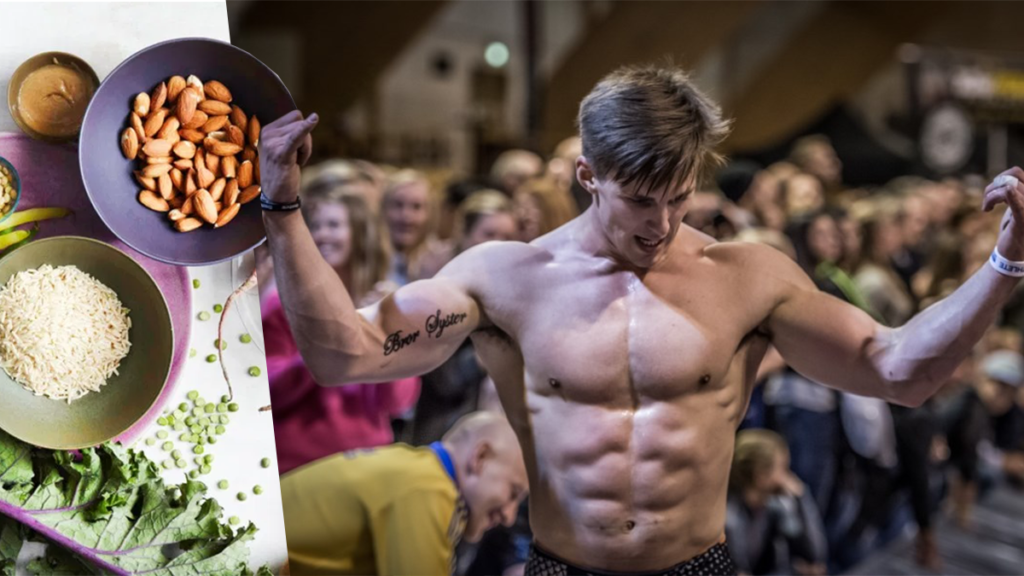
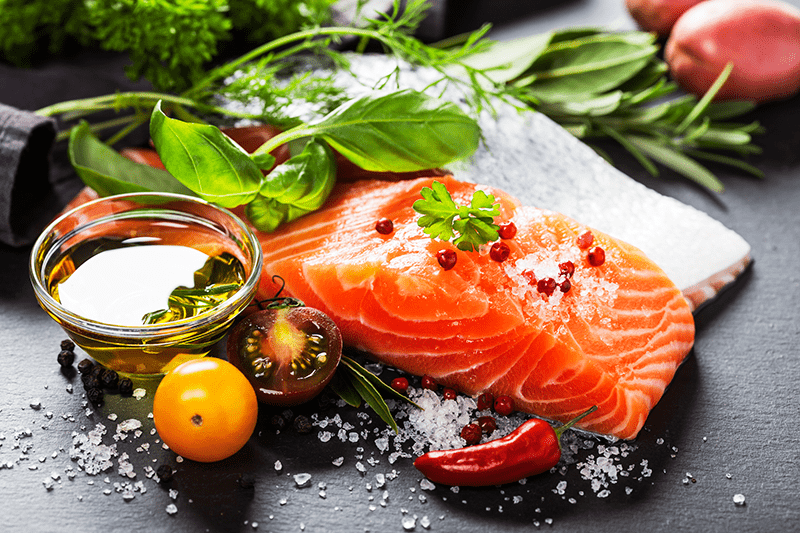
When it comes to achieving your fitness goals, whether it’s performance or aesthetics, what you eat plays a crucial role. But are you fueling your body the right way to reach those goals? Many fitness enthusiasts often find themselves confused about the best diet strategies for their specific objectives. Let’s break down the key differences between eating for performance and eating for aesthetics, and how you can tailor your diet to better align with your goals.
Are You Eating Wrong for Your Goals? Performance vs. Aesthetics: What’s the Difference?
Before diving into the specifics of diet, it’s important to understand the difference between training for performance and training for aesthetics.


Performance-focused training is all about optimizing your body’s ability to perform physical tasks. This could mean lifting heavier weights, running faster, or enduring longer. It’s about how efficiently and effectively your body can execute these tasks, often in a competitive or race setting.
On the other hand, aesthetics-focused training is centered around how your body looks. This includes muscle definition, symmetry, and overall body composition. The goal is to achieve a specific physique, focusing on visual results rather than performance metrics.
Fueling for Performance: Carbs Are Your Best Friend
If your primary goal is to enhance your physical performance, carbohydrates should be a significant part of your diet. Carbs are your body’s primary energy source, and they are crucial for maintaining the energy levels needed for demanding workouts and training sessions.
According to the American College of Sports Medicine, athletes should consume 6 to 10 grams of carbohydrates per kilogram of body weight per day to maintain optimal energy levels for training. For example, if you weigh 70 kilos (about 155 pounds), you should aim for 420 to 700 grams of carbohydrates daily.
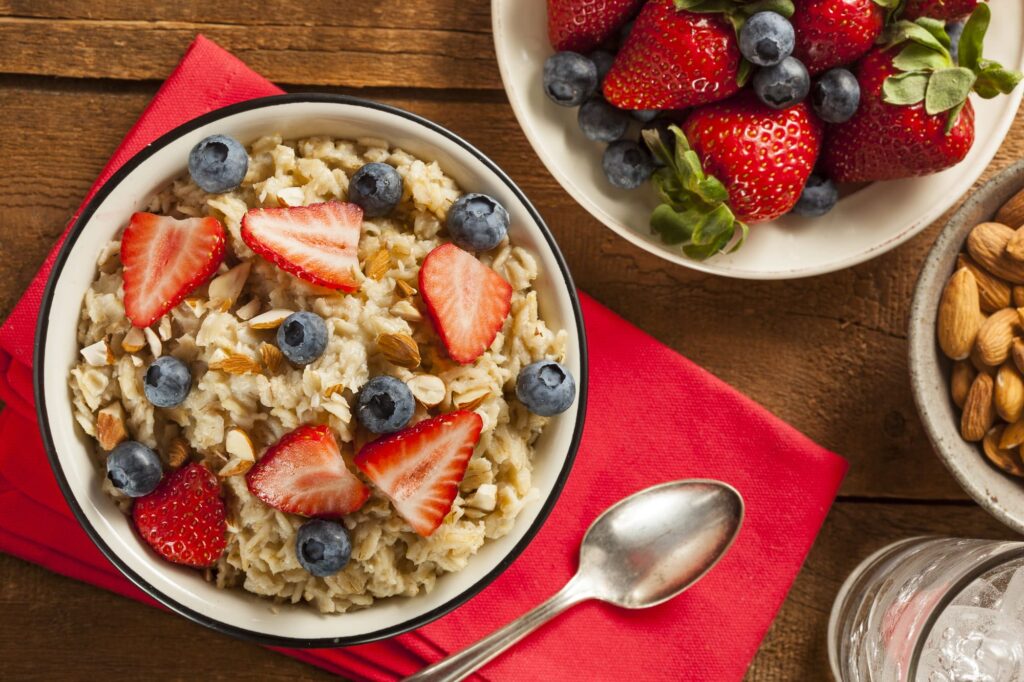
During intense training, such as preparing for the CrossFit Games, carbohydrate intake can range between 400 to 500 grams daily. This includes sources like whole grains, fruits, and vegetables. Pre-workout meals might consist of oatmeal, bagels with banana, honey, and nut butter to provide sustained energy for long training sessions.
Training for performance sometimes requires less “clean” carbs to sustain the volume and intensity of your workouts. The focus is on keeping your glycogen stores full, so your energy levels remain high during intense physical activity.
Fueling for Aesthetics: Caloric Deficit is Key
Achieving a leaner look often requires being in a caloric deficit, which means consuming fewer calories than you burn. According to the Mayo Clinic, reducing your caloric intake by 500 to 600 calories per day can help you lose about 1 to 2 pounds per week. For example, if your maintenance calories are around 2,500 per day, you should aim to consume between 1,900 to 2,000 calories to gradually shed body fat.
Tracking your intake using apps can help ensure you stay within your caloric goals without feeling deprived. Aesthetic-focused dieting is more of a science, and the more you can dial in and stay on track, the better your results will be.

Protein: Crucial for Both Performance and Aesthetics
Whether you’re aiming for performance or aesthetics, protein plays a vital role in your diet. For performance, protein supports muscle repair and recovery. The International Society of Sports Nutrition recommends that athletes in intense training aim for 1.4 to 2.0 grams of protein per kilogram of body weight per day. For a 70-kilo individual, that’s about 98 to 140 grams of protein daily.
For aesthetics, particularly during a cutting phase, protein helps maintain muscle mass while you’re in a caloric deficit. It also keeps you feeling fuller longer, making it easier to stick to your nutrition plan. A study published in the American Journal of Clinical Nutrition suggests that a higher protein intake can help preserve lean body mass during weight loss phases. Aiming for 1.6 to 2.4 grams of protein per kilogram of body weight is beneficial for those focusing on aesthetics.
Balancing Macronutrients: Carbs, Protein, and Fats
While protein often takes center stage, balancing carbohydrates and fats is equally important. Carbs provide energy for your workouts, while healthy fats are vital for hormone production and overall health. Cutting carbs and fats too low can disrupt your hormones and hinder your progress.
For those training for performance, a balanced macronutrient ratio might be around 40% carbs, 30% protein, and 30% fats. If you’re consuming 2,000 calories per day, this equates to around 200 grams of carbs, 150 grams of protein, and 67 grams of fat.
For aesthetics, the focus might shift slightly more towards protein and a bit less on carbs and fats, depending on how your body responds to different macronutrient ratios.
Hydration: Often Overlooked but Essential
Staying hydrated is critical for both performance and aesthetics. Dehydration can significantly impair your physical capabilities and slow down your recovery. Athletes should aim to drink about 5 to 6 ounces of water per pound of body weight per day. For a 150-pound individual, that’s 75 to 90 ounces of water daily.
Practical Tips: Meal Planning and Consistency
Meal prepping can be a game-changer for sticking to your dietary goals. Preparing meals in advance ensures you get the right nutrients and helps prevent unhealthy food choices when time is tight. Batch cooking on weekends and using containers to store individual portions can save time and keep you on track during the week.
Healthy snacks like nuts, fruits, and yogurt should be readily available to avoid reaching for less nutritious options.
Final Thoughts: Aligning Nutrition with Your Goals
Ultimately, the key to success in your fitness journey is aligning your nutrition with your training cycles and goals. Whether you’re training for performance or aesthetics, understanding how to fuel your body properly is crucial. Remember, it’s possible to combine both approaches strategically by adjusting your diet to support your current training phase.
By dialing in your nutrition, staying consistent, and making informed choices, you’ll be well on your way to achieving your fitness goals, whatever they may be.
You will also like:
7 Rules of Healthy Eating That Are ALWAYS True
The 5 Easiest Tricks to Get More Protein into Your Diet (and Build Muscle Faster)