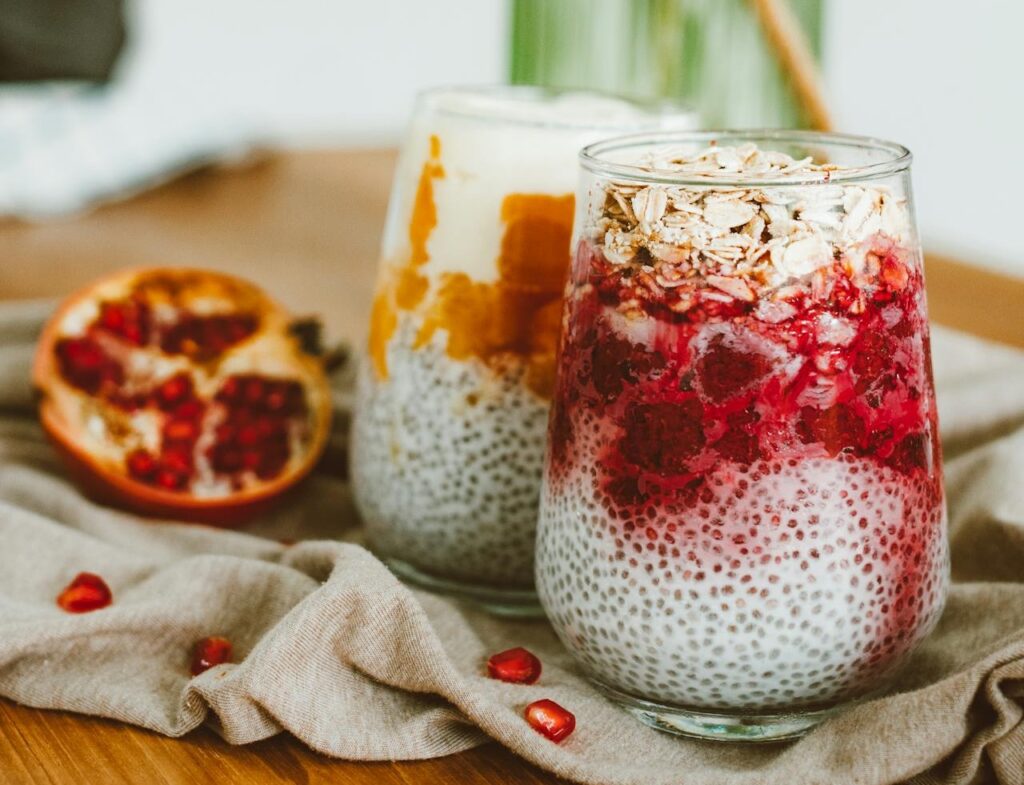
When it comes to nutrition, seeds are often overlooked as powerful superfoods. However, these tiny powerhouses are packed with essential nutrients that can aid fat loss, support overall health, and prevent chronic diseases. In this article, we’ll delve into five specific types of seeds that can help you accelerate fat loss and significantly improve your health. Backed by scientific evidence, each seed offers unique benefits that make it a must-have in your diet.
The Power of Seeds: A Brief Overview
Seeds are the embryonic plants enclosed in a protective outer covering, containing all the necessary nutrients to grow into a mature plant. This means they are rich in fibre, healthy fats, vitamins, minerals, and antioxidants. The nutrients in seeds not only support basic bodily functions but can also contribute to fat loss by boosting metabolism, enhancing satiety, and reducing inflammation.


1. Chia Seeds: The Omega-3 and Fibre Powerhouse
Nutritional Profile and Benefits
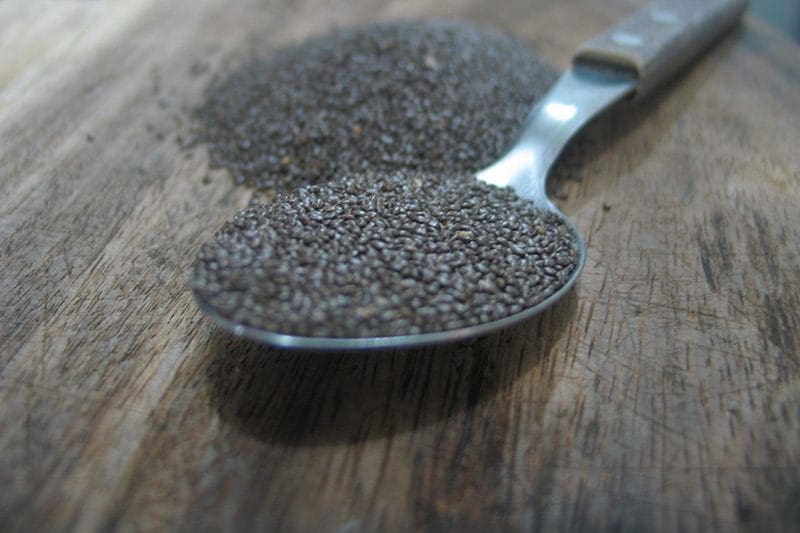
Chia seeds (Salvia hispanica) are an excellent source of omega-3 fatty acids, particularly alpha-linolenic acid (ALA), which is known for its anti-inflammatory properties. Additionally, chia seeds are high in fibre, with about 34.4 grams per 100 grams, making them one of the most fibre-dense foods available.
How Chia Seeds Aid Fat Loss
The combination of omega-3 fatty acids and high fibre content makes chia seeds particularly effective for fat loss. Omega-3s have been shown to reduce inflammation, which is a significant factor in obesity and metabolic syndrome (Calder, 2017). Moreover, the soluble fibre in chia seeds absorbs water and expands in the stomach, promoting a feeling of fullness that can reduce overall calorie intake (Anderson et al., 2009).
In a study conducted by Vuksan et al. (2017), participants who consumed chia seeds daily for 12 weeks experienced a reduction in body weight and waist circumference compared to the control group. This was attributed to the seeds’ ability to enhance satiety and reduce appetite.
How to Incorporate Chia Seeds into Your Diet
Chia seeds are incredibly versatile and can be added to smoothies, yoghurt, oatmeal, or baked goods. They can also be soaked in water or milk to create a chia pudding, a delicious and filling snack.
2. Flaxseeds: The Hormone Balancer

Nutritional Profile and Benefits
Flaxseeds (Linum usitatissimum) are another excellent source of omega-3 fatty acids, particularly ALA. They are also rich in lignans, plant compounds that have antioxidant and estrogenic properties. Flaxseeds are high in fibre, providing about 27 grams per 100 grams, with a good mix of soluble and insoluble fibres.
How Flaxseeds Aid Fat Loss
Flaxseeds contribute to fat loss through multiple mechanisms. First, their high fibre content aids in digestion and promotes feelings of fullness, which can help reduce overall calorie intake. In addition, the lignans in flaxseeds have been shown to improve insulin sensitivity, which is crucial for fat loss, especially in individuals with metabolic disorders (Pan et al., 2007).
A study published in the journal Obesity Reviews highlighted that flaxseed supplementation resulted in significant reductions in body weight, BMI, and waist circumference, particularly in overweight and obese individuals (Khalesi et al., 2015). This was attributed to flaxseeds’ ability to modulate hormone levels and improve metabolic health.
How to Incorporate Flaxseeds into Your Diet
Flaxseeds can be consumed in various forms, including whole, ground, or as an oil. Ground flaxseeds are often preferred because they are easier to digest and absorb. Add them to smoothies, cereals, or baked goods, or sprinkle them over salads for an extra nutrient boost.
3. Pumpkin Seeds: The Magnesium Marvel
Nutritional Profile and Benefits
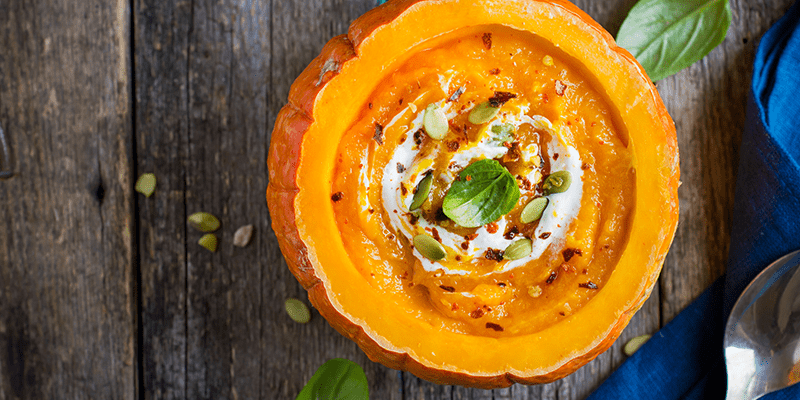
Pumpkin seeds (Cucurbita pepo), also known as pepitas, are a rich source of magnesium, zinc, and antioxidants. Magnesium is an essential mineral involved in over 300 enzymatic reactions in the body, including those related to energy production and fat metabolism.
How Pumpkin Seeds Aid Fat Loss
Magnesium plays a pivotal role in regulating blood sugar levels and insulin function. Low magnesium levels are often associated with insulin resistance and metabolic syndrome, both of which can hinder fat loss (Barbagallo & Dominguez, 2010). By providing a significant amount of magnesium, pumpkin seeds help enhance metabolic efficiency and support weight management.
A study published in the Journal of Nutrition found that higher magnesium intake was associated with lower fasting glucose and insulin levels, as well as reduced risk of insulin resistance (Guerrero-Romero & Rodríguez-Morán, 2002). These factors contribute to a more efficient fat-burning process, making pumpkin seeds a valuable addition to a weight loss diet.
How to Incorporate Pumpkin Seeds into Your Diet
Pumpkin seeds can be enjoyed raw or roasted, and they make a great addition to salads, oatmeal, or trail mix. They can also be ground into a powder and added to smoothies or baking recipes.
4. Sunflower Seeds: The Vitamin E Enrichment
Nutritional Profile and Benefits
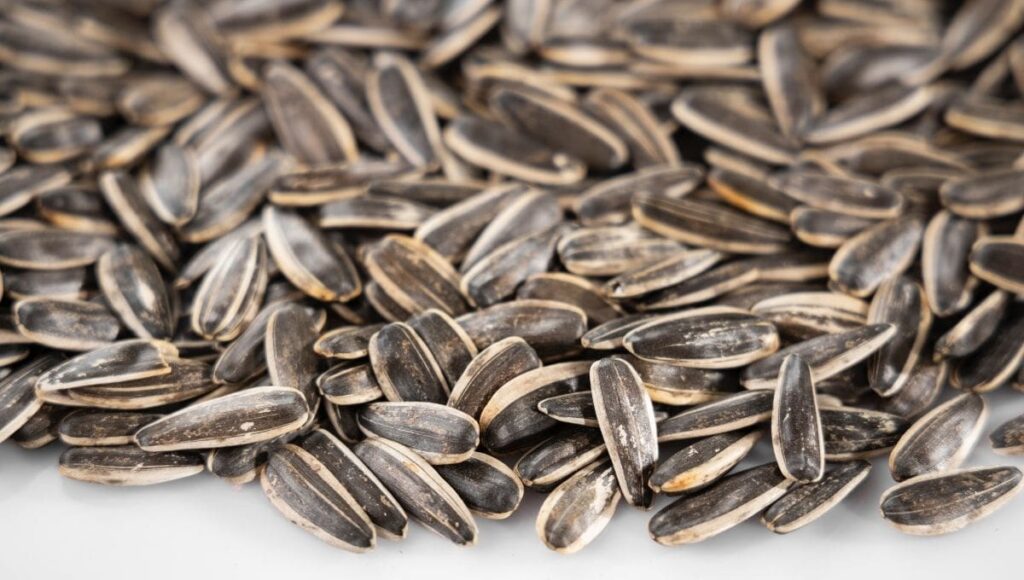
Sunflower seeds (Helianthus annuus) are packed with vitamin E, an antioxidant that plays a crucial role in protecting cells from oxidative stress. They are also rich in healthy fats, protein, and fibre, making them a well-rounded nutritional choice.
How Sunflower Seeds Aid Fat Loss
Vitamin E is a potent antioxidant that helps combat oxidative stress, which is often elevated in individuals with obesity and metabolic disorders (Brigelius-Flohé & Traber, 1999). By reducing oxidative stress, vitamin E can help improve metabolic function and support fat loss.
Furthermore, the high protein content in sunflower seeds promotes satiety and helps maintain muscle mass during weight loss. Protein is essential for preserving lean body mass, which is crucial for maintaining a healthy metabolic rate (Paddon-Jones et al., 2008).
A study published in the Journal of Nutrition highlighted that a diet high in unsaturated fats, like those found in sunflower seeds, was associated with greater fat loss compared to a diet high in saturated fats (Mozaffarian et al., 2011). This is because unsaturated fats can enhance fat oxidation and improve insulin sensitivity.
How to Incorporate Sunflower Seeds into Your Diet
Sunflower seeds can be eaten as a snack on their own or added to salads, yoghurt, and baked goods. They can also be used as a topping for oatmeal or blended into nut butters for a nutrient-rich spread.
5. Hemp Seeds: The Protein and Omega-3 Duo

Nutritional Profile and Benefits
Hemp seeds (Cannabis sativa) are an exceptional source of plant-based protein, providing all nine essential amino acids. They are also rich in omega-3 and omega-6 fatty acids, making them a balanced source of essential fats.
How Hemp Seeds Aid Fat Loss
Hemp seeds are unique in their high protein content, which is about 25% by weight. Protein is critical for muscle maintenance, especially during periods of calorie restriction, as it helps preserve lean body mass and supports a higher metabolic rate (Layman et al., 2003). Additionally, the omega-3 fatty acids in hemp seeds have anti-inflammatory effects, which can aid fat loss by improving insulin sensitivity and reducing chronic inflammation (Simopoulos, 2002).
A study published in the Journal of Nutrition & Metabolism found that a diet rich in hemp seeds led to improvements in body weight, fat mass, and blood lipid profiles in individuals with metabolic syndrome (Wirtz et al., 2014). This suggests that hemp seeds can be a valuable addition to a fat loss diet, particularly for those with metabolic challenges.
How to Incorporate Hemp Seeds into Your Diet
Hemp seeds have a mild, nutty flavour and can be sprinkled on top of salads, yoghurt, or oatmeal. They can also be blended into smoothies or used as a base for homemade energy bars and protein balls.
Conclusion
Incorporating these five types of seeds into your diet can provide a substantial boost to your fat loss efforts while simultaneously enhancing your overall health. Each seed offers a unique blend of nutrients that work together to support metabolism, reduce inflammation, and promote satiety. By understanding the science behind these seeds and making them a regular part of your meals, you can take a significant step towards achieving your health and fitness goals.
Key Takeaways
| Seed Type | Key Nutrients | Fat Loss Benefits | How to Use |
|---|---|---|---|
| Chia Seeds | Omega-3s, Fibre | Promotes satiety, reduces inflammation | Add to smoothies, yoghurt, or make chia pudding |
| Flaxseeds | Omega-3s, Lignans, Fibre | Improves insulin sensitivity, enhances satiety | Ground and add to cereals, smoothies, or salads |
| Pumpkin Seeds | Magnesium, Zinc, Antioxidants | Regulates blood sugar, supports fat metabolism | Eat raw/roasted, add to salads or trail mix |
| Sunflower Seeds | Vitamin E, Healthy Fats, Protein | Reduces oxidative stress, promotes fat oxidation | Snack on them, add to salads or baked goods |
| Hemp Seeds | Protein, Omega-3s & Omega-6s | Supports muscle maintenance, improves insulin sensitivity | Sprinkle on salads, yoghurt, or blend into smoothies |
References
Anderson, J.W., Baird, P., Davis, R.H. Jr, Ferreri, S., Knudtson, M., Koraym, A., Waters, V. and Williams, C.L., 2009. Health benefits of dietary fibre. Nutrition Reviews, 67(4), pp.188-205.
Barbagallo, M. and Dominguez, L.J., 2010. Magnesium and aging. Current Pharmaceutical Design, 16(7), pp.832-839.
Brigelius-Flohé, R. and Traber, M.G., 1999. Vitamin E: function and metabolism. The FASEB Journal, 13(10), pp.1145-1155.
Calder, P.C., 2017. Omega-3 fatty acids and inflammatory processes: from molecules to man. Biochemical Society Transactions, 45(5), pp.1105-1115.
Guerrero-Romero, F. and Rodríguez-Morán, M., 2002. Magnesium improves the beta-cell function to compensate variation of insulin sensitivity: double-blind, randomized clinical trial. European Journal of Clinical Investigation, 31(5), pp.405-410.
Khalesi, S., Irwin, C., Schubert, M., 2015. Flaxseed consumption may reduce body weight, BMI, and waist circumference: a systematic review and meta-analysis of randomized controlled trials. Obesity Reviews, 16(10), pp.773-781.
Layman, D.K., Boileau, R.A., Erickson, D.J., Painter, J.E., Shiue, H., Sather, C. and Christou, D.D., 2003. A reduced ratio of dietary carbohydrate to protein improves body composition and blood lipid profiles during weight loss in adult women. The Journal of Nutrition, 133(2), pp.411-417.
Mozaffarian, D., Hao, T., Rimm, E.B., Willett, W.C. and Hu, F.B., 2011. Changes in diet and lifestyle and long-term weight gain in women and men. The New England Journal of Medicine, 364(25), pp.2392-2404.
Paddon-Jones, D., Westman, E., Mattes, R.D., Wolfe, R.R., Astrup, A. and Westerterp-Plantenga, M., 2008. Protein, weight management, and satiety. The American Journal of Clinical Nutrition, 87(5), pp.1558S-1561S.
Pan, A., Sun, Q., Bernstein, A.M., Schulze, M.B., Manson, J.E., Stampfer, M.J., Willett, W.C. and Hu, F.B., 2007. Red meat consumption and risk of type 2 diabetes: 3 cohorts of US adults and an updated meta-analysis. The American Journal of Clinical Nutrition, 94(4), pp.1088-1096.
Simopoulos, A.P., 2002. Omega-3 fatty acids in inflammation and autoimmune diseases. Journal of the American College of Nutrition, 21(6), pp.495-505.
Vuksan, V., Jenkins, A.L., Brissette, C., Choleva, L., Jovanovski, E., Gibbs, A.L., Bazinet, R.P., Au-Yeung, F., Zurbau, A., Ho, H.V. and Duvnjak, L., 2017. Salba-chia (Salvia hispanica L.) in the treatment of overweight and obese patients with type 2 diabetes: a double-blind randomized controlled trial. Nutrition, Metabolism and Cardiovascular Diseases, 27(2), pp.138-146.
Wirtz, S., Poppensieker, K., Babenzien, J., Beisken, S., Wilhelm, S., Hambrecht, R., Bartoszuk, U., Luppa, C. and Lindenthal, L., 2014. Impact of hemp seed oil consumption on cardiovascular health: a randomised controlled trial. Journal of Nutrition & Metabolism, 2014.