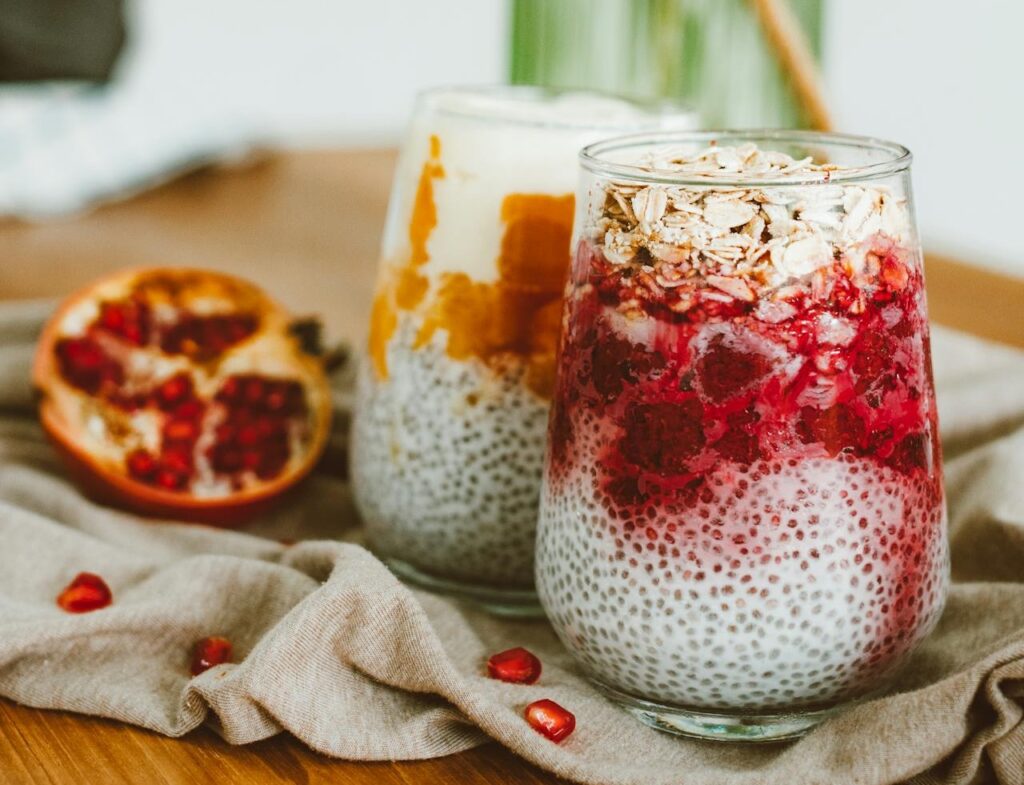
Nutrition is everything about finding a balance that works for you, where you can enjoy delicious meals while gradually shedding those extra pounds. Creating a sustainable weight loss meal plan isn’t about following the latest diet trend or depriving yourself of the foods you love, and here is how to do so! A meal plan that is effective, nutritious, and realistic is the only thing you need!
Determine Your Caloric Needs
Assessing your basal metabolic rate (BMR) is the first step in understanding your nutritional needs. This is the number of calories your body needs to maintain basic physiological functions (e.g., breathing, circulation, digesting) at rest. Every person needs a different number of calories for these functions, so here is a formula to calculate your own.


For Women: BMR = 655 + (9.6 x weight in kg) + (1.8 x height in cm) – (4.7 x age in years)
For Men: BMR = 66 + (13.7 x weight in kg) + (5 x height in cm) – (6.8 x age in years)
Example: A 35-year-old woman (let’s call her Lisa) weighing 70 kg and 165 cm tall:
BMR = 655 + (9.6 x 70) + (1.8 x 165) – (4.7 x 35) = 655 + 672 + 297 + 164.5 = 1460.5 calories a day
The next thing you need to do is estimate how many calories you burn per day, considering your activity level. Of course, there is a formula to calculate that, too:
- Sedentary: BMR x 1.2
- Lightly Active: BMR x 1.375
- Moderately Active: BMR x 1.55
- Very Active: BMR x 1.725
- Super Active: BMR x 1.9
Example: Lisa is moderately active, so let’s use her BMR to calculate her activity level:
TDEE = 1460.5 x 1.55 = 2263.8 calories per day
In conclusion, Lisa needs about 2260 calories a day to maintain her current weight. To lose weight, she has to create a calorie deficit. The best and most sustainable way to do this is to lessen your calorie intake by 500-750 calories.
Example: Lisa’s TDEE is 2264 calories; a daily intake of 1500-1750 calories will result in weight loss of about 230 to 450 grams per week.
Focus on Macronutrients
A sustainable weight loss plan highlights a balance between macronutrients: proteins, carbohydrates, and fats. Only by adequate intake of these nutrients you will be able to sustain any diet in the long run. This is as important as caloric deficit!
Protein
Protein is chief for supporting muscle maintenance and enhancing satiety. What’s more, proteins have a higher thermic effect, meaning they metabolize more calories during digestion than any other nutrient group. If you’re a healthy adult, not following any specific diet but eating in a calorie deficit, 20-30% of total calories should come from protein.
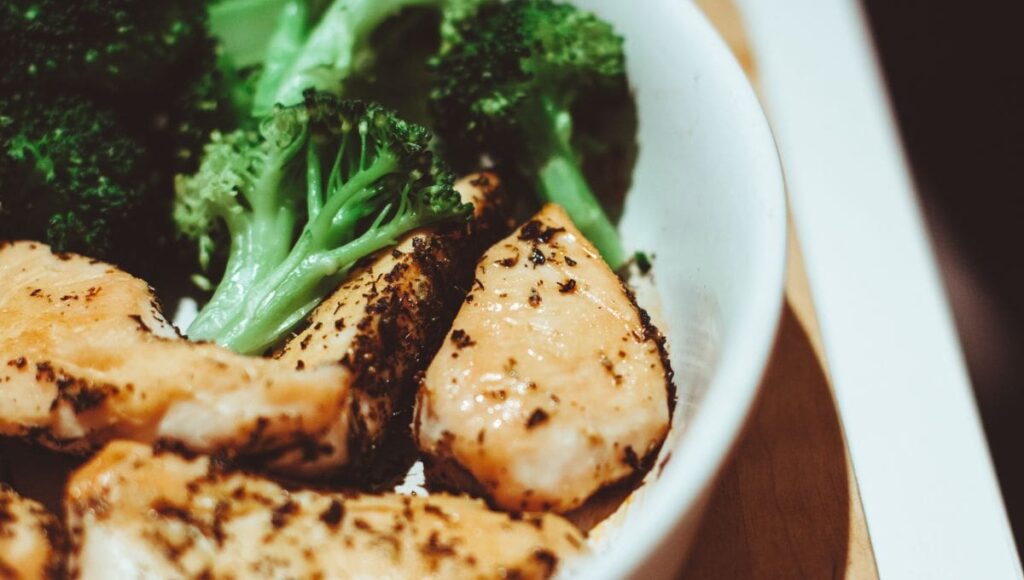
To achieve this goal, you will probably need to include the macro in every single meal. For instance, start your day with eggs or Greek yogurt, include lean meats or legumes at lunch, and have fish or tofu for dinner. Here are the exact examples of protein-packed ingredients:
- 3.5 oz chicken breast = 165 calories, 31 grams protein
- 6 oz Greek yogurt = 100 calories, 18 grams protein
- 3.5 oz tofu = 76 calories, 8 grams protein
Carbohydrates
When aiming to lose weight, you don’t need to cut off carbs to do so! They are the body’s primary energy fount, particularly for brain function and physical activity. However, not all carbs are the same and healthy, so focus on complex carbohydrates for sustained energy and fiber. 40-50% of total calories should come from those, which is relatively simple to achieve.
But, to lose weight successfully, swap regular, processed carbs like bread and sugary cereals for fruits, whole grains, and vegetables. Go for brown rice instead of white or for whole-grain pasta instead of white flour. Here are a few ingredients for reference:
- 1 cup cooked quinoa = 222 calories, 39 grams carbs
- 1 cup cooked brown rice = 218 calories, 45 grams carbs
- 1 medium sweet potato = 103 calories, 24 grams carbs
Fats
Fats are not your enemy for weight loss, but your best friend; just focus on unsaturated fats from plant sources and fish. They are vital for different processes in the body, from hormone production over nutrient absorption to providing energy. Fats are super calorie-dense, so it is easy to reach an ideal of 20-30% of the daily total.

Keep in mind that you should still use healthy fats in moderation. Add avocado to salads, use olive oil for cooking, and include nuts in your snacks. They will keep you full for the longest, so you won’t have to reach for unhealthy snacks. Here are the exact examples:
- ½ medium avocado = 120 calories, 11 grams of fat
- 1 tbsp olive oil = 119 calories, 14 grams fat
- 1 oz almonds = 164 calories, 14 grams of fat
Incorporate Nutrient-Dense Foods
You can easily consume unhealthy foods and still be in a caloric deficit, but that’s definitely not the best idea. Instead, focus on nutrient-dense foods that provide vitamins, minerals, and fiber while having only a few calories at the same time. This means you can eat a lot of different foods, be full all the time, and lose weight – amazing, right?!
Your body asks for nutrients to function, and they include:
- vitamins: A, B, C, D, E, and K
- minerals: especially calcium, magnesium, iron, potassium
- essential fatty acids, particularly omega-3s
Consuming a diet rich in nutrient-packed foods will bring only benefits to your organism, from controlling chronic diseases (e.g., heart disease and diabetes) to even preventing certain types of cancers. When it comes to weight management, these foods are higher in volume but lesser in calories, which helps you feel full and satisfied while being in a calorie deficit.
For instance, a large salad loaded with vegetables like cucumber, tomatoes, and leafy greens is super voluminous and nutritious but has only a few calories whatsoever. Foods stuffed with fiber, protein, and healthy fats go hand in hand with vitamins and minerals. They work in synergy to promote satiety, meaning they help you feel full for longer, preventing snacking and overeating.
Example: A meal made with a source of lean protein, like grilled chicken, paired with high-fiber vegetables and a small amount of healthy fats (like avocado) will keep you full for hours.
Plan Balanced Meals and Snacks
To make sure you’re eating balanced without weighing and measuring every bite taken, there are a few simple tips and tricks:
Focus on Whole Foods: Prioritize whole, unprocessed foods over refined options. Fix on fresh fruits and vegetables, whole grains, and lean proteins. E.g., instead of having sugary cereal for breakfast, go for a bowl of oatmeal topped with fresh berries and nuts.
Eat Your Rainbow: Aim to include an array of colorful fruits and veggies in your dishes. Different colors signify different nutrients, thus eating a range of them ensures a diverse nutrient intake. E.g., a salad with a mix of colorful vegetables like red bell peppers, purple cabbage, green spinach, orange carrots, and yellow cherry tomatoes.
Upgrade Your Snacks: Replace processed snacks with nutrient-dense options and choose snacks that offer value: vitamins, minerals, and fiber rather than empty calories. E.g., swap out potato chips or cookies for a handful of cashews or carrot sticks with hummus.
Focus on Veggies: Vegetables in every meal are the recipe for healthy, sustainable weight loss. Add them in different dishes to boost their nutritional value, like spinach and kale to smoothies, bulk up stews and soups with extra veggies, and don’t skip a side salad with lunch and dinner. E.g., add grated zucchini and chopped bell peppers to your regular pasta sauce.
How Should a Balanced Day of Eating Look?
Breakfast
A nutritional breakfast jump-starts your metabolism and provides sustained energy for the whole day. Protein + fiber + healthy carbs:
Meal: 2 scrambled eggs with spinach and mushrooms, 1 slice of whole-grain toast, ½ grapefruit
Lunch
Lunch should cover a mix of protein, complex carbs, and plenty of vegetables:
Meal: grilled chicken breast over a bed of mixed greens, quinoa, cherry tomatoes, cucumber, and vinaigrette dressing
Dinner
Aim for a satisfying but not overly heavy dinner, focusing on balance and portion control:
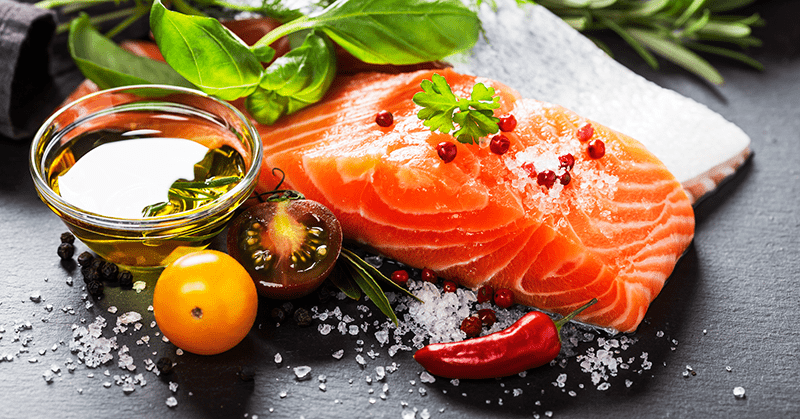
Meal: baked salmon with a side of roasted sweet potatoes and steamed asparagus
Snacks
Healthy snacks will prevent overeating at meals and keep your energy levels stable:
Morning Snack: 1 small apple + 1 tbsp of almond butter
Afternoon Snack: a portion of mixed nuts and a piece of dark chocolate
Monitor Portion Sizes
Even healthy foods can boost weight gain if you consume them in excess. The simplest trick you can learn is to use visual cues to determine your portion sizes:
- Protein – the size of your palm
- Carbs – the size of your fist
- Fats – the size of your thumb
Also, ditch the habit of eating snacks straight from the bag, but rather portion them out in small portions and see-through containers to have full control and prevent overeating.
Allow Flexibility
Allowing yourself controlled flexibility is the key to a sustainable and successful weight loss journey. Utilize the 80/20 rule, which suggests eating healthy, whole foods 80% of the time and allowing yourself more flexibility 20% of the time.
Example: Enjoy a small treat, like a piece of chocolate or a glass of wine, without guilt.