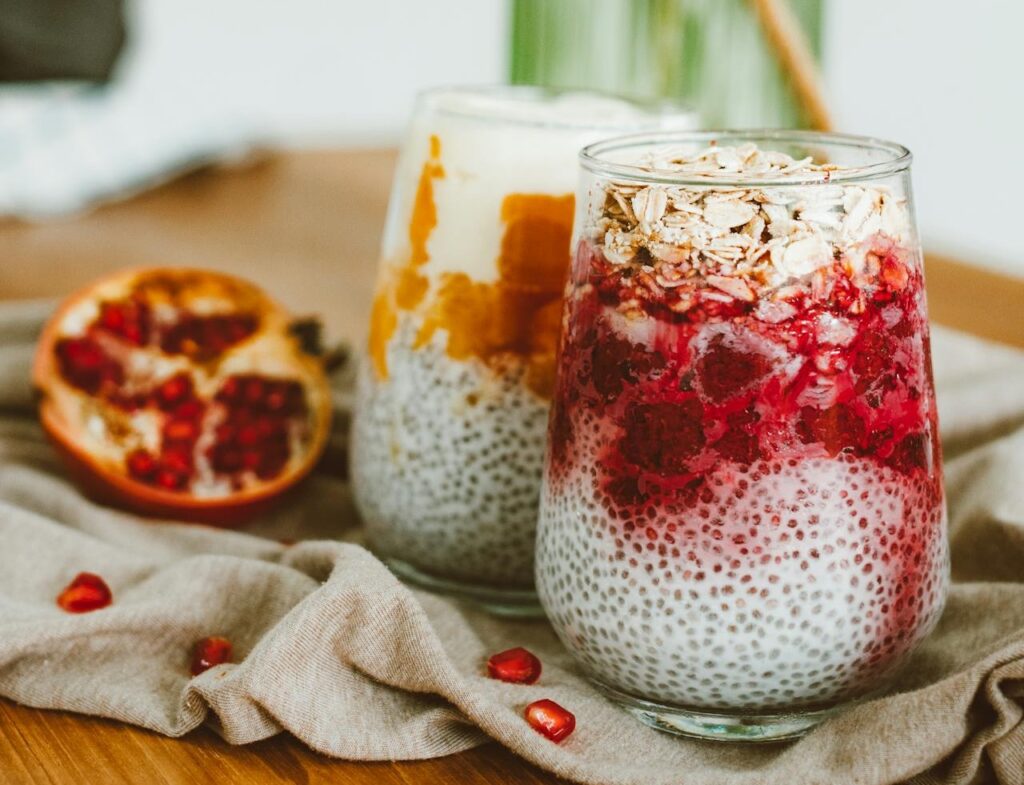
The raw food diet takes you back to the beginning when people ate only unprocessed and uncooked products. Even though this diet is overflowing with nutrients, it is not all smooth sailing. It also comes with several downsides that are important to consider. So, here is everything you need to know about the raw food diet, its benefits, and its risks.
What Is a Raw Food Diet?
The raw food diet, aka raw foodism or rawism, is a specific dietary approach that involves consuming foods in their most natural, unprocessed, and uncooked form. The diet has roots in the belief that eating foods in their raw state is healthier. The reason behind that is the fact that raw foods preserve their nutritional content and have no potentially harmful effects of cooking.


Core Principles
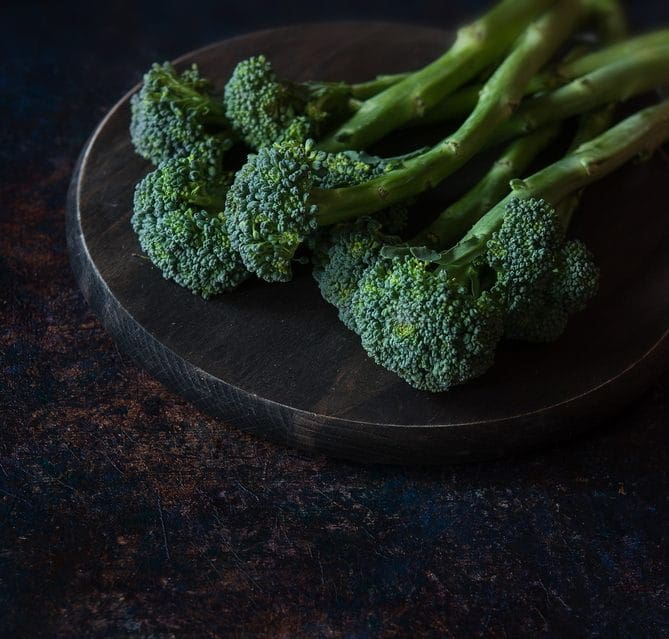
There are a few core elements this diet lays on:
Uncooked and Unprocessed Foods: All food you can consume on a raw diet, obviously, has to be raw or heated to a maximum temperature of around 104-118 °F (40-48 °C). The rationale behind this is that cooking at higher temperatures destroys essential nutrients, particularly enzymes – the holy grail of digestion and overall health.
This diet avoids all foods that are processed, refined, or altered from their natural state, meaning it’s a huge no for refined sugars, flours, oils, or processed snacks.
Enzyme Preservation: Advocates of this diet argue that raw foods actually contain living enzymes that aid in digestion and health. The idea is that the heating process above a certain temperature destroys these enzymes, causing digestive strain.
Nutrient Density: Of course, raw foods are typically packed with vitamins, minerals, antioxidants, and fiber. Proponents of the diet claim that it is better to preserve these nutrients in their raw state, and it is the only way to provide superior nutritional value compared to cooked foods.
Detoxification: People who promote a raw food diet always emphasize that it is the way to detoxify your body. The belief is that eating raw cleanses the body of toxins that accumulate from cooked or processed foods.
Types of Raw Food Diets
There are a few specific raw diets, so you can adapt them to your wants and needs:
Raw Vegan Diet: This version excludes all animal products, focusing entirely on plant-based products – fruits, vegetables, nuts, seeds, and spouted grains. This form is the most common out of all raw food diets, and people adopt it for health, ethical, or environmental reasons (or everything together).
Raw Vegetarian Diet: It is similar to the first one but includes raw dairy products, such as unpasteurized milk, cheese, yogurt, and sometimes raw eggs. As you can see, this version is less restrictive and will make it easier to meet the nutritional needs that are pretty much challenging on a raw vegan diet.
Raw Omnivore Diet: This is a controversial way of eating as it includes raw meat, fish, eggs, and dairy products alongside plant-based foods. People who follow this diet often consume foods like sashimi (raw fish), carpaccio (thin slices of raw meat), and unpasteurized dairy. This version is particularly varied but carries huge risks of foodborne illnesses.
Raw Paleo Diet: The diet marries the principles of the paleo diet (which avoids grains, legumes, and processed foods) with raw foodism. The spotlight is on raw fruits, vegetables, nuts, seeds, and raw animal products, excluding dairy and grains.
Commonly Eaten Raw Foods
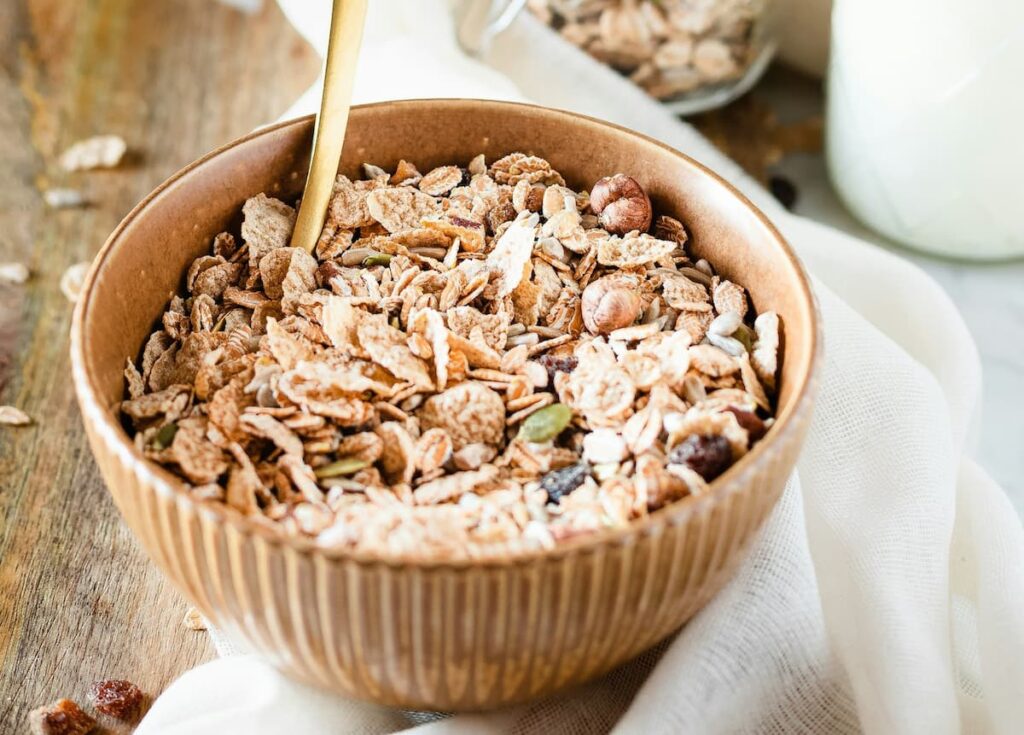
- Fruits: apples, pears, bananas, berries, citrus fruits, melons, mangoes, pineapples, grapes, avocados
- Dried Fruits: dates, apricots, raisins, figs – sun-dried or dehydrated at low temperatures
- Vegetables: leafy greens, carrots, beets, radishes, sweet potatoes (only small quantities raw or juiced), broccoli, cauliflower, cabbage, Brussels sprouts, cucumbers, bell peppers, zucchini, tomatoes, celery, onions
- Nuts: almonds, walnuts, cashews, macadamia nuts, pecans, hazelnuts
- Seeds: sunflower, pumpkin, hemp, sesame, chia seeds
- Nut and Seed Butter: raw almond butter, tahini, sunflower seed butter
- Sprouted Grains: quinoa, buckwheat, barley, millet
- Sprouted Legumes: lentils, chickpeas, mung beans, adzuki beans
- Cold-Pressed Oil: olive oil, coconut oil, flaxseed oil, avocado oil
- Fermented Foods: sauerkraut, kimchi, miso, raw pickles
- Superfoods: raw cacao, spirulina, maca
- Animal Products: raw dairy, raw eggs, raw fish (sashimi, ceviche), raw meat (carpaccio, tartare)
- Raw Sweeteners: honey, maple syrup, dates
Forbbiden Foods in Raw Food Diet
- Cooked Vegetables: steamed, boiled, baked, grilled, or sautéed vegetables
- Cooked Grains and Legumes: rice, pasta, bread, or any thermally processed grain or legumes
- Refined Sugars: white sugar, brown sugar, high-fructose syrup, or any other processed sweeteners
- Refined Flours: white flour, all-purpose flour
- Refined Oils: canola, sunflower, or hydrogenated oils
- Processed Snacks: chips, cookies, crackers, and other snacks that have been baked or fried
- Canned Foods: canned, jarred, or otherwise preserved foods using heat or chemicals
- Pasteurized Dairy: pasteurized milk, cheese, yogurt, butter, cream
- Cooked Animal Products: any thermally treated meats and fish, sausages, bacon, deli meats
- Alcohol: all pasteurized or distilled beverages
- Caffeine: all traditional coffee and tea brewed with hot water
Benefits of Raw Food Diet
Raw foods are stuffed with vitamins, minerals, and antioxidants. For instance, fruits and vegetables are terrific sources of vitamin C, folate, and potassium, while nuts and seeds are overflowing in magnesium, zinc, and vitamin E. Raw food retains enzymes, too, aiding digestion and nutrient absorption.
Raw foods are particularly abundant in dietary fiber, promoting healthy digestion, preventing constipation, reducing bloating, and supporting a healthy gut microbiome. Moreover, preserved food enzymes aid in the breakdown and assimilation of nutrients.
Most raw foods are super low in calories but high in volume, allowing you to eat larger portions without consuming too many calories. This actually leads to natural weight loss or maintenance without the need for calorie counting.
Emphasis on plant-based foods leads to lower blood pressure, reduced cholesterol levels, and less risk of heart disease. Also, it regulates blood sugar levels, preventing or managing type 2 diabetes.
Cons of Raw Food Diet
Because of eliminating a lot of different foods, you will be at risk of many deficiencies: vitamin B12 (found exclusively in animal products), protein (meat contains complete protein), iron (heme iron from animal products is easily digestible), calcium and vitamin D (bioavailable in cooked foods and dairy), and omega-3 fatty acids (mostly found in fish).
Consuming raw or undercooked animal products boosts the risk of salmonella, E. coli, and listeria. Even raw fruits and vegetables carry pathogens if not properly prepared. Sprouted grains and legumes are particularly prone to bacterial contamination.

Because you eat solely raw products, you can experience digestive issues like bloating, gas, and constipation if you’re not accustomed to such a diet. Raw legumes, grains, and certain vegetables actually contain anti-nutrients like phytic acid and lectins. They hinder the absorption of minerals like calcium, iron, and zinc, provoking digestive discomfort.
Even though raw food preserves enzymes, your body actually produces its own. The stomach acids denature most enzymes, so there are no strong scientific facts that support their importance at all.
Raw Food Diet Plan Examples
Day 1
- Breakfast: green smoothie (spinach, banana, avocado, almond milk) + raw almonds
- Lunch: salad (mixed greens, tomatoes, cucumber, carrots, bell peppers, avocado, lemon-tahini dressing) + raw flax crackers
- Snack: apple + raw almond butter
- Dinner: zucchini noodles + raw marinara sauce + olives + mixed greens salad
- Dessert: raw cacao energy balls (dates, raw cacao powder, coconut, and nuts)
Day 2
- Breakfast: chia pudding (chia seeds, almond milk, berries, banana)
- Lunch: collard wraps with veggies (carrots, beets, cabbage) + avocado + sprouts + tahini
- Snack: fresh fruit salad (melon, berries, kiwi)
- Dinner: raw vegetable sushi rolls (nori sheets with avocado, cucumber, bell peppers, sprouts) + miso soup (mushrooms, scallions, raw miso paste, room-temperature water)
- Dessert: raw vegan cheesecake slice (cashew base with date-nut crust)
Day 3
- Breakfast: overnight oats (raw oats, chia seeds, almond milk, berries, honey)
- Lunch: raw gazpacho soup (tomatoes, cucumber, bell peppers, onions, garlic, olive oil) + avocado
- Snack: raw trail mix (nuts, seeds, dried fruits)
- Dinner: stuffed bell peppers (stuffing: sprouted quinoa, diced vegetables, fresh herbs) + kale salad + lemon-garlic dressing
- Dessert: mango + coconut
Day 4
- Breakfast: smoothie bowl (frozen bananas, spinach, raw protein powder, chia seeds, almonds, berries)
- Lunch: raw pad thai (zucchini noodles, carrots, bell peppers, almond butter sauce) + seaweed salad
- Snack: celery sticks + almond butter
- Dinner: raw lasagna (zucchini, marinara sauce, cashew cheese) + mixed greens salad + olive oil – balsamic vinegar dressing
- Dessert: raw apple pie (date-nut crust and apples)
Day 5
- Breakfast: green juice (kale, cucumber, celery, green apple, lemon) + walnuts
- Lunch: mixed greens salad (avocado, sprouts, cherry tomatoes, cucumber, tahini dressing) + raw veggie chips (dehydrated kale and zucchini)
- Snack: pears + cashew cheese
- Dinner: raw taco wraps with romaine lettuce, walnut “meat” (walnuts blended with spices), salsa, avocado, cilantro + bell peppers + carrots
- Dessert: raw chocolate avocado mousse (avocado, raw cocoa powder, honey)
Day 6
- Breakfast: fresh fruit platter (melon, pineapple, papaya, berries) + pistachios
- Lunch: raw falafel bowls + cucumber-tomato salad + tahini dressing + sprouted grain tabbouleh
- Snack: raw coconut yogurt + strawberries + chia seeds
- Dinner: raw stuffed mushrooms + cashew cream filling + greens + avocado-tomato salad
- Dessert: raw brownie (dates, cacao powder, walnuts)
Day 7
- Breakfast: acai bowl (acai, banana, almond milk, granola) + fruits + coconut
- Lunch: raw nori rolls (avocado, shredded veggies, sprouts) + miso soup
- Snack: carrot-cucumber sticks + hummus
- Dinner: raw pasta (zucchini-cucumber noodles) + pesto sauce + mixed greens salad
- Dessert: fresh berries + coconut cream