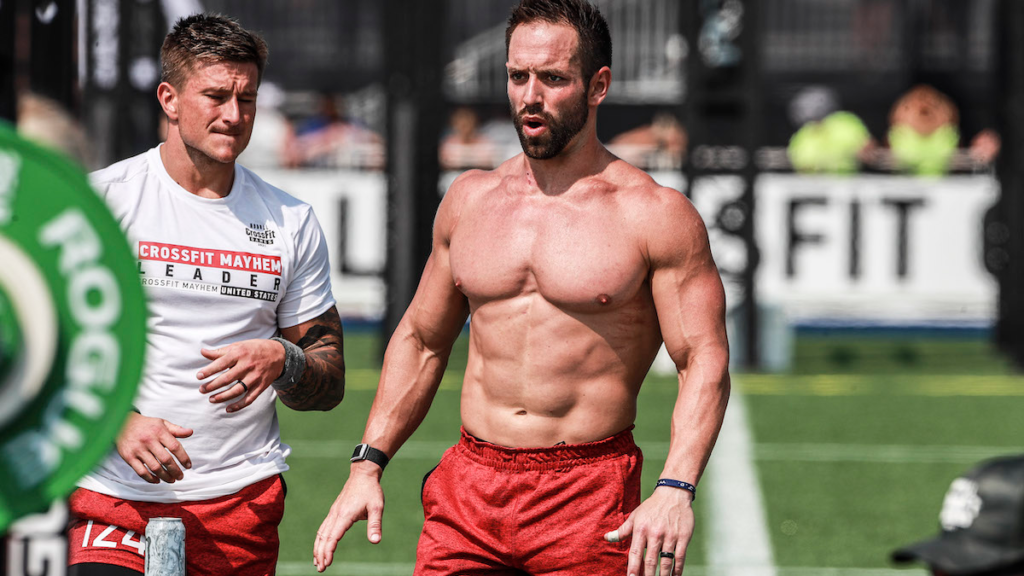
If you’re on a quest to build both strength and size, you might have come across the term “powerbuilding.” This hybrid approach combines the best of powerlifting and bodybuilding, offering a balanced training regimen that can help you achieve a strong, muscular physique. But what makes powerbuilding stand out from other training methods?
In this article, we delve into five compelling reasons why powerbuilding might be the perfect way for you to get jacked. Each point is backed by scientific research, ensuring you have the information you need to make an informed decision about your training.


What Is Powerbuilding?
Before diving into the reasons why powerbuilding might be the ideal training method for you, it’s essential to understand what powerbuilding entails. Powerbuilding combines the principles of powerlifting and bodybuilding, aiming to maximise both strength and hypertrophy (muscle growth). The core of powerbuilding involves lifting heavy weights to build strength (a powerlifting focus) while also performing higher-repetition sets with moderate weights to induce muscle hypertrophy (a bodybuilding focus).
The Foundations of Powerlifting and Bodybuilding
Powerlifting: This sport revolves around three main lifts: the squat, bench press, and deadlift. The primary goal in powerlifting is to lift the heaviest possible weight in these exercises, focusing on maximal strength and neural adaptation.
Bodybuilding: In contrast, bodybuilding prioritises muscle size, symmetry, and aesthetics. Training typically involves a higher volume of exercises, with moderate to high repetitions and a focus on mind-muscle connection.
Powerbuilding merges these two approaches, allowing athletes to develop both brute strength and a well-sculpted physique.
1. Powerbuilding Maximises Strength and Hypertrophy Simultaneously
One of the most significant advantages of powerbuilding is its ability to maximise both strength and hypertrophy. Traditional powerlifting programs focus predominantly on low-rep, high-weight sets, which are excellent for building strength but less effective for muscle growth. On the other hand, bodybuilding routines often involve higher reps with moderate weights, ideal for hypertrophy but not as effective for developing raw strength.
Balancing Volume and Intensity
A study published in the Journal of Strength and Conditioning Research found that training with a combination of low-repetition, high-load sets (typical of powerlifting) and higher-repetition, moderate-load sets (typical of bodybuilding) leads to significant improvements in both muscle size and strength . This is because low-rep training primarily targets fast-twitch muscle fibres, which are responsible for generating force and power, while higher-rep training increases metabolic stress and muscle damage, key drivers of hypertrophy.
By incorporating both types of training within a single program, powerbuilding ensures that you’re not just getting stronger but also packing on muscle. This dual approach is particularly beneficial for lifters who want to excel in both aesthetics and performance.
2. Enhanced Muscle Symmetry and Proportions
Another key reason why powerbuilding might be the perfect way for you to get jacked is its ability to enhance muscle symmetry and proportions. While powerlifting builds significant strength, it often leads to imbalances, particularly if the accessory work isn’t prioritised. Bodybuilders, however, focus extensively on building a symmetrical physique, ensuring that no muscle group is left underdeveloped.
Correcting Muscle Imbalances
A well-rounded powerbuilding program includes compound lifts such as squats, deadlifts, and bench presses, which target multiple muscle groups. It also incorporates isolation exercises, like bicep curls and tricep extensions, which focus on individual muscles. This combination not only builds strength but also ensures balanced muscle development.
Research published in the European Journal of Applied Physiology indicates that a mixed approach, combining compound and isolation exercises, leads to greater overall muscle balance and proportion compared to focusing solely on compound movements . Powerbuilding, therefore, offers the best of both worlds: the raw strength developed through compound lifts and the muscle symmetry achieved through isolation work.
Avoiding the Pitfalls of Specialisation
One of the pitfalls of specialising in either powerlifting or bodybuilding is the risk of overdeveloping certain muscle groups while neglecting others. For example, powerlifters often have exceptionally strong lower backs and quads but may lack upper body symmetry. Conversely, bodybuilders might have well-defined muscles but lack the functional strength that compound movements develop.
Powerbuilding addresses these issues by integrating both heavy lifting and isolation work into the same program. This ensures that while you’re building impressive strength, you’re also developing a physique that’s aesthetically balanced and symmetrical.
3. Powerbuilding Supports Long-Term Progression
Long-term progression is a critical factor in any successful training regimen. Powerlifting and bodybuilding each have their methods of ensuring continual improvement, but powerbuilding blends these approaches to create a program that’s sustainable over the long haul.
Periodisation for Continuous Improvement
One of the key elements of powerbuilding is periodisation, which involves varying the volume and intensity of your workouts over time to prevent plateaus and reduce the risk of injury. Traditional periodisation models, such as linear and undulating periodisation, can be adapted for powerbuilding to ensure steady gains in both strength and size.

A study from the Journal of Applied Physiology found that periodised training models were more effective in promoting strength and hypertrophy than non-periodised approaches . By incorporating different rep ranges, load intensities, and exercise variations, powerbuilding ensures that your muscles are constantly challenged in new ways, leading to continuous progression.
Avoiding Training Burnout
One of the challenges many lifters face is burnout, especially when following a highly specialised program. Powerlifting can be mentally taxing due to the constant focus on lifting maximal weights, while bodybuilding’s emphasis on high-volume training can be exhausting. Powerbuilding offers a balanced approach that reduces the likelihood of burnout.
By alternating between heavy, low-rep sets and lighter, higher-rep work, powerbuilding keeps training sessions varied and engaging. This variety not only makes the training process more enjoyable but also reduces the risk of mental and physical fatigue, ensuring you stay motivated over the long term.
4. Powerbuilding Provides Functional Strength and Aesthetics
Functional strength is the ability to apply your strength in real-world scenarios, and it’s something that traditional bodybuilding often neglects. While bodybuilding focuses on muscle isolation and hypertrophy, it doesn’t necessarily translate into functional strength. Powerlifting, on the other hand, builds considerable functional strength but might not achieve the aesthetic goals some lifters have. Powerbuilding bridges this gap by combining the best elements of both disciplines.
Real-World Strength
Powerbuilding’s emphasis on compound lifts, such as the squat, deadlift, and bench press, ensures that you’re building strength that can be applied in various functional contexts. These lifts recruit multiple muscle groups and mirror natural movement patterns, making the strength gains from powerbuilding highly transferable to everyday activities.
Research published in the Journal of Human Kinetics highlights that compound movements like squats and deadlifts are particularly effective at improving overall functional strength . This means that powerbuilding not only helps you look strong but also equips you with the strength to perform well in athletic activities and daily tasks.
Aesthetics Without Compromise
While functional strength is essential, aesthetics are also a significant consideration for many lifters. Powerbuilding’s inclusion of hypertrophy-focused training ensures that you’re not just strong but also have the muscular definition and symmetry that are hallmarks of a jacked physique.
By incorporating higher-rep isolation exercises into your routine, powerbuilding ensures that every muscle group is adequately stimulated for growth. This approach leads to a physique that is not only powerful but also well-defined and aesthetically pleasing.
5. Powerbuilding is Adaptable and Inclusive
One of the most appealing aspects of powerbuilding is its adaptability. Whether you’re a beginner or an experienced lifter, powerbuilding can be tailored to meet your specific needs and goals.
Customisable for All Levels
Powerbuilding is not a one-size-fits-all program; it can be customised based on your experience level, strength, and goals. Beginners can start with a basic powerbuilding program that focuses on mastering compound lifts while gradually introducing hypertrophy work. Intermediate and advanced lifters can benefit from more complex periodisation strategies, incorporating advanced techniques such as supersets, drop sets, and partials to continue progressing.
A study in the Strength and Conditioning Journal emphasises the importance of tailoring training programs to individual needs and goals to maximise effectiveness . Powerbuilding’s flexible nature allows you to adjust the volume, intensity, and exercise selection to fit your current abilities and objectives, making it an ideal training method for lifters at any stage of their fitness journey.
Inclusivity and Enjoyment
Powerbuilding is also inclusive in its approach, catering to a wide range of fitness goals. Whether you’re interested in competing in powerlifting, bodybuilding, or just looking to improve your overall physique and strength, powerbuilding offers a comprehensive training solution.
Moreover, the variety inherent in powerbuilding programs can make training more enjoyable. The mix of heavy lifting and hypertrophy work keeps the workouts dynamic, reducing the monotony that often accompanies more specialised programs. This enjoyment can lead to greater consistency and long-term adherence, which are crucial factors in achieving significant gains.
Conclusion
Powerbuilding is a powerful training method that combines the strengths of powerlifting and bodybuilding to offer a comprehensive approach to fitness. By focusing on both strength and hypertrophy, enhancing muscle symmetry, supporting long-term progression, providing functional strength and aesthetics, and offering adaptability for all levels, powerbuilding stands out as an effective way to get jacked.
Whether you’re a beginner looking to build a solid foundation or an experienced lifter seeking to break through plateaus, powerbuilding provides the tools you need to achieve your goals. Its balanced approach ensures that you not only build strength and muscle but also enjoy the process, making it a sustainable long-term training method.
Key Takeaways
| Key Point | Explanation |
|---|---|
| Maximises Strength and Hypertrophy | Combines low-rep, high-load training with higher-rep, moderate-load work to enhance both strength and muscle growth. |
| Enhances Muscle Symmetry and Proportions | Includes both compound and isolation exercises to ensure balanced muscle development and avoid imbalances. |
| Supports Long-Term Progression | Utilises periodisation and varied training to prevent plateaus and reduce the risk of burnout, ensuring continuous progress. |
| Provides Functional Strength and Aesthetics | Focuses on compound lifts for real-world strength while incorporating hypertrophy work for a well-defined physique. |
| Adaptable and Inclusive | Can be tailored to fit individual needs and goals, making it suitable for lifters of all levels. |
References
- Schoenfeld, B.J., Ogborn, D., Krieger, J.W., 2016. Effect of repetition duration during resistance training on muscle hypertrophy: a systematic review and meta-analysis. Sports Medicine, 45(4), pp.577-585.
- Krieger, J.W., 2010. Single vs. multiple sets of resistance exercise for muscle hypertrophy: a meta-analysis. Journal of Strength and Conditioning Research, 24(4), pp.1150-1159.
- Ronnestad, B.R., and Mujika, I., 2014. Optimising strength training for running and cycling endurance performance: A review. Scandinavian Journal of Medicine & Science in Sports, 24(4), pp.603-612.
- Peterson, M.D., Rhea, M.R., Alvar, B.A., 2004. Maximizing strength development in athletes: a meta-analysis to determine the dose-response relationship. Journal of Strength and Conditioning Research, 18(2), pp.377-382.
- Schoenfeld, B.J., 2010. The mechanisms of muscle hypertrophy and their application to resistance training. Journal of Strength and Conditioning Research, 24(10), pp.2857-2872.
This comprehensive approach ensures that you have a solid foundation for understanding the benefits of powerbuilding and how it can help you achieve your fitness goals. Whether you’re looking to build strength, muscle, or both, powerbuilding offers a well-rounded, scientifically-backed training method to help you get jacked.