Building muscle is a common goal for many fitness enthusiasts, yet the journey is often fraught with challenges. While dedication and effort are essential, many people unknowingly sabotage their progress by making critical mistakes. Understanding these pitfalls and correcting them can make a significant difference in achieving your muscle-building goals. This article delves into ten common mistakes that can hold you back and provides science-backed strategies to overcome them.
1. Neglecting Progressive Overload
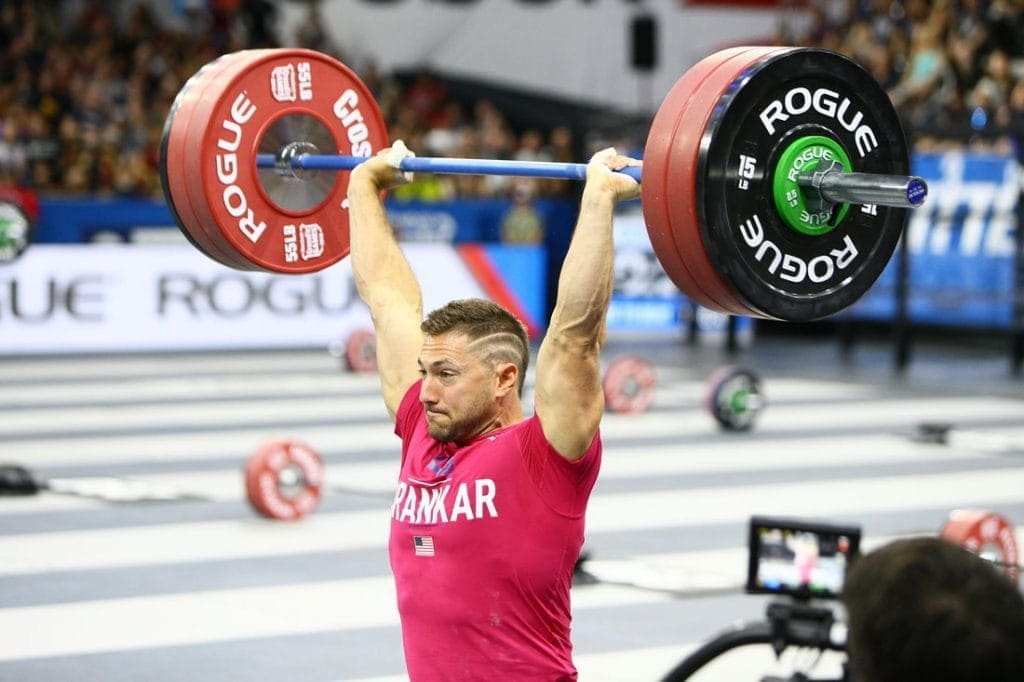
Progressive overload is the cornerstone of muscle growth. It involves gradually increasing the resistance or weight you use in your workouts to stimulate muscle adaptation and growth. Without progressive overload, your muscles won’t have the necessary stimulus to grow.


Why It Holds You Back: Failing to consistently increase the intensity of your workouts can lead to plateaus. Your body adapts to the same routine over time, and without a new challenge, muscle growth stalls.
The Science: A study by Rhea et al. (2002) demonstrated that progressively increasing the load during resistance training is crucial for strength and hypertrophy gains. Another study by Schoenfeld et al. (2016) found that varying the load and volume is more effective for muscle growth than sticking to a fixed routine.
How to Fix It: Regularly track your workouts and aim to increase the weight, repetitions, or sets every few weeks. This doesn’t mean you need to add weight every session, but there should be a consistent upward trend over time.
2. Overtraining Without Adequate Recovery
Many lifters believe that more is better, leading to excessive training without considering recovery. However, muscle growth occurs during recovery, not during the workout itself.
Why It Holds You Back: Overtraining can lead to muscle fatigue, injury, and even a decrease in performance. Without proper recovery, your muscles don’t have the time they need to repair and grow.
The Science: Research by Smith (2004) indicates that overtraining can lead to an imbalance between training and recovery, increasing the risk of injury and impeding muscle growth . Furthermore, a study by Borsheim et al. (2002) emphasises the importance of rest in muscle protein synthesis, which is crucial for muscle repair and growth.
How to Fix It: Incorporate rest days into your routine and ensure you’re getting adequate sleep (7-9 hours per night). Consider using techniques like active recovery and deload weeks to give your muscles time to recuperate.
3. Inconsistent Protein Intake
Protein is essential for muscle repair and growth. However, many people struggle to consume enough protein consistently, which can hinder their muscle-building efforts.
Why It Holds You Back: Without sufficient protein, your body lacks the building blocks needed for muscle repair and growth. Inconsistent intake can lead to muscle catabolism, where the body breaks down muscle tissue for energy.

The Science: A study by Phillips et al. (2016) suggests that consuming 1.6–2.2 grams of protein per kilogram of body weight per day is optimal for muscle growth . Another study by Moore et al. (2009) shows that spreading protein intake evenly throughout the day maximises muscle protein synthesis.
How to Fix It: Ensure you consume high-quality protein sources with every meal and snack. Consider supplementing with protein shakes if you struggle to meet your daily protein needs through food alone.
4. Ignoring Compound Exercises
Compound exercises, such as squats, deadlifts, and bench presses, work multiple muscle groups simultaneously and are highly effective for building overall muscle mass.
Why It Holds You Back: Focusing too much on isolation exercises, like bicep curls or tricep extensions, can lead to imbalanced muscle development and slower progress.
The Science: A study by Gentil et al. (2013) found that compound exercises are more effective at increasing muscle mass than isolation exercises due to the greater hormonal response and increased muscle fibre recruitment.

How to Fix It: Prioritise compound movements in your workout routine. These exercises should form the foundation of your training, with isolation exercises used as supplementary work to target specific muscle groups.
5. Poor Nutrition Beyond Protein
While protein is crucial, other aspects of nutrition are equally important. Poor overall diet quality can severely impact your muscle-building progress.
Why It Holds You Back: Without adequate caloric intake, particularly from carbohydrates and healthy fats, your body lacks the energy needed for intense workouts and recovery. Additionally, micronutrient deficiencies can impair metabolic processes related to muscle growth.
The Science: Research by Slater and Phillips (2011) highlights the importance of a balanced diet, including sufficient carbohydrates for energy and fats for hormone production, both of which are essential for muscle growth . A study by Kerksick et al. (2018) also emphasises the role of micronutrients in supporting muscle recovery and growth.
How to Fix It: Focus on a well-rounded diet that includes a mix of macronutrients and micronutrients. Ensure you’re eating enough calories to support your muscle-building goals, and consider tracking your food intake to ensure you’re meeting your nutritional needs.
6. Neglecting Sleep Quality
Sleep is often overlooked in muscle-building programs, yet it plays a critical role in recovery and growth.
Why It Holds You Back: Inadequate sleep impairs muscle recovery, reduces growth hormone production, and increases cortisol levels, all of which can negatively impact muscle growth.
The Science: A study by Dattilo et al. (2011) found that sleep deprivation impairs muscle recovery and reduces the efficiency of muscle protein synthesis . Furthermore, research by Rae and Lunn (2016) showed that adequate sleep improves muscle strength and performance.

How to Fix It: Prioritise getting 7-9 hours of sleep per night. Create a sleep-friendly environment by keeping your bedroom cool, dark, and quiet. Consider practices like reducing screen time before bed and establishing a regular sleep schedule to improve sleep quality.
7. Underestimating the Importance of Hydration
Hydration is often underestimated in muscle-building programs, yet it is crucial for optimal performance and recovery.
Why It Holds You Back: Dehydration can lead to decreased strength, endurance, and muscle recovery. It also impairs nutrient transport and muscle function.
The Science: A study by Judelson et al. (2007) found that even mild dehydration can negatively impact strength and power performance during resistance training. Another study by Cheuvront et al. (2003) highlights the role of hydration in supporting metabolic processes necessary for muscle repair and growth.
How to Fix It: Ensure you’re drinking enough water throughout the day, especially before, during, and after workouts. A good rule of thumb is to consume at least 3 litres of water daily, adjusting for your activity level and environment.
8. Relying Too Heavily on Supplements
While supplements can be beneficial, they should not replace a solid foundation of nutrition and training.
Why It Holds You Back: Over-reliance on supplements can lead to neglecting whole foods and other essential aspects of your training, such as progressive overload and recovery. Additionally, not all supplements are effective, and some may even be harmful.
The Science: A review by Kreider et al. (2017) suggests that while some supplements like creatine and protein powders can support muscle growth, they are not substitutes for a balanced diet and proper training . Another study by Garthe et al. (2011) found that whole foods are more effective than supplements in providing the nutrients needed for muscle growth.
How to Fix It: Focus on building a strong foundation with whole foods and a well-designed training program. Use supplements as an addition to, rather than a replacement for, your diet and training. Be selective with the supplements you use, prioritising those with strong scientific backing.
9. Lack of Patience and Consistency
Muscle building is a slow process that requires patience and consistency. However, many people become frustrated when they don’t see immediate results and either give up or jump from program to program.
Why It Holds You Back: Lack of consistency prevents you from fully realising the benefits of your training and nutrition plan. Muscle growth takes time, and constantly changing your approach can hinder progress.
The Science: A study by Schoenfeld et al. (2019) emphasises the importance of consistent training over time for optimal muscle growth . Similarly, research by Kraemer et al. (2004) highlights that muscle hypertrophy is a gradual process that requires sustained effort.
How to Fix It: Commit to a long-term training and nutrition plan, and stick with it for at least 12 weeks before assessing your progress. Track your workouts, diet, and progress to stay motivated and make necessary adjustments along the way.
10. Not Seeking Guidance When Needed
Many people try to go it alone when building muscle, which can lead to mistakes and suboptimal progress. Seeking guidance from experienced professionals can help you avoid common pitfalls and optimise your results.
Why It Holds You Back: Without proper guidance, you may struggle to design an effective training program, manage your nutrition, and avoid injuries. This can lead to frustration and slower progress.
The Science: A study by Ratamess et al. (2009) found that individuals who work with a personal trainer or coach are more likely to achieve their muscle-building goals than those who do not . Another study by Schoenfeld et al. (2014) highlights the benefits of expert guidance in optimising training variables for muscle growth.
How to Fix It: Consider hiring a personal trainer, nutritionist, or coach who specialises in muscle building. If that’s not an option, seek out reputable resources, such as books, articles, and online courses, to educate yourself on effective training and nutrition strategies.
Bibliography
- Borsheim, E., Tipton, K.D., Wolf, S.E. & Wolfe, R.R., 2002. Essential amino acids and muscle protein recovery from resistance exercise. American Journal of Physiology-Endocrinology and Metabolism, 283(4), pp.E648-E657.
- Cheuvront, S.N., Carter, R. & Sawka, M.N., 2003. Fluid balance and endurance exercise performance. Current Sports Medicine Reports, 2(4), pp.202-208.
- Dattilo, M., Antunes, H.K.M., Medeiros, A., Mônico Neto, M., Souza, H.S., Tufik, S. & de Mello, M.T., 2011. Sleep and muscle recovery: Endocrinological and molecular basis for a new and promising hypothesis. Medical Hypotheses, 77(2), pp.220-222.
- Garthe, I., Raastad, T., Refsnes, P.E., Koivisto, A. & Sundgot-Borgen, J., 2011. Effect of two different weight-loss rates on body composition and strength and power-related performance in elite athletes. International Journal of Sport Nutrition and Exercise Metabolism, 21(2), pp.97-104.
- Gentil, P., Soares, S.R., & Bottaro, M., 2013. Single vs. multi-joint resistance exercises: Effects on muscle strength and hypertrophy. Asian Journal of Sports Medicine, 4(3), pp.115-120.
- Judelson, D.A., Maresh, C.M., Farrell, M.J., Yamamoto, L.M., Armstrong, L.E., Kraemer, W.J. & Volek, J.S., 2007. Effect of hydration state on strength, power, and resistance exercise performance. Medicine & Science in Sports & Exercise, 39(10), pp.1817-1824.
- Kerksick, C.M., Wilborn, C.D., Roberts, M.D., Smith-Ryan, A., Kleiner, S.M., Jäger, R., Collins, R., Cooke, M., Davis, J.N., Galvan, E., Greenwood, M. & Kreider, R.B., 2018. ISSN exercise & sports nutrition review update: research & recommendations. Journal of the International Society of Sports Nutrition, 15(1), pp.1-57.
- Kreider, R.B., Kalman, D.S., Antonio, J., Ziegenfuss, T.N., Wildman, R., Collins, R., Davis, J.M., Candow, D.G., Kleiner, S.M., Almada, A.L. & Lopez, H.L., 2017. International society of sports nutrition position stand: safety and efficacy of creatine supplementation in exercise, sport, and medicine. Journal of the International Society of Sports Nutrition, 14(1), pp.1-18.
- Kraemer, W.J., Spiering, B.A., Volek, J.S., Ratamess, N.A., Sharman, M.J., Rubin, M.R., French, D.N., Silvestre, R., Hatfield, D.L., Van Heest, J.L. & Vescovi, J.D., 2004. Androgenic responses to resistance exercise: effects of feeding and L-carnitine. Medicine & Science in Sports & Exercise, 36(8), pp.1288-1295.
- Moore, D.R., Robinson, M.J., Fry, J.L., Tang, J.E., Glover, E.I., Wilkinson, S.B., Prior, T., Tarnopolsky, M.A. & Phillips, S.M., 2009. Ingested protein dose response of muscle and albumin protein synthesis after resistance exercise in young men. The American Journal of Clinical Nutrition, 89(1), pp.161-168.
- Phillips, S.M., van Loon, L.J.C. & Verdijk, L.B., 2016. Strategies to promote skeletal muscle hypertrophy: the role of protein intake. Sports Medicine, 46(1), pp.79-96.
- Rae, D.E. & Lunn, W.R., 2016. Sleep duration and athletic performance. Sleep Medicine Clinics, 11(1), pp.1-12.
- Ratamess, N.A., Alvar, B.A., Evetoch, T.K., Housh, T.J., Kibler, W.B., Kraemer, W.J. & Triplett, N.T., 2009. Progression models in resistance training for healthy adults. Medicine & Science in Sports & Exercise, 41(3), pp.687-708.
- Rhea, M.R., Alvar, B.A., Burkett, L.N. & Ball, S.D., 2002. A meta-analysis to determine the dose response for strength development. Medicine & Science in Sports & Exercise, 35(3), pp.456-464.
- Schoenfeld, B.J., Ogborn, D. & Krieger, J.W., 2016. Effects of resistance training frequency on measures of muscle hypertrophy: a systematic review and meta-analysis. Sports Medicine, 46(11), pp.1689-1697.
- Schoenfeld, B.J., Grgic, J., Ogborn, D. & Krieger, J.W., 2019. Strength and hypertrophy adaptations between low-vs. high-load resistance training: A systematic review and meta-analysis. Journal of Strength and Conditioning Research, 33(10), pp.2571-2590.
- Schoenfeld, B.J., Contreras, B., Vigotsky, A.D. & Ogborn, D., 2014. Upper body hypertrophy. Strength & Conditioning Journal, 36(4), pp.75-81.
- Slater, G.J. & Phillips, S.M., 2011. Nutrition guidelines for strength sports: Sprinting, weightlifting, throwing events, and bodybuilding. Journal of Sports Sciences, 29(S1), pp.S67-S77.
- Smith, L.L., 2004. Tissue trauma: the underlying cause of overtraining syndrome?. Journal of Strength and Conditioning Research, 18(1), pp.185-193.
Key Takeaways
| Mistake | Impact | Solution |
|---|---|---|
| Neglecting Progressive Overload | Leads to plateaus in muscle growth | Regularly increase workout intensity by adding weight, reps, or sets |
| Overtraining Without Adequate Recovery | Increases risk of injury, slows muscle growth | Incorporate rest days, get 7-9 hours of sleep, and consider deload weeks |
| Inconsistent Protein Intake | Hinders muscle repair and growth | Aim for 1.6-2.2 grams of protein per kg of body weight per day |
| Ignoring Compound Exercises | Slows overall muscle mass development | Prioritise compound movements like squats and deadlifts |
| Poor Nutrition Beyond Protein | Impairs energy levels and muscle recovery | Eat a balanced diet with sufficient calories and micronutrients |
| Neglecting Sleep Quality | Reduces muscle recovery and growth hormone production | Aim for 7-9 hours of quality sleep each night |
| Underestimating the Importance of Hydration | Decreases strength and recovery | Drink at least 3 litres of water daily |
| Relying Too Heavily on Supplements | Neglects whole foods and other key training aspects | Focus on whole foods and use supplements selectively |
| Lack of Patience and Consistency | Prevents long-term muscle growth | Commit to a consistent program for at least 12 weeks |
| Not Seeking Guidance When Needed | Leads to mistakes and slower progress | Seek help from trainers, nutritionists, or reputable resources |
This table provides a quick summary of the key mistakes and actionable solutions to help you stay on track with your muscle-building goals. Remember, building muscle is a journey that requires a well-rounded approach, combining training, nutrition, recovery, and consistency.