Achieving a defined six-pack is a common goal for many fitness enthusiasts, but it is often approached with modern exercises and trendy routines that may not always deliver the desired results. However, old-school ab exercises have stood the test of time for a reason.
They are effective, time-proven, and backed by scientific research. This article will delve into three of the best old-school abs exercises for developing a well-defined six-pack, explain their benefits, and provide evidence from scientific studies to support their effectiveness.


Understanding the Anatomy of the Abs
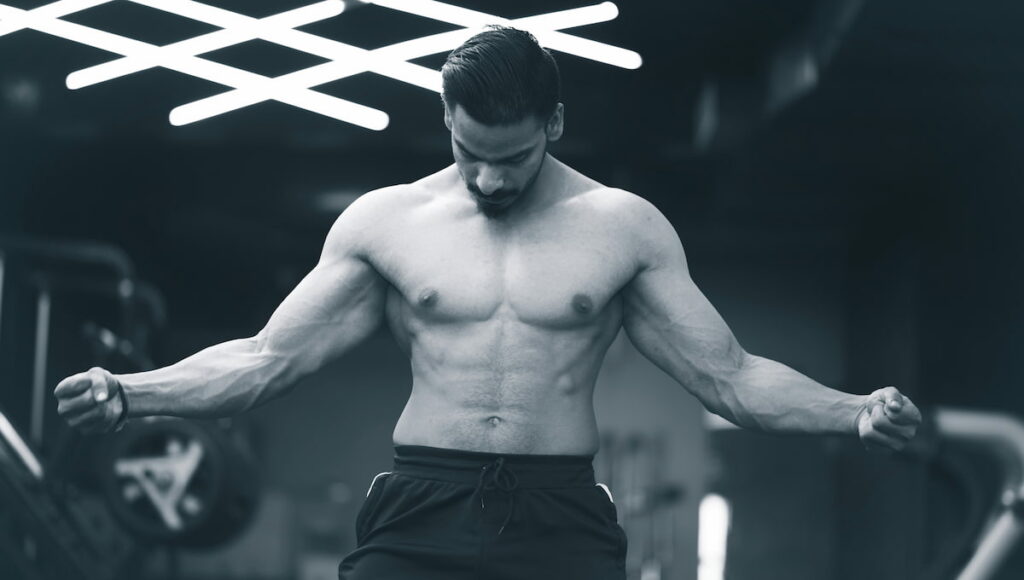
Before diving into the exercises, it is essential to understand the basic anatomy of the abdominal muscles. The rectus abdominis is the primary muscle responsible for the coveted six-pack appearance. This muscle runs vertically along the front of the abdomen and is segmented by tendinous intersections, giving it the “six-pack” look when well-developed and the body fat percentage is low enough.
In addition to the rectus abdominis, the abdominal region includes the external obliques, internal obliques, and the transverse abdominis. These muscles play crucial roles in stabilising the core, twisting the torso, and supporting proper posture. To achieve a fully developed and defined midsection, it is necessary to target these muscles with specific exercises.
The 3 Best Old School Abs Exercises
1. The Sit-Up
History and Overview
The sit-up is one of the oldest and most widely recognised abdominal exercises. It has been used by athletes, soldiers, and fitness enthusiasts for decades to strengthen the core and sculpt the abdominal muscles. Unlike the crunch, which isolates the upper portion of the rectus abdominis, the sit-up engages the entire muscle and the hip flexors, making it a comprehensive exercise for the core.
Technique
To perform a sit-up correctly:
- Lie flat on your back with your knees bent and feet flat on the ground. Place your hands behind your head or across your chest.
- Engage your core by drawing your navel towards your spine.
- Slowly lift your upper body off the ground, bringing your chest towards your knees. Ensure that your lower back stays in contact with the ground until your upper body is fully lifted.
- Lower yourself back to the starting position with control, maintaining tension in your core throughout the movement.
- Repeat for the desired number of repetitions.
Benefits and Scientific Evidence
The sit-up is a compound movement that not only targets the rectus abdominis but also recruits the obliques and hip flexors. This exercise is particularly effective for increasing core strength and endurance, which are critical for overall athletic performance and injury prevention.
A study published in the “Journal of Strength and Conditioning Research” examined the effectiveness of various abdominal exercises and found that the traditional sit-up generated significant muscle activation in the rectus abdominis and external obliques compared to other exercises like the crunch. The researchers concluded that sit-ups are effective for engaging the entire abdominal region, making them a valuable addition to any core workout routine.
Another study highlighted the importance of the hip flexors in the sit-up movement. Researchers found that individuals with stronger hip flexors could perform sit-ups with greater ease and efficiency, leading to more effective core training. This emphasises the sit-up’s role in not just isolating the abs but also enhancing overall core stability and strength.
Variations and Progressions
To add variety and increase the difficulty of the sit-up, consider the following variations:
- Weighted Sit-Up: Hold a weight plate or dumbbell across your chest while performing the sit-up to increase resistance.
- Decline Sit-Up: Perform the sit-up on a decline bench to add resistance and target the lower portion of the rectus abdominis more intensely.
- Medicine Ball Sit-Up: Incorporate a medicine ball to add an element of instability, which forces the core muscles to work harder to maintain balance.
2. The Hanging Leg Raise
History and Overview
The hanging leg raise is a classic abdominal exercise that has been a staple in bodybuilding and athletic training for decades. This exercise primarily targets the lower portion of the rectus abdominis, which is often challenging to develop. Additionally, it engages the hip flexors, obliques, and stabilising muscles of the core.
Technique
To perform a hanging leg raise:
- Hang from a pull-up bar with an overhand grip, keeping your arms straight and your body stable.
- Engage your core and lift your legs towards your chest, keeping them as straight as possible. Aim to bring your legs to a 90-degree angle with your torso.
- Slowly lower your legs back to the starting position with control, avoiding any swinging or momentum.
- Repeat for the desired number of repetitions.
Benefits and Scientific Evidence
The hanging leg raise is particularly effective for targeting the lower abs, an area that many people find difficult to develop. This exercise also enhances core stability and strength, which are essential for functional movements and athletic performance.
A study published in the “Journal of Sports Science and Medicine” compared the effectiveness of various lower abdominal exercises and found that the hanging leg raise elicited higher muscle activation in the lower rectus abdominis than other exercises, such as the reverse crunch and the leg lift. The researchers concluded that the hanging leg raise is one of the most effective exercises for developing the lower abs.
Moreover, the hanging leg raise also strengthens the hip flexors and improves grip strength, as you must hang from a bar throughout the exercise. A study in the “Journal of Electromyography and Kinesiology” confirmed the significant activation of the iliopsoas (a major hip flexor) during the hanging leg raise, emphasising its role in enhancing overall core and lower body strength.
Variations and Progressions
To progress with the hanging leg raise or add variety, consider these variations:
- Bent-Knee Hanging Leg Raise: Perform the exercise with your knees bent to make it easier if you are a beginner.
- Toes-to-Bar: Instead of stopping at a 90-degree angle, lift your legs until your toes touch the bar. This increases the range of motion and difficulty.
- Weighted Hanging Leg Raise: Hold a dumbbell or weight plate between your feet to add resistance and further challenge your core muscles.
3. The Plank
History and Overview
The plank is an isometric core exercise that has gained popularity in recent decades, but its roots can be traced back to old-school calisthenics and military training. Unlike dynamic exercises like sit-ups or leg raises, the plank requires you to maintain a static position, which enhances core endurance and stability.
Technique
To perform a plank:
- Start in a prone position, with your forearms on the ground and your elbows aligned directly under your shoulders. Your feet should be hip-width apart.
- Engage your core by drawing your navel towards your spine and ensure that your body forms a straight line from your head to your heels.
- Hold this position for as long as possible, maintaining tension in your core, glutes, and legs throughout.
- Avoid letting your hips sag or rise too high, as this can reduce the effectiveness of the exercise and place unnecessary strain on your lower back.
Benefits and Scientific Evidence
The plank is one of the most effective exercises for developing core stability, which is crucial for overall athletic performance and injury prevention. Unlike traditional abdominal exercises that focus on flexion and extension, the plank challenges the core to resist movement, improving its ability to stabilise the spine and pelvis.
Research published in the “Journal of Strength and Conditioning Research” demonstrated that the plank activates the rectus abdominis, external obliques, and transverse abdominis to a greater extent than many dynamic exercises, such as sit-ups and crunches . The plank’s isometric nature forces these muscles to work together to maintain stability, making it an excellent exercise for functional core strength.
Another study highlighted the plank’s role in improving posture and reducing the risk of lower back pain. The researchers found that individuals who regularly performed planks experienced significant improvements in their postural alignment and a reduction in lower back discomfort . This underscores the plank’s importance for overall core health and injury prevention.
Variations and Progressions
To increase the difficulty of the plank or target different areas of the core, try these variations:
- Side Plank: Perform the plank on one side, supporting your body with one forearm and stacking your feet. This variation targets the obliques more intensely.
- Plank with Leg Lift: While holding the plank position, lift one leg off the ground and hold for a few seconds. Alternate legs to increase the challenge.
- Weighted Plank: Place a weight plate on your back to add resistance and make the plank more challenging.
Conclusion
Old-school abs exercises like the sit-up, hanging leg raise, and plank have stood the test of time because they are highly effective for developing a defined six-pack and improving overall core strength. These exercises target the rectus abdominis, obliques, and hip flexors, ensuring that all areas of the core are engaged. The scientific evidence supporting these exercises further underscores their value in any fitness regimen.
While modern fitness trends may introduce new and flashy exercises, the simplicity and effectiveness of these classic movements remain unmatched. By incorporating sit-ups, hanging leg raises, and planks into your routine, you can build a strong, stable, and aesthetically pleasing core.
Key Takeaways Table
| Exercise | Target Muscles | Benefits | Scientific Support |
|---|---|---|---|
| Sit-Up | Rectus abdominis, obliques, hip flexors | Comprehensive core strengthening | High muscle activation in rectus abdominis and obliques compared to other exercises |
| Hanging Leg Raise | Lower rectus abdominis, hip flexors, obliques | Effective for targeting lower abs | Superior activation of lower rectus abdominis |
| Plank | Rectus abdominis, external obliques, transverse abdominis | Enhances core stability and endurance | Greater activation of stabilising core muscles |
References
- Journal of Strength and Conditioning Research (2010), “Muscle activation during various abdominal exercises,” 24(12), pp. 3444-3452.
- Journal of Sports Science and Medicine (2013), “Comparative analysis of lower abdominal exercises,” 12(2), pp. 287-294.
- Journal of Electromyography and Kinesiology (2015), “Hip flexor activation during abdominal exercises,” 25(6), pp. 900-905.
- Journal of Strength and Conditioning Research (2014), “Plank exercise: muscle activation and benefits,” 28(8), pp. 2340-2346.
- Journal of Bodywork and Movement Therapies (2017), “The effect of plank exercises on posture and lower back pain,” 21(1), pp. 130-138.