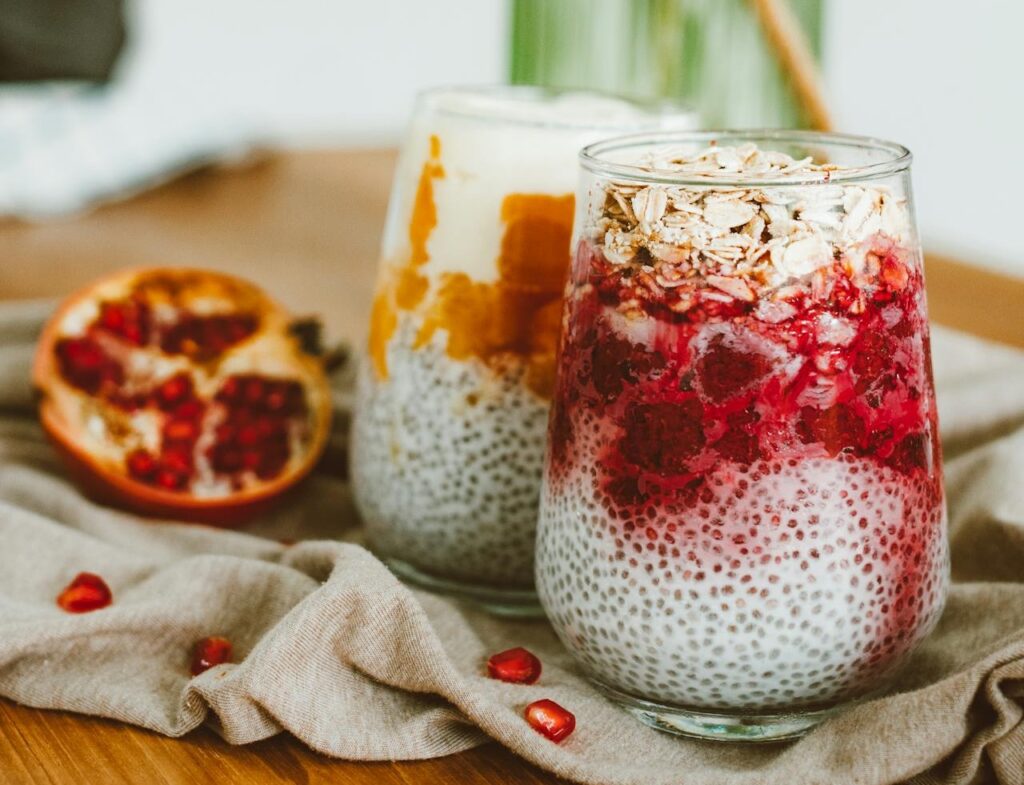
The Nordic diet is an interesting modern eating pattern inspired by traditional foods and culinary practices of the Nordic countries – Denmark, Iceland, Norway, Finland, and Sweden. The main spotlight is on whole, seasonal, and locally sourced foods, meaning it emphasizes both sustainability and health.
Even though they are on opposite sides of Europe, the Mediterranean and Nordic diets share the same idea but are tailored to the foods available in both areas. Here are seven benefits of the Nordic diet!


Nordic Diet Is Fabulous for Heart Health.
This diet includes a broad range of foods that are actually amazing for heart health, from omega-3 fatty acids to whole grains and everything in between. Let’s break down all the benefits:
Omega-3 Fatty Acids
First things first, the Nordic diet is stuffed with fatty fish like mackerel, herring, salmon, and trout. They all overflow with omega-3 fatty acids, which are superb for reducing inflammations in the body and blocking blood clots – the main cause of heart attack. Chronic inflammations are one of the biggest contributors to heart disease.
They provoke the development of atherosclerosis – the buildup of fatty plaques in the arteries. These fatty acids also lower triglycerides, the main risk of heart disease.
What’s more, omegas stabilize the heart’s rhythm, cutting down the risk of arrhythmias, which are irregular heartbeats. As you know, they can cause serious complications like strokes and sudden cardiac arrest.
High Fiber
This diet emphasizes whole grains such as rye, barley, and oats. They are loaded with dietary fiber, but particularly soluble fiber. Soluble fiber is terrific for lowering cholesterol levels (particularly LDL bad cholesterol) by binding to cholesterol in the digestive tract and stopping it from entering the bloodstream. Lower LDL levels mean less risk of coronary heart disease!

It is a well-known fact that type 2 diabetes is a huge risk factor for heart disease. However, whole grains are amazing for diabetes prevention, meaning they keep your heart healthy, but this time indirectly.
Antioxidants
The Nordic diet involves different kinds of berries, not only standard ones but rare types like bilberries, lingonberries, and cloudberries, which are incredible sources of antioxidants. Plus, it emphasizes the consumption of root vegetables like carrots and beets, as well as cruciferous vegetables.
Antioxidants in these foods, vitamins C and E, flavonoids, and polyphenols combat oxidative stress, which damages blood vessels. Vegetables rich in potassium (beets and leafy greens) regulate blood pressure by stabilizing the effects of sodium. This lessens the risk of hypertension – a major risk factor for heart disease.
By Following the Nordic Diet, You Will Manage your Weight.
The Nordic diet highlights only whole, unprocessed foods, meaning those foods are extra quality and will keep you full longer than convenience foods. Dietary fibers are actually key components of the diet, including whole grains (rye, oats, barley), vegetables, fruits, and legumes. They promote satiety by slowing down the digestion process, plus regulate blood sugar due to their low glycemic index.
This means only one thing – you will be full long after a meal and won’t have a need to snack! All of the recommended foods on this diet (fish, whole grains, lean meat, fruit, and vegetables) are incredibly nutrient-dense but also tend to have way fewer calories than processed foods.
So, you can enjoy a lot more food and nutrients but never go over your recommended calorie count. By limiting processed foods and added sugars, this diet cuts out “empty calories” that provide little to no nutritional value whatsoever.
Nordic Diet Reduces Inflammations.
This diet is a combination of nutrient-rich foods famous for their anti-inflammatory properties. Cold-water fatty fish are staples in the Nordic diet and are super rich in omega-3 fatty acids, particularly EPA (eicosapentaenoic acid) and DHA (docosahexaenoic acid).

Omega-3s are renowned for their capacity to reduce pro-inflammatory markers that skyrocket when there is some kind of inflammation in the body. Free radicals are compounds that provoke oxidative stress, a key driver of all inflammations. The great thing is berries, root vegetables, and leafy greens are stuffed with antioxidants.
The antioxidants from these fruits and vegetables soothe oxidative stress, which otherwise triggers chronic inflammation. They can provoke conditions like cancer, heart disease, or even neurodegenerative disorders.
Plus, nuts, seeds, and plant-based oils all work in synergy to reduce oxidative stress and inflammation. They especially lower CRP, one of the most important inflammatory markers.
Nordic Diet Boosts Digestive Health.
Nutrient-rich whole foods’ main trait is supporting gut function by skyrocketing microbial balance and promoting regular bowel movements. Dietary insoluble fiber is a star of a healthy gut because it adds bulk to the stool and prevents constipation. You will find it in whole grains and vegetables.
On the other side, soluble fiber from oats, legumes, and certain fruits and veggies work as probiotics. They feed good gut bacteria and maintain a balanced and diverse microbiome, which is salient for proper digestion and nutrient absorption. As you can see, fiber keeps the digestive tract clean and functional, reducing the risks of conditions like diverticulitis, IBS, and colorectal cancer.
One more amazing part of the diet is the inclusion of fermented ingredients: skyr, yogurt, sauerkraut, and other veggies. Fermented foods are abundant in probiotics, which are beneficial for people with very specific digestive disorders: irritable bowel, inflammatory bowel disease, and lactose intolerance.
They are awesome for soothing symptoms like bloating, gas, and diarrhea by magnifying the digestion of food. Moreover, probiotics strengthen the gut barrier, which is one more reason to incorporate them into your diet!
Nordic Diet Controls Blood Sugar.
By having a low glycemic index, whole grains, root vegetables, legumes, and berries release glucose into the bloodstream very slowly and controlled. This means they don’t cause spikes in blood sugar or insulin levels, preventing the development of diabetes and insulin resistance.
They keep your body sensitive to insulin, which allows your cells to respond properly and take up glucose (sugar) efficiently. Of course, this prevents sugar crashes and cravings, helping you to stay on track with healthy eating.
These foods are also packed with dietary fiber that slackens digestion and takes up carbs. This is terrific, as it results in the release of glucose bit by bit into the bloodstream and stabilizes blood sugar levels.
Blood sugar spikes, especially after a meal, so eating these ingredients will delay its absorption from the gut. People with diabetes or insulin resistance consider these perks particularly beneficial, so this is one of the best diets for treating these conditions.
The Nordic Diet Is Rich in Essential Nutrients.
The Nordic diet is perfectly balanced. It has it all – lean proteins, whole grains, fiber, and healthy fats. Because of the highlight of whole natural foods that are locally sourced and seasonally available in Nordic countries, they are super rich in micronutrients. The diet is famous for its health benefits, including almost all organ systems, from the heart to the digestive tract and the glandular system.
Here are the most common ingredients to consume when following the diet and their nutrients:
- omega-3 fatty acids – fatty fish (maceral, sardines, salmon, herring)
- fiber – whole grains (rye, oats, barley), vegetables (root vegetables like carrots, beets, potatoes), legumes, and fruits (especially berries)
- antioxidants – berries, leafy greens, root vegetables
- vitamins and minerals – vitamin D from fatty fish, vitamin B from whole grains and legumes, iron from lean meat, magnesium and vitamin E from whole grains, nuts, seeds, and leafy greens
- healthy fats – canola oil, nuts, seeds, and fatty fish
- protein – fish, lean meats, legumes, nuts, seeds
- low GI carbohydrates – whole grains, legumes, root vegetables
- probiotics – skyr, yogurt, fermented vegetables
Key Ingredients of the Nordic Diet
Here is a short list of the most common foods to eat on the Nordic diet:
Whole Grains:
- rye
- barley
- oats
- whole-grain bread
Fruits and Vegetables:
- root vegetables – carrots, beets, potatoes
- cabbage
- kale
- berries – blueberries, lingonberries, cloudberries
Fatty Fish:
- salmon
- mackerel
- herring
- trout
Lean Meats:
- game meat (elk, deer)
- poultry
- red meat occasionally
Legumes:
- beans
- peas
- lentils
Dairy:
- Skyr
- cheese
- milk
- yogurt
Healthy Fats:
- canola oil
- nuts
- seeds
Foraged Foods:
- mushrooms
- wild berries
- herbs
Nordic Diet Supports Mental Health
Omega-3 fatty acids are once more the main focus because of their importance for brain health. They prop up cognitive functions such as memory, attention, and learning. Thus, adequate intake lowers risks of cognitive decline and neurodegenerative diseases (e.g., Alzheimer’s). Omegas regulate neurotransmitters like serotonin and dopamine, which are primarily for mood stabilization.
It is interesting that low levels of these fatty acids actually have a connection with mood disorders like depression and anxiety. As explained more thoroughly above, antioxidants from berries, leafy greens, and root vegetables pacify oxidative stress. This considers inflammations in the brain, as well, which can cause mental health issues (depression, neurodegenerative disorders).
The diet is abundant in B vitamins from whole grains, legumes, leafy greens, and fish. B6, B12, and folate are principal for brain function. Their deficiencies, in fact, provoke mood disorders and cognitive decline. So, these ingredients are terrific for boosting mood and managing symptoms of depression and anxiety.
The gut-brain connection is much more important than you would think. A healthy gut, supported by dietary fiber, directly impacts mental health. A balanced gut microbiome influences mood and cognitive function, and vice-versa. To conclude, by supporting a healthy gut, fiber indirectly supports mental well-being, too!