For many, the bench press is the quintessential exercise for building a robust and powerful chest. However, not everyone can or should perform this movement due to various constraints, such as injury, equipment limitations, or personal preference.
Fortunately, several alternative exercises can effectively target the chest muscles, promoting strength and hypertrophy. This article explores three highly effective chest exercises supported by scientific research that you can incorporate into your workout routine if bench pressing is not an option.


Understanding Chest Anatomy
Before delving into the exercises, it’s crucial to understand the primary muscles involved in chest exercises. The chest, or pectoral region, comprises two major muscles: the pectoralis major and the pectoralis minor.
- Pectoralis Major: This is the larger of the two muscles and is responsible for the bulk of the chest. It has two heads: the clavicular head (upper chest) and the sternal head (lower chest). Its primary functions include horizontal adduction, flexion, and internal rotation of the humerus.
- Pectoralis Minor: Situated beneath the pectoralis major, this smaller muscle assists in the movement of the shoulder blade (scapula), aiding in downward rotation and depression.
Effective chest exercises should engage both these muscles to ensure comprehensive development.
1. Push-Ups
Benefits of Push-Ups
Push-ups are a compound exercise that targets the chest, shoulders, triceps, and core. They can be performed anywhere, require no equipment, and can be modified to suit different fitness levels.
Scientific Support
Research has shown that push-ups can be as effective as the bench press in terms of muscle activation. A study published in the Journal of Strength and Conditioning Research found that push-ups performed with elastic bands generated similar electromyographic (EMG) activity in the pectoralis major as the bench press performed with a load of 75% of one-repetition maximum (1RM) (Calatayud et al., 2015).
How to Perform Push-Ups
- Start in a plank position with your hands placed slightly wider than shoulder-width apart.
- Keep your body in a straight line from head to heels, engaging your core.
- Lower your body until your chest nearly touches the ground, keeping your elbows at a 45-degree angle.
- Push back up to the starting position, ensuring you do not lock your elbows at the top.
Variations
- Incline Push-Ups: Performed with hands elevated on a bench or step, these reduce the load and are easier for beginners.
- Decline Push-Ups: Performed with feet elevated, these increase the load on the upper chest and shoulders.
- Plyometric Push-Ups: Involve explosive movements and are excellent for power and muscle activation.
2. Dumbbell Flyes
Benefits of Dumbbell Flyes
Dumbbell flyes specifically target the chest muscles by allowing a greater range of motion compared to traditional pressing movements. They are particularly effective for isolating the pectoral muscles and promoting muscle hypertrophy.
Scientific Support
Studies have indicated that exercises like the dumbbell fly can significantly activate the chest muscles. Research in the European Journal of Applied Physiology found that fly movements, such as the dumbbell fly, led to substantial muscle activation and were effective in promoting muscle growth (Lehman, 2005).
How to Perform Dumbbell Flyes
- Lie on a flat bench with a dumbbell in each hand, palms facing each other.
- Extend your arms above your chest with a slight bend in your elbows.
- Slowly lower the dumbbells in a wide arc until you feel a stretch in your chest.
- Reverse the motion, bringing the dumbbells back to the starting position, squeezing your chest muscles at the top.
Variations
- Incline Dumbbell Flyes: Performed on an incline bench, these target the upper chest.
- Decline Dumbbell Flyes: Performed on a decline bench, these emphasize the lower chest.
- Cable Flyes: Using cables allows for constant tension throughout the movement.
3. Dips
Benefits of Dips
Dips are an excellent compound exercise that primarily targets the lower chest, triceps, and shoulders. They are highly effective for building strength and muscle mass in the chest.
Scientific Support
Research supports the efficacy of dips for chest activation. A study published in the Journal of Human Kinetics demonstrated that dips produced high EMG activity in the pectoralis major, comparable to that of the bench press (Boettcher et al., 2010).
How to Perform Dips
- Position yourself on parallel bars, holding your body up with your arms extended.
- Lean slightly forward to emphasize the chest muscles.
- Lower your body by bending your elbows until your upper arms are parallel to the ground.
- Push yourself back up to the starting position, avoiding locking your elbows.
Variations
- Bench Dips: Suitable for beginners, these are performed with hands on a bench and feet on the ground.
- Weighted Dips: Adding weight increases the intensity and promotes greater strength gains.
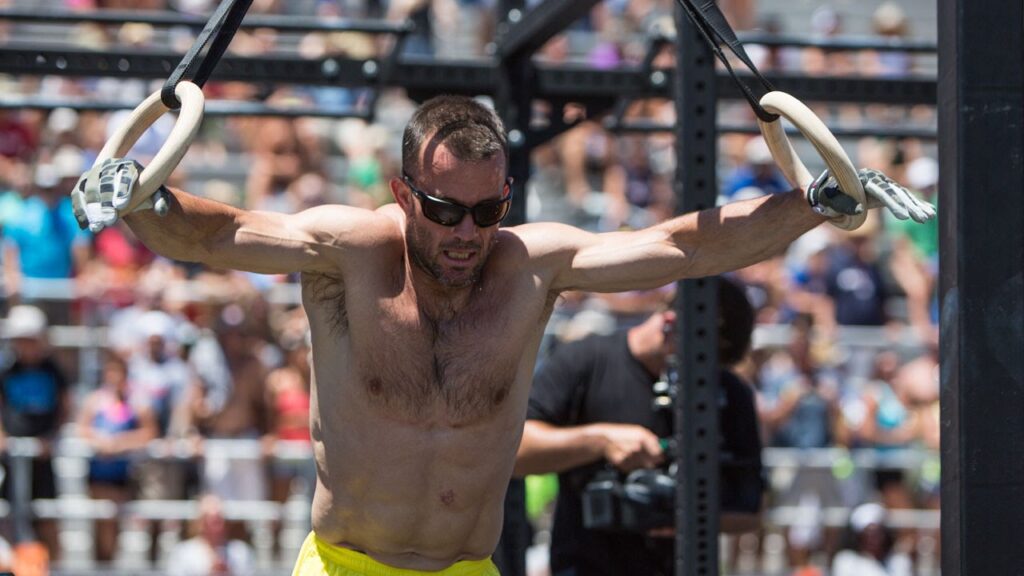
- Ring Dips: Performing dips on gymnastic rings adds an element of instability, increasing muscle activation and core engagement.
Incorporating Alternative Chest Exercises into Your Routine

Structuring Your Workouts
When replacing the bench press with alternative exercises, it’s essential to maintain a balanced and comprehensive workout routine. Here’s an example of how to structure a chest workout using the exercises discussed:
- Push-Ups: 4 sets of 10-15 reps
- Dumbbell Flyes: 4 sets of 8-12 reps
- Dips: 4 sets of 8-12 reps
Progressive Overload
To ensure continuous improvement, apply the principle of progressive overload. Gradually increase the weight, reps, or intensity of your exercises to challenge your muscles and stimulate growth.
Recovery and Nutrition
Adequate recovery and proper nutrition are critical for muscle growth and performance. Ensure you get enough rest between workouts and consume a balanced diet rich in protein, healthy fats, and carbohydrates.
Conclusion
While the bench press is a staple in many chest routines, it’s not the only path to a strong and defined chest. Push-ups, dumbbell flyes, and dips are highly effective alternatives that can provide comparable, if not superior, results. Incorporate these exercises into your workout routine, and you may find yourself achieving impressive gains without ever needing to bench press.
Bibliography
Boettcher, C. E., Ginn, K. A., & Cathers, I. (2010). Standard maximum isometric voluntary contraction tests for normalizing shoulder muscle EMG. Journal of Human Kinetics, 31, 5-9.
Calatayud, J., Borreani, S., Colado, J. C., Martin, F., Tella, V., & Andersen, L. L. (2015). Bench press and push-up at comparable levels of muscle activity result in similar strength gains. Journal of Strength and Conditioning Research, 29(1), 246-253.
Lehman, G. J. (2005). The influence of shoulder width on muscle activation during push-ups and bench press. European Journal of Applied Physiology, 93(5-6), 528-536.
Key Takeaways Table
| Key Takeaways |
|---|
| Push-Ups: Effective for chest activation, can be modified for all fitness levels, and supported by research for comparable muscle activation to bench press. |
| Dumbbell Flyes: Target the chest with a greater range of motion, isolate the pectorals, and promote hypertrophy, supported by studies on muscle activation. |
| Dips: Excellent for lower chest development, triceps, and shoulders, with high EMG activity and proven effectiveness in scientific studies. |
| Workout Structure: Incorporate push-ups, dumbbell flyes, and dips into a balanced chest workout routine, ensuring progressive overload and adequate recovery. |
Incorporating these alternative exercises can help you achieve a well-developed chest without the need for a bench press, backed by scientific evidence and practical application.