Diving into the Fruitarian Diet is a fabulous journey into a raw, plant-based lifestyle, bursting with fruits! However, let’s approach it with caution and consider potential nutritional deficiencies.
Probably one of the most controversial diets, the fruitarian diet is highly debated. Based on raw fruits, it can be very beneficial, but also cause serious nutrient deficiencies. But, how beneficial or harmful can it be? How long can one practice it? Take a look at the paragraphs below to find out more about the fruitarian diet.


What Is the Fruitarian Diet?
The Fruitarian Diet is a unique and very restrictive diet that is based on the consumption of raw fruits. As a subset of veganism, this diet excludes all animal products and processed foods, focusing entirely on fruits in their natural state. Food processing in terms of this diet means any kind of modification of your food before eating- including cooking.

Some dieters also include nuts, seeds, and a limited amount of vegetables, but the primary focus remains on fresh, raw fruits. The Fruitarian Diet stems from the belief that fruits are the most natural and optimal food source for humans, building on the idea that our ancestors thrived on a diet rich in fruits.
However considering the Paleo Diet which ancient men also practiced, it is still debatable whether or not our civilization was sustained on fruit only. Furthermore, the human body has significantly changed over the millennia, meaning that what took to sustain it back then is unlikely to sustain it today.
People flock to the Fruitarian Diet for tons of reasons—ethics, the environment, or just vibing with nature on a whole new level. Plus, it’s the go-to for anyone needing a super-restrictive diet for health wins.
On the Fruitarian Diet, meals normally consist of large quantities of fresh fruits such as apples, oranges, bananas, and berries. Dried fruits like dates, figs, and raisins are also commonly consumed, often as snacks or as part of a meal.
Fruit juices and smoothies are popular options as well, offering a convenient and hydrating way to consume a variety of fruits at once. Nuts and seeds may be included in small amounts to provide additional nutrients such as healthy fats and protein.
Some variations of the Fruitarian Diet also allow for the consumption of certain vegetables, though these are usually limited to those that are technically fruits, like tomatoes and cucumbers.
The goal of the Fruitarian Diet varies from person to person. For some, it is about achieving optimal health and well-being by eating a diet they believe is most suitable for the human body.
Others adopt the diet for detoxification purposes to cleanse their bodies of toxins by consuming only pure, raw fruits.
Benefits of the Fruitarian Diet
Packed with raw fruits, the Fruitarian Diet is a powerhouse of perks for your body—talk about a natural health boost!
Simplicity: One of the most significant benefits of the Fruitarian Diet is its simplicity and focus on whole, unprocessed foods. By eliminating animal products and processed foods, the diet naturally promotes a higher intake of vitamins, minerals, and antioxidants, which are abundant in fresh fruits.
Fruits are rich in essential nutrients like vitamin C, potassium, and dietary fiber, which are important for overall health and well-being. The high fiber content in fruits can aid in digestion and help prevent constipation, while the antioxidants present in many fruits can help protect the body from oxidative stress and reduce the risk of chronic diseases.
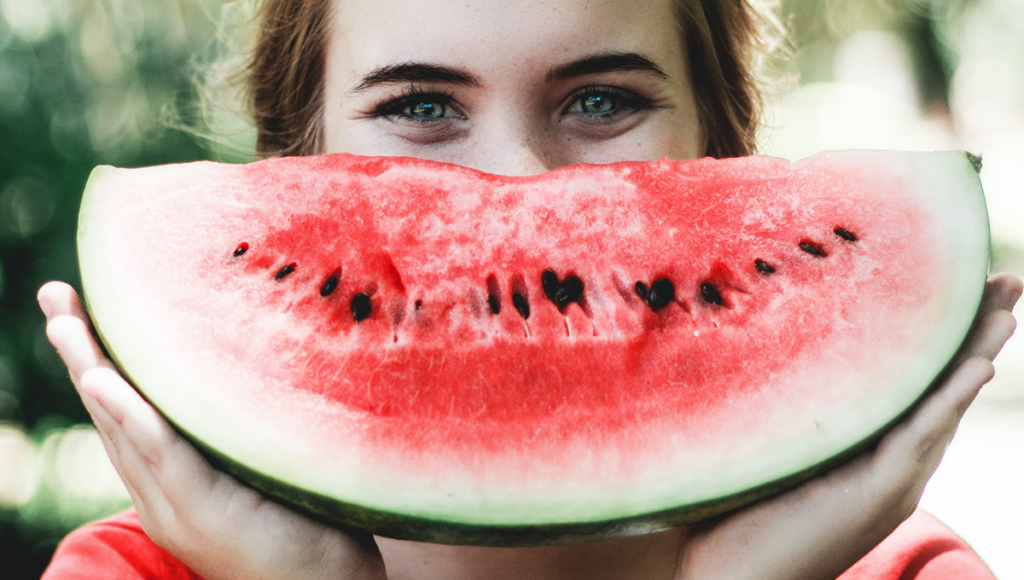
Weight Loss: Another potential benefit of the Fruitarian Diet is its effectiveness for weight loss. Fruits are generally low in calories and high in water content, which means they can help you feel full and satisfied without consuming large amounts of calories.
This can lead to a natural reduction in caloric intake, making weight loss more achievable for those who follow the diet. The diet’s high fiber content also contributes to feelings of satiety, which can prevent overeating and help regulate appetite.
Ethical Considerations: The Fruitarian Diet is also praised for its environmental sustainability. Fruits can be grown in a variety of climates and often require less water, land, and energy to produce. Additionally, the diet aligns with ethical considerations for those who choose to avoid animal products and adopt a lifestyle that minimizes harm to animals and the planet.
Cons of the Fruitarian Diet
Like any major lifestyle change, which the Fruitarian Diet most certainly is, in addition to the benefits, there are also negative aspects one needs to consider.
Nutritional Deficiencies: The Fruitarian Diet brings a significant risk of nutritional deficiencies. The diet is extremely restrictive, which makes it challenging to obtain all the essential nutrients the body needs to function optimally.
While fruits are rich in vitamins and minerals, they are low in certain nutrients that are crucial for health, such as protein, healthy fats, calcium, iron, and vitamin B12.
Considering that protein is particularly important for maintaining muscle mass, supporting immune function, and repairing tissues, and the lack of protein in the Fruitarian Diet can lead to muscle loss, weakened immunity, and other health issues.
Macronutrient Imbalance: Fruits are naturally high in carbohydrates, particularly sugars, which can cause blood sugar levels to spike. This can be problematic for those with insulin resistance, diabetes, or other blood sugar-related conditions.
The diet’s low protein and fat content can also lead to imbalances in energy levels, mood, and hormonal health. Healthy fats, such as those found in nuts, seeds, and avocados, are essential for brain health, hormone production, and the absorption of fat-soluble vitamins.
Skipping out on these essential fats? That’s a no-go, as it might dial down your health stats—definitely something to keep an eye on!
Duration and Social Aspects: The Fruitarian Diet can be challenging to maintain long-term due to its limited variety and social implications. The diet’s restrictive nature can make it very difficult to enjoy meals with others, as dining out and social gatherings often involve foods that are not allowed on the diet.
This could potentially lead to social isolation, unless all your friends practice the same diet, and may contribute to disordered eating patterns, as the diet’s rigidity can create an unhealthy relationship with food.
Not For Everybody: Like any diet, the Fruitarian Diet isn’t for everybody. While you can experiment with other diets and see if they fit, the Fruitarian Diet doesn’t allow much experimentation. Certain groups of people should avoid the Fruitarian Diet altogether.
Individuals with diabetes or insulin resistance should be cautious, as the high carbohydrate and sugar content of the diet can exacerbate blood sugar imbalances. Pregnant or breastfeeding women may also need to avoid the diet, as it may not provide the necessary nutrients to support their increased nutritional needs.
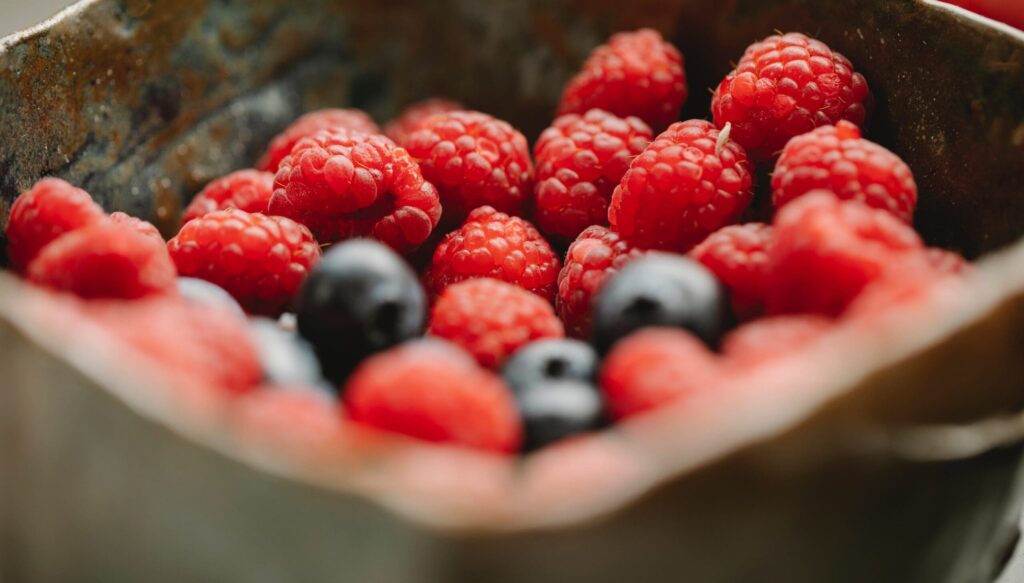
Some people may thrive on this diet, experiencing improvements in their health and well-being, while others may find it challenging to meet their nutritional needs.
If you are interested in this diet, it may be wise to consult with a healthcare professional or nutritionist to ensure that all nutritional needs are being met.
Fruitarian Diet Plan Examples
To gain a better insight into the Fruitarian Diet, take a look at the sample one-week plan below. This sample plan includes a variety of fruits to ensure a diverse intake of nutrients while adhering to the principles of the Fruitarian Diet.
Day 1: Monday
Breakfast: Fresh watermelon slices
Lunch: Mixed fruit salad with bananas, strawberries, mango, and kiwi
Dinner: A large bowl of grapes and cherries
Snack: A handful of dried apricots
Day 2: Tuesday
Breakfast: Smoothie made with bananas, blueberries, and a handful of spinach
Lunch: Fresh pineapple slices and a small handful of almonds
Dinner: Sliced mango and papaya
Snack: Fresh orange segments
Day 3: Wednesday
Breakfast: Fresh apple and pear slices
Lunch: A bowl of mixed berries, including raspberries, blackberries, and strawberries
Dinner: A large bowl of sliced peaches and plums
Snack: A handful of walnuts
Day 4: Thursday
Breakfast: A smoothie made with bananas, dates, and coconut water
Lunch: Fresh fig slices and a side of melon
Dinner: A mixed fruit platter with grapes, pineapple, and kiwi
Snack: A few raw cashews
Day 5: Friday
Breakfast: Freshly squeezed orange juice and a ripe banana
Lunch: Sliced papaya and mango
Dinner: A fruit salad with apple slices, banana, and mixed berries
Snack: A small handful of dried cranberries
Day 6: Saturday
Breakfast: A bowl of sliced watermelon and cantaloupe
Lunch: A large bowl of cherries and blueberries
Dinner: Sliced peaches and nectarines
Snack: A handful of almonds
Day 7: Sunday
Breakfast: Fresh pineapple slices
Lunch: Mixed fruit salad with mango, kiwi, and strawberries
Dinner: A large bowl of raspberries and blackberries
Snack: A few dates