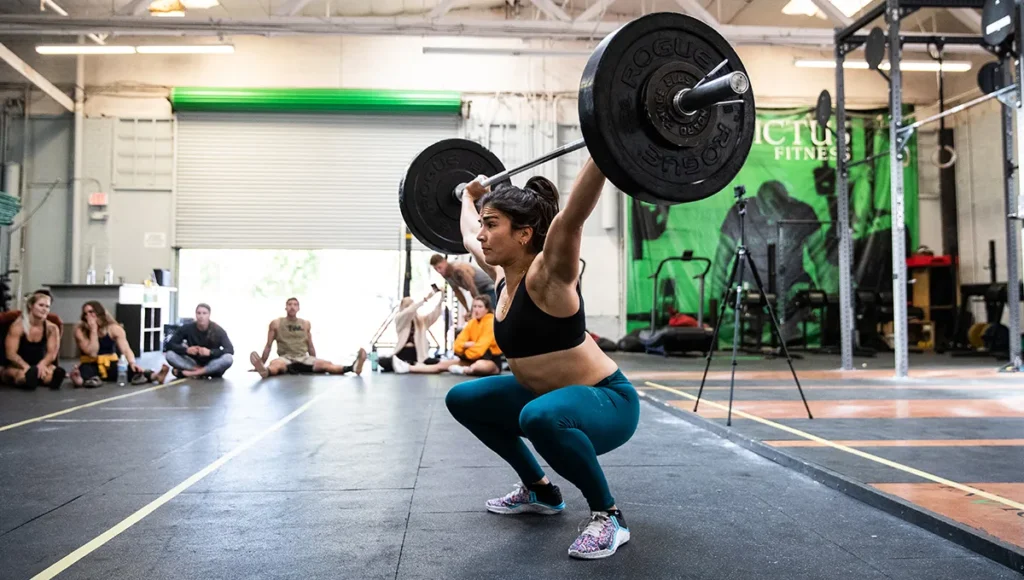
Achieving muscular legs is often seen as one of the most challenging aspects of building a well-rounded physique. While upper-body workouts tend to dominate gym routines, leg training is crucial for overall strength, athleticism, and aesthetic balance. This article outlines five science-backed tricks that can help you get muscular legs faster. By incorporating these strategies into your workout regimen, you can maximise muscle growth, improve performance, and reduce the risk of injury.
Trick 1: Prioritise Compound Exercises
The Power of Multi-Joint Movements
Compound exercises are multi-joint movements that target several muscle groups simultaneously. For leg development, compound exercises such as squats, deadlifts, and lunges are essential. These exercises not only activate the quadriceps, hamstrings, glutes, and calves, but they also engage the core and lower back, promoting overall stability and strength.


The Science Behind Compound Movements
Research supports the effectiveness of compound exercises for muscle hypertrophy. A study published in the Journal of Strength and Conditioning Research found that compound exercises, particularly squats, stimulate more significant muscle activation compared to isolation exercises. The study highlighted that squats activated nearly twice as many muscle fibres as leg extensions, making them far more efficient for leg muscle growth.
Practical Application
To maximise the benefits of compound exercises, start your leg workouts with them. Focus on perfecting your form and progressively increasing the weight. For example, incorporate back squats, front squats, and deadlifts into your routine, aiming for 3-4 sets of 6-8 reps. This rep range is ideal for hypertrophy, ensuring that your muscles are subjected to sufficient tension and time under load.
Trick 2: Utilise Progressive Overload
The Principle of Progressive Overload
Progressive overload is the gradual increase of stress placed on the muscles during exercise. This principle is fundamental for muscle growth. By progressively increasing the weight, volume, or intensity of your workouts, you force your muscles to adapt, resulting in hypertrophy.
Evidence Supporting Progressive Overload
A study published in the European Journal of Applied Physiology examined the effects of progressive overload on muscle strength and hypertrophy. The researchers found that participants who consistently increased their training intensity experienced significantly greater muscle gains than those who maintained a constant training load . This study underscores the importance of continually challenging your muscles to achieve optimal growth.
Practical Application
To apply progressive overload to your leg training, ensure that you are consistently increasing the weight, number of sets, or repetitions in your exercises. For example, if you squat 100 kg for 6 reps today, aim to squat 105 kg for the same number of reps in the coming weeks. Additionally, consider implementing advanced techniques such as drop sets, supersets, and tempo variations to further stimulate muscle growth.
Trick 3: Incorporate Eccentric Training
Understanding Eccentric Contractions
Eccentric training focuses on the lengthening phase of a movement, where the muscle elongates under tension. This type of contraction occurs when lowering a weight, such as when descending in a squat. Eccentric contractions generate more force than concentric (lifting) contractions and are crucial for muscle growth.
Scientific Support for Eccentric Training
Research indicates that eccentric training is highly effective for muscle hypertrophy. A study in the Journal of Applied Physiology found that eccentric contractions produced greater increases in muscle size and strength compared to concentric contractions alone . The researchers concluded that the unique mechanical stress of eccentric training triggers more significant muscle damage and repair, leading to enhanced muscle growth.
Practical Application
To incorporate eccentric training into your leg routine, focus on controlling the lowering phase of each exercise. For example, during squats or lunges, take 3-4 seconds to lower your body, then explode upwards. You can also perform exercises like negative squats, where you lower the weight slowly and then have a partner assist you in the concentric phase. This approach will intensify muscle activation and promote faster growth.
Trick 4: Emphasise Volume and Frequency

The Importance of Training Volume
Training volume refers to the total amount of work performed in a workout, usually calculated as sets x reps x weight. Higher training volumes have been linked to increased muscle hypertrophy, as they lead to more significant muscle fibre recruitment and metabolic stress.
Frequency Matters
In addition to volume, the frequency of training sessions per week plays a vital role in muscle growth. A study published in the Sports Medicine journal found that training a muscle group twice per week resulted in greater hypertrophy than training it once per week . The study suggested that higher frequency allows for more frequent stimulation of the muscles, leading to better adaptation and growth.
Practical Application
To maximise leg hypertrophy, aim to train your legs 2-3 times per week. Structure your workouts to include a variety of exercises targeting all major leg muscles. For example, you might perform heavy squats and deadlifts on one day, lunges and step-ups on another, and leg presses and hamstring curls on a third day. Ensure each session includes 3-5 sets of 8-12 reps per exercise to accumulate sufficient volume.
Trick 5: Optimise Recovery with Nutrition and Sleep

The Role of Nutrition in Muscle Growth
Muscle recovery and growth occur primarily during rest, making nutrition and sleep critical components of any training programme. Adequate protein intake is essential for muscle repair and growth. A study published in the American Journal of Clinical Nutrition recommends consuming 1.6-2.2 grams of protein per kilogram of body weight per day to maximise muscle protein synthesis . Additionally, consuming carbohydrates post-workout helps replenish glycogen stores and support recovery.
The Impact of Sleep on Muscle Growth
Sleep is another crucial factor in muscle recovery. During sleep, the body releases growth hormone, which plays a vital role in tissue repair and muscle growth. A study in the Journal of Clinical Endocrinology & Metabolism found that sleep deprivation negatively impacts muscle recovery and growth hormone production . Therefore, ensuring 7-9 hours of quality sleep per night is essential for optimal muscle development.
Practical Application
To optimise recovery, focus on a diet rich in protein, complex carbohydrates, and healthy fats. Consider consuming a protein-rich meal or shake within 30 minutes post-workout to kickstart the recovery process. Additionally, establish a consistent sleep routine to ensure you are getting enough rest each night. Avoid late-night electronic device use, and consider practices such as meditation or deep breathing to improve sleep quality.
Conclusion
Building muscular legs requires a strategic approach that combines effective exercises, progressive overload, eccentric training, high volume, and proper recovery. By prioritising compound exercises, applying progressive overload, incorporating eccentric contractions, increasing training volume and frequency, and optimising recovery, you can accelerate muscle growth and achieve your desired leg development faster.
Implementing these five tricks into your workout routine will not only help you build stronger, more muscular legs but also improve your overall athletic performance and reduce the risk of injury. Remember, consistency and dedication are key to achieving long-term results.
Key Takeaways
| Key Strategies | Description |
|---|---|
| Prioritise Compound Exercises | Focus on multi-joint movements like squats and deadlifts for maximum muscle activation. |
| Utilise Progressive Overload | Gradually increase weight, reps, or volume to continually challenge your muscles. |
| Incorporate Eccentric Training | Emphasise the lengthening phase of movements to trigger greater muscle hypertrophy. |
| Emphasise Volume and Frequency | Train legs 2-3 times per week with sufficient volume for optimal muscle growth. |
| Optimise Recovery | Ensure adequate protein intake and quality sleep for muscle repair and growth. |
Bibliography
- Schoenfeld, B. J., Contreras, B., Tiryaki-Sonmez, G., Wilson, J. M., Kolber, M. J., & Peterson, M. (2013) ‘Regional differences in muscle activation during hamstrings exercise’, Journal of Strength and Conditioning Research, 27(1), pp. 150–158.
- Grgic, J., Schoenfeld, B. J., Latella, C., & Mikulic, P. (2018) ‘Resistance training frequency and skeletal muscle hypertrophy: A review of available evidence’, European Journal of Applied Physiology, 118(5), pp. 1119–1148.
- Franchi, M. V., Atherton, P. J., Reeves, N. D., Flück, M., Williams, J., Mitchell, W. K., Selby, A., & Narici, M. V. (2014) ‘Architectural, functional and molecular responses to concentric and eccentric loading in human skeletal muscle’, Journal of Applied Physiology, 117(4), pp. 427–436.
- Schoenfeld, B. J., Ogborn, D., & Krieger, J. W. (2016) ‘Effects of resistance training frequency on measures of muscle hypertrophy: A systematic review and meta-analysis’, Sports Medicine, 46(11), pp. 1689–1697.
- Morton, R. W., Murphy, K. T., McKellar, S. R., Schoenfeld, B. J., Henselmans, M., Helms, E., Aragon, A. A., Devries, M. C., Banfield, L., Krieger, J. W., & Phillips, S. M. (2018) ‘A systematic review, meta-analysis and meta-regression of the effect of protein supplementation on resistance training-induced gains in muscle mass and strength in healthy adults’, American Journal of Clinical Nutrition, 108(5), pp. 1031–1040.
- Spiegel, K., Tasali, E., Penev, P., & Van Cauter, E. (2004) ‘Sleep curtailment in healthy young men is associated with decreased leptin levels, elevated ghrelin levels, and increased hunger and appetite’, Journal of Clinical Endocrinology & Metabolism, 89(1), pp. 5762–5771.