Achieving toned thighs is a common fitness goal for many women, but the path to well-defined legs is often filled with challenges. Whether you’re looking to sculpt lean muscle or simply enhance your lower body strength, the process can be time-consuming and demanding. However, there are evidence-based strategies you can implement to accelerate your progress. In this article, we’ll explore five scientifically supported hacks to help you achieve toned thighs faster.
Hack 1: Prioritise Compound Exercises for Maximum Muscle Engagement
Understanding Compound Movements
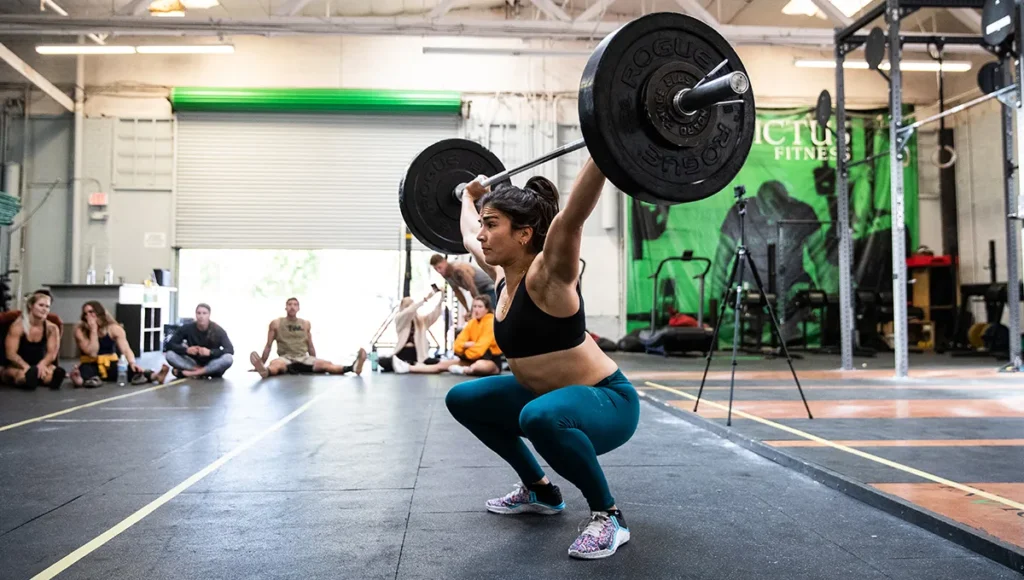
Compound exercises, such as squats, lunges, and deadlifts, are foundational movements that target multiple muscle groups simultaneously. These exercises are particularly effective for toning the thighs because they engage the quadriceps, hamstrings, glutes, and even the calves. By working multiple muscles at once, compound exercises not only build strength but also improve muscle symmetry and balance.


The Science Behind Compound Exercises
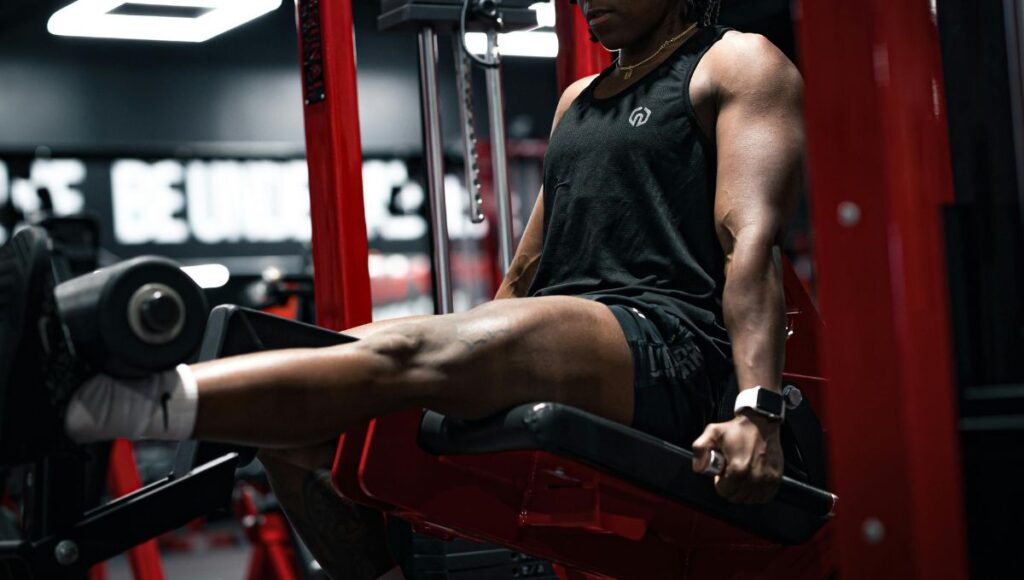
Research has consistently shown that compound movements lead to greater muscle activation compared to isolation exercises. A study published in the Journal of Strength and Conditioning Research found that squats, a classic compound exercise, elicited higher muscle activation in the quadriceps and hamstrings compared to leg extensions, an isolation exercise targeting the same muscle groups (Escamilla, 2001).
Additionally, compound exercises increase the production of anabolic hormones such as testosterone and growth hormone, which are crucial for muscle growth and fat loss. A study in the European Journal of Applied Physiology highlighted that compound movements like squats and deadlifts lead to a more significant hormonal response compared to isolation exercises (Kraemer et al., 1990).
Practical Application
To effectively tone your thighs, incorporate compound exercises into your workout routine at least three times a week. Focus on variations of squats (e.g., back squats, front squats), lunges (e.g., reverse lunges, walking lunges), and deadlifts (e.g., Romanian deadlifts, sumo deadlifts). Aim for 3-4 sets of 8-12 repetitions per exercise, ensuring that you maintain proper form to maximise muscle engagement and minimise the risk of injury.
Hack 2: Implement High-Intensity Interval Training (HIIT) for Fat Loss
The Role of HIIT in Fat Reduction
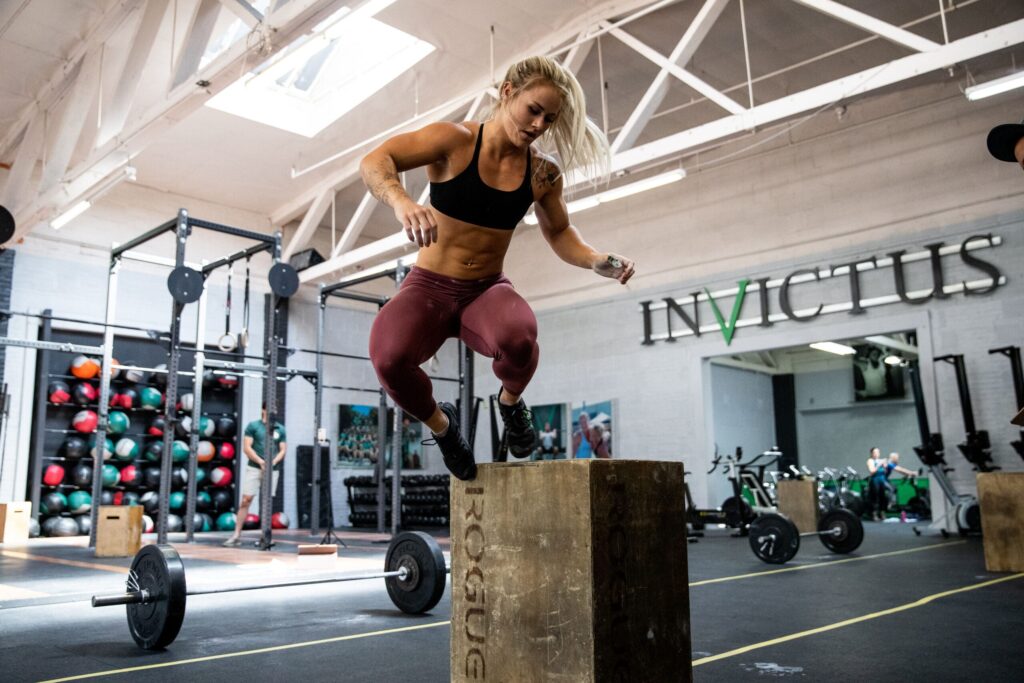
While building muscle is essential for toned thighs, reducing excess fat is equally important to reveal the muscle definition beneath. High-Intensity Interval Training (HIIT) is an effective method for accelerating fat loss, particularly in stubborn areas like the thighs. HIIT involves short bursts of intense exercise followed by brief recovery periods, which keeps your heart rate elevated and boosts your metabolism.
Scientific Support for HIIT
Numerous studies have demonstrated the efficacy of HIIT for fat loss. A review published in the British Journal of Sports Medicine concluded that HIIT significantly reduces body fat, especially in overweight and obese individuals (Wewege et al., 2017). Another study in the Journal of Obesity found that participants who engaged in HIIT experienced greater fat loss in the legs compared to those who performed steady-state cardio (Boutcher, 2011).
HIIT’s effectiveness is attributed to the phenomenon known as excess post-exercise oxygen consumption (EPOC). After a HIIT session, your body continues to burn calories at an elevated rate as it works to restore normal physiological functions. This “afterburn effect” can last for several hours, contributing to overall fat loss.
Practical Application
To harness the fat-burning power of HIIT, incorporate it into your training routine 2-3 times per week. A typical HIIT workout might include exercises like sprint intervals, jump squats, or burpees performed for 30 seconds, followed by 30 seconds of rest. Repeat the cycle for 15-20 minutes to maximise fat loss and enhance muscle definition in your thighs.
Hack 3: Focus on Nutrition to Fuel Muscle Growth and Fat Loss
The Importance of a Balanced Diet
Nutrition plays a pivotal role in achieving toned thighs. A balanced diet that provides adequate protein, healthy fats, and complex carbohydrates is essential for muscle growth and fat loss. Protein, in particular, is crucial for repairing and building muscle tissue, while healthy fats support hormonal balance, and complex carbohydrates provide sustained energy for workouts.
Protein and Muscle Growth
Protein is the building block of muscle, and consuming enough of it is essential for muscle repair and growth. A study published in the American Journal of Clinical Nutrition found that higher protein intake (1.6-2.2 grams per kilogram of body weight) significantly enhanced muscle mass and strength gains in individuals undergoing resistance training (Morton et al., 2018). Additionally, protein-rich foods increase satiety, helping to control appetite and reduce overall calorie intake, which is beneficial for fat loss.
Carbohydrates and Performance
Carbohydrates are the body’s primary energy source, especially during high-intensity exercise. A study in the Journal of Applied Physiology showed that consuming carbohydrates before and after workouts improved performance and muscle recovery (Cermak et al., 2012). Prioritising complex carbohydrates, such as whole grains, fruits, and vegetables, ensures a steady release of energy and prevents blood sugar spikes.
Healthy Fats and Hormonal Balance
Healthy fats, particularly omega-3 fatty acids, are important for maintaining hormonal balance and reducing inflammation. A study in the Journal of the International Society of Sports Nutrition highlighted that omega-3 supplementation can enhance muscle protein synthesis, particularly in conjunction with resistance training (Smith et al., 2011). Incorporating sources of healthy fats like fish, avocados, nuts, and seeds into your diet can support muscle growth and overall health.
Practical Application
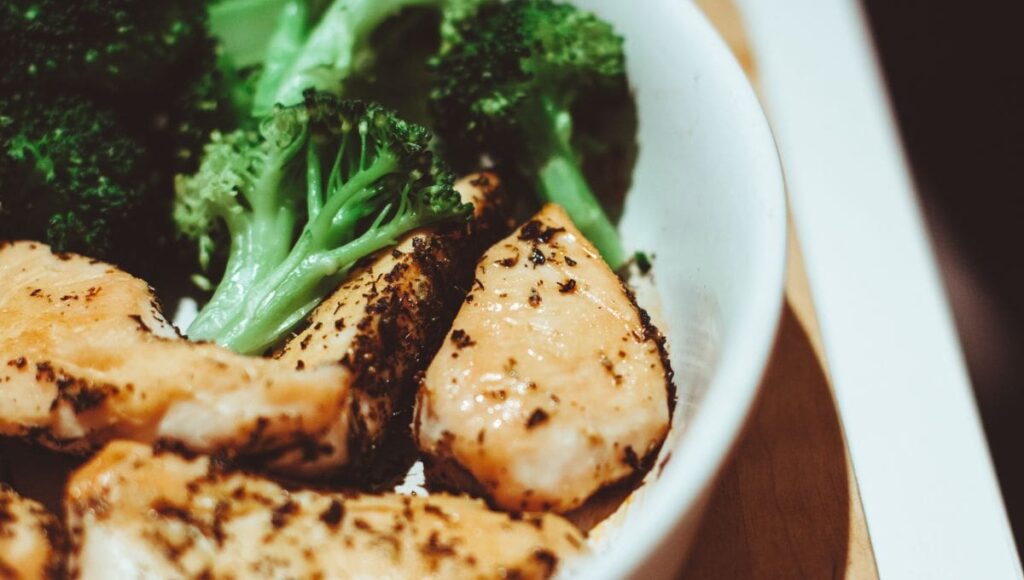
To optimise your diet for toned thighs, aim to consume a balanced meal consisting of lean protein, complex carbohydrates, and healthy fats within 2 hours before and after your workouts. For example, a post-workout meal might include grilled chicken breast, quinoa, and steamed vegetables, with a drizzle of olive oil. Additionally, consider incorporating a protein shake or snack with at least 20-30 grams of protein immediately after your workout to support muscle recovery.
Hack 4: Incorporate Progressive Overload for Continuous Improvement

Understanding Progressive Overload
Progressive overload is a fundamental principle in strength training that involves gradually increasing the resistance or intensity of your workouts to continue making gains in muscle strength and size. Without progressive overload, your muscles can quickly adapt to the same level of stress, leading to a plateau in progress.
The Science of Progressive Overload
A study published in the Journal of Applied Physiology emphasised the importance of progressive overload for muscle hypertrophy (muscle growth). The study found that increasing the weight lifted over time led to significant improvements in muscle size and strength (Campos et al., 2002). This principle applies to both compound and isolation exercises, making it essential for achieving toned thighs.
Practical Application
To apply progressive overload, gradually increase the weight you lift, the number of repetitions you perform, or the volume of your workouts over time. For example, if you’re currently performing squats with a 20 kg barbell for 3 sets of 10 repetitions, aim to increase the weight to 22.5 kg or perform an additional set after a few weeks. It’s important to track your progress and make adjustments regularly to ensure continuous improvement.
Hack 5: Prioritise Recovery to Maximise Results
The Role of Recovery in Muscle Growth
While intense workouts are crucial for building toned thighs, recovery is equally important. Muscles grow and repair during periods of rest, making recovery essential for progress. Inadequate recovery can lead to overtraining, which may result in muscle fatigue, decreased performance, and even injury.
Sleep and Muscle Recovery
Sleep is a critical component of recovery, as it allows the body to repair muscle tissue and replenish energy stores. A study in the Journal of Clinical Sleep Medicine found that poor sleep quality negatively impacts muscle recovery and growth (Dattilo et al., 2011). Ensuring 7-9 hours of quality sleep per night can significantly enhance your ability to build and tone muscle.
Active Recovery Techniques
Active recovery involves engaging in low-intensity activities, such as walking, cycling, or yoga, to promote blood flow and reduce muscle stiffness. A study in the Journal of Sports Sciences demonstrated that active recovery is more effective than passive rest in reducing muscle soreness and improving subsequent exercise performance (Takahashi et al., 2006). Incorporating active recovery sessions into your routine can help you stay active while allowing your muscles to heal.
Practical Application
To optimise recovery, prioritise getting 7-9 hours of sleep each night and incorporate active recovery sessions on rest days. Additionally, consider using techniques such as foam rolling, stretching, and massage to enhance blood flow and reduce muscle tightness. Ensuring adequate hydration and consuming a balanced diet rich in nutrients will also support recovery and muscle growth.
Conclusion
Achieving toned thighs requires a combination of targeted exercises, proper nutrition, and a focus on recovery. By incorporating compound exercises, implementing HIIT, optimising your diet, practising progressive overload, and prioritising recovery, you can accelerate your progress and achieve your fitness goals faster. Remember that consistency is key, and with dedication and the right approach, you can build the strong, toned thighs you desire.
Key Takeaways
| Hack | Description |
|---|---|
| Prioritise Compound Exercises | Focus on exercises like squats and lunges to engage multiple muscle groups and enhance overall muscle activation. |
| Implement High-Intensity Interval Training | Use HIIT to maximise fat loss and boost metabolism, helping to reveal toned muscles beneath body fat. |
| Focus on Nutrition | Maintain a balanced diet rich in protein, healthy fats, and complex carbohydrates to fuel muscle growth and support fat loss. |
| Incorporate Progressive Overload | Gradually increase the intensity of your workouts to ensure continuous muscle growth and avoid plateaus. |
| Prioritise Recovery | Ensure adequate sleep, active recovery, and proper hydration to support muscle repair and growth, preventing overtraining and injury. |
References
- Boutcher, S. H. (2011) ‘High-intensity intermittent exercise and fat loss’, Journal of Obesity, 2011, pp. 1-10.
- Campos, G. E. R., Luecke, T. J., Wendeln, H. K., Toma, K., Hagerman, F. C., Murray, T. F., … & Staron, R. S. (2002) ‘Muscular adaptations in response to three different resistance-training regimens: specificity of repetition maximum training zones’, Journal of Applied Physiology, 88(1), pp. 50-60.
- Cermak, N. M., Res, P. T., de Groot, L. C. P., Saris, W. H. M., & van Loon, L. J. C. (2012) ‘Protein supplementation augments the adaptive response of skeletal muscle to resistance-type exercise training: a meta-analysis’, American Journal of Clinical Nutrition, 96(6), pp. 1454-1464.
- Dattilo, M., Antunes, H. K. M., Medeiros, A., Mônico-Neto, M., Souza, H. S., Tufik, S., & de Mello, M. T. (2011) ‘Sleep and muscle recovery: endocrinological and molecular basis for a new and promising hypothesis’, Medical Hypotheses, 77(2), pp. 220-222.
- Escamilla, R. F. (2001) ‘Knee biomechanics of the dynamic squat exercise’, Medicine and Science in Sports and Exercise, 33(1), pp. 127-141.
- Kraemer, W. J., Marchitelli, L., Gordon, S. E., Harman, E., Dziados, J. E., Mello, R., … & Fleck, S. J. (1990) ‘Hormonal and growth factor responses to heavy resistance exercise protocols’, European Journal of Applied Physiology and Occupational Physiology, 63(3-4), pp. 245-254.
- Morton, R. W., Murphy, K. T., McKellar, S. R., Schoenfeld, B. J., Henselmans, M., Helms, E., … & Phillips, S. M. (2018) ‘A systematic review, meta-analysis and meta-regression of the effect of protein supplementation on resistance training-induced gains in muscle mass and strength in healthy adults’, British Journal of Sports Medicine, 52(6), pp. 376-384.
- Smith, G. I., Atherton, P., Reeds, D. N., Mohammed, B. S., Rankin, D., Rennie, M. J., & Mittendorfer, B. (2011) ‘Omega-3 polyunsaturated fatty acids augment the muscle protein anabolic response to hyperaminoacidemia–hyperinsulinemia in healthy young and middle-aged men and women’, Clinical Science, 121(6), pp. 267-278.
- Takahashi, A., Miyamoto, T., Matsumoto, M., Hasegawa, H., & Ueno, M. (2006) ‘Effect of active recovery on muscle stiffness after exercise’, Journal of Sports Sciences, 24(6), pp. 501-508.
- Wewege, M., van den Berg, R., Ward, R. E., & Keech, A. (2017) ‘The effects of high‐intensity interval training vs. moderate‐intensity continuous training on body composition in overweight and obese adults: a systematic review and meta‐analysis’, Obesity Reviews, 18(6), pp. 635-646.