Strengthening and shaping the glutes (butt muscles) is a common goal for women under 30. Whether it’s for improving aesthetics, enhancing athletic performance, or simply maintaining overall lower body strength, the right exercises can make a significant difference. Below are five quick and effective exercises that can help target the gluteal muscles, requiring minimal equipment and suitable for all fitness levels. Incorporating these exercises into your routine can improve both muscle tone and endurance in the buttocks and lower body.
Table of Contents
Why Focus on Glute Exercises?
Before diving into the exercises, it’s important to understand why glute training is beneficial, especially for women under 30. The glutes, consisting of the gluteus maximus, gluteus medius, and gluteus minimus, are essential for many movements such as walking, running, jumping, and lifting. Strong glutes can improve posture, prevent lower back pain, and enhance athletic performance. Additionally, well-developed glutes contribute to an aesthetically pleasing figure and better functional fitness for everyday tasks like lifting or carrying heavy items.


Women under 30, often in the prime of their fitness journey, can particularly benefit from glute training. Building muscle mass in the buttocks helps increase metabolism, improve body composition, and establish a foundation of strength for the years to come.
1. Glute Bridges
How to Perform:
- Lie flat on your back with your knees bent and feet hip-width apart, flat on the ground.
- Place your hands by your sides, palms facing down.
- Engage your core, press through your heels, and lift your hips off the ground until your body forms a straight line from your shoulders to your knees.
- Squeeze your glutes at the top of the movement and hold for a few seconds before lowering back down.
- Repeat for 15–20 repetitions.
Benefits:
Glute bridges are one of the most effective exercises for directly targeting the gluteus maximus. They also engage the hamstrings and lower back, making them an excellent compound movement for strengthening the entire posterior chain. The move can help improve hip mobility and posture while reducing lower back pain caused by prolonged sitting.
Tip:
To make the exercise more challenging, you can place a weight (like a dumbbell or barbell) on your hips, or perform the exercise on one leg to increase the intensity on each glute individually.
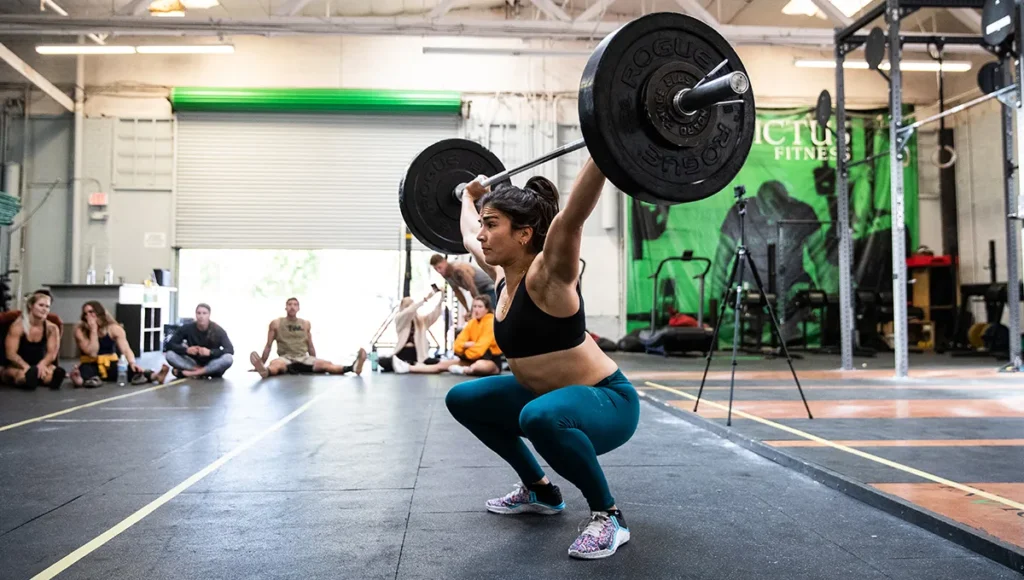
2. Squats
How to Perform:
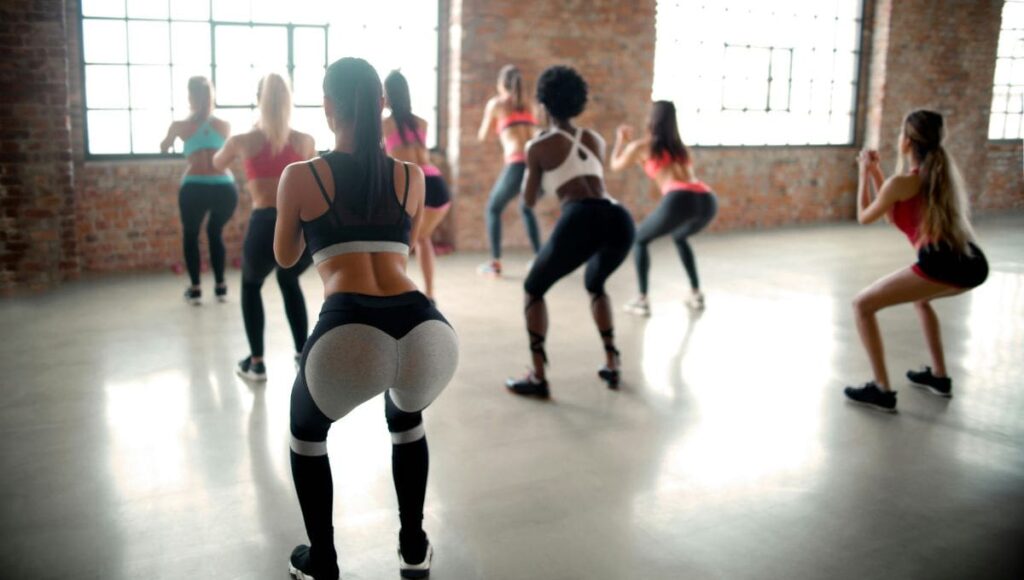
- Stand with your feet shoulder-width apart, toes pointing slightly outward.
- Engage your core, and lower your body by bending at the hips and knees as if sitting back into a chair.
- Keep your chest lifted and your weight distributed on your heels, not your toes.
- Lower down until your thighs are parallel to the floor, then drive through your heels to stand back up.
- Perform 15–20 repetitions.
Benefits:
Squats are a classic lower-body exercise that targets the glutes, quadriceps, and hamstrings. When performed correctly, squats help to build strength and muscle mass in the glutes while also improving balance and stability. They also help improve hip and ankle mobility, which is important for overall body mechanics.
Tip:
For added resistance, hold a pair of dumbbells or place a barbell across your upper back. You can also vary the squat by trying sumo squats, which focus more on the inner thighs and glutes due to the wider stance.
3. Lunges
How to Perform:
- Stand tall with your feet hip-width apart.
- Take a large step forward with your right leg, and lower your body until both knees form 90-degree angles. Your back knee should hover just above the ground.
- Push through your front heel to return to the standing position.
- Repeat on the other leg.
- Complete 12–15 repetitions per leg.
Benefits:
Lunges are highly effective for targeting the glutes, quads, and hamstrings, and they also help to improve balance and coordination. By working each leg independently, lunges can help correct muscle imbalances between the left and right sides of the body.
Tip:
To increase the difficulty, add weights by holding dumbbells in each hand or perform reverse lunges, which focus more on the glutes and reduce pressure on the knees.
Top 10 Weighted Exercises for the Glutes
4. Donkey Kicks
How to Perform:
- Start on all fours in a tabletop position with your wrists directly under your shoulders and your knees under your hips.
- Keeping your right knee bent at 90 degrees, lift your right leg up towards the ceiling, squeezing your glutes at the top of the movement.
- Lower your leg back down without touching the ground and repeat for 15–20 repetitions before switching to the left leg.
Benefits:
Donkey kicks are an isolation exercise that specifically targets the gluteus maximus. They are great for sculpting and toning the buttocks while also activating the core for stability. Donkey kicks help build strength and definition in the glutes without requiring heavy weights or equipment, making them a convenient exercise for home workouts.
Tip:
For added intensity, you can use ankle weights or a resistance band around your thighs. Ensure that the movement is controlled and slow to maximize muscle engagement and avoid using momentum.
5. Step-Ups
How to Perform:
- Stand in front of a sturdy bench, step, or platform that is about knee height.
- Place your right foot onto the platform and press through your heel to lift your body up until your right leg is straight.
- Bring your left foot up to meet the right, then step back down with your left foot first, followed by the right.
- Repeat for 12–15 repetitions per leg.
Benefits:
Step-ups are a powerful functional movement that targets the glutes, quads, and hamstrings while also engaging the core for balance. They are excellent for building unilateral strength and can help improve overall lower body strength and symmetry. The action mimics climbing stairs, making it beneficial for real-life activities.
Tip:
Hold dumbbells in each hand for added resistance or increase the height of the platform to make the exercise more challenging. Focus on pressing through the heel of the working leg to better engage the glutes.
The Importance of Consistency and Progression
Performing these five exercises regularly (around 3–4 times per week) can lead to noticeable improvements in glute strength and shape. However, consistency is key. Glute training works best when you progressively increase the resistance or intensity over time. This can be done by adding weights, increasing the number of repetitions, or trying more advanced variations of the exercises.
Women under 30 may have a higher potential for muscle growth due to better recovery and naturally higher levels of growth hormones like testosterone and human growth hormone. This is why it’s important to challenge yourself with these exercises and gradually progress in order to see continual improvements in muscle tone and strength.

Incorporating Cardio and Nutrition
While targeted exercises are essential for building the glutes, it’s important to remember that a combination of proper nutrition and cardiovascular exercise is necessary to achieve the best results. Cardiovascular workouts like cycling, running, or even high-intensity interval training (HIIT) can help burn fat, which in turn helps to reveal more muscle definition in the glutes.
Protein is also crucial for muscle repair and growth. Women aiming to build their glutes should ensure they are consuming enough protein to support recovery, especially after resistance training. Good sources of protein include lean meats, fish, eggs, dairy products, and plant-based options like legumes, tofu, and quinoa.
The Most Effective 100 Rep Glute Workout on the Planet
How to Incorporate These Exercises into Your Routine
Here’s a sample routine that includes all five exercises:
Warm-Up:
- 5-10 minutes of light cardio (e.g. jogging, cycling, or brisk walking)
- Dynamic stretches focused on the hips and legs (e.g. leg swings, lunges with twists)
Workout:
- Glute Bridges – 3 sets of 15-20 reps
- Squats – 3 sets of 15-20 reps
- Lunges – 3 sets of 12-15 reps per leg
- Donkey Kicks – 3 sets of 15-20 reps per leg
- Step-Ups – 3 sets of 12-15 reps per leg
Cooldown:
- 5-10 minutes of stretching, focusing on the hips, quads, hamstrings, and glutes.
Common Mistakes to Avoid
1. Poor Form
Using incorrect form can reduce the effectiveness of these exercises and increase the risk of injury. Make sure your knees are aligned with your toes during squats and lunges, and avoid overarching your lower back during glute bridges and donkey kicks.
2. Using Momentum
For exercises like donkey kicks and step-ups, it’s essential to control the movement rather than relying on momentum. This ensures that the muscles are engaged properly and worked effectively.
3. Neglecting Other Muscle Groups
While focusing on glutes is great, neglecting other muscle groups can lead to imbalances. It’s important to incorporate exercises for your core, upper body, and other lower-body muscles to maintain overall strength and avoid potential injuries.
4. Not Progressing
Staying at the same level of difficulty for too long can lead to plateaus. Continuously challenge yourself by increasing resistance, adding more sets, or trying new variations of the exercises.
10 Best Glute Isolation Exercises to Build a Stronger Better Butt
Conclusion
Improving your glutes doesn’t have to be time-consuming or complicated. These five quick exercises are effective, accessible, and can easily fit into a busy schedule. With consistency, proper nutrition, and a focus on progressive overload, women under 30 can achieve strong, toned glutes that not only enhance physical appearance but also contribute to better movement, posture, and overall fitness.
Incorporate these exercises into your weekly routine, and remember that results take time. With patience and persistence, you will notice improvements in both strength and muscle definition in your glutes.
Key Takeaways
| Key Points | Details |
|---|---|
| Exercise Variety | Use a mix of exercises (glute bridges, squats, lunges, etc.) for best results. |
| Progression is Key | Gradually increase intensity (e.g. add weights) to continue seeing progress. |
| Form is Crucial | Focus on proper technique to avoid injury and maximise effectiveness. |
| Consistency is Vital | Perform exercises 3-4 times per week for consistent improvements. |
| Nutrition Matters | Eat enough protein and maintain a balanced diet to support muscle growth. |