Massage guns have gained immense popularity in recent years, quickly becoming a staple in the fitness and wellness industry. They’re now seen everywhere, from professional athlete locker rooms to home gyms. These handheld devices, also known as percussion massagers or therapy guns, promise to offer a variety of benefits, ranging from faster recovery after workouts to relieving everyday muscle tension.
But with all the hype surrounding them, is a massage gun really worth the investment? In this article, we’ll explore the key benefits, potential disadvantages, and the science behind their use. By the end, you’ll have a clear understanding of whether a massage gun is the right tool for your recovery and relaxation needs.


How Do Massage Guns Work?
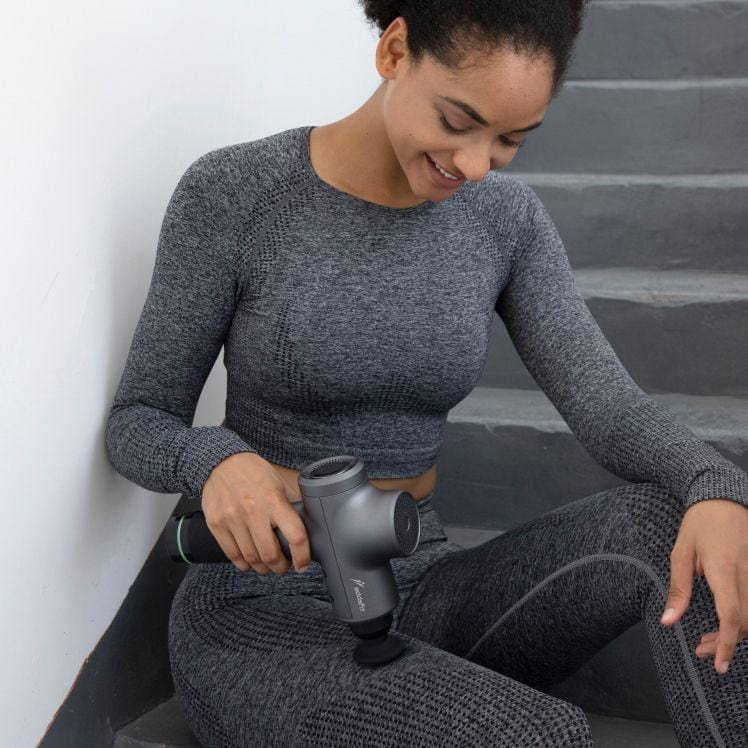
Massage guns use percussive therapy, a technique that applies rapid bursts of pressure to the body’s soft tissues. These devices typically feature a motor-driven head that oscillates back and forth, delivering a series of quick and concentrated blows to the muscles. The purpose is to enhance blood circulation, reduce muscle soreness, and alleviate stiffness by stimulating deep tissue relaxation.
The intensity of the massage can be controlled by adjusting the speed and force of the device, allowing users to tailor the treatment to their specific needs. Massage guns often come with interchangeable heads designed for different muscle groups and types of pressure.
8 Gym Machines You Should Stop Using
Benefits of Using a Massage Gun
1. Accelerates Muscle Recovery
One of the primary benefits of using a massage gun is its ability to accelerate post-exercise muscle recovery. After intense physical activity, muscles can become tight, sore, and inflamed due to the buildup of metabolic waste, such as lactic acid. Percussive therapy helps to reduce muscle soreness by stimulating blood flow and oxygen delivery to the affected areas. Increased circulation aids in the removal of waste products and promotes the repair of damaged muscle fibres.
Studies show that post-exercise massage can decrease delayed onset muscle soreness (DOMS), which typically peaks 24 to 72 hours after exercise. Massage guns provide a convenient, cost-effective way to mimic the effects of a professional massage therapist in the comfort of your own home.
2. Improves Flexibility and Range of Motion
Regular use of a massage gun can improve flexibility and increase the range of motion in your joints and muscles. The deep tissue stimulation provided by the massage gun helps to release adhesions and knots in the fascia (connective tissue), which can otherwise restrict movement. This is particularly useful for athletes or individuals recovering from injuries who need to regain mobility in stiff or restricted areas.
A 2020 study published in the Journal of Sports Rehabilitation found that percussive therapy can improve range of motion in individuals with muscle stiffness.
How to Increase Your Metabolism
3. Pain Relief
Massage guns have been found to provide effective pain relief for conditions such as muscle strains, chronic back pain, and tension headaches. The percussive action of the massage gun triggers the release of endorphins, the body’s natural painkillers, while also reducing inflammation in sore muscles.
A study published in Pain Medicine highlighted the analgesic effects of mechanical massage therapy on chronic pain sufferers, showing that massage can significantly reduce the perception of pain. Massage guns can be a non-invasive alternative to pharmaceutical pain relief methods.
4. Enhances Blood Circulation
The percussive action of a massage gun stimulates blood flow to the muscles, which can have several positive effects on overall health. Enhanced circulation improves the delivery of oxygen and nutrients to the muscle tissues, aiding in recovery and tissue regeneration. It can also prevent muscle cramps, reduce swelling, and promote faster healing of minor injuries.
Improved circulation is particularly beneficial for people who sit for long periods or suffer from poor blood flow due to conditions like diabetes or varicose veins.
5. Convenience and Portability
Massage guns are portable and easy to use, making them accessible to a wide range of people. Unlike traditional massage therapy, which requires booking an appointment and travelling to a clinic, massage guns can be used anytime, anywhere. They’re small enough to fit in a gym bag and can be used on demand after workouts or during travel to relieve tension and soreness.
For individuals with busy schedules, the convenience factor of a massage gun can be a game-changer.
Disadvantages of Using a Massage Gun
While massage guns offer numerous benefits, they also have some potential downsides. It’s important to be aware of these before making a purchase decision.
1. Risk of Injury
Improper use of a massage gun can result in injury. Applying too much pressure or using the device on sensitive areas, such as bony prominences, joints, or tendons, can cause bruising, inflammation, or aggravate existing injuries. People with certain health conditions, such as deep vein thrombosis, osteoporosis, or nerve disorders, should exercise caution and consult a healthcare professional before using a massage gun.
Overuse of the device on the same muscle group can also lead to tissue damage, so it’s important to follow the manufacturer’s guidelines and not exceed the recommended treatment time for any one area.
2. Not a Substitute for Professional Care
While massage guns can mimic some aspects of manual therapy, they’re not a substitute for professional care. Certain injuries or chronic conditions may require specialised treatment from a physiotherapist, chiropractor, or massage therapist. Massage guns can complement professional care but should not replace it.
If you experience persistent or severe pain, it’s essential to seek a medical evaluation rather than relying solely on a massage gun for relief.
3. High Cost
High-quality massage guns can be expensive, with prices ranging from £150 to £400 or more. While there are more affordable options on the market, they may not offer the same durability, power, or features as the premium models. For some individuals, the cost may be prohibitive, especially when weighed against the potential for limited use.
It’s important to consider how often you’ll realistically use the device and whether the investment is worth it in the long term.
4. Noise Levels
Massage guns can be quite noisy, particularly when operating at higher speeds. The motor’s vibrations often produce a loud buzzing or humming sound, which can be disruptive if you’re trying to relax or use the device in a shared space. Some newer models are designed to be quieter, but this feature typically comes with a higher price tag.
5. Limited Effectiveness for Certain Conditions
Massage guns are most effective for treating muscle soreness and tension, but their ability to address other conditions, such as nerve pain or joint inflammation, is limited. For individuals with issues like arthritis or tendinitis, percussive therapy may not provide the desired relief and could even worsen symptoms in some cases.
It’s crucial to identify the root cause of your pain or discomfort and consult with a healthcare professional to determine whether a massage gun is an appropriate treatment option.

When Should You Use a Massage Gun?
Massage guns are versatile tools that can be used in various situations to promote recovery, relieve pain, and reduce muscle tension. Here are some scenarios where a massage gun may be particularly beneficial:
- Post-Workout Recovery: Use a massage gun after a workout to speed up recovery, reduce muscle stiffness, and prevent DOMS.
- Warm-Up: Applying percussive therapy to your muscles before exercise can increase blood flow, enhance flexibility, and prepare your body for physical activity.
- Chronic Pain Relief: For individuals suffering from conditions like chronic back pain, tension headaches, or sciatica, a massage gun can provide temporary relief by loosening tight muscles and reducing inflammation.
- Stress Relief: Massage guns can help alleviate stress and tension caused by long periods of sitting, poor posture, or everyday muscle strain. A quick session with a massage gun can provide relief after a long day at work.
- Travel Recovery: Long flights or car rides can leave your muscles feeling stiff and sore. A massage gun can be a valuable tool for relieving tension and improving circulation during travel.
Who Should Avoid Using a Massage Gun?
Although massage guns can be beneficial for many people, certain individuals should avoid using them or seek medical advice before doing so. These include:
- Pregnant Women: The use of a massage gun during pregnancy may pose a risk, particularly if used on the lower back or abdomen. Always consult with a healthcare provider before using any form of massage therapy during pregnancy.
- People with Blood Clotting Disorders: Conditions like deep vein thrombosis (DVT) make using a massage gun potentially dangerous, as the percussive action could dislodge blood clots and lead to serious complications.
- Individuals with Nerve Damage: If you suffer from a condition that affects your nervous system, such as multiple sclerosis or diabetic neuropathy, using a massage gun could exacerbate symptoms. Consult with a medical professional before use.
- Those with Skin Conditions: Individuals with conditions like eczema, psoriasis, or other skin sensitivities should avoid using a massage gun directly on affected areas, as the pressure could cause irritation or flare-ups.
Conclusion: Is a Massage Gun Right for You?
Massage guns offer a convenient and effective way to relieve muscle tension, accelerate recovery, and improve flexibility. They’re particularly beneficial for athletes, fitness enthusiasts, and those with chronic muscle pain. However, it’s essential to use them correctly to avoid injury and understand that they are not a substitute for professional medical treatment.
The decision to invest in a massage gun should be based on your individual needs, budget, and how frequently you plan to use it. For many, the convenience and benefits will outweigh the drawbacks, but others may find that professional care or other recovery methods better suit their needs.