


The fitness world is saturated with various exercises promising to improve strength, tone, and flexibility. One often overlooked yet highly effective move is the donkey kick. This bodyweight exercise targets the glutes, core, and lower back, and can be performed anywhere without the need for equipment.
If you’re considering incorporating donkey kicks into your daily routine, it’s important to understand what this exercise can do for your body. In this article, we’ll explore what happens to your body when you do 100 donkey kicks every day for 30 days. We’ll cover the effects on muscle development, fat loss, posture, flexibility, and more, all backed by scientific evidence and fitness principles.


Table of Contents
Overview of the Donkey Kick Exercise
Donkey kicks are a type of glute isolation exercise that requires you to position yourself on all fours and kick one leg backward, imitating the motion of a donkey. The exercise primarily targets the gluteus maximus, but it also engages the hamstrings, lower back, and core for stability. Variations of donkey kicks can involve different angles or the use of resistance bands to further increase the difficulty.
Performing 100 donkey kicks daily for 30 days would amount to approximately 3,000 repetitions per leg over the course of a month. Given this volume, noticeable changes in muscle strength, endurance, and possibly even body composition are expected.
The Benefits of Doing Donkey Kicks Every Day
1. Glute Activation and Muscle Hypertrophy
One of the main benefits of donkey kicks is the activation of the glutes. Gluteus muscles are not only essential for aesthetics but also for functional strength, as they play a crucial role in hip extension, posture, and stabilisation of the pelvis.
Increased Glute Strength
The gluteus maximus is the largest muscle in the body and is responsible for various movements such as standing up from a seated position, climbing stairs, and squatting. Doing 100 donkey kicks daily will engage and strengthen this muscle, leading to improvements in overall lower body strength.
Studies on glute activation show that isolated exercises like donkey kicks significantly engage the gluteus maximus and medius. By targeting these muscles daily, you’ll notice increased glute strength, which can enhance your performance in other exercises like squats, lunges, and deadlifts.
Read Also: 9 Exercises Better than Squats to Maximise Glute Growth
Muscle Hypertrophy
Muscle hypertrophy, or muscle growth, occurs when muscle fibres are broken down and rebuilt stronger. Since donkey kicks primarily work the glutes, performing this exercise regularly can lead to hypertrophy, especially if you gradually increase resistance (e.g., adding a resistance band).
After 30 days, you may notice a more defined and lifted appearance in your glutes due to the repetitive stimulation. This is because progressive overload, even through bodyweight exercises, encourages muscle growth.
2. Improved Core Stability and Strength
While donkey kicks are known for targeting the glutes, the exercise also requires core engagement for balance and stability. When you lift your leg, your core muscles activate to prevent your torso from twisting or arching excessively.
Stronger Core Muscles
Performing 100 donkey kicks every day can strengthen your core muscles over time, specifically the rectus abdominis and obliques. A strong core is essential for maintaining balance, improving posture, and supporting your spine during daily activities and exercises.
According to research on core exercises, engaging the core consistently through compound movements like donkey kicks can help improve muscular endurance in the abdominals and lower back. After 30 days, you may experience better core stability and endurance, which will benefit your overall fitness level.
3. Enhanced Hip Mobility and Flexibility
Hip mobility is often neglected in modern lifestyles, particularly due to prolonged sitting. This can lead to stiffness and discomfort, especially in the lower back and hips. Donkey kicks, when performed properly, encourage a full range of motion in the hip joint.
Increased Hip Flexibility
The kicking motion involved in donkey kicks stretches and strengthens the hip flexors and extensors, promoting better mobility in the hip joint. With consistent practice, you can expect to see improvements in your hip flexibility and range of motion. This can reduce tension in the lower back and improve movement efficiency in daily activities.
After 30 days of doing donkey kicks, you may experience less tightness in your hips and lower back, particularly if you spend long hours sitting. Improved hip mobility is also beneficial for athletes as it can enhance performance in sports that require running, jumping, or kicking.
Related: The Most Scientific Way to Train Glutes
4. Postural Improvements
Good posture is vital for spinal health, injury prevention, and overall appearance. The posterior chain, which includes the glutes, hamstrings, and lower back, plays a significant role in maintaining an upright posture.
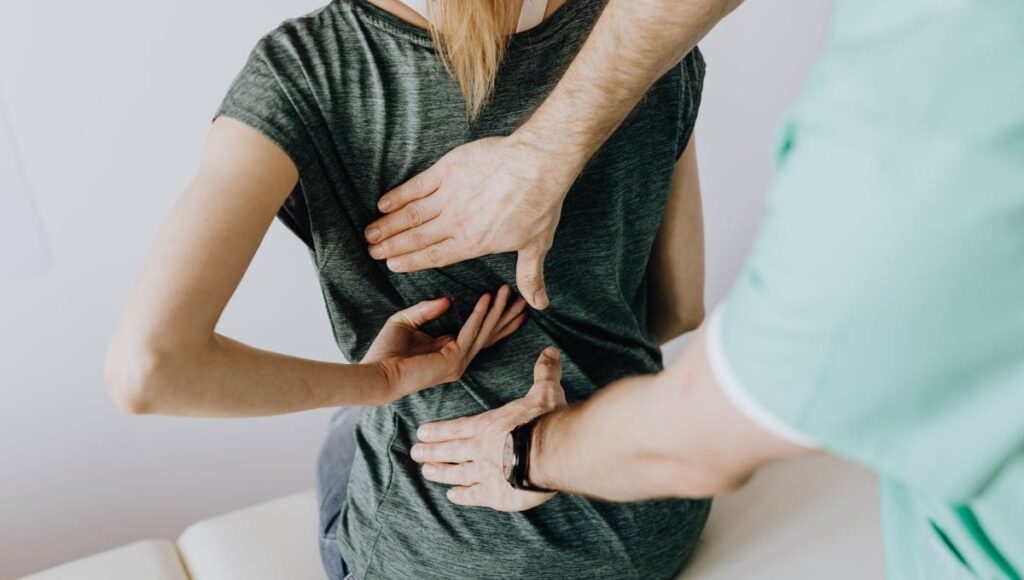
Better Posture
Weak glutes can contribute to poor posture, as they support the pelvis and lower spine. By strengthening your glutes through daily donkey kicks, you may improve your ability to maintain proper posture throughout the day . This is particularly important for individuals who sit for extended periods, as weak glutes often lead to anterior pelvic tilt and lower back discomfort.
After 30 days, you may notice improved postural alignment, with less slouching or anterior pelvic tilt. This will also help alleviate pressure on your lower back and reduce the risk of developing chronic pain.
5. Reduced Risk of Lower Back Pain
Lower back pain is one of the most common musculoskeletal complaints, affecting millions of people worldwide. Weak glutes and tight hip flexors often contribute to lower back pain by destabilising the pelvis and forcing the lower back to compensate during movement.
Alleviation of Back Pain
Daily donkey kicks strengthen the glutes and stretch the hip flexors, which can alleviate pressure on the lower back. Strengthening the posterior chain muscles helps balance out the forces acting on the spine, reducing strain on the lumbar region.
A study on lower back pain and exercise found that strengthening the glutes and core muscles can significantly reduce lower back pain in individuals with postural imbalances . After 30 days, you may experience reduced back pain, particularly if your discomfort stems from muscle imbalances or weakness in the posterior chain.
How to Get Better Glutes in 22 Days
6. Fat Loss and Calorie Burn
Although donkey kicks are primarily a strength exercise, performing 100 repetitions every day can also contribute to calorie burn and fat loss, particularly when combined with a healthy diet and other forms of exercise.
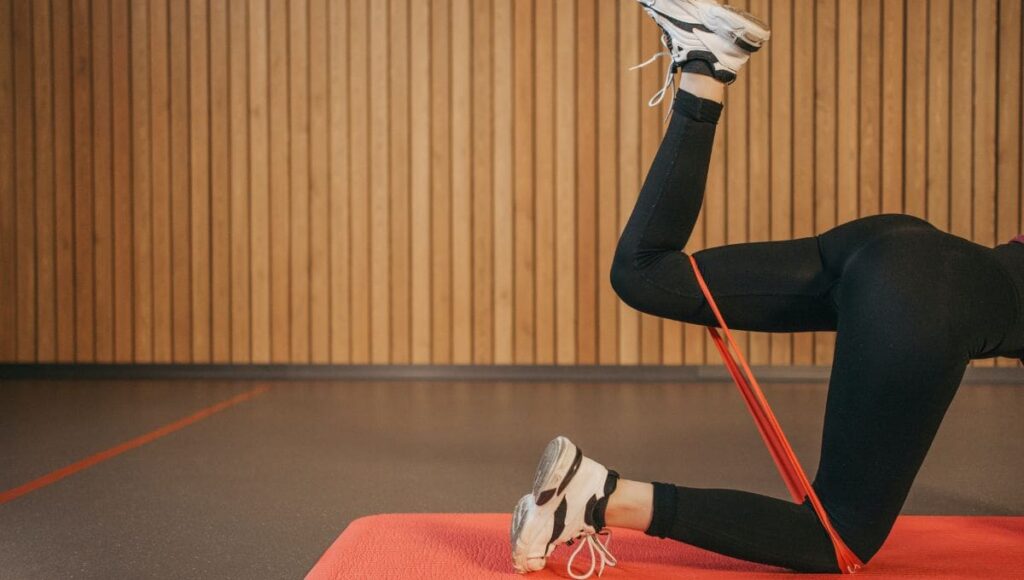
Calorie Expenditure
While donkey kicks are not as intense as cardiovascular exercises like running or cycling, they still require energy, especially when performed in high volumes. The repetitive nature of doing 100 donkey kicks daily can elevate your heart rate slightly and lead to an increased calorie burn.
While the exact number of calories burned depends on factors like your weight and the intensity of your effort, incorporating donkey kicks into your routine can complement a fat loss plan by boosting overall activity levels. After 30 days, consistent donkey kicks may help in toning the lower body by reducing body fat and increasing muscle definition .
7. Increased Muscular Endurance
Muscular endurance refers to the ability of a muscle group to sustain repeated contractions over time. Performing 100 donkey kicks each day will challenge your glutes, hamstrings, and core muscles, gradually increasing their endurance.
Greater Stamina in Lower Body
After 30 days of consistent practice, your muscles will adapt to the repetitive workload by becoming more resilient to fatigue. This increased muscular endurance will benefit you in daily activities and workouts that require sustained lower body effort, such as running, hiking, or cycling.
8. Mind-Muscle Connection
The mind-muscle connection refers to the mental focus you apply to muscle engagement during exercise. Focusing on the muscles being worked during donkey kicks can improve your awareness of how your body moves and responds to exercise.
Improved Muscle Engagement
Daily practice of donkey kicks will enhance your ability to isolate and engage the glutes more effectively. This heightened awareness can translate to better form and more efficient muscle recruitment in other exercises as well.
By the end of 30 days, you’ll likely notice a stronger mind-muscle connection, which will benefit your overall workout performance and help prevent injury by encouraging better control of your movements.
5 Mistakes Keeping Your Butt Flat

Potential Drawbacks of Doing 100 Donkey Kicks Every Day
While the benefits of donkey kicks are considerable, performing the same exercise every day without variation can have some potential drawbacks.
1. Risk of Overuse Injuries
Repetitive stress on the same muscles and joints can lead to overuse injuries if proper form is not maintained or if adequate recovery time is not allowed. Overuse injuries occur when the muscles, tendons, and joints are subjected to repeated microtrauma without sufficient time to heal.
To mitigate the risk of overuse injuries, ensure that you are using proper form during each repetition and consider incorporating rest days or cross-training with other exercises to give your muscles a break.
2. Plateau in Progress
Doing the same exercise repeatedly without increasing the intensity or changing the routine can lead to a plateau in progress. Once your muscles adapt to the demands of 100 donkey kicks daily, further improvements in strength or muscle growth may become limited.
To continue progressing, you may need to increase the challenge by adding resistance bands, ankle weights, or varying the exercise to target the muscles from different angles.
Conclusion
Performing 100 donkey kicks every day for 30 days can yield significant benefits for your body, including increased glute strength, improved core stability, enhanced hip mobility, and better posture. You may also experience reductions in lower back pain, improved muscular endurance, and a slight boost in calorie burn.
However, to maximise the benefits and avoid potential downsides such as overuse injuries or a plateau in progress, it’s important to focus on proper form, incorporate rest or variety into your routine, and consider gradually increasing the intensity of the exercise.
Key Takeaways from 100 Donkey Kicks Every Day for 30 Days
| Benefit | Description |
|---|---|
| Increased Glute Strength | Significant improvements in glute muscle strength and hypertrophy. |
| Core Stability | Enhanced stability and strength in the core muscles, especially the abdominals. |
| Improved Hip Mobility | Better range of motion and flexibility in the hip joints. |
| Posture Improvement | Strengthening of posterior chain muscles leading to improved posture. |
| Reduced Lower Back Pain | Relief from lower back discomfort through strengthening of glutes and core. |
| Muscular Endurance | Increased stamina and endurance in the lower body muscles. |
| Calorie Burn | Mild contribution to calorie burn and fat loss over time. |
| Mind-Muscle Connection | Enhanced focus and control over muscle engagement during exercise. |
Studies
- Selkowitz, D. M., Beneck, G. J. & Powers, C. M., 2016. Which Exercises Target the Gluteal Muscles While Minimizing Activation of the Tensor Fascia Lata? Electromyographic Assessment Using Fine-Wire Electrodes. Journal of Orthopaedic & Sports Physical Therapy, 43(2), pp. 80-86.
- Escamilla, R. F., et al., 2010. Gluteal Muscle Forces and Hip Kinematics During the Single-Leg Bridge Exercise. Journal of Strength and Conditioning Research, 24(10), pp. 2845-2852.
- Akuthota, V. & Nadler, S. F., 2004. Core Strengthening. Archives of Physical Medicine and Rehabilitation, 85(3), pp. 86-92.
- Niemuth, P. E., 2007. The Role of Hip Muscle Weakness in Lower Extremity Athletic Injuries. Clinical Journal of Sport Medicine, 17(4), pp. 235-240.


