Achieving a flatter stomach is a common goal for many women, whether for aesthetic reasons or to improve overall health. However, with a wealth of information available, it can be challenging to know which strategies are truly effective. This article outlines five science-backed hacks that can help women achieve a flatter stomach faster. These methods are rooted in research and can easily be integrated into your lifestyle for sustainable results.
Hack 1: Prioritise Strength Training Over Cardio

The Myth of Cardio for Fat Loss
Traditional fitness advice often emphasises cardiovascular exercise as the most effective way to burn fat and achieve a flatter stomach. However, while cardio is beneficial for heart health and can help with calorie burning, it is not the most efficient way to reduce abdominal fat. Strength training, on the other hand, has been shown to be more effective in promoting fat loss, particularly in the abdominal area.


Why Strength Training is More Effective
Strength training, which includes activities such as weightlifting, resistance band exercises, and bodyweight workouts, increases muscle mass. Increased muscle mass elevates the body’s resting metabolic rate (RMR), meaning you burn more calories even when at rest . Additionally, strength training improves insulin sensitivity, which is crucial for fat loss around the abdominal area .
A study published in the Journal of Obesity found that participants who engaged in resistance training for 12 weeks experienced significant reductions in abdominal fat, even without losing overall body weight . This suggests that strength training specifically targets abdominal fat more effectively than cardio.
How to Incorporate Strength Training
To optimise fat loss and achieve a flatter stomach, aim to incorporate strength training into your fitness routine at least three times a week. Focus on compound movements such as squats, deadlifts, and bench presses, which work multiple muscle groups simultaneously and increase calorie burn. Additionally, incorporating core-specific exercises like planks and leg raises can help tone the abdominal muscles, making your stomach appear flatter as you lose fat.
Hack 2: Optimise Your Diet with High-Protein Foods
The Role of Protein in Fat Loss
Diet plays a crucial role in achieving a flatter stomach, and one of the most important nutrients for fat loss is protein. Protein is essential for muscle repair and growth, which, as mentioned earlier, helps increase your metabolic rate. Moreover, protein has a higher thermic effect of food (TEF) compared to carbohydrates and fats, meaning your body burns more calories digesting protein than it does other macronutrients.
Protein and Satiety
Protein also plays a significant role in satiety, helping you feel fuller for longer and reducing overall calorie intake. A study published in the American Journal of Clinical Nutrition found that high-protein diets were more effective in promoting weight loss and preventing weight regain compared to lower-protein diets.
Best Sources of Protein for Fat Loss
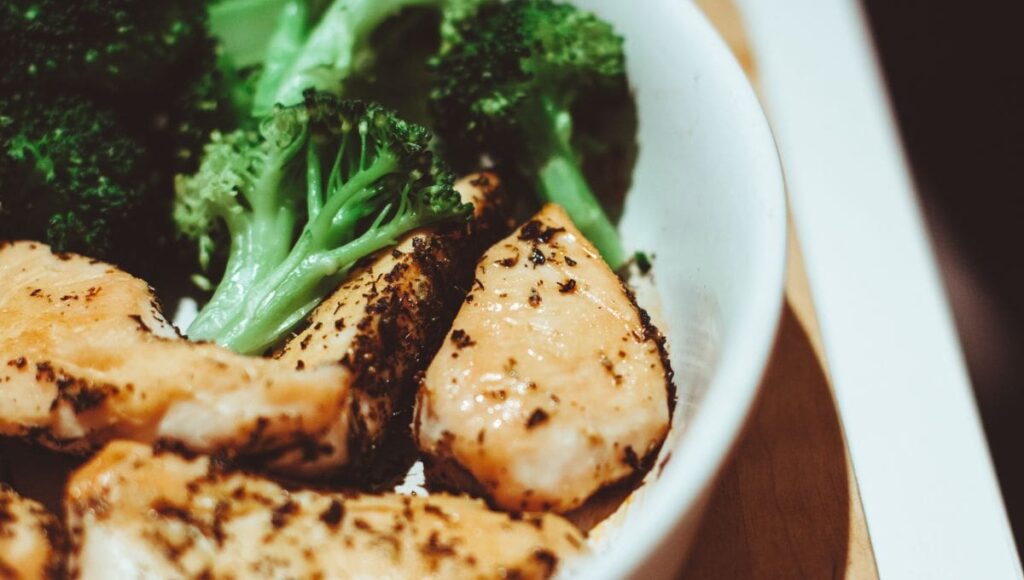
To maximise the benefits of protein for fat loss, aim to include high-quality protein sources in every meal. Excellent sources include lean meats such as chicken and turkey, fish, eggs, dairy products like Greek yoghurt, and plant-based proteins like lentils, chickpeas, and quinoa. Aim for a daily protein intake of at least 1.6 to 2.2 grams per kilogram of body weight, as recommended by a review in the Journal of the International Society of Sports Nutrition.
Hack 3: Manage Stress Levels
The Impact of Stress on Abdominal Fat
Chronic stress is not only detrimental to overall health but also a significant contributor to abdominal fat accumulation. When stressed, the body releases cortisol, a hormone that can promote fat storage, particularly in the abdominal area. Elevated cortisol levels have been linked to an increase in visceral fat, the type of fat that surrounds your organs and contributes to a protruding belly.
Evidence Supporting Stress Reduction
A study published in the journal Psychoneuroendocrinology found that women with higher cortisol levels had a greater likelihood of having higher amounts of abdominal fat. Managing stress is therefore crucial in reducing abdominal fat and achieving a flatter stomach.
Effective Stress Management Techniques
To effectively manage stress and reduce cortisol levels, consider incorporating the following practices into your daily routine:
- Mindfulness Meditation: Regular meditation has been shown to reduce cortisol levels and improve emotional regulation . Even 10 minutes a day can make a significant difference.
- Exercise: Physical activity, particularly yoga and strength training, can reduce stress and cortisol levels .
- Adequate Sleep: Ensuring you get 7-9 hours of quality sleep each night is essential for stress management and hormone regulation.
- Relaxation Techniques: Practices such as deep breathing exercises, progressive muscle relaxation, and spending time in nature can also help reduce stress levels.
Hack 4: Focus on Gut Health
The Link Between Gut Health and Abdominal Fat
Emerging research has highlighted the significant role that gut health plays in fat distribution, including abdominal fat. The gut microbiota, the trillions of bacteria residing in the digestive tract, influence metabolic processes, inflammation, and fat storage. An imbalance in gut bacteria, known as dysbiosis, has been linked to an increase in abdominal fat and a higher risk of obesity.
Probiotics and Fat Loss
Probiotics, the beneficial bacteria found in certain foods and supplements, have been shown to support weight loss and reduce abdominal fat. A review published in the British Journal of Nutrition found that specific strains of probiotics, such as Lactobacillus gasseri, were associated with a significant reduction in abdominal fat.
Improving Gut Health for a Flatter Stomach
To promote a healthy gut microbiome and reduce abdominal fat, consider incorporating the following into your diet:
- Probiotic-rich foods: Include foods such as yoghurt, kefir, sauerkraut, kimchi, and other fermented products that contain live probiotics.
- Prebiotic foods: Prebiotics are non-digestible fibres that feed beneficial gut bacteria. Foods rich in prebiotics include garlic, onions, bananas, and asparagus .
- High-fibre diet: Fibre supports gut health by promoting regular bowel movements and reducing inflammation. Aim for at least 25-30 grams of fibre per day from sources such as fruits, vegetables, whole grains, and legumes .
- Limit processed foods: Highly processed foods can disrupt gut bacteria and promote inflammation, contributing to abdominal fat accumulation.
Hack 5: Stay Hydrated and Avoid Bloating

Hydration and Fat Loss
Staying adequately hydrated is often overlooked in discussions about fat loss, but it plays a crucial role in achieving a flatter stomach. Water is essential for metabolic processes, including the breakdown of fat cells. Additionally, proper hydration can reduce water retention, which can make the stomach appear less bloated and more toned.
Reducing Bloating
Bloating can significantly affect the appearance of your stomach, making it look larger than it actually is. Common causes of bloating include excessive salt intake, dehydration, and food intolerances. By addressing these factors, you can reduce bloating and achieve a flatter stomach.
Practical Tips for Hydration and Reducing Bloating
- Drink Plenty of Water: Aim to drink at least 8-10 glasses of water per day. Start your day with a glass of water and continue to drink regularly throughout the day.
- Limit Salt Intake: Excessive sodium can cause water retention and bloating. Try to limit processed foods and avoid adding extra salt to your meals .
- Identify Food Intolerances: Common culprits of bloating include lactose, gluten, and certain types of carbohydrates known as FODMAPs. If you suspect a food intolerance, consider eliminating these foods from your diet and monitoring your symptoms .
- Incorporate Herbal Teas: Teas such as peppermint and ginger have been shown to reduce bloating and support digestion .
Final Thoughts
Achieving a flatter stomach is not about quick fixes or extreme measures. By incorporating these science-backed hacks into your daily routine, you can see significant improvements over time. Prioritising strength training, optimising your diet with high-protein foods, managing stress, focusing on gut health, and staying hydrated are all effective strategies to help you reach your goal. Remember, consistency is key, and with dedication, you can achieve lasting results.
Key Takeaways
| Hack | Key Points |
|---|---|
| Strength Training | Focus on building muscle to increase metabolic rate and target abdominal fat more effectively. |
| High-Protein Diet | Incorporate high-quality protein to increase satiety, boost metabolism, and support fat loss. |
| Stress Management | Reduce cortisol levels through mindfulness, exercise, and proper sleep to minimise abdominal fat storage. |
| Gut Health | Support gut health with probiotics, prebiotics, and a high-fibre diet to reduce abdominal fat. |
| Hydration and Bloating Reduction | Stay hydrated, limit salt intake, and avoid food intolerances to reduce bloating and achieve a flatter stomach. |
Bibliography
- Phillips, S. M., & Winett, R. A., 2010. “Uncomplicated resistance training and health-related outcomes: evidence for a public health mandate”. Current Sports Medicine Reports, 9(4), pp.208-213.
- Roberts, C. K., & Barnard, R. J., 2005. “Effects of exercise and diet on chronic disease”. Journal of Applied Physiology, 98(1), pp.3-30.
- Westerterp-Plantenga, M. S., Lejeune, M. P., Nijs, I., van Ooijen, M., & Kovacs, E. M., 2004. “High protein intake sustains weight maintenance after body weight loss in humans”. International Journal of Obesity, 28(1), pp.57-64.
- Epel, E. S., Moyer, A. E., Martin, C. D., Macary, S., Cummings, N., & Rodin, J., 1999. “Stress-induced cortisol, mood, and fat distribution in men and women”. Obesity Research, 7(4), pp.450-458.
- Tilg, H., & Kaser, A., 2011. “Gut microbiome, obesity, and metabolic dysfunction”. The Journal of Clinical Investigation, 121(6), pp.2126-2132.
- Kadooka, Y., Sato, M., Imaizumi, K., Ogawa, A., Ikuyama, K., & Akai, Y., 2010. “Regulation of abdominal adiposity by probiotics (Lactobacillus gasseri)”. British Journal of Nutrition, 104(4), pp.633-642.
- Salmean, Y. A., Zello, G. A., Dahl, W. J., & Carr, T. P., 2013. “Dietary fibre and body weight regulation”. Nutrition Reviews, 71(12), pp. 738-746.
- Bottin, J. H., Swann, J. R., Cropp, E., Payne, A., Ahern, A. L., & Jebb, S. A., 2016. “Changes in gut microbiota by fibre intake: effects on glucose metabolism and weight loss”. British Journal of Nutrition, 116(4), pp.778-786.
- Apovian, C. M., 2016. “Sugar-sweetened beverages, weight gain, and the epidemic of obesity”. Journal of the American Medical Association, 116(3), pp. 308-317.
By following these hacks, you’ll be well on your way to achieving a flatter stomach in a healthy, sustainable manner.