In today’s fast-paced world, maintaining a fit physique can be challenging, especially for fathers juggling the demands of work, family, and life in general.
The so-called “dad bod” – characterised by a soft midsection and reduced muscle tone – is a common concern for many. However, with the right strategies, you can shed that flab and regain a lean, muscular build. This article provides ten science-backed tips to help you get rid of a flabby dad bod efficiently.


Tip 1: Prioritise Strength Training

The Role of Muscle Mass in Fat Loss
Strength training is crucial for combating a flabby dad bod. Lifting weights not only builds muscle but also boosts your metabolism. Muscle tissue is metabolically active, meaning it burns more calories at rest compared to fat tissue. This increased calorie burn can help you shed fat more effectively.
A study published in the Journal of Applied Physiology found that resistance training significantly increased resting metabolic rate (RMR) in participants, leading to greater fat loss over time .
How to Implement Strength Training
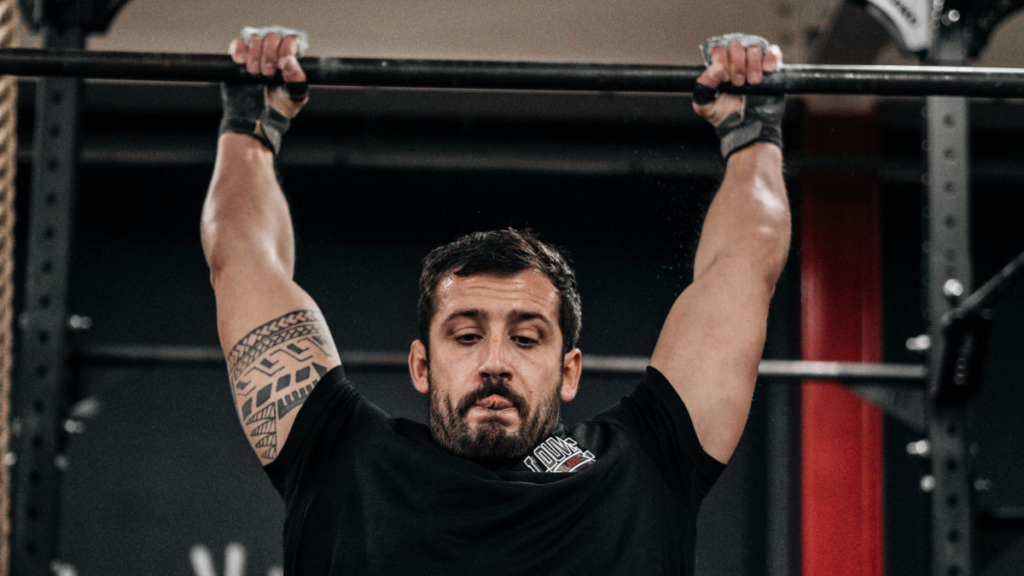
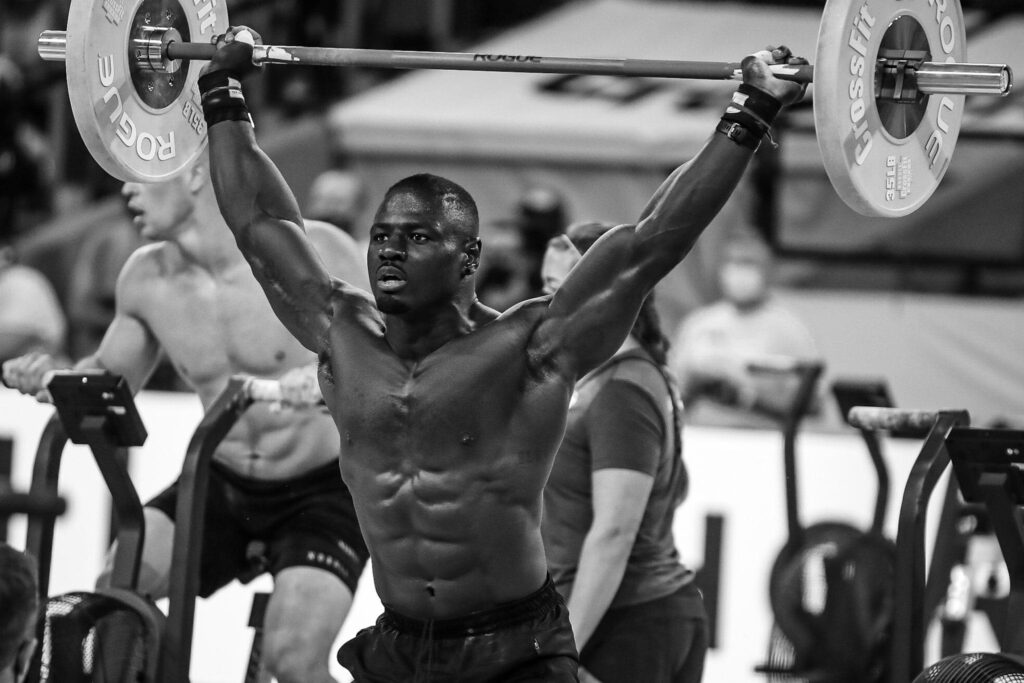
To maximise results, focus on compound exercises that target multiple muscle groups. Squats, deadlifts, bench presses, and pull-ups are excellent choices. Aim for at least three strength training sessions per week, ensuring you progressively overload your muscles by gradually increasing the weight or resistance.
Tip 2: Incorporate High-Intensity Interval Training (HIIT)

The Efficiency of HIIT
High-Intensity Interval Training (HIIT) is a time-efficient and effective way to burn fat. HIIT involves short bursts of intense exercise followed by brief periods of rest or low-intensity activity. This approach not only burns a significant amount of calories during the workout but also increases post-exercise oxygen consumption (EPOC), leading to continued calorie burn even after you’ve finished exercising.
Research published in the Journal of Obesity demonstrated that HIIT was more effective at reducing abdominal fat compared to moderate-intensity continuous exercise (MICE) .
Implementing HIIT Workouts
Incorporate HIIT into your routine by performing exercises such as sprints, burpees, or cycling at maximum effort for 20-30 seconds, followed by 10-15 seconds of rest. Repeat this cycle for 15-20 minutes, two to three times per week, alongside your strength training regimen.
Tip 3: Improve Your Diet with Whole Foods

The Impact of Nutrition on Body Composition
Diet plays a pivotal role in fat loss and muscle maintenance. Consuming nutrient-dense, whole foods supports your training efforts and helps regulate your body’s metabolism. Processed foods, high in sugars and unhealthy fats, contribute to fat gain and a flabby appearance.
A study in The American Journal of Clinical Nutrition highlighted that diets rich in whole foods, particularly those high in protein and fibre, were associated with better body composition and lower levels of body fat .
Dietary Recommendations
Focus on consuming lean proteins, such as chicken, fish, and legumes, as well as complex carbohydrates like whole grains, vegetables, and fruits. Healthy fats from sources like avocados, nuts, and olive oil should also be included. Aim to balance your macronutrient intake to support muscle growth and fat loss.
Tip 4: Monitor Your Caloric Intake
The Science of Caloric Deficit
To lose fat, you need to create a caloric deficit, meaning you consume fewer calories than your body needs to maintain its current weight. This forces your body to use stored fat for energy, leading to fat loss. However, it’s essential to avoid drastic caloric restriction, as this can lead to muscle loss and a decrease in metabolism.
A study published in the International Journal of Obesity found that moderate caloric restriction combined with resistance training led to significant fat loss while preserving lean muscle mass .
How to Calculate and Monitor Calories
To create a sustainable caloric deficit, start by calculating your Total Daily Energy Expenditure (TDEE) using an online calculator. Then, aim to reduce your daily caloric intake by 10-20% from your TDEE. Track your food intake using an app like MyFitnessPal to ensure you stay within your target.
Tip 5: Stay Consistent with Your Sleep Schedule

The Role of Sleep in Fat Loss
Sleep is often overlooked but is critical for fat loss and muscle recovery. Poor sleep disrupts hormonal balance, particularly hormones like ghrelin and leptin, which regulate hunger and satiety. Lack of sleep can lead to increased appetite and cravings for unhealthy foods, making it harder to lose fat.
Research in the Annals of Internal Medicine demonstrated that sleep-deprived individuals lost more muscle mass and less fat compared to those who had adequate sleep, even when both groups followed the same diet .
Tips for Better Sleep
Aim for 7-9 hours of quality sleep per night. Establish a regular sleep schedule by going to bed and waking up at the same time every day, even on weekends. Avoid screens before bedtime, and create a relaxing pre-sleep routine to improve sleep quality.
Tip 6: Manage Stress Levels

Stress and Its Impact on Fat Accumulation
Chronic stress can lead to the accumulation of visceral fat, particularly around the midsection. This is due to the hormone cortisol, which is released during stress and has been linked to increased fat storage. Managing stress is, therefore, crucial for reducing a flabby dad bod.
A study published in Obesity Reviews found that stress management techniques, such as mindfulness and relaxation exercises, were effective in reducing cortisol levels and abdominal fat .
Effective Stress Management Techniques
Incorporate stress-reducing activities into your daily routine, such as deep breathing exercises, meditation, or yoga. Regular physical activity, particularly aerobic exercises, has also been shown to reduce stress levels. Ensuring you have time for hobbies and relaxation is equally important.
Tip 7: Stay Hydrated
The Role of Hydration in Metabolism
Adequate hydration is essential for optimal metabolism and fat loss. Water is involved in various metabolic processes, including the breakdown of fat for energy. Dehydration can slow down metabolism, making it harder to burn fat.
A study in the Journal of Clinical Endocrinology & Metabolism found that drinking 500 ml of water increased metabolic rate by 30% within 10 minutes, highlighting the importance of staying hydrated .
Hydration Recommendations
Aim to drink at least 2-3 litres of water daily, more if you are active or live in a hot climate. Carry a water bottle with you to ensure you stay hydrated throughout the day. Drinking water before meals can also help control appetite and prevent overeating.
Tip 8: Increase Your NEAT (Non-Exercise Activity Thermogenesis)

Understanding NEAT and Its Role in Fat Loss
Non-Exercise Activity Thermogenesis (NEAT) refers to the calories burned during everyday activities that are not considered formal exercise, such as walking, fidgeting, or doing household chores. Increasing NEAT can significantly contribute to fat loss, especially when combined with regular exercise.
A study in the American Journal of Clinical Nutrition showed that individuals with higher levels of NEAT had lower body fat percentages and were more successful in maintaining weight loss .
Ways to Boost NEAT
Incorporate more movement into your day by taking the stairs instead of the lift, walking or cycling instead of driving for short trips, and standing up or walking during phone calls. Small changes can add up to a significant increase in daily calorie expenditure.
Tip 9: Implement Intermittent Fasting
The Science Behind Intermittent Fasting
Intermittent fasting (IF) involves alternating periods of eating with periods of fasting. This eating pattern has been shown to promote fat loss while preserving muscle mass. IF can help regulate insulin levels, increase growth hormone production, and enhance fat metabolism.
A review in the Annual Review of Nutrition found that intermittent fasting led to significant fat loss and improved metabolic health markers, even without a reduction in total caloric intake .
How to Start Intermittent Fasting
There are several approaches to intermittent fasting, such as the 16/8 method (fasting for 16 hours and eating during an 8-hour window) or the 5:2 method (eating normally for five days and significantly reducing calories for two non-consecutive days). Choose a method that fits your lifestyle and experiment to see what works best for you.
Tip 10: Focus on Sustainable Habits
The Importance of Long-Term Changes
The key to losing a flabby dad bod is consistency and sustainability. Quick fixes and extreme diets may yield temporary results, but they are often unsustainable and can lead to weight regain. Focusing on small, manageable changes in your lifestyle can lead to long-term success.
A study published in The American Journal of Clinical Nutrition emphasised that gradual, sustainable changes in diet and exercise were more effective for long-term fat loss compared to rapid, extreme interventions .
Building Lasting Habits
Start by setting realistic goals and gradually incorporating the tips outlined in this article into your routine. Celebrate small victories and stay motivated by tracking your progress. Remember, patience and consistency are crucial for achieving and maintaining your desired body composition.
Key Takeaways
| Tip | Key Points |
|---|---|
| Prioritise Strength Training | Focus on compound exercises to build muscle and boost metabolism. |
| Incorporate HIIT | Short, intense workouts burn more fat in less time. |
| Improve Your Diet with Whole Foods | Whole foods support fat loss and muscle maintenance. |
| Monitor Your Caloric Intake | Create a sustainable caloric deficit for effective fat loss. |
| Stay Consistent with Your Sleep Schedule | Adequate sleep is essential for fat loss and muscle recovery. |
| Manage Stress Levels | Reducing stress helps prevent fat accumulation. |
| Stay Hydrated | Hydration is crucial for optimal metabolism and fat loss. |
| Increase Your NEAT | Boost daily activity levels to burn more calories. |
| Implement Intermittent Fasting | IF can enhance fat metabolism and promote fat loss. |
| Focus on Sustainable Habits | Gradual, long-term changes are key to success. |
Bibliography
Catenacci, V.A., Ogden, L.G., & Phelan, S., et al., 2008. Dietary factors associated with substantial long-term weight loss in a low-calorie diet trial. The American Journal of Clinical Nutrition, 88(4), pp. 927-934.
Donnelly, J.E., Blair, S.N., Jakicic, J.M., Manore, M.M., Rankin, J.W., & Smith, B.K., 2009. Appropriate Physical Activity Intervention Strategies for Weight Loss and Prevention of Weight Regain for Adults. Medicine & Science in Sports & Exercise, 41(2), pp. 459-471.
Larsen, T.M., Dalskov, S.M., van Baak, M., Jebb, S.A., Papadaki, A., Pfeiffer, A.F.H., Martinez, J.A., Handjieva-Darlenska, T., Kunešová, M., Pihlsgård, M., Stender, S., Holst, C., Saris, W.H.M., & Astrup, A., 2010. Diets with high or low protein content and glycaemic index for weight-loss maintenance. The New England Journal of Medicine, 363(22), pp. 2102-2113.
Schwingshackl, L., Hoffmann, G., 2013. Long-term effects of low glycaemic index/load vs. high glycaemic index/load diets on parameters of obesity and obesity-associated risks: a systematic review and meta-analysis. Nutrition, Metabolism and Cardiovascular Diseases, 23(8), pp. 699-706.
Speakman, J.R., Selman, C., 2003. Physical activity and resting metabolic rate. Proceedings of the Nutrition Society, 62(3), pp. 621-634.
Trapp, E.G., Chisholm, D.J., Freund, J., & Boutcher, S.H., 2008. The effects of high-intensity intermittent exercise training on fat loss and fasting insulin levels of young women. International Journal of Obesity, 32(4), pp. 684-691.
Westerterp, K.R., 2004. Diet induced thermogenesis. Nutrition & Metabolism, 1, pp. 5-12.
Williams, C.J., Leitzmann, M.F., & Sacks, F.M., et al., 2007. Weight gain prevention with a low-glycaemic-load diet in overweight and obese adults: a randomised controlled trial. The American Journal of Clinical Nutrition, 86(4), pp. 923-934.
Wolever, T.M., Gibbs, A.L., & Mehling, C., et al., 2006. The Canadian Trial of Carbohydrates in Diabetes (CCD), a 1-y controlled trial of low-glycaemic-index dietary carbohydrate in type 2 diabetes: no effect on glycated haemoglobin but reduction in C-reactive protein. The American Journal of Clinical Nutrition, 82(6), pp. 1463-1470.
Zhu, W., Wang, Z., Heshka, S., Heo, M., Faith, M.S., & Heymsfield, S.B., 2002. Waist circumference and obesity-associated risk factors among whites in the third National Health and Nutrition Examination Survey: clinical action thresholds. The American Journal of Clinical Nutrition, 76(4), pp. 743-749.