Having strong back muscles provides numerous benefits that enhance both physical performance and overall well-being.
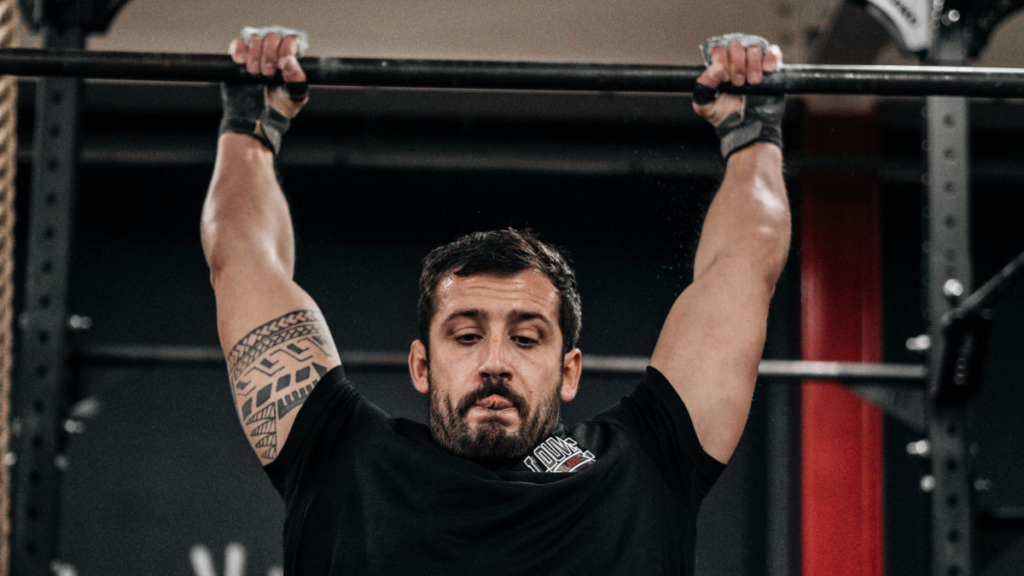
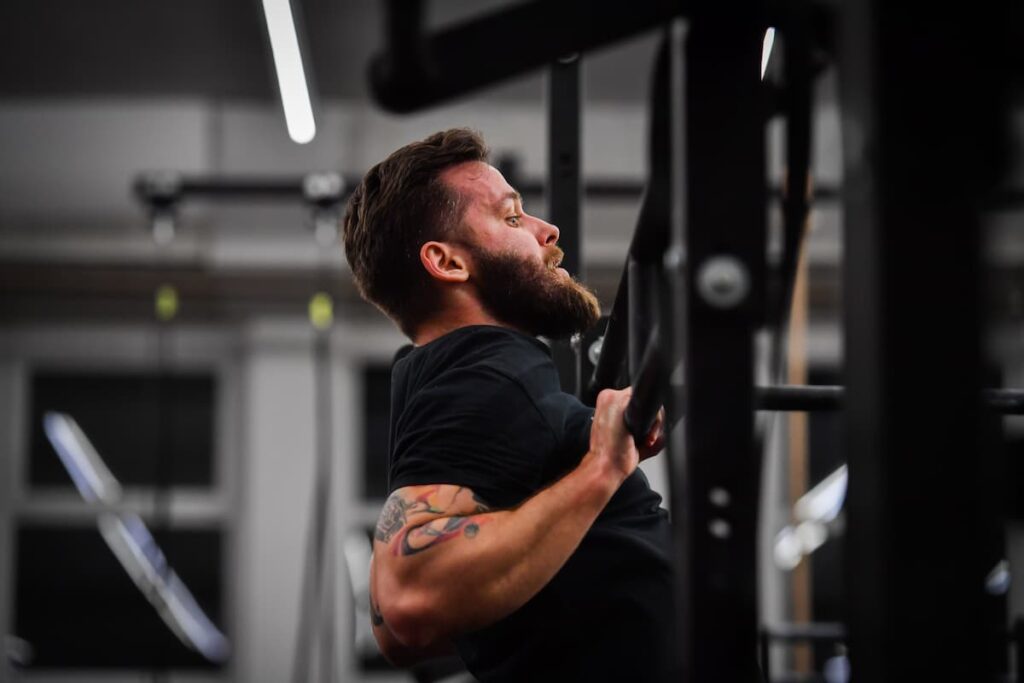
This workout has been designed by Jeremy Ethier to help you get a strong, injury resistant, and muscular back using only 3 different exercises.


The Workout
Lats Focused Pulldown
“To work the lats more, you want your elbows tight against your body as you pull. Focus on pulling from your elbows. Visualize them moving in a slight arc. Pull your shoulders down, away from the ears. Pull until your elbows are inline with your torso, then control the way up. At the top, fully extend your arms and let your shoulders rise up for a deep stretch.”
Cable Row
“You ideally want a grip where your hands are shoulder-width apart with the palms facing in. Brace your core and lean forward slightly. Next, think about pulling the elbows back and down towards your hips. Once your elbow reaches your torso, control the weight back, fully extending your arms and letting your shoulder rise up to get as deep of a stretch in your lats as possible.”
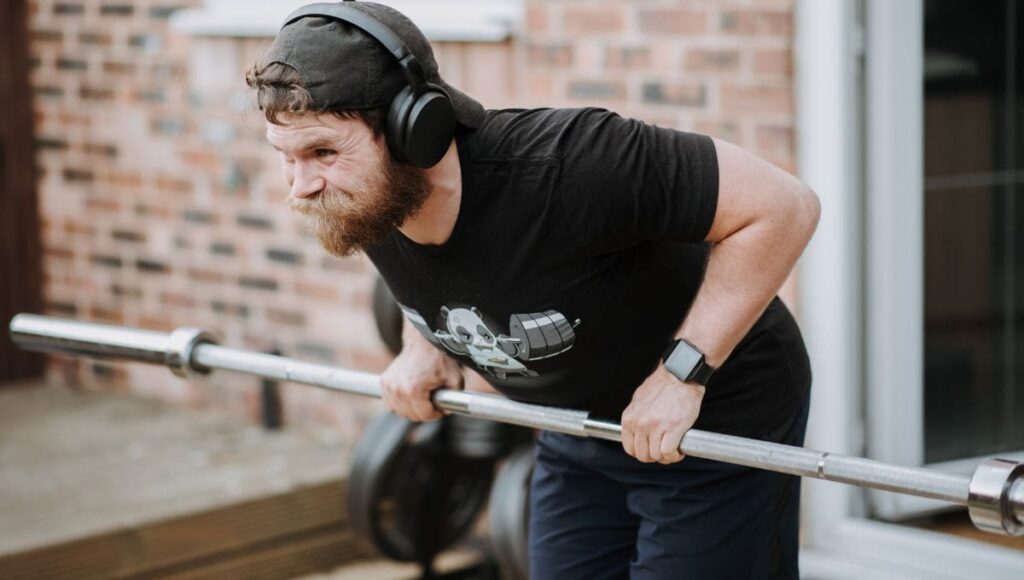
Wide Grip Row
“Brace your core and pull the bar back and up to your chest, letting your elbows flare out in an arrow shape. Squeeze your shoulder blades together at the end, and control the weight back down. But remember, most of the growth comes from the stretch, so open up your shoulder blades as wide as possible at the end of the rep.”
Here are some key advantages of a strong back:
1. Improved Posture
Strong back muscles help maintain proper alignment of the spine, reducing the likelihood of slouching or hunching. Good posture can prevent discomfort and long-term issues such as kyphosis or lordosis.
2. Reduced Risk of Injury
A strong back provides better support for the spine, reducing the risk of strains, sprains, and injuries, especially in the lower back. This is especially important for those who lift heavy objects or engage in physical labor.
3. Enhanced Core Stability
The back muscles are a critical part of the core. Strengthening them improves overall core stability, leading to better balance and coordination during physical activities.
4. Better Athletic Performance
In sports or exercises that require upper body strength (such as swimming, rowing, or weightlifting), strong back muscles improve power, endurance, and efficiency.
5. Reduced Back Pain
Many cases of chronic back pain stem from weak muscles, especially in the lower back. Strengthening these muscles helps alleviate discomfort and can prevent or reduce chronic pain.
6. Improved Breathing
The muscles of the upper back, particularly those surrounding the rib cage, play a role in respiratory function. A stronger back can aid in better lung expansion and deeper breathing.
7. Enhanced Flexibility and Mobility
Strong and well-developed back muscles contribute to greater flexibility, especially in the upper and lower back. This flexibility improves mobility and range of motion, reducing stiffness and enhancing daily activities.
8. Support for Other Muscle Groups
The back muscles work in tandem with other muscles, such as the shoulders, chest, and arms. Strengthening the back enhances overall muscular coordination, leading to more effective and safer movements.
9. Better Aesthetics
A well-defined back contributes to an aesthetically balanced physique, especially in fitness or bodybuilding. A strong back gives the body a “V” shape, which is often considered a desirable physical attribute.
10. Improved Functional Strength
Everyday activities like lifting, carrying, or even standing for long periods are easier with a strong back. This helps with overall functional strength, improving quality of life and reducing fatigue in day-to-day tasks.
11. Protection of Spinal Discs
Strong back muscles help support the spinal discs, which cushion the vertebrae. This support reduces the risk of disc degeneration or herniation, common causes of chronic back pain.
Overall, maintaining strong back muscles is crucial not only for physical fitness but also for long-term health and well-being, promoting both strength and longevity.