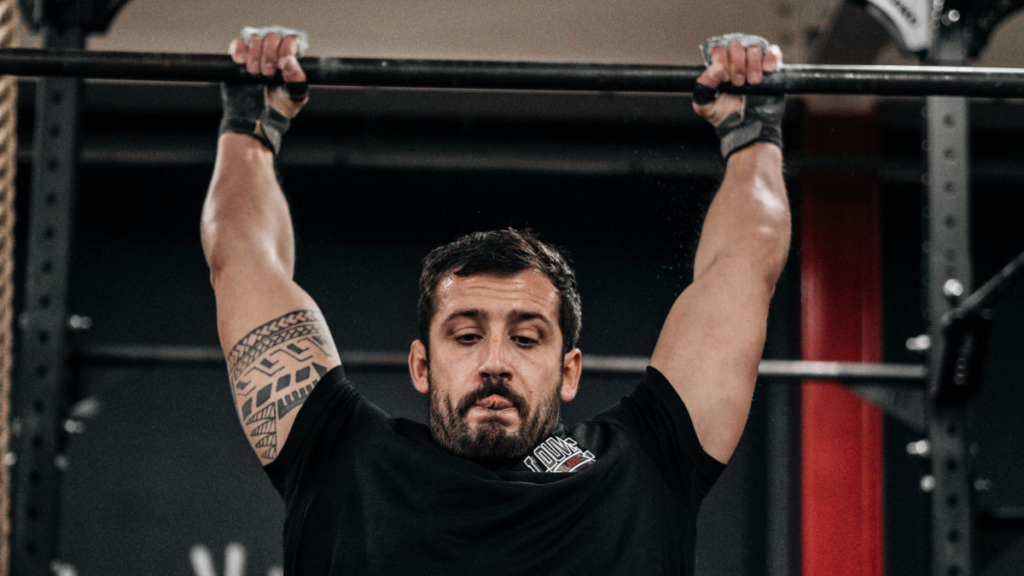
As men age, it becomes increasingly important to adapt workout routines to ensure continued muscle growth and overall fitness. After 35, the body undergoes several changes, including hormonal shifts, a decrease in muscle mass, and a slower recovery process. However, with the right strategies, it is possible to counteract these effects and promote significant muscle growth. This article delves into five scientifically-backed methods to help men over 35 maximise their muscle-building efforts.
1. Prioritise Progressive Overload
Understanding Progressive Overload
Progressive overload is a fundamental principle of strength training that involves gradually increasing the stress placed on the musculoskeletal system. This can be achieved by increasing the weight, volume, or intensity of exercises over time. Progressive overload is crucial for continuous muscle growth, as it forces the muscles to adapt to new levels of stress, leading to hypertrophy.


Implementing Progressive Overload
To effectively implement progressive overload, consider the following strategies:
- Increase Weight: Gradually add more weight to your exercises. Aim for a 5-10% increase once you can comfortably perform the desired number of reps.
- Increase Reps or Sets: Add more repetitions or sets to your routine as your strength improves.
- Decrease Rest Intervals: Reducing the rest time between sets can increase the intensity of your workouts, promoting muscle growth.
Scientific Backing
A study published in the Journal of Strength and Conditioning Research found that progressive overload is essential for muscle hypertrophy and strength gains, especially in older adults (Peterson et al., 2010). The study emphasised that consistent increases in training load are necessary to stimulate muscle growth and improve performance.
2. Emphasise Compound Movements
Benefits of Compound Movements
Compound movements, such as squats, deadlifts, bench presses, and rows, involve multiple muscle groups and joints. These exercises are highly effective for building overall muscle mass and strength because they:
- Engage more muscle fibres.
- Allow for heavier weights to be lifted.
- Promote the release of anabolic hormones such as testosterone and growth hormone.
Key Compound Exercises
- Squats: Target the quadriceps, hamstrings, glutes, and lower back.
- Deadlifts: Work the entire posterior chain, including the back, glutes, and hamstrings.
- Bench Presses: Focus on the chest, shoulders, and triceps.
- Rows: Strengthen the back, biceps, and shoulders.
Scientific Backing
Research published in the European Journal of Applied Physiology demonstrated that compound movements lead to greater muscle activation and hormonal responses compared to isolation exercises (Goto et al., 2009). The study concluded that compound exercises are more effective for inducing muscle hypertrophy and strength gains in older adults.
3. Optimise Nutrition and Supplementation

Macronutrient Balance
Proper nutrition is critical for muscle growth, particularly for men over 35. Ensure that your diet includes:
- Protein: Aim for 1.6 to 2.2 grams of protein per kilogram of body weight daily to support muscle repair and growth.
- Carbohydrates: Provide the energy needed for intense workouts. Focus on complex carbs like whole grains, fruits, and vegetables.
- Fats: Essential for hormone production, including testosterone. Include healthy fats from sources such as avocados, nuts, and olive oil.
Supplements to Consider
- Whey Protein: Convenient source of high-quality protein to support muscle recovery.
- Creatine: Enhances strength, power, and muscle mass. A study in the Journal of the International Society of Sports Nutrition found that creatine supplementation significantly improved muscle strength and growth (Buford et al., 2007).
- Branched-Chain Amino Acids (BCAAs): Help reduce muscle soreness and promote recovery.
Scientific Backing
A review in the Journal of the International Society of Sports Nutrition highlighted the importance of protein intake and supplementation for older adults engaging in resistance training (Phillips et al., 2016). The review emphasised that adequate protein consumption is essential for muscle maintenance and growth.
4. Focus on Recovery and Sleep

Importance of Recovery
Recovery is a critical component of muscle growth, especially as the body ages. Adequate recovery allows muscles to repair and grow stronger. Overtraining can lead to injuries and hinder progress, making recovery practices even more crucial for men over 35.
Recovery Strategies
- Sleep: Aim for 7-9 hours of quality sleep per night. Sleep is when the body releases growth hormone, which is essential for muscle repair and growth.
- Active Recovery: Incorporate light activities such as walking, stretching, or yoga to promote blood flow and aid recovery.
- Hydration: Stay adequately hydrated to support muscle function and recovery.
Scientific Backing
A study in the Journal of Applied Physiology found that sleep deprivation negatively affects muscle recovery and performance (Dattilo et al., 2011). The study underscored the importance of sufficient sleep for optimal muscle growth and recovery in older adults.
5. Tailor Workouts to Your Body’s Needs

Listen to Your Body
As you age, it’s essential to pay closer attention to how your body responds to exercise. This includes recognising the signs of overtraining and making necessary adjustments to your workout routine.
Personalised Training Plans
- Periodisation: Implement periodised training, which involves varying the intensity and volume of workouts over specific periods to prevent plateaus and overtraining.
- Joint-Friendly Exercises: Opt for exercises that are gentle on the joints to prevent injuries. Consider using machines or resistance bands to reduce joint stress.
- Flexibility and Mobility: Incorporate stretching and mobility exercises to maintain joint health and prevent injuries.
Scientific Backing
Research published in the American Journal of Physiology highlighted the importance of personalised training programs for older adults to prevent injuries and promote muscle growth (Hunter et al., 2004). The study emphasised that customised workout plans are more effective for achieving long-term fitness goals.
Conclusion
Building muscle after 35 requires a strategic approach that incorporates progressive overload, compound movements, proper nutrition, adequate recovery, and personalised workout plans. By understanding the body’s changing needs and adapting training methods accordingly, men over 35 can continue to achieve significant muscle growth and maintain overall fitness.
Bibliography
- Buford, T.W., Kreider, R.B., Stout, J.R., Greenwood, M., Campbell, B., Spano, M., Ziegenfuss, T., López, H.L., Landis, J., Antonio, J. (2007). International Society of Sports Nutrition position stand: creatine supplementation and exercise. Journal of the International Society of Sports Nutrition, 4(1), 6.
- Dattilo, M., Antunes, H.K.M., Medeiros, A., Mônico Neto, M., Souza, H.S., Tufik, S., de Mello, M.T. (2011). Sleep and muscle recovery: endocrinological and molecular basis for a new and promising hypothesis. Journal of Applied Physiology, 111(4), 1297-1303.
- Goto, K., Ishii, N., Kizuka, T., Kraemer, W.J., Honda, Y., Takamatsu, K. (2009). Hormonal and metabolic responses to slow movement resistance exercise with different durations of concentric and eccentric actions. European Journal of Applied Physiology, 106(5), 731-739.
- Hunter, G.R., McCarthy, J.P., Bamman, M.M. (2004). Effects of resistance training on older adults. American Journal of Physiology, 286(5), E678-E687.
- Peterson, M.D., Rhea, M.R., Alvar, B.A. (2010). Applications of the dose-response for muscular strength development: a review of meta-analytic efficacy and reliability for designing training prescription. Journal of Strength and Conditioning Research, 18(4), 1218-1226.
- Phillips, S.M., Tang, J.E., Moore, D.R. (2016). The role of milk- and soy-based protein in support of muscle protein synthesis and muscle protein accretion in young and elderly persons. Journal of the International Society of Sports Nutrition, 10(1), 45.
Key Takeaways
| Strategy | Key Points |
|---|---|
| Progressive Overload | Gradually increase the weight, volume, or intensity of exercises to continually challenge muscles and promote growth. |
| Emphasise Compound Movements | Focus on multi-joint exercises like squats, deadlifts, bench presses, and rows to engage more muscle fibres and stimulate greater muscle growth. |
| Optimise Nutrition and Supplementation | Ensure a balanced intake of protein, carbohydrates, and fats. Consider supplements like whey protein, creatine, and BCAAs to support muscle growth and recovery. |
| Focus on Recovery and Sleep | Prioritise adequate sleep, active recovery, and hydration to allow muscles to repair and grow stronger. |
| Tailor Workouts to Your Body’s Needs | Listen to your body, use personalised training plans, and incorporate joint-friendly exercises and flexibility routines to prevent injuries and promote long-term gains. |
By following these evidence-based strategies, men over 35 can effectively build muscle and enhance their overall fitness.