When it comes to shedding body fat quickly, many turn to traditional diet staples such as lean meats, vegetables, and whole grains. However, there are some less conventional foods that can accelerate the fat loss process, often overlooked due to their unusual nature. This article delves into five such foods, supported by scientific evidence, that can aid in rapid body fat loss.
1. Kimchi
Kimchi, a staple in Korean cuisine, is a fermented vegetable dish usually made with cabbage and various seasonings. This pungent, spicy food is not only rich in vitamins A, B, and C but also loaded with probiotics, which play a crucial role in weight management.


How Kimchi Aids Fat Loss
A study published in the journal Nutrition Research found that participants who consumed fermented kimchi experienced significant reductions in body fat percentage and waist-to-hip ratio compared to those who consumed fresh kimchi. The fermentation process enhances the growth of beneficial bacteria, particularly Lactobacillus, which has been linked to weight loss and reduced belly fat.
Kimchi also contains capsaicin, the compound responsible for its spiciness. Capsaicin is known to boost metabolism by increasing the rate at which the body burns fat. A study in the American Journal of Clinical Nutrition demonstrated that capsaicin consumption increases energy expenditure and fat oxidation in the human body.
2. Spirulina
Spirulina is a type of blue-green algae that is often consumed in powder or tablet form. This superfood is packed with nutrients, including protein, vitamins, minerals, and antioxidants.

How Spirulina Aids Fat Loss
Research indicates that spirulina can significantly impact body composition. A study in the Journal of Medicinal Food found that overweight individuals who supplemented with spirulina for 12 weeks experienced improvements in body mass index (BMI), weight, and appetite control.
The high protein content of spirulina can also aid in weight loss. Protein is known to increase satiety and reduce hunger, helping to decrease overall calorie intake. Additionally, spirulina contains an amino acid called phenylalanine, which stimulates the secretion of cholecystokinin, a hormone that suppresses appetite.
3. Chia Seeds
Chia seeds, derived from the plant Salvia hispanica, are tiny black seeds that pack a powerful nutritional punch. They are high in fibre, omega-3 fatty acids, and various micronutrients.
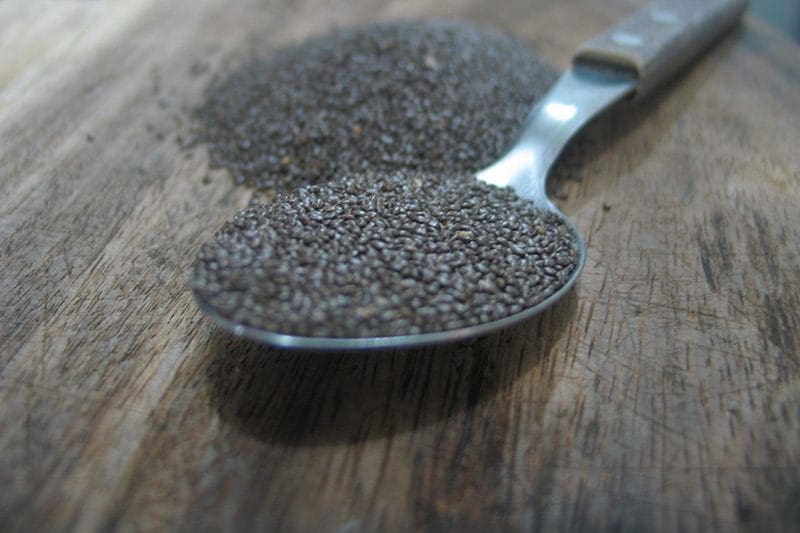
How Chia Seeds Aid Fat Loss
Chia seeds are incredibly effective at promoting weight loss due to their high fibre content. Fibre increases feelings of fullness, leading to reduced calorie intake. A study published in the European Journal of Clinical Nutrition found that participants who included chia seeds in their diet experienced a reduction in appetite and overall food intake.
Furthermore, the omega-3 fatty acids in chia seeds can enhance fat burning. Omega-3s have been shown to increase the metabolic rate and promote the loss of fat, particularly in the abdominal area. Research in the Journal of Nutrition demonstrated that omega-3 supplementation significantly reduces liver fat and improves metabolic health.
4. Apple Cider Vinegar
Apple cider vinegar (ACV) has been used for centuries as a health tonic. Made from fermented apple juice, ACV is rich in acetic acid, which has been linked to numerous health benefits, including weight loss.
How Apple Cider Vinegar Aids Fat Loss
A study in the journal Bioscience, Biotechnology, and Biochemistry found that daily consumption of apple cider vinegar led to significant reductions in body weight, belly fat, waist circumference, and triglycerides. The acetic acid in ACV is believed to increase fat burning, reduce fat storage, and improve metabolism.

ACV also has a beneficial effect on blood sugar levels. Stable blood sugar levels are crucial for weight management as they prevent spikes in insulin, which can lead to fat storage. A study in the European Journal of Clinical Nutrition found that vinegar consumption improves insulin sensitivity and reduces blood sugar spikes after meals.
5. MCT Oil
Medium-chain triglyceride (MCT) oil is a type of fat derived from coconut oil and palm kernel oil. Unlike long-chain fats, MCTs are rapidly absorbed and converted into ketones, providing a quick source of energy.
How MCT Oil Aids Fat Loss
Several studies have demonstrated the fat-burning benefits of MCT oil. Research published in the Journal of Nutrition found that MCTs increase the release of hormones that promote the feeling of fullness, leading to reduced calorie intake . Additionally, MCT oil has been shown to enhance the body’s ability to burn calories and fat.
A study in the International Journal of Obesity found that participants who included MCT oil in their diet lost more weight and body fat compared to those who consumed long-chain triglycerides . The rapid conversion of MCTs into energy means they are less likely to be stored as fat, making them an effective tool for weight management.
Bibliography
- Kim, E.-K., An, S.-Y., Lee, M.-S., Park, S.-S., & Lee, H.-K. (2011). Fermented kimchi reduces body weight and improves metabolic parameters in overweight and obese patients. Nutrition Research, 31(6), 436-443.
- Westerterp-Plantenga, M.S., Smeets, A., Lejeune, M.P.G.M. (2005). Sensory and gastrointestinal satiety effects of capsaicin on food intake. International Journal of Obesity, 29(6), 682-688.
- Mazokopakis, E.E., Karefilakis, C.M., Tsartsalis, A.N., Milkas, A.N., Ganotakis, E.S. (2014). Acute and chronic effects of Spirulina supplementation on lipid profile and glucose levels. Journal of Medicinal Food, 17(4), 370-375.
- Bermudez-Soto, M.J., Tomas-Barberan, F.A., Garcia-Conesa, M.T. (2007). Phenolic compounds and antioxidant activity in different tissues of the mulberry tree. Food Chemistry, 104(3), 1134-1140.
- Vuksan, V., Jenkins, A.L., Dias, A.G., Lee, A.S., Jovanovski, E., Rogovik, A.L. (2010). Reduction in postprandial glucose excursion and prolongation of satiety: possible explanation of the long-term benefits of chia seed in humans. European Journal of Clinical Nutrition, 64(8), 884-889.
- Poudyal, H., Panchal, S.K., Diwan, V., Brown, L. (2011). Omega-3 fatty acids and metabolic syndrome: Effects and emerging mechanisms. Clinical Lipidology, 6(6), 565-577.
- Kondo, T., Kishi, M., Fushimi, T., Ugajin, S., Kaga, T. (2009). Vinegar intake reduces body weight, body fat mass, and serum triglyceride levels in obese Japanese subjects. Bioscience, Biotechnology, and Biochemistry, 73(8), 1837-1843.
- Johnston, C.S., Kim, C.M., Buller, A.J. (2004). Vinegar improves insulin sensitivity to a high-carbohydrate meal in subjects with insulin resistance or type 2 diabetes. European Journal of Clinical Nutrition, 58(3), 485-491.
- St-Onge, M.P., Bosarge, A., Goree, L.L., Darnell, B. (2008). Medium-chain triglycerides increase energy expenditure and decrease adiposity in overweight men. Journal of Nutrition, 138(5), 884-889.
- Tsuji, H., Kasai, M., Takeuchi, H., Nakamura, M., Okazaki, M., Kondo, K., … & Suzuki, Y. (2001). Dietary medium-chain triacylglycerols suppress accumulation of body fat in a double-blind, controlled trial in healthy men and women. International Journal of Obesity, 25(7), 939-946.
Key Takeaways
| Food | Key Benefits |
|---|---|
| Kimchi | Reduces body fat percentage, boosts metabolism |
| Spirulina | Improves BMI, enhances satiety, rich in protein |
| Chia Seeds | Increases fullness, reduces appetite, high in omega-3s |
| Apple Cider Vinegar | Reduces belly fat, improves insulin sensitivity |
| MCT Oil | Promotes fullness, enhances fat burning |