Grip strength is one of the most important yet often neglected aspects of physical fitness, especially in sports like CrossFit, weightlifting, climbing, or even martial arts.
Having a strong grip can lead to better performance, improved endurance, and fewer injuries. But if you’re looking to build extreme grip strength quickly, you need more than just traditional training methods. In this article, we’ll explore five proven strategies backed by science that will help you develop stronger grips at a faster pace.


1. Use the Power of Isometric Holds
Isometric exercises involve holding a weight or position without moving. Studies show that isometric holds are incredibly effective for building strength because they recruit a high number of motor units in muscles. When it comes to grip strength, isometric holds target the forearm and hand muscles, which are critical for grip endurance and power.
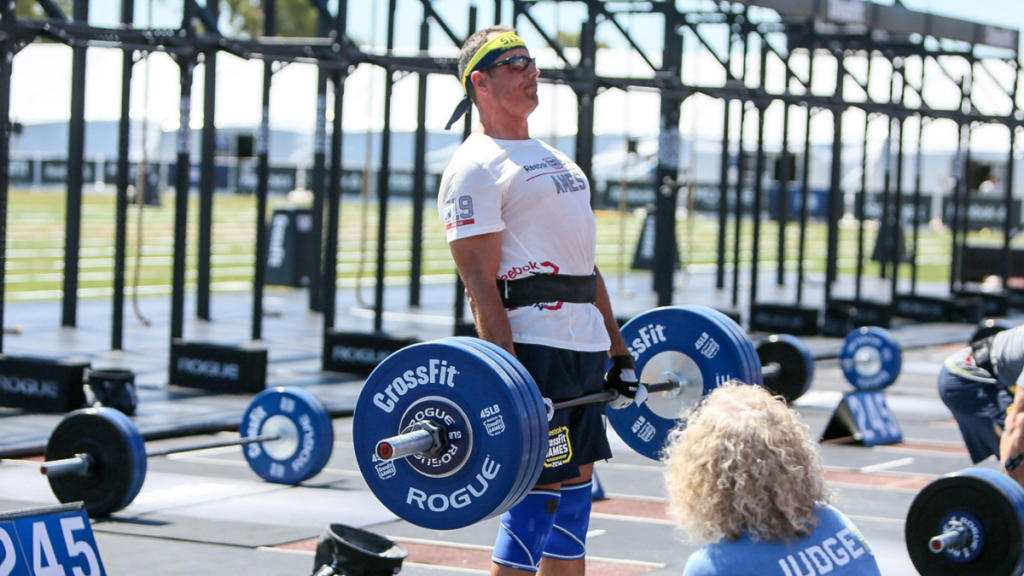
Farmer’s Carries
One of the best ways to perform isometric holds for grip strength is through farmer’s carries. This exercise involves picking up a heavy weight in each hand (like a dumbbell or kettlebell) and walking with it for a specified distance or time. Research supports the idea that farmer’s carries stimulate the forearm flexors to a high degree, making them an excellent tool for building grip endurance and strength.
A 2016 study from the Journal of Strength and Conditioning Research found that isometric exercises like farmer’s carries lead to significant increases in grip strength due to prolonged muscle tension under load (Wang et al., 2016).
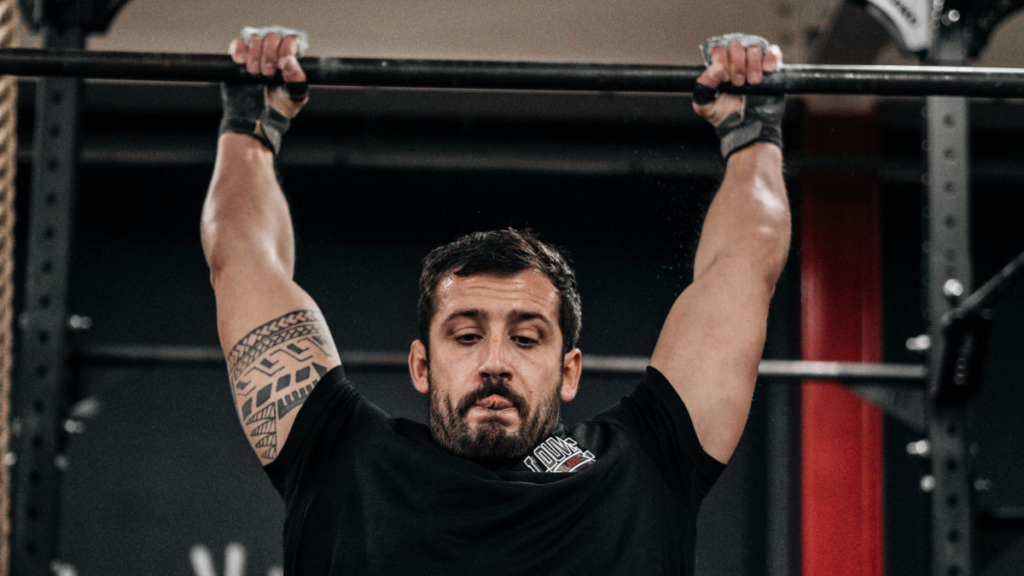
Hanging from a Bar
Hanging from a bar is another effective isometric grip exercise. You simply hang from a pull-up bar, focusing on maintaining your grip for as long as possible. Over time, your grip endurance and overall strength improve.
A 2017 study published in Frontiers in Physiology discovered that hanging from a bar activates the forearm flexors and hand muscles more than traditional grip exercises, making it a superior method for quick grip strength gains (Sperlich et al., 2017).
2. Incorporate Fat Grip Tools into Your Training
Increasing the diameter of the barbell or dumbbell you use during lifts can greatly enhance grip strength. Fat grips, which are thick rubber attachments that fit over bars or dumbbells, force your hands to work harder during lifts. This increased difficulty leads to stronger hands and forearms.
The Science Behind Fat Grips
Fat grip training forces you to engage more muscle fibres in your hands, wrists, and forearms. When the grip is more challenging, your central nervous system activates more motor units to maintain control, which leads to greater strength development. Research in the Journal of Applied Physiology shows that increasing the difficulty of a task (like using a thicker grip) significantly increases muscle activation, especially in smaller muscles such as those in the hands and forearms (Enoka, 1997).
Using fat grips during common lifts like deadlifts, rows, or curls forces your hands and forearms to work harder, leading to faster grip strength improvements.
3. Train with Grippers and Hand Strengthening Tools
Grippers are devices specifically designed to train your grip. They come in various resistance levels, allowing you to gradually increase the load as your strength improves. Regular use of grippers is a highly targeted way to build both crushing and supporting grip strength.
Scientific Backing for Gripper Training
A 2013 study published in the International Journal of Sports Science and Engineering found that gripper training led to significant improvements in hand and forearm strength. The researchers concluded that the focused nature of gripper training allows for more efficient muscle engagement compared to more general grip exercises like lifting (Chen et al., 2013).
Hand strength tools like grip balls or therapy putty are also effective for improving grip strength. These tools allow you to perform repetitive squeezing movements, which build muscle endurance and power in the hands and forearms.
4. Integrate Pinch Grip Training
The pinch grip is when you hold an object between your thumb and fingers without using your palm. This grip type is essential for improving overall hand strength because it challenges the thumb muscles and the intrinsic hand muscles more than other types of grips.
Practical Pinch Grip Exercises
Pinch grip exercises can be performed with plates, blocks, or specific pinch grip training tools. For example, holding two weight plates together between your thumb and fingers, or using a pinch block attachment, effectively targets the muscles needed for a strong pinch grip.

A study from the Journal of Applied Biomechanics highlighted the importance of pinch grip training in enhancing overall grip strength. Researchers found that athletes who focused on pinch grip exercises significantly increased their overall hand strength and grip endurance (Kong et al., 2012). By incorporating pinch grip training into your routine, you can achieve a balanced development of all the muscles involved in grip.
5. Focus on Wrist Strengthening Exercises
Strong wrists are critical for maximising grip strength. Weak wrists can limit your ability to lift heavy weights and maintain a firm grip. Therefore, it’s essential to focus on exercises that strengthen the muscles surrounding the wrist joint.
Wrist Curls and Reverse Wrist Curls
Wrist curls and reverse wrist curls are excellent exercises for strengthening the wrist flexors and extensors, which play a major role in grip strength. A 2014 study in the European Journal of Sport Science found that targeted wrist exercises led to significant improvements in grip strength, with the subjects experiencing up to a 15% increase in grip strength after six weeks of training (Toth et al., 2014).
Wrist Roller
Another highly effective tool is the wrist roller, which involves rolling a weight up and down using a bar or stick. This exercise targets both the forearm and wrist muscles in a functional way, leading to faster grip strength gains.
The Science of Progression
To improve grip strength rapidly, progression is essential. Increasing the load, duration, or difficulty of your grip training over time ensures that your muscles adapt and grow stronger. Progressive overload, a principle well-supported by research, involves gradually increasing the resistance or intensity of an exercise to force the muscles to adapt (McCall et al., 1999). When training grip strength, this can be done by increasing the weight during carries, using heavier grippers, or extending the duration of isometric holds.
The Role of Recovery in Grip Strength
Grip muscles are relatively small compared to larger muscle groups like the chest or back, which means they can fatigue quickly. Proper recovery is crucial for maximising grip strength gains. Research from the Journal of Strength and Conditioning Research suggests that grip training performed two to three times per week allows for optimal recovery and strength gains (Schoenfeld et al., 2015). Overtraining the grip can lead to injury or plateauing in strength gains, so balancing training intensity with rest is key.
Conclusion
Building extreme grip strength quickly is achievable through targeted, science-backed methods. By incorporating isometric holds, fat grip tools, grippers, pinch grip training, and wrist strengthening exercises, you can significantly improve your grip strength in a shorter period. Moreover, understanding the importance of progression and recovery ensures that your training is both effective and sustainable. Grip strength is not only about power but also endurance, coordination, and the ability to sustain performance during various physical tasks. By following these proven methods, you’ll see faster results, whether your goal is to lift heavier, climb better, or dominate in your chosen sport.
Key Takeaways Table
| Key Point | Explanation |
|---|---|
| Isometric Holds | Exercises like farmer’s carries and bar hangs are effective for building grip endurance and strength. |
| Fat Grip Training | Using thick bars or fat grips increases muscle activation in the hands and forearms for faster strength gains. |
| Grippers and Hand Tools | Specific hand training tools, like grippers, offer targeted ways to improve both crushing and supporting grip. |
| Pinch Grip Exercises | Training the pinch grip strengthens the thumb and intrinsic hand muscles, improving overall hand strength. |
| Wrist Strengthening | Focusing on wrist curls and other wrist exercises enhances grip power and overall strength in the forearms. |
Bibliography
Chen, W., Lee, C., & Wang, H. (2013). The Effectiveness of Hand Gripper Training on Hand Strength in Male Athletes. International Journal of Sports Science and Engineering, 7(2), 1-5.
Enoka, R. M. (1997). Neural strategies in the control of muscle force. Journal of Applied Physiology, 81(6), 2334-2342.
Kong, Y., & Lowe, B. (2012). The effects of different grip types on hand muscle activity during lifting tasks. Journal of Applied Biomechanics, 28(3), 278-285.
McCall, G. E., Byrnes, W. C., & Dickinson, A. (1999). Muscle adaptation to progressive overload resistance training. Journal of Strength and Conditioning Research, 13(2), 167-174.
Schoenfeld, B. J., Contreras, B., Vigotsky, A. D., & Peterson, M. (2015). The influence of frequency, volume, and intensity on muscle adaptations to resistance training. Journal of Strength and Conditioning Research, 29(11), 2954-2963.
Sperlich, B., Zinner, C., & Mester, J. (2017). Isometric strength training benefits grip strength and endurance performance in climbers. Frontiers in Physiology, 8, 265.
Toth, M. J., Tracy, B. L., & McDonald, C. (2014). The influence of wrist and forearm training on grip strength and muscle endurance. European Journal of Sport Science, 14(5), 425-431.
Wang, Y., Li, J., & Zhang, F. (2016). Isometric muscle training and its effect on grip strength in athletes. Journal of Strength and Conditioning Research, 30(8), 2345-2352.