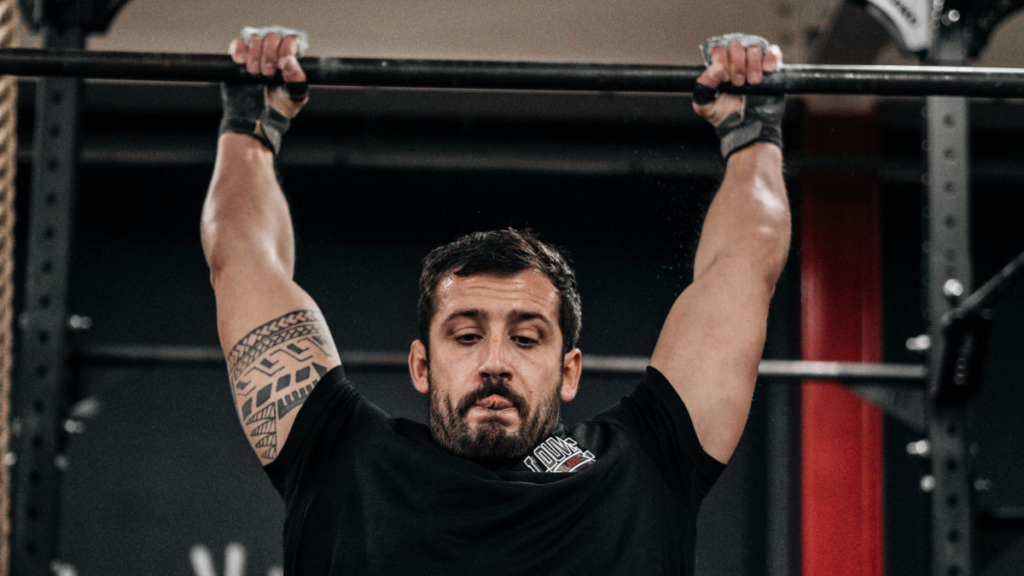
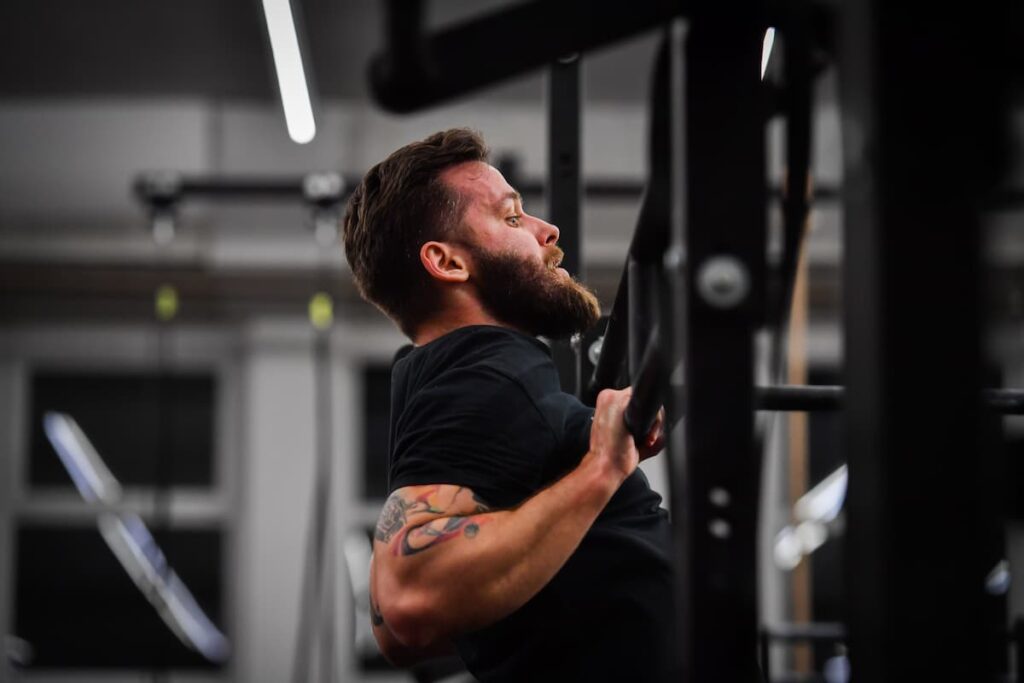
Strong shoulders provide several key benefits, impacting both physical performance and overall well-being.
Jeff Nippard has ranked 20 shoulder exercises on a tier list based on the latest science. This is how you should interpret his tier list:


All exercises are ranked based on muscle building potential.
- S tier – My favorite. Do them if you can.
- A tier – Strongly recommend.
- B tier – I still do these in certain contexts. There may be better options.
- C tier – There are better options for most people. Can still have value in some contexts.
- D tier – Probably not a great option for most people.
- F tier – Generally not recommended.
Video
Here are some of the most notable advantages of having strong shoulders:
1. Improved Upper Body Strength
Strong shoulders enhance overall upper body strength, making it easier to perform exercises like push-ups, pull-ups, and overhead presses. They also improve performance in sports that require upper body force, such as swimming, basketball, or tennis.

2. Better Posture
Strengthening the muscles around the shoulders, such as the deltoids, trapezius, and rotator cuff, helps support proper posture. This reduces the likelihood of slouching or rounding the shoulders, which can lead to back and neck pain.
3. Injury Prevention
Building shoulder strength helps stabilize the shoulder joint, making it less prone to dislocations, strains, or tears. Strong shoulders also contribute to joint flexibility, reducing the risk of overuse injuries, especially in physically demanding activities.
4. Enhanced Functional Movement
Shoulders are involved in many daily activities, such as lifting, carrying, pushing, and pulling. Strong shoulders improve the ability to perform these tasks with greater ease and efficiency, reducing strain on other parts of the body like the lower back.
5. Aesthetic Appeal
Well-developed shoulder muscles contribute to an athletic and balanced physique, creating the desired V-shaped or T-shaped upper body. This is often an aesthetic goal for many people, enhancing confidence and appearance.
6. Increased Range of Motion
Strong and flexible shoulder muscles allow for a greater range of motion, making movements in daily life and sports easier. This helps with activities that require reaching, throwing, or lifting overhead.
7. Support for Other Muscle Groups
Strong shoulders provide a foundation for other muscle groups to work efficiently, especially in compound movements. For example, exercises like bench presses and deadlifts require shoulder stability for effective execution.
Building strong shoulders provides both functional and aesthetic benefits, making them essential for overall fitness and daily life.