Protein is essential for muscle repair and growth, making it a critical nutrient for anyone aiming to increase muscle mass or maintain lean muscle tissue.
High-protein snacks can provide the necessary amino acids that help repair muscle damage post-exercise while also providing the energy needed for recovery. Not all protein snacks, however, are created equal. It’s important to focus on snacks that offer high-quality protein, healthy fats, and other essential nutrients, while avoiding unnecessary sugars or empty calories.


In this article, we’ll explore three super healthy, high-protein snacks that are scientifically proven to support muscle growth. Each option offers balanced nutrition to support recovery, build muscle, and sustain your fitness goals. All claims are backed by research to ensure that you’re informed by the latest science in nutrition.
1. Greek Yoghurt with Mixed Seeds and Berries
Why It Works
Greek yoghurt is an excellent source of high-quality protein, providing all nine essential amino acids necessary for muscle repair. It is significantly richer in protein than regular yoghurt, thanks to the straining process that removes excess whey. On average, 100g of Greek yoghurt contains about 10g of protein, making it a great option for a post-workout snack or a healthy addition to your diet.

Several studies have demonstrated the effectiveness of dairy-based proteins in promoting muscle protein synthesis. According to a study by Tang et al. (2009), casein and whey proteins in dairy products promote greater muscle protein synthesis compared to plant-based proteins. This makes Greek yoghurt a superior option for those seeking to maximise muscle recovery and growth.
In addition to protein, Greek yoghurt is a rich source of calcium, which contributes to bone health, an important factor when building muscle. Calcium is essential for muscle contraction, and inadequate calcium intake can hinder physical performance and recovery.
Adding mixed seeds, such as chia seeds, flaxseeds, or sunflower seeds, boosts the nutritional value of the snack by providing healthy fats, fibre, and even more protein. A tablespoon of chia seeds, for instance, contains around 2g of protein, while flaxseeds are known for their high omega-3 fatty acid content, which helps reduce inflammation and supports recovery after intense exercise.
Berries such as blueberries or strawberries offer a natural source of antioxidants, which play a crucial role in reducing oxidative stress caused by intense exercise. According to a study by Davison et al. (2011), anthocyanins in berries help combat exercise-induced inflammation, improving recovery time and supporting long-term muscle health.
How to Prepare It
- Ingredients:
- 200g plain Greek yoghurt (provides 20g of protein)
- 1 tbsp chia seeds (provides 2g of protein)
- 1 tbsp flaxseeds (provides 1.3g of protein)
- A handful of mixed berries, such as blueberries or strawberries (for antioxidants)
Simply mix the yoghurt with the seeds and top with fresh berries. This easy snack offers approximately 23-24g of protein in a single serving.
2. Hard-Boiled Eggs with Hummus and Veggie Sticks
Why It Works
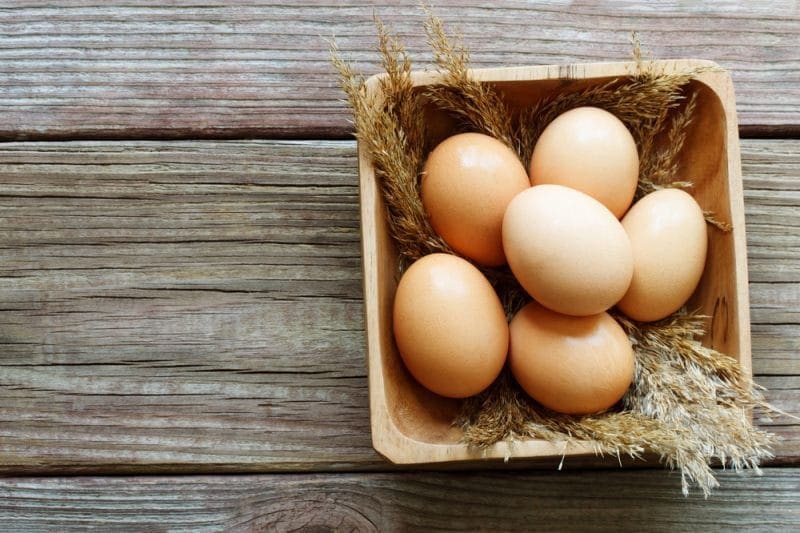
Eggs are often considered the gold standard for protein, as they contain all nine essential amino acids and have a high biological value, which means they are efficiently absorbed by the body. One large egg contains about 6-7g of protein. In particular, the leucine content of eggs—a branched-chain amino acid (BCAA)—is known to play a crucial role in stimulating muscle protein synthesis, especially post-exercise.
Research supports the role of eggs in muscle growth. According to a study published by Moore et al. (2009), consuming eggs after resistance exercise can enhance muscle protein synthesis by as much as 40%. Eggs are also an excellent source of essential vitamins and minerals, including vitamin D, which plays a role in calcium absorption and muscle function.
Pairing eggs with hummus, made from chickpeas, tahini, olive oil, and lemon juice, is a way to further increase the protein content of this snack. Chickpeas contain about 19g of protein per 100g, and they provide complex carbohydrates that supply a slow release of energy, making this snack ideal for post-workout recovery.
Additionally, hummus contains healthy fats, which support the absorption of fat-soluble vitamins such as vitamin D and vitamin A, both of which are important for immune function and muscle recovery. Vegetables such as carrots, celery, and cucumber offer fibre and a variety of vitamins and minerals, helping to balance blood sugar and reduce cravings.
How to Prepare It
- Ingredients:
- 2 large hard-boiled eggs (provides 12-14g of protein)
- 2 tbsp hummus (provides 2-3g of protein)
- Veggie sticks (carrots, celery, cucumber)
This snack provides around 14-17g of protein in a single serving and includes a mix of protein, healthy fats, and fibre, making it a balanced choice for muscle recovery and overall health.
3. Cottage Cheese with Almond Butter and Apple Slices
Why It Works
Cottage cheese is a powerhouse of casein protein, a slow-digesting protein that can help sustain muscle protein synthesis over several hours, making it an ideal snack for before bed. Casein is particularly beneficial for overnight recovery, as it slowly releases amino acids into the bloodstream, helping to repair muscle tissue during sleep. A study by Res et al. (2012) found that consuming casein before sleep enhances overnight muscle recovery and increases protein synthesis.

A single serving of 100g cottage cheese provides around 11g of protein, with a low fat and calorie content, making it an excellent option for those aiming to increase their protein intake without consuming excess calories. Moreover, cottage cheese is rich in calcium, which, as mentioned earlier, is crucial for muscle contraction and bone health.
Almond butter adds healthy fats, magnesium, and additional protein to this snack. Magnesium plays an essential role in muscle function and recovery, helping to reduce muscle cramps and soreness post-exercise. According to a study published in the Journal of the American College of Nutrition, adequate magnesium intake is associated with better muscle strength and endurance (Dominguez et al., 2016).
Finally, apple slices offer fibre, natural sugars, and important micronutrients such as vitamin C. Fibre helps regulate blood sugar levels, which is important for energy balance, especially when consumed with protein and healthy fats.
How to Prepare It
- Ingredients:
- 100g low-fat cottage cheese (provides 11g of protein)
- 1 tbsp almond butter (provides 3-4g of protein)
- 1 medium apple (for fibre and vitamins)
This snack offers approximately 14-15g of protein and is ideal as a pre-sleep snack to support overnight muscle recovery.
Final Thoughts
These three high-protein snacks—Greek yoghurt with seeds and berries, hard-boiled eggs with hummus and veggie sticks, and cottage cheese with almond butter and apple slices—are not only delicious but also scientifically backed as excellent options for supporting muscle growth and recovery. Each provides a good balance of protein, healthy fats, and essential nutrients to support your fitness goals.
Remember, the timing of protein intake is also important. Consuming protein-rich snacks after workouts and before bed can enhance muscle protein synthesis and improve overall recovery. Including a variety of high-quality protein sources in your diet ensures that you receive all the necessary amino acids for optimal muscle repair and growth.
References
Davison, G. W., Callister, R., Williamson, G., Cooper, K. A., Gleeson, M., (2011) The effect of acute pre-exercise consumption of blackcurrant anthocyanins on post-exercise oxidative stress and immune responses in recreationally active men. British Journal of Nutrition, 106(3), pp. 468–475.
Dominguez, L. J., Barbagallo, M., Lauretani, F., Bandinelli, S., Bos, A., (2016) Magnesium and muscle performance in older persons: The InCHIANTI study. Journal of the American College of Nutrition, 35(6), pp. 507-513.
Moore, D. R., Robinson, M. J., Fry, J. L., et al. (2009) Ingested protein dose response of muscle and albumin protein synthesis after resistance exercise in young men. American Journal of Clinical Nutrition, 89(1), pp. 161-168.
Res, P. T., Groen, B., Pennings, B., et al. (2012) Protein ingestion before sleep improves post-exercise overnight recovery. Medicine & Science in Sports & Exercise, 44(8), pp. 1560-1569.
Tang, J. E., Moore, D. R., Kujbida, G. W., et al. (2009) Ingestion of whey hydrolysate, casein, or soy protein isolate: effects on mixed muscle protein synthesis at rest and following resistance exercise in young men. Journal of Applied Physiology, 107(3), pp. 987-992.
Key Takeaways
| Snack | Protein Content (g) | Key Benefits | Ideal Timing |
|---|---|---|---|
| Greek yoghurt with mixed seeds and berries | 23-24g | Contains high-quality dairy protein, omega-3s, and antioxidants | Post-workout or midday |
| Hard-boiled eggs with hummus and veggie sticks | 14-17g | Rich in leucine for muscle synthesis, with added fibre and healthy fats | Post-workout or midday |
| Cottage cheese with almond butter and apple slices | 14-15g | Slow-digesting casein supports overnight muscle recovery | Pre-sleep |
These snacks provide an easy and effective way to boost muscle growth with scientifically supported nutrients.