


You know that feeling when you finally find a workout move that really works? Well, split squats are exactly that! They might look simple, but don’t be fooled. The split squat packs a punch when it comes to building lower-body strength, improving balance, and toning up those legs. Whether you’re new to working out or a seasoned gym-goer, incorporating split squats into your routine can seriously level up your fitness game.
And the best part? Split squats don’t require any fancy equipment, making them ideal for home workouts. If you’ve been skipping leg day or just want to improve your form, this guide is for you. We’ll dive deep into why split squats are such a fantastic exercise, how to do them the right way (without the wobbles!), and the common pitfalls that can make or break your results.


Table of Contents
What Are Split Squats and Why Should You Do Them?
- Definition of a Split Squat
- A split squat is a unilateral exercise that targets the lower body, particularly the quadriceps, hamstrings, and glutes.
- It’s similar to a lunge, but with one key difference: your feet stay stationary throughout the movement.
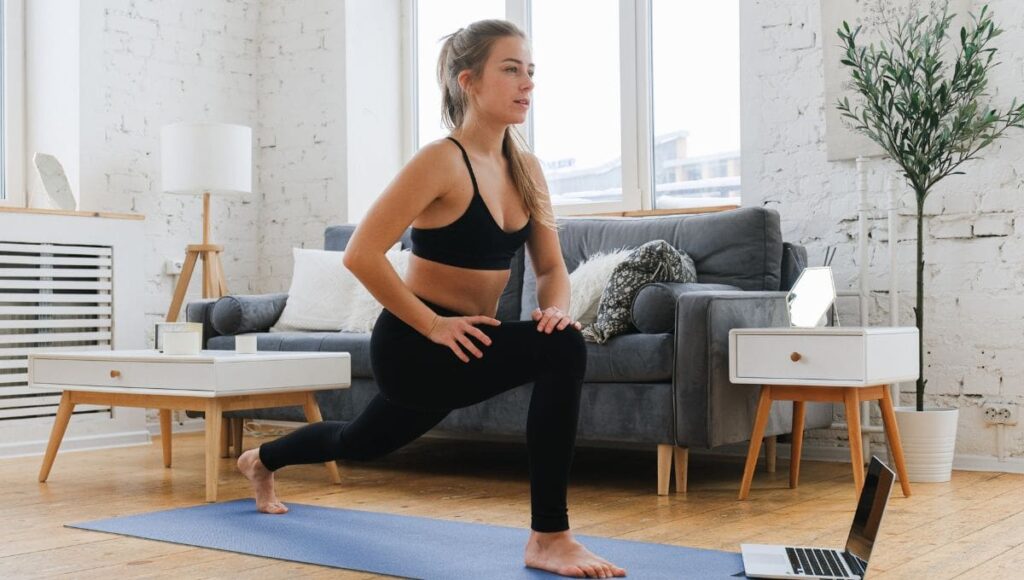
- In a split squat, you lower your body by bending your knees while keeping one foot forward and the other behind you.
- Why Split Squats Are Effective
- Engages multiple muscle groups: Your quads, hamstrings, glutes, and even your core are all activated.
- Improves balance and stability: Since you’re using one leg at a time, your stabiliser muscles are working overtime.
- Great for injury prevention: By strengthening the muscles around your knees and hips, split squats help reduce the risk of injury.
- Who Can Benefit from Split Squats?
- Beginners who want to build a strong foundation.
- Athletes looking to enhance their lower-body strength and stability.
- Anyone recovering from an injury who needs a low-impact, controlled movement.
- People looking to improve their posture and muscle imbalances.

Split squats might not be the flashiest exercise out there, but when done right, they deliver results. It’s a versatile exercise, whether you’re at the gym or stuck at home with no equipment. And seriously, your legs will thank you later!
How to Do a Split Squat: Step-by-Step Technique
Now, I know what you’re thinking – how hard can it be to squat down and stand back up? Well, while it might seem straightforward, the devil is in the details. Doing a split squat properly takes a bit of practice and attention to form. But trust me, once you nail it, you’ll be firing up those leg muscles like never before.
- Starting Position:
- Begin by standing tall with your feet hip-width apart.
- Take a big step forward with your right foot and plant it firmly on the ground.
- Your left foot should be behind you, up on your toes. You should feel stable, like you’re ready to squat down.
- The Descent:
- Slowly lower your body by bending both knees, keeping your torso upright.
- Make sure your right knee is directly above your ankle. Your left knee should hover just above the floor.
- Don’t rush! Control is key here. Think of it as a slow elevator ride down, not a race to the bottom.
- The Ascent:
- Push through your right heel to return to the starting position, keeping your core engaged.
- Your left leg should also help you rise, but avoid putting too much weight on it.
- Repetitions:
- Complete 8-12 reps on one side before switching legs.
- Aim for 3-4 sets, depending on your fitness level.
- Key Form Tips:
- Keep your chest up and gaze forward. Looking down at your feet can throw off your balance.
- Engage your core throughout to avoid wobbling.
- Maintain a neutral spine – don’t let your lower back arch.
- Ensure your front knee doesn’t extend past your toes during the squat.
It might feel a little awkward at first, especially if you’re not used to single-leg exercises. But once you’ve got the form down, you’ll be amazed at how effective split squats can be for building strength and improving mobility.
Split Squats vs Lunges: What’s the Difference?
Now, you might be wondering – aren’t split squats just another name for lunges? Well, not quite! While both exercises are brilliant for your legs and glutes, they have distinct differences that change how they work your muscles.
- Stability vs Mobility:
- In a lunge, you’re stepping forward (or backward) with each repetition, which means your body is constantly moving through space.
- In contrast, a split squat keeps your feet planted, so it’s a more controlled movement, with less room for error.
- Muscle Activation:
- Both exercises target the quads, hamstrings, and glutes, but lunges also engage more of your hip flexors due to the stepping motion.
- Split squats place a greater emphasis on stability, requiring your core and glute medius to work harder to keep you balanced.
- Impact on Joints:
- Split squats are generally considered gentler on the knees than lunges, as there’s no forward or backward movement. This makes them a great option for anyone dealing with knee pain or recovering from an injury.
So, if you’re someone who struggles with lunges, give split squats a try. They offer many of the same benefits but with a bit more control and less impact on your joints.
Common Mistakes to Avoid When Doing Split Squats
While split squats seem easy enough, there are a few common mistakes that people often make. And trust me, these little errors can make a big difference in whether or not you get the most out of your workout.

- Leaning Too Far Forward:
- This is probably the most common mistake. If you lean too far forward during the squat, you’ll put unnecessary strain on your lower back and miss out on fully engaging your legs.
- Tip: Keep your chest up and shoulders back. Imagine there’s a string pulling you straight up from the top of your head.
- Knee Caving In:
- When you lower yourself down, your front knee should track directly over your toes. If it starts caving inward, you risk injury and you’re not activating your muscles properly.
- Tip: Focus on pushing your knee slightly outwards during the movement. This engages your glutes and protects your knees.
- Not Going Low Enough:
- You’ve probably seen people barely dip down in their squats, and let me tell you – that’s not doing much! To get the full benefit of a split squat, you need to lower yourself until your back knee is almost touching the floor.
- Tip: If you’re struggling to get low enough, work on your hip and ankle mobility. Tight hips and ankles can limit your range of motion.
- Overloading Too Soon:
- It’s tempting to grab a pair of heavy dumbbells and push yourself to the limit. But form comes first! If you start adding weight before you’ve mastered the movement, you’re setting yourself up for injury.
- Tip: Start with bodyweight split squats and only add resistance once you can comfortably complete a set with perfect form.
Correcting these mistakes isn’t about perfection. It’s about staying mindful of your body and tweaking your form so that each rep counts. Remember, quality over quantity always wins the day!
Variations of Split Squats to Level Up Your Workout
Once you’ve got the basics down, why not switch things up? Split squats are a versatile exercise, and there are plenty of variations you can try to keep your workout challenging and fun.
- Bulgarian Split Squats:
- In this variation, you elevate your back foot on a bench or step. It increases the range of motion and really targets your glutes.
- This one’s tougher, so be prepared for a serious burn!
- Jump Split Squats:
- If you’re looking for a cardio boost, try jump split squats. You start in a split squat position, then explosively jump, switching legs mid-air.
- It’s a high-impact, high-intensity move that builds power and endurance.
- Dumbbell or Barbell Split Squats:
- Once you’re comfortable with bodyweight split squats, add some weights to increase resistance.
- Holding dumbbells at your sides or resting a barbell on your shoulders will make the movement more challenging and help build muscle strength.

These variations are perfect for keeping your workout fresh. Plus, they’ll work different muscles in new ways, ensuring you never hit a plateau.
Conclusion
Split squats are one of those exercises that can transform your lower body workout. They’re simple, effective, and incredibly versatile. Whether you’re a newbie or a seasoned athlete, split squats can help you build strength, stability, and balance in ways that few other exercises can.
Remember, though, that form is everything. Keep your chest up, engage your core, and take it slow. Rushing through your reps or adding too much weight too soon is a recipe for poor results – or worse, injury. So, take your time, perfect your technique, and then challenge yourself with new variations or added resistance.
Before you know it, you’ll see the difference in your legs, glutes, and even your overall posture. Split squats may not be the easiest exercise, but the payoff is worth it. Happy squatting!
Bulgarian Split Squat: How to Do It, Muscles Worked, Benefits and Workouts


