How to lose 20 pounds of fat in 2 months? If that is what you want to achieve, you will need to work hard. And, to be honest, it is quite difficult to achieve it. Let us explain better.
The information you are going to see in the paragraphs below on how to lose 20 pounds of fat in 2 months is based on a video shared by Troy Adashun. Adashun is the co-founder of the fitness lifestyle and supplement company Alpha Lion and has created a gigantic YouTube following with his gym tips and workouts.


Troy Adashun’s transformation journey is a testament to the power of determination and strategic planning in achieving one’s fitness goals. Once weighing almost 220 pounds with close to 20% body fat, Troy set out on a mission to radically change his physique. Within a mere 60 days, he astonishingly dropped to 200 pounds and reduced his body fat to just 11% while adding lean muscle mass.
His approach was multifaceted, focusing on nutrition, exercise, and lifestyle changes, all without relying heavily on cardio or performance-enhancing drugs.
[wpcode id=”229888″]However, and there is a BIG however here for you to learn before you go jumping into what he did to lose 20 pounds of fat in 2 months, Troy Adashun is an incredibly strong person. I mean, look at him in the photo below from his Instagram.
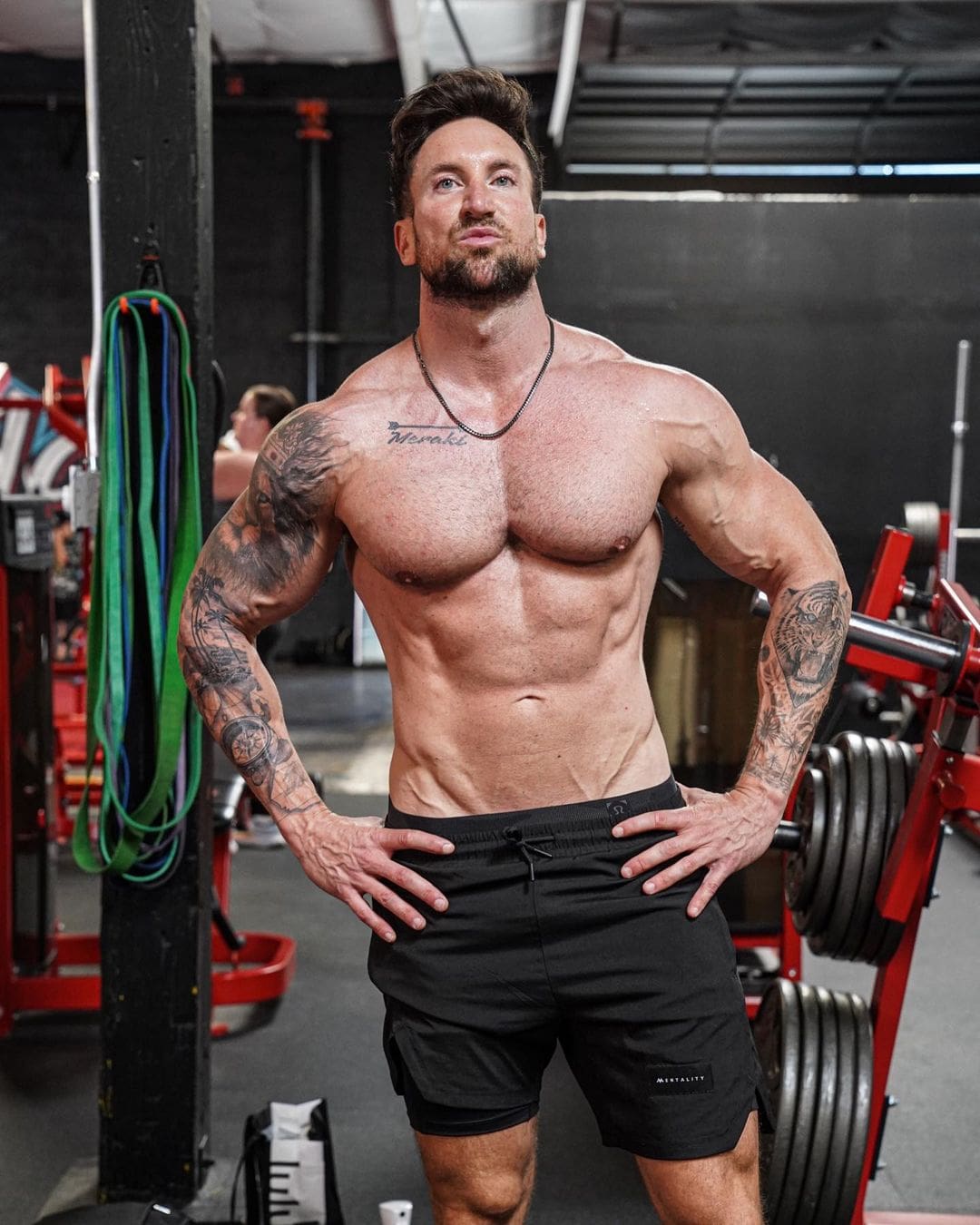
So yes, he is big, muscular, strong, shredded on a normal basis. And, as he says in his video, his dietary choices were dreadful in the previous months which got him in bad shape. He admitted being “addicted to literally the worst food imaginable… No wonder my physique was starting to resemble Homer Simpson.” This acknowledgement sparked a significant shift in his approach to diet and exercise. Committing to the “Superhuman 60” challenge, Troy embarked on a path that was as much about mental discipline as it was about physical transformation. He shared, “This means I lost nearly 20 pounds of body fat in 60 days,” highlighting the impressive results of his dedicated efforts.
And this is where you need to stop to realise one thing that Troy Adashun had to his advantage that you probably don’t. He was incredibly strong before getting fat. He had years of going to the gym prior to “getting fat,” and if there is one thing that science can back up is that Adashun likely has a higher lean muscle mass. Muscle tissue is metabolically more active than fat tissue, meaning it burns more calories at rest. This higher muscle mass could give him a metabolic advantage, potentially leading to a more efficient fat loss when he resumes his fitness and nutrition regimen. The concept of muscle memory might also work in their favour. Muscle memory refers to the physiological adaptations that occur in response to previous training, which can make regaining muscle and fitness levels easier for individuals who have been previously trained.
That does not mean you cannot lose fat by mimicking what he did. However, there is a higher chance that you won’t see the same results as Adashun, like losing 20 pounds of fat in 2 months.
With that being said, Troy’s method involved a rigorous analysis of his eating habits, a strategic exercise regimen, and a commitment to a healthier lifestyle. By adopting the his so-called Superhuman Diet, focusing on the best quality protein sources and healthiest foods while allowing occasional indulgences, he demonstrated that balance is key to sustainable weight loss. His journey underscores an essential message: transformation is achievable with the right mindset, tools, and dedication.

How To Lose 20 Pounds of Fat in 2 Months
Anyway, if you want to know how to lose 20 pounds of fat in 2 months, or at least understand how Troy Adashun managed to do just that, then read below.
Diet and Nutrition
Diet and nutrition played a pivotal role in Troy Adashun’s remarkable transformation. Recognizing the detrimental effects of his previous “dirty bulk” regimen, which included regular indulgences in sugar-laden, high-trans-fat foods like Krispy Kreme doughnuts, Troy adopted a comprehensive and strategic approach to his diet, which he refers to as the “greatest diet in the history of mankind,” the Superhuman Diet.
At the core of the Superhuman Diet is the principle of consuming nutrient-dense, high-quality foods that fuel the body efficiently while still allowing for occasional indulgences. This approach ensures that the diet is sustainable and enjoyable, preventing the monotony and restriction often associated with traditional diets. Troy highlights the simplicity and effectiveness of this diet, saying, “Basically, 90 to 95% of your food choices are going to be the healthiest foods in the world.” This strategy emphasizes the importance of balance, allowing for 5 to 10% of dietary intake to include ‘cheat meals,’ thereby accommodating real-life scenarios and cravings without derailing overall progress.
Troy meticulously tracked his caloric intake, ensuring he consumed the right amount of calories to support fat loss while preserving lean muscle mass. By keeping a detailed record of his diet, he was able to make informed adjustments as needed, demonstrating the significance of monitoring and adapting one’s dietary habits for optimal results. This methodical approach to nutrition was instrumental in helping him shed nearly 20 pounds of body fat, illustrating the critical role that diet plays in body composition and overall health.
Moreover, Troy’s diet was not just about what he ate but also about how he structured his meals throughout the day. He incorporated a mix of proteins, carbohydrates, and fats, carefully timing his nutrient intake to optimize his body’s response to food. His commitment to the Superhuman Diet, combined with his strategic approach to meal timing and composition, was a key factor in his ability to transform his physique so dramatically in just 60 days.
Exercise and Training

Troy Adashun’s exercise and training regimen was a critical component of his transformation, illustrating the necessity of a well-structured and adaptable workout plan in achieving significant body composition changes. His approach was unique in that it eschewed traditional, rigid training schedules in favour of a more intuitive, responsive method that catered to his body’s daily needs and responses.
Troy’s training philosophy centred on the concept of training with intent, which means every workout was purpose-driven and executed with maximum effort and focus. He emphasized the importance of listening to one’s body, stating, “If you feel up for it, you wake up, you feel great, you train.” This approach allowed him to maximize his performance and results by ensuring he was always training at an optimal level, rather than adhering to a predetermined schedule that might not align with his body’s readiness.
His exercise routine was not limited to traditional weightlifting or cardio; instead, Troy incorporated a variety of training styles to stimulate his body in different ways, facilitating more comprehensive development and fat loss. This included high-intensity interval training (HIIT) and plyometrics, which are known for their fat-burning and metabolism-boosting effects. Such exercises not only helped him shed body fat but also enhanced his athleticism, demonstrating the dual benefits of his versatile training approach.
In addition to the variety in his workouts, Troy was strategic about his exercise selection, focusing on movements that offered the highest return on investment in terms of muscle engagement and caloric expenditure. This efficiency in training ensured that he could achieve significant results without spending excessive hours in the gym, aligning with his philosophy of smart, effective workouts.
Initially, Troy engaged in Zone 2 cardio, which is moderate-intensity cardiovascular exercise, like brisk walking or light jogging. Later, he shifted more towards Zone 5 cardio, which is high-intensity, maximum effort training like sprinting or high-intensity cycling.
Troy also highlighted the significance of recovery and adaptation, acknowledging that rest is just as crucial as the workouts themselves. By allowing his body to recover, he was able to perform at his best during each session, reducing the risk of injury and ensuring continual progress. His method underscores the balance between exertion and recovery, an often overlooked yet essential aspect of any successful training regimen.
Lifestyle Adjustments
Troy Adashun’s transformation journey underscores the critical role of lifestyle adjustments in achieving and sustaining fitness goals. Beyond diet and exercise, he implemented significant changes to his daily routine, highlighting the interconnectedness of various lifestyle factors with physical health and well-being.

One of the key lifestyle adjustments Troy made was improving his sleep quality and duration. Acknowledging the profound impact of rest on recovery, metabolism, and hormonal balance, Troy prioritized getting adequate sleep to support his body’s healing and rebuilding processes. He understood that “Less sleep equals less fat loss,” recognizing that sleep deprivation could undermine his fitness efforts by affecting appetite regulation, energy levels, and workout performance. By ensuring he received sufficient rest, Troy facilitated his body’s fat-burning and muscle-building capabilities, illustrating the importance of sleep in any fitness regimen.
Stress management was another crucial aspect of Troy’s lifestyle overhaul. He was well aware of the negative effects of stress, particularly the release of cortisol, a hormone that can promote fat storage and muscle breakdown. To mitigate these impacts, Troy adopted stress-reduction techniques and maintained a positive mindset throughout his transformation journey. He advised, “Goddammit, stop stressing, because cortisol is a fat storage hormone,” highlighting the need to address both mental and physical stress to optimize health and fitness outcomes.
Moreover, Troy embraced a holistic view of well-being, acknowledging that mental health is as vital as physical health. He engaged in activities that brought him joy and relaxation, understanding that a happy, balanced mind contributes to a healthy, resilient body. This comprehensive approach to lifestyle management ensured that his physical transformation was supported by a foundation of overall well-being.
Troy’s commitment to these lifestyle adjustments—prioritizing sleep, managing stress, and fostering mental health—was instrumental in his successful transformation. These changes, coupled with his dietary and exercise strategies, formed a synergistic approach that propelled him towards his fitness goals. His journey highlights that true transformation extends beyond the gym and the kitchen, encompassing all facets of one’s lifestyle to create lasting change and optimal health.

Troy Adashun’s journey is a compelling example of how targeted changes in diet, exercise, and lifestyle can lead to substantial improvements in body composition and overall health. His story provides actionable insights and inspiration for others looking to undertake their own transformation journey. By adhering to a well-structured plan and maintaining a balanced approach to nutrition and exercise, Troy demonstrates that significant results are within reach, offering encouragement and guidance to anyone motivated to make a similar change.
Troy’s transformation is a reminder that achieving a healthier, more fit body is not solely about the numbers on the scale or the hours spent in the gym. It’s about making consistent, sustainable changes and staying committed to a goal, proving that with the right mindset and strategy, transforming one’s physique and health is entirely possible.
Watch Troy Adashun’s body transformation in the video below and understand how to lose 20 pounds of fat in 2 months.
Check out more content from BOXROX:
Research Explains How to Build Muscle Whilst Losing Fat
How To Create The Optimal Caloric Deficit For Fat Loss
The Best Training Technique to Build Muscle in Half the Time
12 Must-Have Exercises In Your Training Program
How to Do HIIT Cardio to Get To 10% Body Fat
The Perfect Workout for Weight Loss