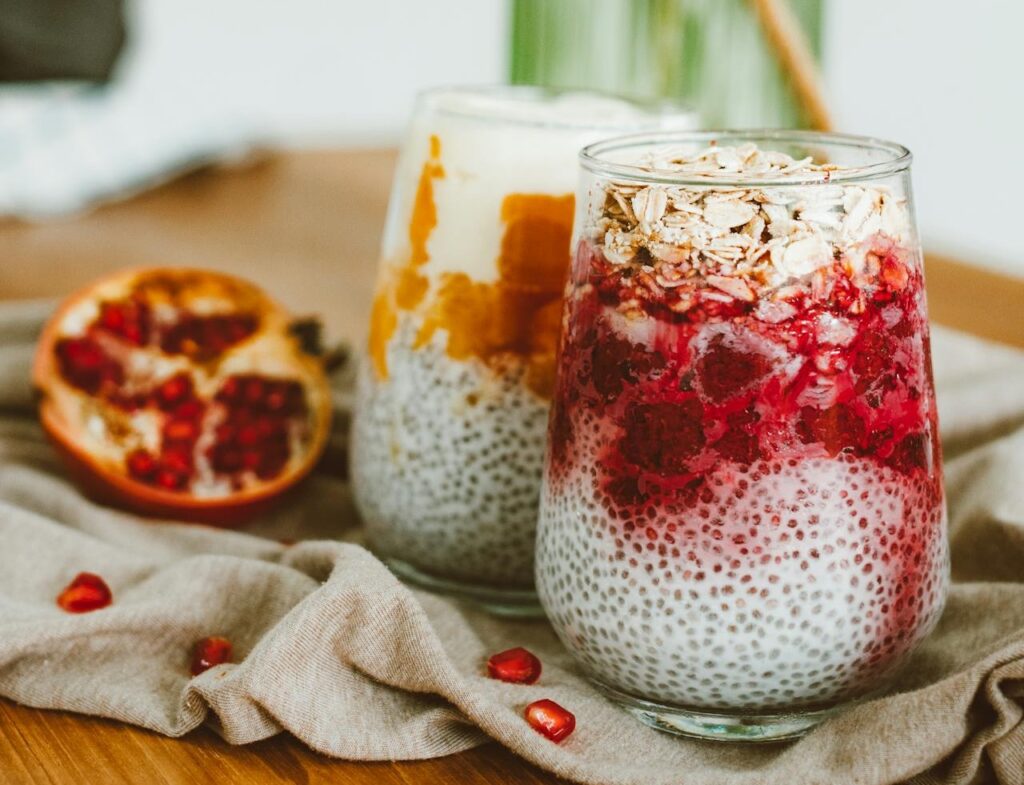
In the quest for a slimmer tummy, a balanced diet with low fat dairy alternatives plays a pivotal role, acting as the cornerstone of not just weight management, but overall health and wellbeing.
This balance involves not only the quantity of the food we consume but also the quality, ensuring a diverse intake of nutrients necessary for our bodies to function optimally.


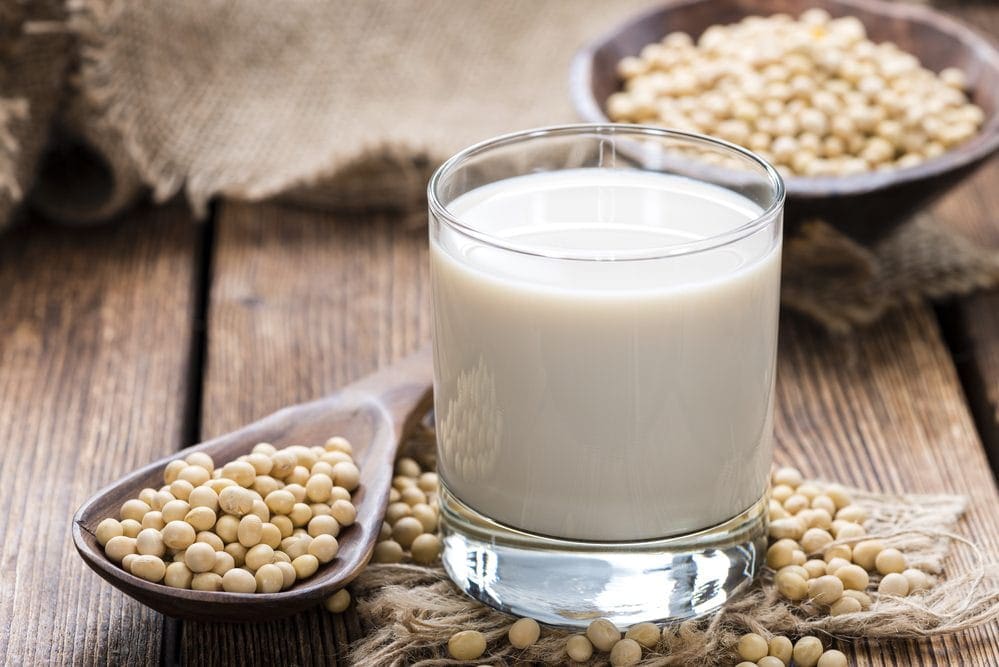
Among the myriad food groups, dairy products have traditionally occupied a significant place, lauded for their rich contributions of calcium, protein, and essential vitamins.
Yet, for individuals aiming to reduce their waistline, the fat content present in many dairy products can pose a dilemma. While these fats are not inherently negative, their excessive consumption can counteract efforts to achieve a leaner physique, particularly when not balanced with physical activity and other dietary considerations.
Acknowledging the nutritional value of dairy while addressing the concern over fats requires a nuanced approach.
Enter the realm of low-fat dairy alternatives—a burgeoning market of products designed to mimic the taste and nutritional benefits of traditional dairy, but with a significantly reduced fat content. These alternatives not only cater to those looking to slim down their midsection but also offer a solution for individuals with lactose intolerance or those following a plant-based diet, aiming to maintain a balanced nutritional intake without the added fats.
As we delve into the world of low-fat dairy alternatives, it becomes apparent that achieving a slimmer tummy does not necessitate a complete overhaul of one’s diet or the forsaking of creamy textures and delightful tastes. Instead, it invites an exploration of innovative options that align with health goals without compromising on flavour or nutritional value.
Whether it’s almond milk in your morning cereal, coconut yogurt as a snack, or soy cheese in your favourite dishes, these alternatives offer a versatile and health-conscious approach to dining. Let us embark on this journey to discover how these low-fat substitutes can seamlessly integrate into your diet, bringing you closer to achieving your desired silhouette while enriching your body with essential nutrients.
The Benefits of Low-Fat Dairy Alternatives
The shift towards low-fat dairy alternatives is not merely a trend but a conscious decision by many seeking a healthier lifestyle. These alternatives come with a plethora of health benefits that cater to a wide audience, from those aiming for weight loss to individuals with dietary restrictions such as lactose intolerance.
Lower Calorie Content
One of the most appealing aspects of low-fat dairy alternatives is their lower calorie content compared to traditional dairy products. This characteristic is particularly beneficial for individuals focusing on weight loss or weight management.
By substituting high-fat dairy products with their low-fat counterparts, one can significantly reduce daily caloric intake without compromising on the volume of food consumed. This simple swap can be a game-changer in creating the caloric deficit needed for weight loss, all while continuing to enjoy dairy-like products in meals and snacks.
Nutritional Advantages of Low Fat Dairy Alternatives
Despite their reduced fat content, low-fat dairy alternatives are often fortified with essential vitamins and minerals, making them a nutritious addition to any diet.
Many of these alternatives are rich sources of calcium and vitamin D, just like traditional dairy, ensuring that bone health is supported. Additionally, they can provide other nutrients that might be less prevalent in high-fat dairy products, such as vitamin E and iron, depending on the base ingredient (e.g., almond, soy, or oats).
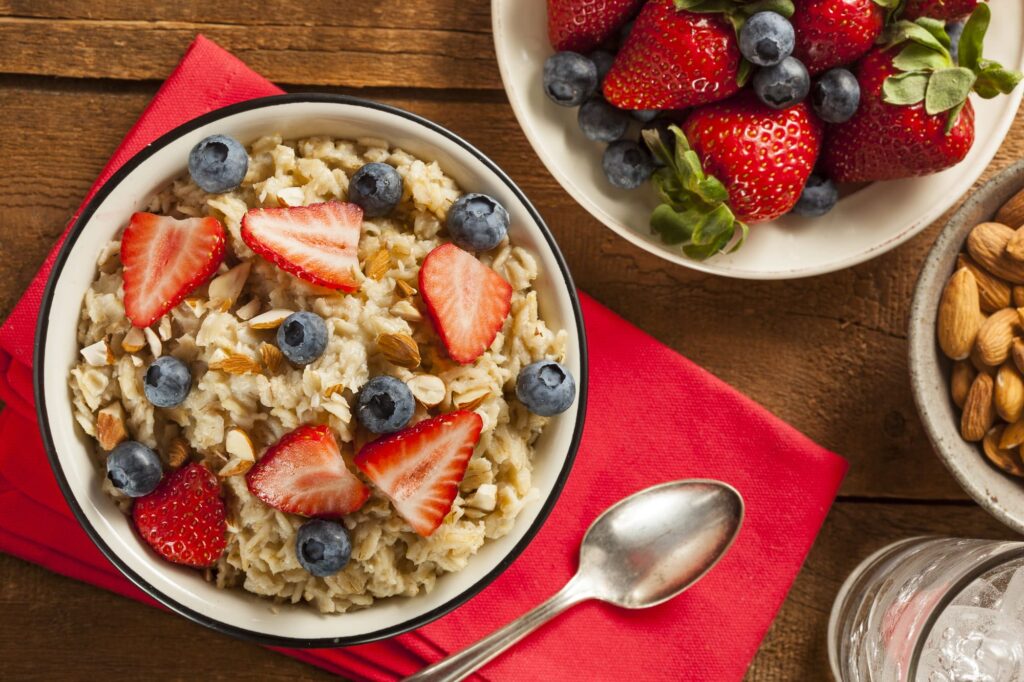
This fortification not only compensates for any potential nutritional deficiencies that might arise from excluding traditional dairy products but also adds value by diversifying one’s nutrient intake.
Improved Digestion and Reduced Bloating
For individuals with lactose intolerance, traditional dairy products can cause digestive discomfort, including bloating, gas, and diarrhoea.
Low-fat dairy alternatives offer a digestively friendly solution without the lactose, significantly reducing or even eliminating these adverse symptoms. The absence of lactose makes these alternatives more easily digestible for a wider range of people, allowing them to enjoy dairy-like products without the fear of digestive upset.
Moreover, some alternatives, such as coconut yogurt, come with the added benefit of containing probiotics, which support gut health and enhance digestion further.
Incorporating low-fat dairy alternatives into one’s diet presents a multifaceted approach to nutrition and health. Not only do they contribute to weight management goals through their lower calorie content, but they also ensure the intake of essential nutrients, catering to both general health and specific dietary needs.
Furthermore, their lactose-free nature makes them an inclusive option, ensuring that everyone can enjoy the creamy textures and rich flavours traditionally associated with dairy, but with added health benefits and without digestive discomfort.
1. Low Fat Dairy Alternatives – Almond Milk: A Nutritious Dairy Alternative
Almond milk stands out as a popular choice among low-fat dairy alternatives, acclaimed for its delicate, nutty flavour and impressive nutritional profile.

This plant-based milk is made by blending almonds with water and then straining the mixture to remove the solids. What remains is a light, refreshing beverage that can play a significant role in a health-conscious diet.
Nutritional Profile
Almond milk is inherently low in calories and fat, making it an excellent option for those looking to manage their weight or reduce their calorie intake without sacrificing satisfaction. A notable benefit of almond milk is its vitamin E content; this antioxidant is vital for skin health, offering protective benefits against sun damage and ageing.
Moreover, almond milk is often fortified with calcium and vitamin D, ensuring that it supports bone health similar to traditional dairy milk.
Incorporating Almond Milk into Your Diet
The versatility of almond milk allows for easy integration into almost any diet. Here are some suggestions on how to incorporate almond milk into your daily meals and snacks:
- Breakfast Cereals and Porridge: Substitute almond milk for cow’s milk with your morning cereal or porridge. Its nutty flavour can enhance the overall taste of your breakfast, providing a nutritious start to your day.
- Smoothies: Almond milk makes an excellent base for smoothies. Combine it with fruits, vegetables, and a source of protein for a balanced, on-the-go meal or snack.
- Coffee and Tea: Use almond milk as a lighter, dairy-free creamer in your coffee or tea. It can add a subtle nutty flavour and creamy texture without the added calories and fat of traditional creamers.
- Baking and Cooking: Almond milk can replace cow’s milk in most recipes, offering a low-fat alternative for baking and cooking. Whether you’re making pancakes, muffins, or soups, almond milk can seamlessly substitute dairy milk at a one-to-one ratio.
- Dairy-Free Desserts: Create delicious dairy-free desserts with almond milk. It’s ideal for making puddings, custards, and even ice cream, allowing those with dietary restrictions or preferences to enjoy sweet treats without compromise.
By incorporating almond milk into your diet, you not only benefit from its nutritional advantages but also enjoy its versatility across a range of dishes and beverages.
Whether you’re seeking to reduce calorie intake, increase your intake of vitamins and minerals, or simply explore dairy-free alternatives, almond milk offers a nutritious and delicious option.
2. Low Fat Dairy Alternatives – Coconut Yogurt: A Creamy, Nutritious Delight
Coconut yogurt emerges as a splendid dairy-free alternative for those seeking to enjoy the creamy texture and tanginess of traditional yogurt without the lactose or high fat content.
Made from the milk of coconuts and fermented with live bacteria, coconut yogurt not only captures the essence of what makes yogurt appealing but also brings its unique tropical flavour to the table.
Nutritional Profile
Coconut yogurt is celebrated for its dairy-free composition, making it an ideal choice for vegans, those with lactose intolerance, and individuals following dairy-free diets. It’s typically lower in fat compared to traditional dairy-based yogurts, especially if you opt for versions made from the milk of coconuts rather than coconut cream.

One of the most compelling features of coconut yogurt is its content of probiotics. These beneficial bacteria are crucial for maintaining gut health, aiding digestion, and supporting the immune system.
Suggestions for Use in Meals and Snacks
Integrating coconut yogurt into your diet can add variety and nutrition to your meals and snacks. Here are some creative ways to use coconut yogurt:
Breakfast Bowls: Start your day with a nutritious breakfast bowl by layering coconut yogurt with granola, fresh fruit, and a drizzle of honey or maple syrup. The yogurt’s creaminess complements the crunch of granola and the sweetness of the fruit, creating a balanced and satisfying meal.
Smoothies and Smoothie Bowls: Add coconut yogurt to your smoothies or smoothie bowls for a boost of creaminess and probiotics. It can help thicken your smoothies, making them more filling and satisfying.
Dips and Sauces: Coconut yogurt can serve as a base for dips and sauces. Mix it with herbs and spices to create a dip for vegetables, or stir it into curries and soups for added creaminess without the dairy.
Salad Dressings: For a healthier salad dressing option, whisk coconut yogurt with olive oil, lemon juice, and your choice of herbs. This concoction is not only nutritious but also adds a creamy texture and zesty flavour to salads.
Desserts: Coconut yogurt is a fantastic ingredient for making dairy-free desserts. Use it in parfait layers, as a topping for cakes and pies, or simply enjoy it with a sprinkle of cinnamon and nuts for a quick and healthy treat.
Coconut yogurt’s versatility makes it easy to incorporate into various meals and snacks throughout the day.
Whether you’re using it as a base for your breakfast, a component in your cooking, or as a key ingredient in your desserts, coconut yogurt offers a nutritious, dairy-free alternative that doesn’t compromise on taste or texture.
Its probiotic content further enhances its appeal, contributing to a healthy gut and overall well-being.
3. Low Fat Dairy Alternatives – Soy Cheese: A Nutritious and Versatile Dairy Alternative
Soy cheese offers a delightful alternative for those seeking to reduce or eliminate dairy from their diet without sacrificing the taste and versatility that traditional cheese offers.
Made from soybeans, a legume known for its high-quality protein, soy cheese presents a nutritional profile that is both appealing and beneficial for a variety of dietary needs.
Nutritional Benefits
One of the standout features of soy cheese is its rich protein content. Soy protein is considered a complete protein, containing all nine essential amino acids necessary for human health, making soy cheese an excellent option for vegetarians, vegans, and those looking to increase their protein intake.
Additionally, soy cheese is often fortified with calcium, ensuring that it contributes to bone health in a manner similar to dairy-based cheeses. It’s also lactose-free, making it a digestive-friendly option for individuals with lactose intolerance or those looking to reduce their lactose consumption.
Incorporating Soy Cheese into Healthy Recipes
Soy cheese can be used in a myriad of ways across various cuisines, making it a versatile addition to any meal. Here are some ideas for incorporating soy cheese into your diet:
Low Fat Dairy Alternatives – Sandwiches and Wraps: Use slices of soy cheese in your sandwiches and wraps for a dairy-free cheesy flavour. It melts well, making it perfect for toasted sandwiches and paninis.
Low Fat Dairy Alternatives – Salads: Grate or crumble soy cheese over salads to add a protein boost and a creamy texture. It pairs well with a wide range of vegetables and dressings, from simple greens to more elaborate salad recipes.
Low Fat Dairy Alternatives – Pizzas and Flatbreads: Top your homemade pizzas and flatbreads with soy cheese for a delicious, dairy-free alternative. It browns and melts, offering a similar experience to traditional mozzarella or cheddar, without the lactose.
Low Fat Dairy Alternatives – Pasta Dishes: Soy cheese can be used in pasta dishes, from creamy sauces to baked pasta casseroles. Whether you’re making a vegan mac ‘n’ cheese or sprinkling cheese over a pasta bake, soy cheese provides a comforting, creamy element.
Mexican Cuisine: Incorporate soy cheese into tacos, quesadillas, and enchiladas for a lactose-free twist on these classic dishes. Its melting qualities make it an excellent choice for any recipe requiring a gooey, cheesy component.
Low Fat Dairy Alternatives – Snacking: Enjoy soy cheese as part of your snack routine, either on crackers, with fruit, or even on its own. Its protein content makes it a satisfying, hunger-curbing option.
By integrating soy cheese into your diet, you not only benefit from its nutritional advantages, such as high protein and calcium content, but also enjoy the culinary versatility it offers.
Soy cheese is a testament to the fact that adopting a dairy-free diet does not mean having to give up the pleasures of cheese, allowing for a seamless transition to healthier eating habits without compromise on taste or variety.
4. Low Fat Dairy Alternatives – Oat Milk
Oat milk has rapidly gained popularity as a creamy, dairy-free alternative to traditional milk, cherished not only for its delightful taste and texture but also for its health benefits, particularly concerning heart health.
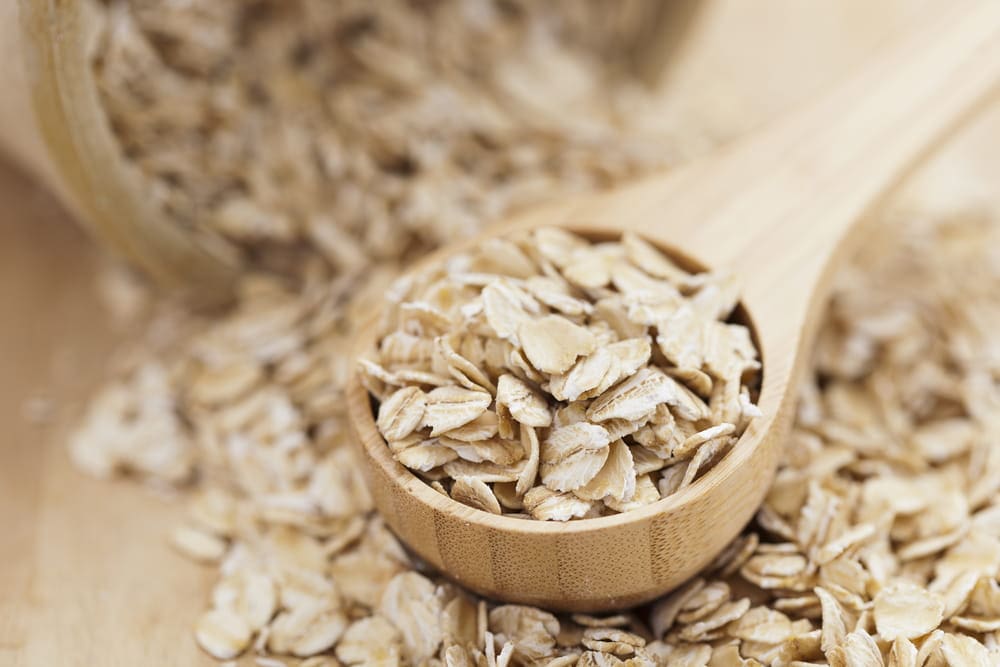
Made from oats and water, this alternative milk captures the essence of its primary ingredient’s nutritional benefits in a versatile and accessible form.
Benefits for Heart Health and Low-Fat Content
Oat milk is naturally low in fat, making it an excellent choice for those monitoring their fat intake for weight management or health reasons.
Additionally, oats are renowned for their heart-healthy properties, primarily due to the presence of beta-glucan, a type of soluble fibre. Beta-glucan has been shown to reduce cholesterol levels, particularly LDL (low-density lipoprotein) cholesterol, which, when elevated, is a risk factor for heart disease.
Regular consumption of oat milk can contribute to a balanced diet that supports heart health, offering a delicious way to enjoy the benefits of oats daily.
Moreover, oat milk is often enriched with vitamins and minerals, such as calcium, vitamin D, and B vitamins, enhancing its nutritional profile and making it a wholesome addition to any diet.
Tips for Using Oat Milk in Various Dishes and Drinks
The mild, slightly sweet flavour of oat milk makes it incredibly versatile in the kitchen, suitable for both sweet and savoury applications. Here are some tips for incorporating oat milk into your diet:
Breakfast Cereals and Oatmeal: Pour oat milk over your morning cereal or use it to cook oatmeal for a creamy texture and a boost of whole-grain goodness.
Smoothies: Add oat milk to your smoothies for a creamy base that complements a wide variety of fruits and vegetables. Its neutral flavour makes it a versatile choice for any smoothie recipe.
Coffee and Tea: Use oat milk as a creamer in coffee and tea. Its creamy consistency froths well, making it an excellent choice for lattes and cappuccinos.

Baking: Substitute oat milk for cow’s milk in baking recipes. Its sweetness can enhance cakes, muffins, and bread, providing moisture and a tender crumb.
Cooking: Incorporate oat milk into soups, sauces, and curries to add creaminess without the fat content of cream. It can be a useful ingredient in vegan cooking, offering a dairy-free way to achieve rich, satisfying textures.
Desserts: Create dairy-free desserts with oat milk. From puddings and custards to ice cream, oat milk provides a base that’s both flavourful and heart-healthy.
Embracing oat milk as part of your dietary choices is not only a step towards a more plant-based diet but also an opportunity to enhance your meals and snacks with a product that’s good for your heart.
Its low-fat content, combined with the significant benefits it offers for heart health, makes oat milk an appealing alternative for anyone looking to maintain a balanced, nutritious diet while enjoying the creamy textures and rich flavours that dairy products traditionally provide.
5. Low Fat Dairy Alternatives – Cashew Nut Butter
Cashew nut butter, with its creamy texture and rich flavour, is more than just a delightful spread; it’s a powerhouse of nutrition.
Made from ground cashews, this butter is a source of healthy fats, protein, and a variety of essential minerals, making it a valuable addition to any diet focused on health and wellness.
Healthy Fats and Protein Content
Cashew nut butter is packed with unsaturated fats, particularly monounsaturated fats, known for their benefits in promoting heart health and reducing the risk of cardiovascular disease. These healthy fats also play a crucial role in absorbing fat-soluble vitamins, making cashew nut butter not only tasty but also beneficial for overall health.

Additionally, cashews provide a good amount of protein, an essential nutrient for muscle repair and growth, as well as for maintaining a healthy immune system. Incorporating cashew nut butter into your diet can thus be a satisfying way to increase your intake of both protein and healthy fats, supporting your body’s needs in a delicious manner.
Creative Ways to Use Cashew Nut Butter in Daily Eating Habits
Cashew nut butter’s versatility makes it easy to incorporate into meals and snacks throughout the day. Here are some creative ideas for adding this nutritious spread to your diet:
Smoothies: Add a tablespoon of cashew nut butter to your morning smoothie for a boost of protein and healthy fats, creating a more satiating and energy-packed drink.
Breakfast Bowls: Swirl cashew nut butter into oatmeal or yoghurt bowls, along with fruits and seeds, for a balanced and nutrient-rich breakfast.
Dressings and Sauces: Whisk cashew nut butter into dressings and sauces for salads, bowls, or stir-fries, adding a creamy texture and a dose of healthy fats.
Snacking: Spread cashew nut butter on apple slices, celery, or whole-grain crackers for a satisfying snack that balances sweetness with richness.
Baking: Use cashew nut butter in baking recipes to add moisture and richness to cakes, muffins, and cookies. It can also be a key ingredient in making vegan or dairy-free desserts.
Energy Bars and Balls: Combine cashew nut butter with oats, seeds, and dried fruits to make homemade energy bars or balls, perfect for a pre-workout boost or an on-the-go snack.
Sandwiches: Elevate your sandwiches by spreading cashew nut butter on whole-grain bread and pairing it with fresh fruits like bananas or berries for a nutritious lunch option.
By incorporating cashew nut butter into your diet, you not only enjoy its creamy, satisfying taste but also gain the nutritional benefits of its healthy fats and protein content. Its versatility in both sweet and savoury dishes makes it an invaluable addition to a balanced diet, offering a delicious way to support your health and wellness goals.
Making the Switch to Low Fat Dairy Alternatives
Adopting low-fat dairy alternatives can be a refreshing change for those looking to enhance their dietary habits towards a healthier lifestyle. However, making the switch should be approached with both curiosity and caution, ensuring a smooth transition that aligns with nutritional needs and personal preferences.
Here’s some practical advice on how to gradually introduce low-fat dairy alternatives into your diet, select the healthiest options, and encourage experimentation.
Gradual Introduction to Low Fat Dairy Alternatives
The key to successfully incorporating low-fat dairy alternatives into your diet is to start slowly. If you’re used to consuming full-fat dairy products, suddenly switching to low-fat alternatives can be a significant change, not just in terms of taste but also in how your body adapts to these new foods.
Start with One Meal: Begin by substituting a low-fat dairy alternative in one meal a day. For instance, use almond milk in your morning cereal instead of cow’s milk.
Mix and Match: Initially, you might mix dairy and dairy alternatives, gradually increasing the proportion of the latter. Mixing allows your palate to adjust to the new flavours without a drastic change.
Substitute in Recipes: Use dairy alternatives in your cooking and baking. This can be a seamless way to introduce them into your diet without the change being overly noticeable.
Reading Labels for Healthier Options
Not all dairy alternatives are created equal, and some can contain added sugars, preservatives, and artificial ingredients that detract from their health benefits.
Check for Added Sugars: Many dairy alternatives, especially flavoured ones, can contain high levels of added sugars. Opt for unsweetened versions to avoid unnecessary sugar intake.
Look for Fortified Options: Some dairy alternatives are fortified with calcium, vitamin D, and other nutrients to match the nutritional profile of dairy milk more closely. Choosing fortified versions can help ensure you’re not missing out on essential nutrients.
Understand Ingredients: Be mindful of the ingredient list. The shorter the list, generally, the better. Natural ingredients and minimal processing are indicators of a healthier choice.
Experimentation with Low Fat Dairy Alternatives
Finding the low-fat dairy alternative that best suits your taste and nutritional needs may require some experimentation. Each alternative offers a unique flavour and texture profile, which can greatly vary between brands.
- Try Different Brands: Don’t be discouraged if the first product you try doesn’t meet your expectations. Another brand might offer a taste or texture that you prefer.
- Explore Various Alternatives: With a plethora of dairy alternatives available, from oat and almond milk to soy and cashew cheese, experiment with different options to discover which ones you enjoy most in various applications.
- Get Creative in the Kitchen: Use these alternatives in your recipes to explore how they perform in cooking and baking. You might find that some alternatives work better in certain dishes than others.
Making the switch to low-fat dairy alternatives can be an enriching journey towards a healthier diet. By gradually introducing these alternatives, paying close attention to product labels, and embracing experimentation, you can discover a delightful array of options that suit your dietary preferences and contribute to your overall well-being.
Embrace the process with an open mind, and you may find yourself enjoying new flavours and textures that enrich your meals in surprising ways.
Conclusion: Embracing Low-Fat Dairy Alternatives for a Healthier Lifestyle
The journey towards a healthier, slimmer tummy is multifaceted, encompassing not just what we eat but how we live.
Switching to low-fat dairy alternatives represents a significant step in this direction, offering a plethora of health benefits that can contribute to weight management and overall well-being. These alternatives, rich in essential nutrients yet lower in calories and fat compared to their traditional dairy counterparts, provide a valuable option for those looking to refine their diet without sacrificing taste or nutritional value.

The potential health benefits of embracing low-fat dairy alternatives are extensive. From supporting heart health with lower saturated fat content to reducing the risk of digestive discomfort for those with lactose intolerance, the advantages extend far beyond mere calorie counting. Moreover, the inclusion of these alternatives can enhance dietary variety, introducing a range of vitamins and minerals essential for a balanced diet.
Achieving a slimmer tummy, however, is not solely the result of dietary changes. It is the product of comprehensive lifestyle adjustments that include regular physical activity, balanced nutrition, and mindful eating habits. Integrating low-fat dairy alternatives into your diet is a positive step, but it is most effective when part of a broader approach to health and fitness.
As you explore the array of low-fat dairy alternatives available, from almond milk and coconut yogurt to soy cheese and beyond, you open the door to new culinary experiences and nutritional benefits. Each option offers a unique flavour and set of advantages, allowing you to tailor your diet to your specific health goals and taste preferences.
We encourage you to view the switch to low-fat dairy alternatives not as a restriction but as an opportunity to diversify your diet and discover new favourites. Experiment with different products and recipes, and observe how these changes contribute to your overall health and towards achieving a slimmer tummy.
Remember, the path to a healthier you is a journey of small, sustainable changes that together can lead to significant improvements in your well-being.
Let the exploration of low-fat dairy alternatives be a joyful experiment in your broader quest for a balanced, health-conscious diet. Embrace the variety, enjoy the process, and celebrate each step towards a healthier, more vibrant you.
Low Fat Dairy Alternatives – Learn More
Unbelievably Effective Science-Backed Arm Exercises You’ve Never Seen Before
The Diet that Will Transform Your Body in 100 Days
What Happens to Your Body When You Try the Anti-Ageing Diet for 90 Days?