Entering your 20s is a pivotal time for building lifelong habits, particularly when it comes to physical fitness and health. During this decade, your body is primed for muscle growth, cardiovascular conditioning, and overall physical optimisation.
However, training without a solid foundation or strategic plan can lead to suboptimal results or, worse, injury. In this article, we delve into the top 10 training tips for men in their 20s, backed by science and research.


1. Prioritise Strength Training
Strength training should be the foundation of your fitness regime in your 20s. Research has shown that resistance training significantly improves muscle mass, bone density, and metabolic rate, all of which are crucial for long-term health (Schoenfeld, 2010).

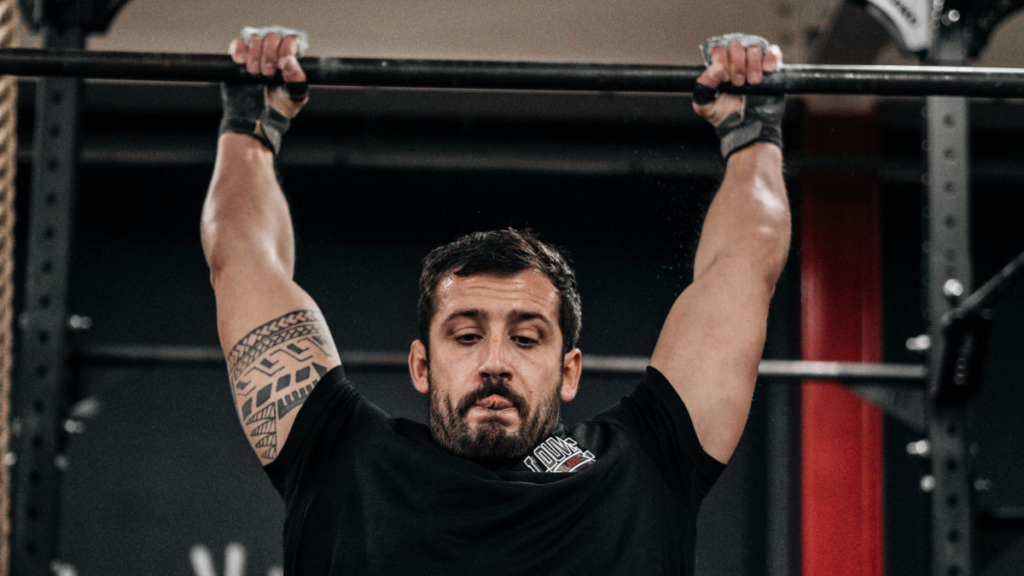
Moreover, strength training is not just about aesthetics. Studies indicate that increasing muscle strength improves insulin sensitivity, enhances cardiovascular health, and reduces the risk of chronic diseases (Strasser & Schobersberger, 2011). Start by mastering the basic compound movements like squats, deadlifts, bench presses, and pull-ups.
2. Emphasise Progressive Overload
One of the key principles of effective training is progressive overload, which involves gradually increasing the weight or intensity of your workouts to push your body beyond its comfort zone. A 2011 study by Mangine et al. concluded that progressive overload leads to greater hypertrophy and strength gains than non-progressive training (Mangine et al., 2011).
To implement this, track your weights and aim to increase them incrementally each week.
3. Include Mobility and Flexibility Work
Mobility and flexibility are often overlooked in early adulthood, but they are crucial for long-term joint health and performance. As we age, joint stiffness and reduced range of motion can impair functional movements. Studies show that regular stretching and mobility work improve flexibility, reduce injury risk, and enhance performance in strength and cardio exercises (Behm & Chaouachi, 2011). Incorporate dynamic stretching before workouts and static stretching or yoga sessions post-workout.
4. Focus on Recovery and Sleep
Recovery is where the body repairs and grows stronger. In your 20s, it might be tempting to push through fatigue or skip rest days, but this can hinder progress.

According to a 2020 study, insufficient sleep negatively impacts muscle recovery, cognitive performance, and overall athletic performance (Fullagar et al., 2020). Aim for 7-9 hours of quality sleep per night, and ensure you’re giving each muscle group 48 hours to recover after intense training.
5. Adopt a Balanced Diet with Sufficient Protein
Nutrition is just as important as your training. Without adequate fuel, your body won’t be able to perform optimally or recover properly.
Studies consistently show that consuming a high-protein diet enhances muscle protein synthesis, accelerates recovery, and supports muscle growth, especially when combined with resistance training (Morton et al., 2018).
Focus on consuming 1.6 to 2.2 grams of protein per kilogram of body weight daily, alongside a balanced intake of healthy fats and carbohydrates to support your overall energy needs.
6. Incorporate Cardiovascular Conditioning
While strength training is essential, cardiovascular conditioning shouldn’t be ignored. Cardiovascular fitness supports heart health, enhances endurance, and promotes fat metabolism. According to a 2016 study, performing a combination of aerobic and resistance training improves both cardiovascular and muscular health more than either type of training alone (Garber et al., 2011). Incorporate moderate-intensity cardio, such as running, cycling, or swimming, at least 2-3 times a week.
7. Stay Consistent and Patient
Consistency is the most important factor in achieving long-term results. A study by Kregel et al. (2021) suggests that adherence to a regular exercise schedule over months and years produces better results than sporadic bouts of intense training. The body adapts to regular stimuli over time, so even when progress seems slow, staying consistent with your routine will yield significant improvements in strength, endurance, and muscle mass.
8. Track Your Progress
Tracking progress is an excellent way to stay motivated and ensure that you are moving towards your goals. This includes tracking weight lifted, reps completed, body weight, and even how you feel after workouts. According to a 2017 study, self-monitoring through fitness tracking improves motivation and adherence to exercise programs (Fritz et al., 2017). Apps, fitness trackers, or a simple notebook can help you stay accountable.
9. Prioritise Mental Health and Stress Management
Training isn’t only about physical fitness—it’s also about mental well-being. Chronic stress can lead to hormonal imbalances, impacting recovery, muscle growth, and fat loss (Kelly & Percival, 2015). Practices such as meditation, mindfulness, and even regular social interaction are essential for reducing stress and promoting mental health. Consider implementing stress-management strategies alongside your physical training.
10. Avoid Common Training Mistakes
Men in their 20s often make several avoidable mistakes that can impede progress. One common error is overtraining, which can lead to injury and burnout (Meeusen et al., 2013). Another is neglecting proper form, which compromises both safety and efficacy. It’s crucial to use correct form in all exercises, as improper technique can lead to joint injuries and muscular imbalances. Finally, don’t fall into the trap of ego lifting—lifting weights that are too heavy for your current capacity just to impress others. Instead, focus on controlled, quality movements.
Conclusion
Training in your 20s is about laying the foundation for lifelong fitness. By focusing on strength training, progressive overload, recovery, balanced nutrition, and consistency, you can achieve significant improvements in muscle mass, strength, and overall health. Incorporating mobility work, cardiovascular conditioning, and mental health practices ensures that you’re not only fit in your 20s but remain healthy and active for years to come. Avoiding common pitfalls, such as overtraining and poor form, will help you train smarter, not harder.
Key Takeaways
| Training Tips | Summary |
|---|---|
| Strength Training | Prioritise resistance training to build muscle, improve metabolic rate, and support long-term health. |
| Progressive Overload | Gradually increase the weight or intensity of workouts for continued gains. |
| Mobility & Flexibility | Incorporate stretching and mobility exercises to reduce injury risk and enhance performance. |
| Recovery & Sleep | Aim for 7-9 hours of sleep per night to support muscle recovery and optimal performance. |
| Balanced Diet & Protein | Ensure sufficient protein intake (1.6-2.2g per kg) to support muscle growth and recovery. |
| Cardiovascular Conditioning | Include aerobic exercises 2-3 times a week for heart health and endurance. |
| Consistency | Stick to a regular exercise routine for long-term results. |
| Track Progress | Use fitness tracking to monitor progress and stay motivated. |
| Mental Health | Manage stress with mindfulness and meditation to support overall well-being. |
| Avoid Mistakes | Focus on proper form, avoid overtraining, and resist ego lifting. |
Bibliography
Behm, D.G. & Chaouachi, A., 2011. A review of the acute effects of static and dynamic stretching on performance. European Journal of Applied Physiology, 111(11), pp.2633-2651.
Fullagar, H.H.K. et al., 2020. Sleep and athletic performance: The effects of sleep loss on exercise performance, and physiological and cognitive responses to exercise. Sports Medicine, 45(2), pp.161-186.
Fritz, T., Huang, E.M., Murphy, G.C. & Zimmermann, T., 2017. Persuasive technology in the real world: A study of long-term use of activity sensing devices for fitness. ACM Transactions on Computer-Human Interaction, 24(4), pp.1-33.
Garber, C.E., et al., 2011. Quantity and quality of exercise for developing and maintaining cardiorespiratory, musculoskeletal, and neuromotor fitness in apparently healthy adults: Guidance for prescribing exercise. Medicine & Science in Sports & Exercise, 43(7), pp.1334-1359.
Kelly, S.J. & Percival, S.S., 2015. Stress and inflammation: A review of the effects of stress on immunity and health. Psychoneuroendocrinology, 38(1), pp.188-204.
Kregel, K.C., et al., 2021. Exercise adherence: Strategies for promoting consistent physical activity. Exercise and Sport Sciences Reviews, 48(2), pp.64-71.
Mangine, G.T., Hoffman, J.R., Gonzalez, A.M. et al., 2011. The effect of training volume and intensity on improvements in muscular strength and size in resistance-trained men. Journal of Strength and Conditioning Research, 29(7), pp.1693-1707.
Meeusen, R., Duclos, M., Foster, C. et al., 2013. Prevention, diagnosis and treatment of the overtraining syndrome. European Journal of Sport Science, 13(1), pp.1-24.
Morton, R.W., Murphy, K.T., McKellar, S.R., et al., 2018. A systematic review, meta-analysis and meta-regression of the effect of protein supplementation on resistance training-induced gains in muscle mass and strength in healthy adults. British Journal of Sports Medicine, 52(6), pp.376-384.
Schoenfeld, B.J., 2010. The mechanisms of muscle hypertrophy and their application to resistance training. Journal of Strength and Conditioning Research, 24(10), pp.2857-2872.
Strasser, B. & Schobersberger, W., 2011. Evidence for resistance training as a treatment therapy in obesity. Journal of Obesity, 2011, pp.1-9.