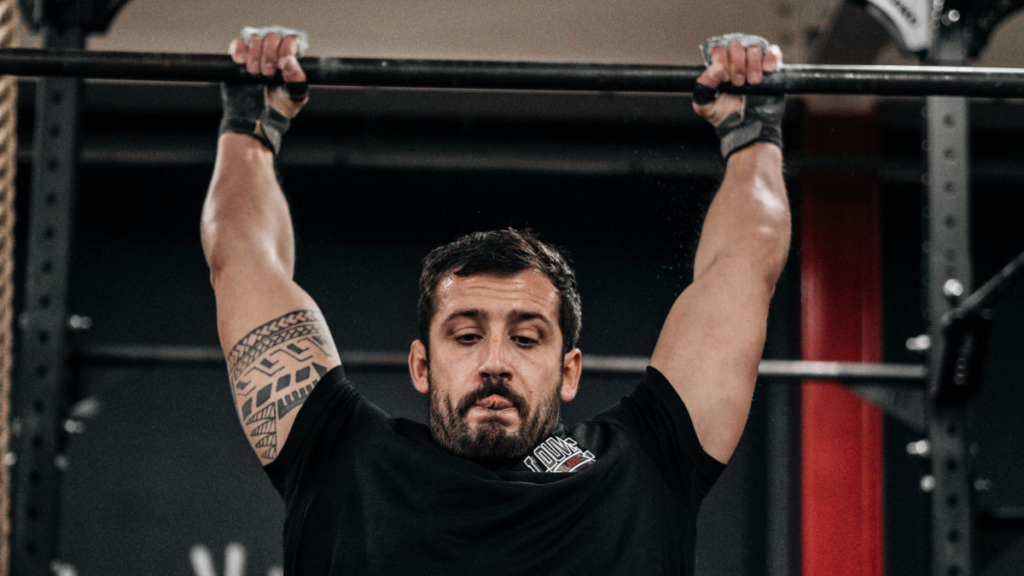
As we move into our 40s and beyond, our bodies begin to change. We lose muscle mass, flexibility decreases, and metabolism slows down. But here’s the good news—these changes don’t mean you have to give up on staying fit and feeling young. In fact, with the right daily exercises, it’s entirely possible to remain healthy, strong, and full of energy well into your later years.
Exercise in your 40s isn’t about lifting heavy weights or running marathons (unless you want to). It’s about moving your body in ways that support overall health, improve mobility, strengthen muscles, and protect joints. Daily routines can help counteract the natural effects of ageing and give you the energy to continue doing what you love.


This guide will introduce the best daily exercises for people over 40 that focus on strength, flexibility, and balance—key areas to maintain as you age. Whether you’re just starting out or are already active, these exercises will help you feel fit and youthful every day.
Read Also: How To Find Out Your Biological Age and Age Slower
Table of Contents
The Importance of Daily Exercise After 40
- Combat age-related muscle loss: After the age of 30, muscle mass naturally starts to decline, a process known as sarcopenia.
- Maintain bone density: Exercise is crucial for reducing the risk of osteoporosis, especially for women after menopause.
- Improve cardiovascular health: Regular aerobic activity strengthens the heart and reduces the risk of heart disease.
- Support mental health: Physical activity helps manage stress, anxiety, and can boost mood.
- Enhance flexibility and mobility: Flexibility exercises can prevent stiffness, making everyday movements easier.
- Improve balance and coordination: Maintaining balance reduces the risk of falls, which can become more common as you age.
Best Types of Daily Exercises for People Over 40
1. Strength Training to Preserve Muscle Mass
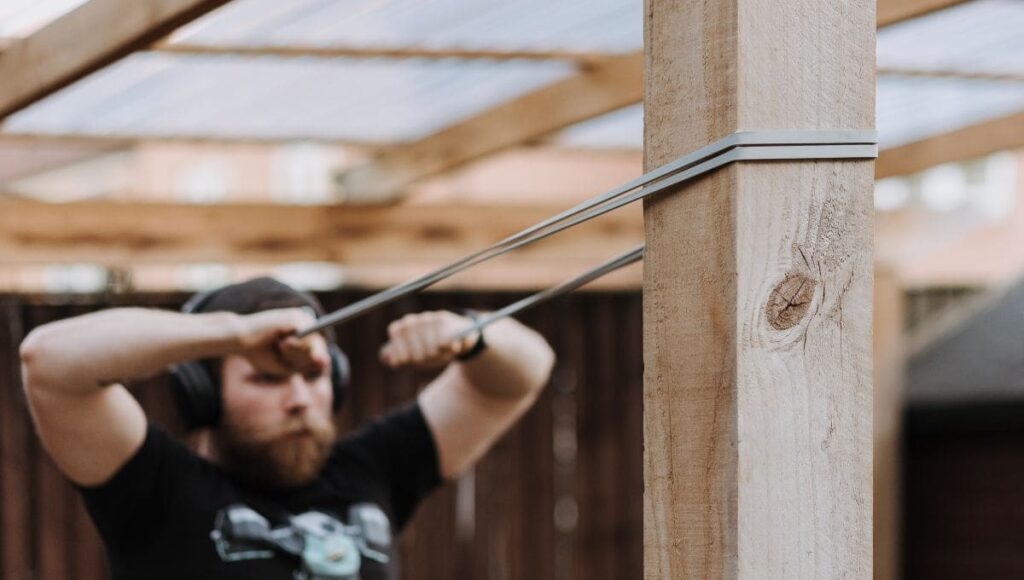
Strength training is one of the most important exercises for people over 40. As you age, maintaining muscle mass becomes increasingly challenging, but it’s essential for both daily function and metabolic health. Weight training, bodyweight exercises, and resistance bands can all help preserve and build muscle.
Why it matters:
- Preserving muscle helps maintain a healthy metabolism, supports joint health, and protects against injury.
Exercises to try:
- Squats: This is a fundamental movement that strengthens the legs, hips, and core.
- Push-ups: Builds upper body and core strength, with modifications available if needed.
- Deadlifts: This exercise targets the entire body, focusing on the posterior chain and core.
- Dumbbell Rows: Improves posture by strengthening the back, biceps, and shoulders.
- Planks: Engages the core, shoulders, and glutes, improving stability.
Start with two to three strength training sessions per week, focusing on major muscle groups.
5 Full Body Exercises for Women Over 40 to Feel Younger
2. Cardiovascular Exercises to Boost Heart Health
Cardio is crucial for maintaining a strong heart, especially as you age. While intense cardio workouts may seem daunting, moderate-intensity activities can still deliver significant benefits. Think of exercises that get your heart rate up without putting too much stress on your joints.
Why it matters:
- Cardiovascular exercise reduces the risk of heart disease, stroke, and high blood pressure.
Exercises to try:
- Brisk walking: Easy on the joints but effective at getting your heart rate up.
- Cycling: Provides a low-impact option that improves cardiovascular endurance.
- Swimming: A full-body workout that’s gentle on the joints but great for heart health.
- Dancing: A fun and effective way to get your heart pumping and improve coordination.
- Elliptical machine: This is a good alternative for those with joint concerns.

Aim for at least 30 minutes of moderate-intensity cardio exercise five times a week.
3. Flexibility Training to Enhance Mobility and Reduce Stiffness
Flexibility is something that tends to decrease with age, but incorporating stretching and mobility exercises can help you stay limber. This is essential for preventing injuries and keeping your joints healthy.
Why it matters:
- Flexibility helps maintain mobility, making daily activities easier and reducing the risk of injury.
Exercises to try:
- Yoga: This is excellent for improving flexibility, balance, and core strength.
- Dynamic stretches: Movements like leg swings and arm circles help improve range of motion.
- Static stretches: Holding stretches like hamstring or quad stretches improves flexibility in the muscles.
- Foam rolling: This is great for reducing muscle tension and improving mobility.
- Cat-Cow stretch: Gentle on the spine, this stretch increases flexibility in the back and neck.
Dedicate 10-15 minutes daily to stretching or practicing yoga.
Short-Term Vegan Diet Could Help Slow Biological Aging, Study Finds
4. Balance Exercises to Prevent Falls and Injuries
Balance tends to decline with age, and this can increase the risk of falls and injuries. Focusing on balance exercises will help you maintain stability and coordination, reducing the risk of accidents.
Why it matters:
- Strong balance improves coordination and reduces the risk of falls, which are more common after 40.
Exercises to try:
- Single-leg stand: Stand on one leg for 30 seconds to improve balance and core strength.
- Heel-to-toe walking: Walk in a straight line, placing one foot directly in front of the other.
- Tai Chi: This ancient practice is known for improving balance, flexibility, and mental focus.
- Tree Pose (Yoga): Balance on one leg, with the other foot placed on the inner thigh of the standing leg.
Aim for 10 minutes of balance training three times a week.
5. Core Exercises for Stability and Back Health
A strong core is crucial as you age, as it supports the spine, improves posture, and helps with daily movements. Many people over 40 experience lower back pain, and a weak core can often be the culprit. Strengthening these muscles helps alleviate back pain and improve stability.
Why it matters:
- A strong core supports posture, reduces back pain, and improves overall body strength.
Exercises to try:
- Plank: Strengthens the core, shoulders, and glutes.
- Bird-dog: Engages both the core and lower back muscles.
- Russian twists: Improves rotational core strength.
- Glute bridge: Strengthens the lower back and glutes while engaging the core.
- Mountain climbers: A dynamic core exercise that also gets the heart rate up.
Include 10-15 minutes of core-focused exercises in your routine three times a week.
6. Low-Impact HIIT for an Efficient Full-Body Workout
High-Intensity Interval Training (HIIT) has become popular due to its time efficiency and effectiveness in burning calories and building muscle. For those over 40, low-impact HIIT workouts provide the benefits of intense exercise without putting too much strain on the joints. These workouts alternate between short bursts of intense activity and periods of rest or low-intensity movement.
Why it matters:
- HIIT is excellent for burning fat, improving cardiovascular health, and maintaining muscle, all within a shorter time frame.
Exercises to try:
- Bodyweight squats followed by a rest period.
- Marching in place or high knees for a lower-impact cardio option.
- Step-ups onto a sturdy platform, alternating legs for a simple yet effective movement.
- Modified burpees without the jumping phase, focusing on movement quality and core stability.
- Shadow boxing: Low-impact but raises the heart rate quickly.
Limit these sessions to 20-30 minutes, two to three times a week for maximum effect.
7. Walking: The Most Underrated Daily Exercise

Walking might seem too simple to make a difference, but it’s one of the best daily exercises for people over 40. It’s low-impact, accessible to everyone, and requires no equipment.
Why it matters:
- Walking improves cardiovascular health, boosts mood, and helps maintain healthy weight.
Exercises to try:
- Brisk walking: Aim for a pace that raises your heart rate slightly.
- Walking uphill: Increases intensity and strengthens the lower body.
- Nordic walking: Incorporates the use of poles to engage the upper body.
Try to walk for at least 30 minutes daily to reap the full benefits.
Tips for Starting and Maintaining a Daily Exercise Routine After 40
- Listen to your body: Don’t push through pain. Modify exercises as needed.
- Focus on consistency: It’s better to do a small amount of exercise each day than to go too hard once a week.
- Include variety: Mix up your routine with strength, cardio, balance, and flexibility exercises to prevent burnout and keep your body challenged.
- Warm-up and cool-down: Always start with a gentle warm-up and finish with stretches to avoid injury.
- Stay hydrated: Drink plenty of water, especially as you may not feel as thirsty as you used to.
- Set realistic goals: Progress gradually, focusing on form and consistency rather than speed or intensity.
Conclusion
Staying fit and feeling youthful after 40 doesn’t have to be complicated. With the right mix of daily exercises, you can maintain your strength, flexibility, and balance, keeping your body resilient against the natural effects of ageing. Whether you’re strength training, walking, practising yoga, or engaging in low-impact HIIT, every movement counts towards a healthier, more vibrant you.
The key is consistency, variety, and listening to your body. By incorporating these exercises into your daily routine, you’ll continue to feel energetic and strong well into your later years.
Key Takeaways
| Exercise Type | Key Benefits | Frequency |
|---|---|---|
| Strength Training | Preserves muscle mass, improves metabolism, and supports joint health | 2-3 times per week |
| Cardiovascular Exercise | Improves heart health, reduces risk of heart disease | 5 times per week (30 minutes) |
| Flexibility Training | Enhances mobility, reduces stiffness, and prevents injuries | Daily (10-15 minutes) |
| Balance Exercises | Reduces the risk of falls, improves coordination and stability | 3 times per week |
| Core Exercises | Strengthens the core, reduces back pain, and improves posture | 3 times per week (10-15 minutes) |
| Low-Impact HIIT | Burns fat, improves cardiovascular fitness and muscle tone | 2-3 times per week (20-30 minutes) |
| Walking | Boosts cardiovascular health, supports mental health, and improves mobility | Daily (30 minutes) |
Bibliography
- Cruz-Jentoft, A.J., Baeyens, J.P., Bauer, J.M., et al. (2010). Sarcopenia: European consensus on definition and diagnosis. Age and Ageing, 39(4), pp.412-423.
- Sherrington, C., Tiedemann, A., Fairhall, N., et al. (2011). Exercise to prevent falls in older adults: An updated meta-analysis and best practice recommendations. Journal of the American Geriatrics Society, 59(1), pp.148-157.
- Garber, C.E., Blissmer, B., Deschenes, M.R., et al. (2011). American College of Sports Medicine position stand. Quantity and quality of exercise for developing and maintaining cardiorespiratory, musculoskeletal, and neuromotor fitness in apparently healthy adults: guidance for prescribing exercise. Medicine & Science in Sports & Exercise, 43(7), pp.1334-1359.
- NIH Osteoporosis and Related Bone Diseases National Resource Center. (2018). Bone Health and Osteoporosis: A Guide for Adults. National Institutes of Health