You’ve probably heard it all when it comes to workout hacks: “Get ripped fast!” or “Save hours in the gym with this one simple trick!” But let’s be real, most of those time-saving strategies sound too good to be true. Some of them don’t even work outside the glossy Instagram world! Yet, we’ve all got lives to live, and fitting a solid workout into a busy schedule is the dream, right?
In this guide, we’ll break down practical and scientifically-backed methods to shave time off your gym sessions without sacrificing gains. Yes, it’s possible to work out smarter without cutting corners where it really matters.


Dr. Mike Israetel and Dr. Pak explored these components, offering practical advice grounded in scientific research.
Dr Mike Israetel has a PhD in Sport Physiology and is the co-founder of Renaissance Periodization, a YouTube channel focused on hypertrophy. He is the person many bodybuilders turn to when it comes to anything related to building muscle.
Dr. Pak, a bodybuilder, is recognized for his impressive physique and contributions to the fitness community. He has gained prominence through social media, sharing his bodybuilding journey, workout routines, and dietary advice. Dr. Pak combines his medical knowledge with his fitness expertise, providing unique insights into health and muscle development.
So let’s dive into the real gym hacks—because no one wants to be that guy doing endless sets with little to show for it!
The Myth of the ‘Quick Fix’ in Fitness
- Why most time-saving hacks don’t work.
- The problem with unrealistic strategies.
- Real-life examples of wasted time in the gym.
We’ve all been there, chasing after these quick fixes that promise the world but leave us standing around in the gym, waiting for that squat rack to clear. The truth is, many “time-saving” gym hacks can lead to longer, less effective sessions. The secret? The right hacks combine efficiency with solid training principles.
Tiering Your Gym Exercises: What Works, What Doesn’t
- Explanation of tier list (S, A, B, C, D categories).
- Understand the differences in barbell, machine, and bodyweight exercises.
When it comes to time-saving, it’s not just about doing fewer exercises—it’s about choosing the right exercises. Barbell compound movements, for instance, can be a time-suck if you’re not intentional. Warming up, loading plates, and resting between sets can drag things out. “Barbell squat, deadlift—they’re great, but time-efficient? Maybe not always.” That’s why they land in the D category.
On the flip side, machine-based compound movements—especially stack-loaded machines—speed things up. You can jump right in, warm-up quickly, and hit multiple muscle groups. Time-saving at its finest!
The Magic of Stack-Loaded Machines (B Tier)
- How stack-loaded machines help save time.
- Plate-loaded machines vs. stack-loaded machines.
- Examples of quick and effective machine exercises.

Stack-loaded machines, like the leg press or chest press, let you hit multiple muscles in a fraction of the time it would take with free weights. “Boom, boom, boom—you’re done!” There’s minimal setup, especially compared to plate-loaded machines, which come in a little lower on the efficiency scale.
Machine vs Free Weights: Which is Best for Muscle Growth?
Bodyweight Exercises: The Slept-On Heroes (B Tier for Upper Body)
- How bodyweight exercises save time.
- Limitations for lower body and hamstrings.
- Best bodyweight exercises to incorporate.
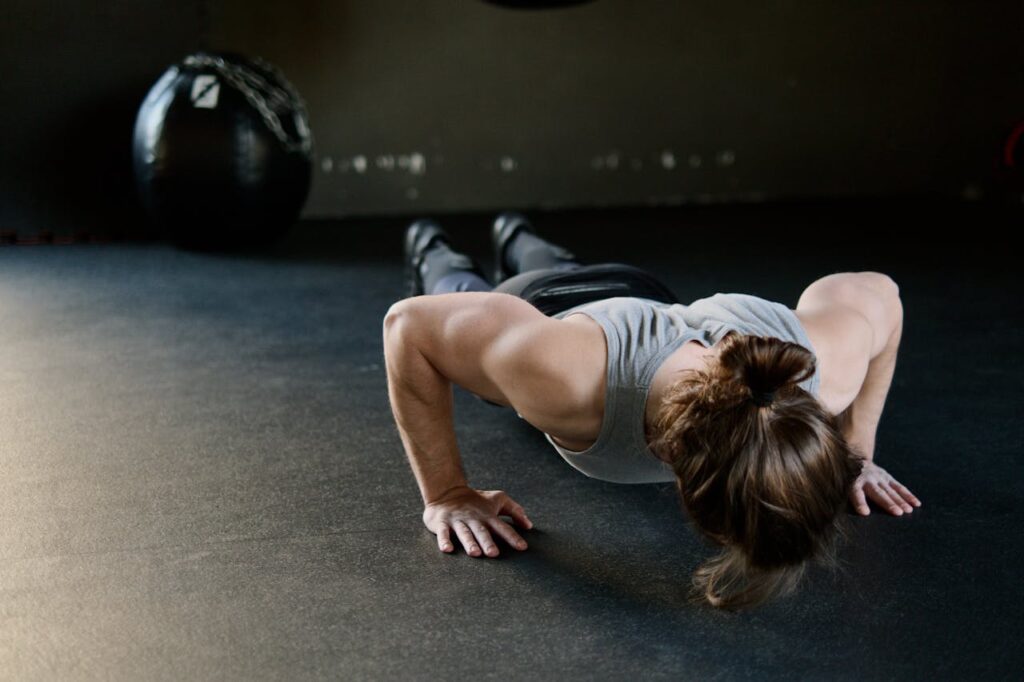
Bodyweight exercises often get a bad rap, but when you’re short on time, they’re a game changer. Whether it’s banging out some pull-ups or knocking out push-ups, these moves require no setup and almost no warm-up. “It’s you against gravity—and gravity’s a hell of a trainer!”
For upper body, bodyweight exercises are efficient and effective, but they’re a bit trickier for legs. Squats, lunges, and step-ups might not give the same level of stimulus unless you’re untrained or using them as finishers. But combined with machines or free weights, bodyweight exercises can keep things moving fast.
Super Sets: The King of Time Efficiency (S Tier)
- The science behind super sets and time savings.
- Agonist-antagonist supersets for maximum efficiency.
- Personal experience from the trainers: nausea, fatigue, but great results.
Want to save serious time while maximising gains? Enter super sets. The beauty of super sets, especially when alternating between opposing muscle groups (like biceps and triceps), is that they keep you moving without wasting time between exercises. “36% less time spent in the gym and the same muscle growth? That’s a deal I’ll take any day!”
Recent research shows that super sets not only reduce your workout time significantly but also lead to the same hypertrophy as traditional straight sets. Plus, they keep your heart rate up, so you’re sneaking in some cardio without even trying.
The Best 3 Supersets Guys Over 35 Must Use for a Jacked V-Shaped Torso
Drop Sets and Myo-Reps: High-Efficiency Workout Tricks (A Tier)
- Why drop sets and myo-reps are so effective for time-saving.
- How to incorporate them into machine-based and free-weight routines.
- Best exercises for these methods.
When it comes to squeezing the most out of your workout, drop sets and myo-reps are solid strategies. If you’re pressed for time, especially on a stack-loaded machine, you can knock out a set, reduce the weight, and go straight into your next set with minimal rest. As Dr Mike puts it, “If I’m loading plates, I might as well just do it on a barbell!”

These techniques might not be for the faint-hearted (they’re taxing), but they get the job done fast. And when you’re trying to save time in the gym, the pain is worth it!
Low Volume Training: Less Can Be More (C Tier)
- Explanation of low volume training and its place in time-efficient workouts.
- Why it might not be the best strategy for everyone.
- How to use low volume when necessary.
Now, low volume training might seem like the ultimate time-saver: do less work, right? But the truth is, while it’s a good strategy in a pinch, you may be leaving gains on the table. If your goal is muscle growth, you’re better off focusing on methods like super sets and drop sets before you start cutting down on volume. That said, if you’re already doing a lot of volume, scaling back might actually lead to better recovery and gains over time.
Shorten Your Rest Periods: Rest Smart, Not Long (B Tier)
- Evidence supporting shorter rest periods.
- How to balance short rest with muscle growth.
- Specific examples of exercises that benefit from low rest periods.
Here’s a controversial one: rest periods. We’ve all heard that longer rest leads to better hypertrophy. But what if I told you that shortening your rest, even just a bit, can save time without sacrificing your results? According to recent studies, resting less than a minute between sets isn’t optimal for growth, but it’s not a disaster either.
The trick is to strategically shorten rest periods where possible—upper body exercises or isolation moves—while giving yourself more recovery for compound lifts like squats or deadlifts.
Ditch the Long Warm-Ups (A Tier for Time Efficiency)
- How to warm up quickly and effectively.
- When to skip the warm-up and dive straight into your workout.
- The science behind “working up” to your sets.

Let’s be honest—how many of us spend far too long warming up? Sure, it’s important, but unless you’re lifting heavy or performing technical movements, a lengthy warm-up might be overkill. If you’re short on time, a couple of light sets on the machine will do the trick. Skip the foam rolling and band work, unless you’re nursing an injury or have specific mobility issues.
Mike Israetel still says that doing lengthened partials at the end of your last set – it doesn’t save a lot of time, but it does ensure you are getting all the reps you need to promote muscle growth – go to 2 reps close to failure.
Conclusion: Time Efficiency Doesn’t Mean Cutting Corners
At the end of the day, saving time in the gym doesn’t mean sacrificing results. It’s about working smarter, not harder. By incorporating strategies like super sets, stack-loaded machines, and efficient warm-ups, you can maximise your workout in minimal time.
Of course, not every hack will work for everyone. But the key is to customise your routine, use what fits best for your schedule, and still make those gains. After all, isn’t that the point? No more wasting time—let’s get in, get out, and get those gains!
So next time you hit the gym, skip the fluff, apply some of these strategies, and watch your results (and time saved) soar. Because in the end, it’s not about spending more time working out, it’s about spending your time wisely.
What Happens to Your Body if You Do 100 Push-Ups and 100 Sit-Ups Every Day For 30 Days?