Achieving stronger and more attractive shoulders requires more than just lifting heavy weights. It demands a combination of targeted exercises, proper nutrition, and injury prevention techniques.
This comprehensive guide will explore three essential steps you must take to develop impressive shoulders. We will delve into effective workout routines, dietary strategies, and tips to avoid common injuries. Backed by scientific research, this article aims to provide you with actionable insights to help you reach your shoulder training goals.


1. Targeted Exercises for Shoulder Development

Importance of Compound Movements
Compound exercises engage multiple muscle groups, leading to more balanced and effective shoulder development. Key compound movements include the overhead press, bench press, and rows.
Overhead Press
The overhead press is a cornerstone exercise for building shoulder strength and size. It primarily targets the deltoids while also engaging the triceps and upper chest.
- Execution: Start with the barbell at shoulder height. Press the bar directly overhead, locking out your elbows at the top. Lower the bar back to the starting position with control.
Bench Press
While typically seen as a chest exercise, the bench press also significantly engages the anterior deltoids.
- Execution: Lie on a bench with your feet flat on the floor. Lower the bar to your chest and then press it back up to the starting position.
Rows
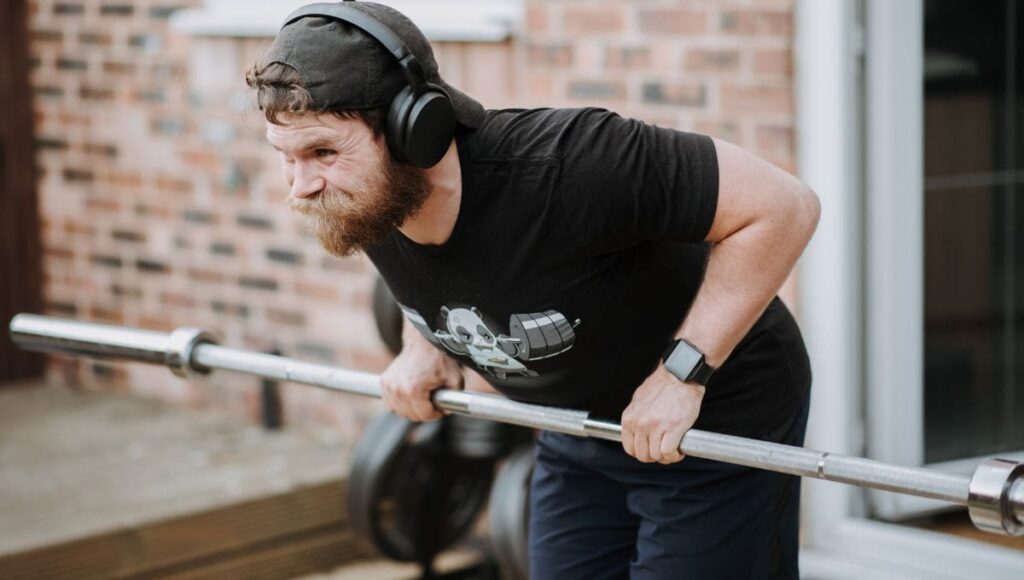
Rows, including barbell rows and seated cable rows, target the posterior deltoids along with the upper back muscles.
- Execution: Bend at the waist and knees, keeping your back straight. Pull the barbell towards your lower chest, squeezing your shoulder blades together at the top of the movement.
Isolation Exercises for Balanced Growth
Isolation exercises allow you to focus on specific parts of the shoulder, ensuring balanced muscle development. These exercises include lateral raises, front raises, and reverse flyes.
Lateral Raises
Lateral raises primarily target the middle deltoids, which contribute to the width of your shoulders.
- Execution: Stand with a dumbbell in each hand, arms at your sides. Raise your arms out to the sides until they are parallel with the floor. Lower them back down with control.
Front Raises
Front raises focus on the anterior deltoids, enhancing the front portion of your shoulders.
- Execution: Hold a dumbbell in each hand with your palms facing your thighs. Raise the dumbbells in front of you to shoulder height, then lower them back down.
Reverse Flyes
Reverse flyes target the posterior deltoids, which are crucial for shoulder balance and posture.
- Execution: Bend at the waist with a slight bend in your knees. Hold a dumbbell in each hand with your palms facing each other. Raise the dumbbells out to the sides, squeezing your shoulder blades together, and then lower them back down.
Progressive Overload
To continually build muscle and strength, you must progressively increase the demands on your muscles. This can be achieved by increasing the weight, reps, or sets of your exercises over time.
- Study: A study by Rhea et al. (2003) found that progressive overload is essential for maximizing muscle hypertrophy and strength gains (Rhea, M. R., Alvar, B. A., Burkett, L. N., & Ball, S. D., 2003).
2. Proper Nutrition for Muscle Growth

Protein Intake
Protein is the building block of muscle tissue. Adequate protein intake is crucial for muscle repair and growth. The recommended daily intake for those engaged in resistance training is approximately 1.6 to 2.2 grams of protein per kilogram of body weight (Morton, R. W., Murphy, K. T., McKellar, S. R., Schoenfeld, B. J., Henselmans, M., Helms, E., … & Phillips, S. M., 2018).
- Sources: Lean meats, fish, dairy, legumes, and protein supplements are excellent sources of protein.
Carbohydrates and Fats
Carbohydrates provide the energy needed for intense workouts, while fats are essential for hormone production, including testosterone, which plays a role in muscle growth.
- Carbohydrates: Aim for complex carbs such as whole grains, vegetables, and fruits.
- Fats: Include healthy fats from sources like avocados, nuts, seeds, and olive oil.
Micronutrients
Vitamins and minerals are essential for overall health and optimal muscle function. Key micronutrients for muscle growth include:
- Vitamin D: Essential for bone health and muscle function. It can be obtained from sunlight exposure and foods like fatty fish and fortified dairy products.
- Magnesium: Plays a role in muscle contraction and relaxation. Found in foods like nuts, seeds, and leafy green vegetables.
- Zinc: Important for protein synthesis and immune function. Sources include meat, shellfish, and legumes.
Hydration
Staying hydrated is crucial for maintaining muscle function and overall health. Aim to drink at least 3-4 litres of water per day, depending on your activity level.
3. Injury Prevention and Recovery

Warm-Up and Cool-Down
A proper warm-up increases blood flow to the muscles and prepares your body for exercise, reducing the risk of injury. A cool-down helps gradually lower your heart rate and stretch the muscles, aiding in recovery.
- Warm-Up: Incorporate dynamic stretches and light cardio to prepare your muscles.
- Cool-Down: Use static stretching and foam rolling to relax the muscles and improve flexibility.
Proper Form and Technique
Using correct form and technique is essential to prevent injuries and maximise the effectiveness of your exercises.
- Overhead Press: Avoid arching your back. Keep your core engaged and press the bar straight up.
- Bench Press: Ensure your feet are flat on the floor and your back is slightly arched. Lower the bar to your chest in a controlled manner.
- Rows: Maintain a straight back and avoid using momentum to lift the weight.
Rest and Recovery
Muscles need time to repair and grow after workouts. Aim for at least 48 hours of rest between shoulder workouts and ensure you’re getting adequate sleep each night.
- Study: Research by Dattilo et al. (2011) highlights the importance of sleep in muscle recovery and overall athletic performance (Dattilo, M., Antunes, H. K. M., Medeiros, A., Mônico-Neto, M., Souza, H. S., Tufik, S., & de Mello, M. T., 2011).
Conclusion
Building stronger and more attractive shoulders requires a comprehensive approach that includes targeted exercises, proper nutrition, and effective injury prevention strategies. By incorporating compound and isolation exercises, ensuring adequate protein intake, and following proper form and recovery practices, you can achieve impressive shoulder development. Remember, consistency and patience are key. Stick to your routine, progressively challenge yourself, and prioritise your overall health and well-being.
Bibliography
Dattilo, M., Antunes, H. K. M., Medeiros, A., Mônico-Neto, M., Souza, H. S., Tufik, S., & de Mello, M. T. (2011). Sleep and muscle recovery: Endocrinological and molecular basis for a new and promising hypothesis. Medical Hypotheses, 77(2), 220-222.
Morton, R. W., Murphy, K. T., McKellar, S. R., Schoenfeld, B. J., Henselmans, M., Helms, E., … & Phillips, S. M. (2018). A systematic review, meta-analysis and meta-regression of the effect of protein supplementation on resistance training-induced gains in muscle mass and strength in healthy adults. British Journal of Sports Medicine, 52(6), 376-384.
Rhea, M. R., Alvar, B. A., Burkett, L. N., & Ball, S. D. (2003). A meta-analysis to determine the dose response for strength development. Medicine and Science in Sports and Exercise, 35(3), 456-464.
Key Takeaways
| Key Takeaways |
|---|
| 1. Targeted Exercises: Incorporate compound movements like overhead presses, bench presses, and rows, along with isolation exercises like lateral raises, front raises, and reverse flyes. |
| 2. Proper Nutrition: Ensure adequate protein intake (1.6 to 2.2 g/kg body weight), consume complex carbohydrates and healthy fats, and stay hydrated. |
| 3. Injury Prevention: Perform proper warm-ups and cool-downs, use correct form and technique, and allow for adequate rest and recovery between workouts. |