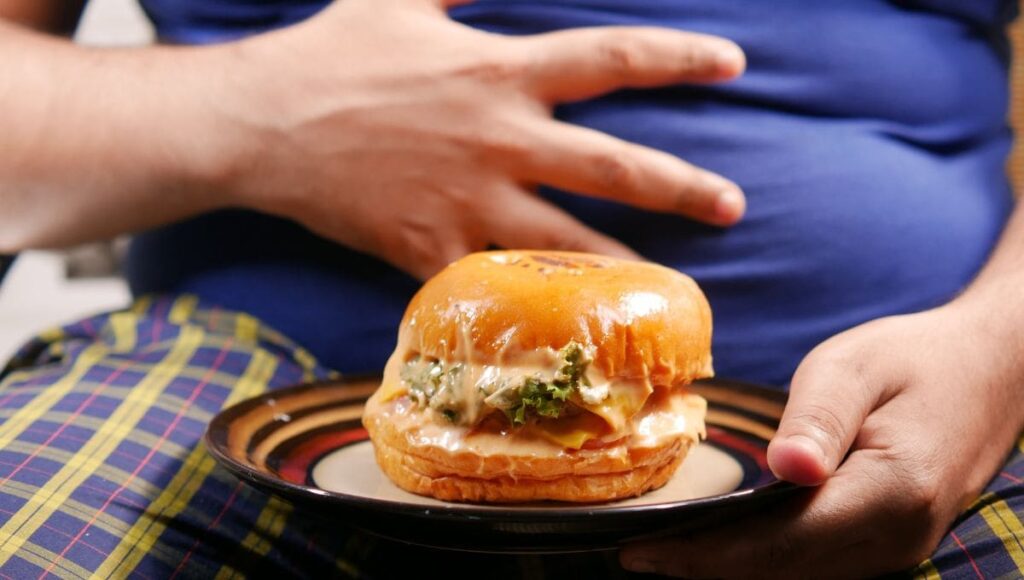
Belly fat can be stubborn, frustrating, and difficult to lose. Many people think cardio is the only solution for burning fat, but there’s good news: it isn’t! In fact, some highly effective strategies for trimming your waistline don’t require running on a treadmill or doing endless hours of cardio. This article will explore three practical, science-backed ways to lose belly fat that have nothing to do with cardio.
Why Belly Fat Matters
Excess belly fat isn’t just a cosmetic concern. It can be a sign of visceral fat, which surrounds internal organs and increases the risk of heart disease, diabetes, and other health conditions. So, targeting belly fat is not only about aesthetics but also about improving your long-term health.


Let’s dive into three proven methods for tackling belly fat without relying on cardio.

1. Focus on a Protein-Rich Diet
A high-protein diet has been consistently shown to help with fat loss, especially belly fat, by increasing satiety, reducing cravings, and boosting metabolism.
How Protein Helps Burn Belly Fat
- Reduces appetite: Protein keeps you full for longer, reducing the urge to snack or overeat. This happens because protein influences hormones like ghrelin and peptide YY, which are responsible for hunger and fullness.
- Boosts metabolism: Digesting protein requires more energy, which means your body burns more calories during digestion. This phenomenon is called the thermic effect of food (TEF). Protein has a TEF of around 20–30%, compared to just 5–10% for carbohydrates and 0–3% for fats.
- Preserves muscle while losing fat: When losing weight, it’s important to preserve muscle mass. Protein helps maintain muscle, which is key to keeping your metabolism high and preventing the loss of lean tissue during fat loss.
How to Increase Protein in Your Diet
- Start your day with a protein-rich breakfast such as eggs, Greek yoghurt, or a protein smoothie.
- Include lean protein sources like chicken, turkey, fish, beans, and tofu in every meal.
- Snack on high-protein foods such as nuts, seeds, cottage cheese, or hard-boiled eggs.
Supporting Studies
A study published in the American Journal of Clinical Nutrition found that high-protein diets significantly reduced abdominal fat compared to lower-protein diets study in Obesity Reviews noted that individuals consuming higher amounts of protein had greater reductions in belly fat while preserving lean muscle mass.
Related: 3 High Protein Evening Snacks for Quicker Weight Loss
2. Strength Training and Resistance Exercises
Strength training is one of the most effective ways to burn fat, including belly fat, without the need for cardio. It not only helps you build muscle but also boosts your metabolism for hours after a workout.

Why Strength Training Works
- Increases muscle mass: More muscle means a higher resting metabolic rate. This means you burn more calories throughout the day, even when you’re not exercising.
- Burns fat during and after workouts: The process of building muscle requires your body to burn calories, both during the workout and in the recovery period afterward. This post-exercise calorie burn is known as excess post-exercise oxygen consumption (EPOC).
- Targets visceral fat: Resistance training can be particularly effective at reducing visceral fat, which is the dangerous fat stored around your internal organs.
Machine vs Free Weights: Which is Best for Muscle Growth?
Types of Strength Training
- Weightlifting: Using free weights like dumbbells or barbells helps build muscle and increase strength.
- Bodyweight exercises: Exercises such as squats, lunges, push-ups, and planks can be done anywhere and don’t require any equipment.
- Resistance bands: These are lightweight, portable, and offer a great way to add resistance to your workout without the need for heavy weights.
Supporting Studies
A study published in The Journal of Applied Physiology found that individuals who engaged in strength training experienced significant reductions in abdominal fat compared to those who did aerobic exercises alone. Additionally, the International Journal of Obesity showed that resistance training reduced visceral fat without the need for calorie restriction.
3. Sleep Quality Manage Stress
You might be surprised to learn that your sleep patterns and stress levels play a big role in how your body stores and loses fat. Addressing these two areas can have a significant impact on belly fat reduction.
The Role of Sleep in Fat Loss

- Hormonal balance: Sleep influences hormones that regulate hunger and fat storage, such as leptin, ghrelin, and cortisol. Inadequate sleep can increase hunger, leading to overeating and fat gain, particularly around the abdomen.
- Improved metabolism: Sleep deprivation negatively impacts your metabolism, making it harder for your body to burn fat efficiently.
- Better recovery from exercise: Sleep is when your body repairs and builds muscle, which is crucial for maintaining a healthy metabolism and losing fat.
Managing Stress for Fat Loss
- Cortisol and belly fat: High levels of stress cause the body to produce more cortisol, a hormone that encourages the storage of fat, particularly in the belly. Chronic stress can also lead to emotional eating, where high-calorie, comfort foods are often consumed.
- Mindfulness and relaxation: Activities like yoga, meditation, deep breathing, and even simple hobbies can lower cortisol levels and reduce the likelihood of fat accumulation around the waist.
How Stress Can Impact Muscle Growth
Tips for Better Sleep and Stress Management
- Stick to a consistent sleep schedule, aiming for 7-9 hours of quality sleep each night.
- Create a relaxing bedtime routine to help you wind down, such as reading, taking a warm bath, or practising meditation.
- Incorporate stress-reducing practices like yoga, journaling, or spending time in nature into your daily routine.

Supporting Studies
A study published in Obesity found that individuals who slept for fewer than six hours per night were significantly more likely to accumulate belly fat over time. Additionally, research in Psychodicine concluded that elevated cortisol levels due to chronic stress were directly linked to increased abdominal fat.
Conclusion
Losing belly fat is entirely possible by focusing on these three key areas: adopting a protein-rich diet, engaging in strength training, and prioritising sleep and stress management. Each of these methods addresses different aspects of fat loss and contributes to overall health, making them ideal for anyone looking to shed belly fat in a sustainable and effective way.
Key Takeaways
| Key Method | Why It Works | Actionable Steps |
|---|---|---|
| Protein-Rich Diet | Reduces appetite, boosts metabolism, preserves muscle | Increase protein intake with lean meats, eggs, beans |
| Strength Training | Increases muscle mass, burns fat, reduces visceral fat | Incorporate weights, resistance bands, bodyweight exercises |
| Sleep & Stress Management | Balances hormones, reduces cortisol, boosts metabolism | Aim for 7-9 hours of sleep, practise relaxation techniques |
By focusing on these approaches, you can reduce belly fat without needing to hit the treadmill for hours. These methods are sustainable, healthy, and scientifically proven to help you achieve your fat loss goals.
Bibliography
- Paddon-Jones, D., Westman, E., Mattes, R. et al. (2008) ‘Protein, weight management, and satiety’, American Journal of Clinical Nutrition, 87(5), pp. 1558S-1561S.
- Leidy, H. J., Clifton, P. M., Astrup, A. et al. (2015) ‘The role of protein in weight loss and maintenance’, Obesity Reviews, 16(1), pp. 75-95.
- Hunter, G. R., Bickel, C. S., Fisher, G. et al. (2014) ‘Resistance exercise training conserves fat-free mass and reduces abdominal obesity in older adults’, Journal of Applied Physiology, 116(10), pp. 1199-1206.
- Willis, L. H., Slentz, C. A., Bateman, L. A. et al. (2012) ‘Effects of aerobic and/or resistance training on body mass and fat mass in overweight or obese adults’, International Journal of Obesity, 36, pp. 331-341.
- Hairston, K. G., Bryer-Ash, M., Norris, J. M. et al. (2010) ‘Sleep duration and five-year abdominal fat accumulation in a minority cohort: the IRAS family study’, Obesity, 18(2), pp. 311-316.
- Bjorntorp, P. (2001) ‘Do stress reactions cause abdominal obesity and comorbidities?’, Psychosomatic Medicine, 63(2), pp. 287-296.