When it comes to building strength, power, and muscle in your lower body, few exercises are as effective as squats. However, not all squats are created equal. The front squat, back squat, and split squat are three popular variations, each with distinct benefits and unique demands on the body. Choosing which one to focus on depends on your goals, fitness level, and even your body’s biomechanics.
In this article, we will break down the key differences between these three squat variations, explore their respective advantages, and help you determine which squat might best suit your needs.


Table of Contents
Anatomy of the Squat: What You Need to Know
Squats are one of the most functional exercises, involving nearly every muscle group in the body but primarily targeting the quadriceps, hamstrings, glutes, hip flexors, and calves. The core and lower back muscles also play crucial stabilising roles. However, depending on the type of squat, different muscles are emphasised more than others, and certain variations place higher demands on balance, mobility, or unilateral strength.
Core Muscles Engaged in Squatting Movements
- Quadriceps (thighs): Primarily responsible for extending the knee.
- Glutes (buttocks): Essential for hip extension and overall lower body power.
- Hamstrings: Work as stabilisers and assist in knee flexion and hip extension.
- Calves: Play a supporting role, helping with ankle stability.
- Core: Responsible for maintaining a stable trunk throughout the movement.
- Lower Back: Acts to maintain spinal alignment under load.
Each squat variation shifts the load differently, altering which muscles get the most activation.
The Back Squat: The King of Squats
What It Is
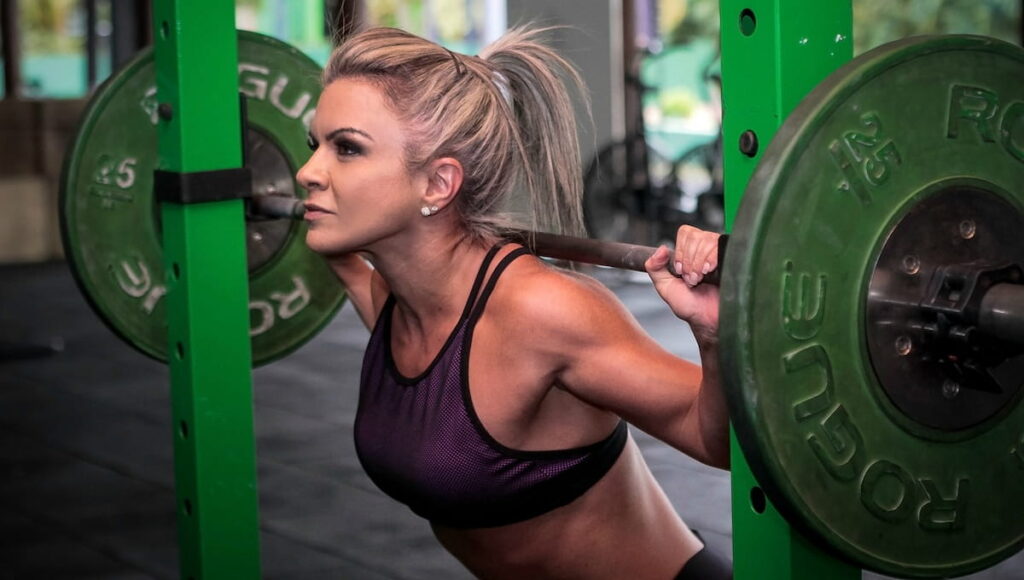
The back squat is arguably the most commonly performed squat variation, especially among strength athletes like powerlifters. In this variation, the barbell rests on the upper trapezius or rear deltoids (depending on whether you’re doing a high-bar or low-bar squat), placing the load on the posterior chain (muscles along the back of your body).
Muscles Worked
- Quadriceps: The primary movers, especially at the bottom of the squat.
- Glutes: Activated during the ascent to help drive the hips upward.
- Hamstrings: Work isometrically to stabilise the knee and assist the glutes in hip extension.
- Lower Back and Core: Heavily engaged to support the spine under the load.
Benefits
- Strength Building: Due to the barbell’s position, the back squat allows for more weight to be lifted compared to other variations, making it excellent for overall strength and muscle mass development.
- Full-Body Engagement: Back squats recruit a larger number of muscles, which translates to greater overall muscle activation.
- Posterior Chain Focus: In addition to the quads, the back squat heavily activates the glutes and hamstrings, helping to build a stronger posterior chain.
What Happens to Your Body When You Back Squat Every Day for 30 Days?
Drawbacks
- Mobility Requirements: A significant range of motion in the hips, ankles, and shoulders is needed to perform the back squat with good form.
- Lower Back Stress: The barbell’s placement can place a high degree of stress on the lower back, especially for those with pre-existing back issues or poor core stability.
- Knee Stress: Due to the heavy load, improper form can place excessive strain on the knees, potentially leading to injury.
Who Should Do It?
- Strength Athletes: Powerlifters and bodybuilders aiming for maximal strength and hypertrophy should prioritise the back squat due to its ability to allow heavier loads.
- Athletes Seeking Full-Body Strength: Individuals looking to develop overall strength and muscle mass, particularly in the posterior chain, will benefit from this lift.
The Front Squat: Core Stability and Quad Focus
What It Is
In the front squat, the barbell is placed on the front of your shoulders, typically across the collarbone or in a rack position with elbows high and forward. This shift in bar placement changes the centre of gravity, forcing a more upright torso and putting greater emphasis on the quadriceps and core muscles.
Muscles Worked
- Quadriceps: Significantly more activated compared to back squats due to the upright torso position.
- Core: Engaged to a greater degree to prevent forward collapse under the load.
- Glutes: Active during the ascent, though to a lesser degree than in the back squat.
- Upper Back: Must stay tight to maintain proper barbell position.
Benefits
- Core Activation: The front squat demands more from the core muscles, especially the rectus abdominis, as they work hard to prevent the torso from collapsing forward.
- Improved Posture: The upright torso position encouraged by the front squat promotes better spinal alignment, which can translate to improved posture outside of the gym.
- Less Strain on Lower Back: Compared to the back squat, the front squat places less direct stress on the lower back, making it a safer option for individuals with back issues.
- Quad Development: For those looking to specifically target their quadriceps, the front squat is often considered superior to the back squat.
Drawbacks
- Lower Load Tolerance: Most people can’t lift as much weight with the front squat as they can with the back squat, which may limit its potential for overall strength development.
- Wrist and Shoulder Discomfort: The front rack position can be uncomfortable, especially for those with limited wrist, shoulder, or thoracic mobility.
- Technical Difficulty: Proper technique is more difficult to master, especially with the front rack position and maintaining a balanced load.
Who Should Do It?
- Athletes Focused on Quad Development: If you’re looking to prioritise quadriceps strength and hypertrophy, the front squat is an excellent choice.
- CrossFit and Olympic Lifters: The front squat is an essential component in Olympic weightlifting and CrossFit training, as it directly transfers to movements like the clean and jerk.
- Individuals with Back Issues: Due to the reduced strain on the lower back, those with back concerns might opt for the front squat over the back squat.
Good Leg Workouts at Home for Stronger Quads, Hamstrings and Glutes
The Split Squat: Unilateral Strength and Balance
What It Is
The split squat is a unilateral exercise where one foot remains planted in front, while the other is positioned behind, either on the ground or elevated on a bench (Bulgarian split squat). Unlike the back and front squats, this exercise does not require a barbell; instead, dumbbells, kettlebells, or body weight are often used.
Muscles Worked
- Quadriceps: The primary mover, especially in the front leg.
- Glutes and Hamstrings: Activated to stabilise the hips and assist in movement.
- Calves: Play a significant role in maintaining balance, particularly in the back leg.
- Core: Engaged to help stabilise the torso throughout the movement.
Benefits
- Unilateral Strength: Split squats help address muscle imbalances, as each leg works independently. This can lead to more balanced strength and muscle development.
- Improved Stability: The split stance challenges your balance, which can translate to better functional movement and injury prevention.
- Knee Health: By improving balance and unilateral strength, split squats can help reduce knee pain and improve joint stability.
- Hip Mobility: The stretch in the hip flexors of the rear leg during the split squat can help improve flexibility and mobility in the hips.
Drawbacks
- Balance Requirements: Split squats require greater balance and coordination compared to other squat variations, which may make them difficult for beginners.
- Lower Load Potential: Due to the unilateral nature of the movement, the total load you can handle will be lower than in bilateral squats like the back and front squat.
- Time-Consuming: Since each leg needs to be trained individually, split squats can be more time-consuming compared to other squat variations.
Who Should Do It?
- Athletes Needing Unilateral Strength: Sports that require a lot of single-leg strength, such as running or jumping, benefit greatly from the split squat.
- Individuals Addressing Muscle Imbalances: Anyone dealing with muscle imbalances or weaknesses between their legs should incorporate split squats into their routine.
- People with Limited Equipment: Split squats are a great option for home workouts or those without access to heavy barbells, as they can be done effectively with body weight or lighter equipment.
Which Squat Should You Choose?
Determining which squat is best for you depends on several factors, including your specific goals, training experience, and even personal anatomy. Below, we summarise the key considerations to help you decide.
Choose the Back Squat If:
- Your primary goal is to build overall lower body strength and power.
- You want to lift the heaviest possible weights and develop your posterior chain.
- You have the mobility to perform it safely without back or knee pain.
- You are training for strength sports like powerlifting.
Choose the Front Squat If:
- You want to prioritise quadriceps development over posterior chain strength.
- Core stability and upright posture are essential for your training goals.
- You are an Olympic lifter or involved in CrossFit, where the front squat transfers to competition movements.
- You experience lower back discomfort from the back squat.
Choose the Split Squat If:
- You need to improve unilateral strength, balance, and coordination.
- You’re addressing muscle imbalances or recovering from a lower-body injury.
- Your sport involves unilateral movements, such as running or jumping.
- You have limited access to heavy equipment but still want an effective lower body workout.
Leg Press vs Squats For Lower Body Gains – Which is Best?
Integrating All Three Types of Squats
For many athletes and fitness enthusiasts, the best approach might not be choosing one variation but integrating all three into a balanced training programme. Here’s how you might do it:
- Back Squats: Focus on building maximal strength. Perform heavy sets of 3-6 reps once or twice a week.
- Front Squats: Include these on days where you’re working on power or quad development, using moderate weights for 6-10 reps.
- Split Squats: Use these as accessory movements to improve unilateral strength and balance, typically performing higher reps (8-12 per leg).
By including all three squat variations, you can enjoy the benefits of each while mitigating their respective drawbacks. This ensures well-rounded development, injury prevention, and progression in your training.

Conclusion
Squats are an essential movement pattern in strength training, and choosing the right variation—whether it’s the back squat, front squat, or split squat—can make a significant difference in achieving your fitness goals.
- Back squats are ideal for full-body strength and posterior chain development.
- Front squats focus more on the quadriceps and core, making them excellent for improving posture and building leg strength with less stress on the lower back.
- Split squats enhance unilateral strength and balance, addressing muscle imbalances while improving hip mobility and stability.
Incorporating a mix of these movements can help you build a stronger, more resilient lower body, reduce the risk of injury, and ultimately enhance your athletic performance.
Key Takeaways
| Squat Variation | Primary Benefits | Main Muscles Targeted | Best For |
|---|---|---|---|
| Back Squat | Builds overall strength, allows for heavy loads | Quadriceps, glutes, hamstrings, core | Powerlifting, full-body strength |
| Front Squat | Prioritises quads and core, improves posture | Quadriceps, core, upper back | CrossFit, Olympic lifting, quad development |
| Split Squat | Enhances unilateral strength, balance, and hip mobility | Quadriceps, glutes, hamstrings | Unilateral strength, injury prevention, balance training |