Losing belly fat can be challenging, but by incorporating specific food strategies into your diet, you can accelerate the process. Research-backed food hacks can help reduce visceral fat, enhance metabolism, and improve your overall health.
Below are five effective food hacks to shed belly fat faster, all supported by science.


1. Increase Protein Intake to Boost Metabolism and Reduce Appetite
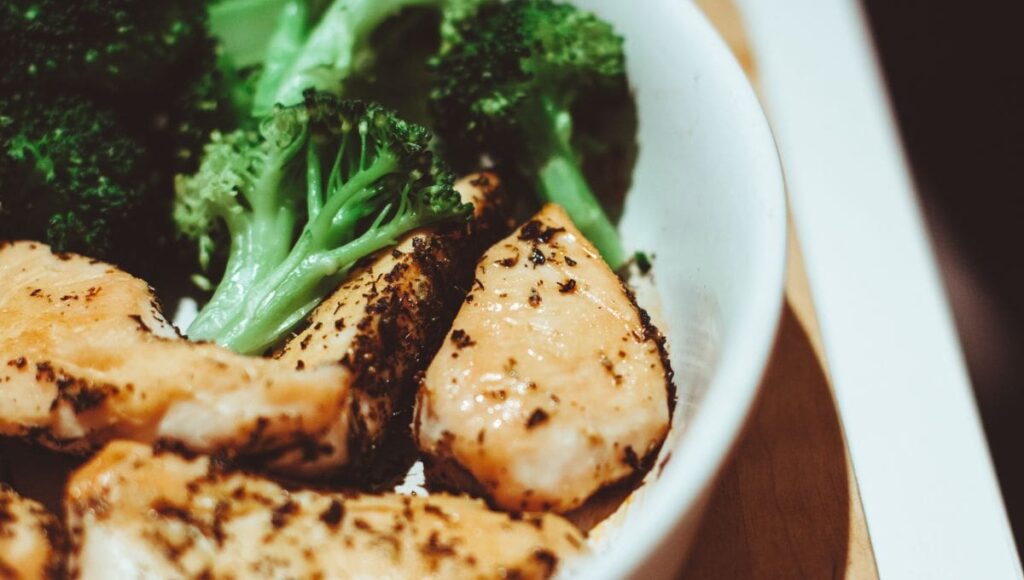
Increasing your protein intake is one of the most effective ways to lose belly fat. Protein has a thermogenic effect, meaning your body burns more calories digesting it compared to fats and carbohydrates. This increased metabolic rate helps burn fat more efficiently. Furthermore, protein promotes feelings of fullness and reduces hunger, aiding in calorie control.
Why Protein Helps Burn Belly Fat
Studies show that high-protein diets help reduce visceral fat, the dangerous fat that accumulates around organs and is linked to chronic diseases like type 2 diabetes and cardiovascular issues. One study found that individuals who consumed 25-30% of their calories from protein had a significantly reduced risk of gaining abdominal fat compared to those with lower protein intake (Schutz, 2019).
Additionally, protein helps maintain muscle mass during weight loss. Since muscle tissue burns more calories at rest than fat tissue, maintaining or building muscle mass through adequate protein intake can further increase your resting metabolic rate (Leidy et al., 2015).
Sources of Protein
Opt for lean protein sources such as:
- Chicken breast
- Turkey
- Lean beef
- Eggs
- Greek yoghurt
- Tofu and legumes (for plant-based options)
Pro tip: Incorporate protein into every meal to maintain satiety and maximise fat loss throughout the day.
2. Eat Fibre-Rich Foods to Control Hunger and Reduce Fat Storage
Dietary fibre, especially soluble fibre, plays a crucial role in belly fat loss. Soluble fibre absorbs water and forms a gel-like substance in your gut, which slows the digestion process and keeps you fuller for longer. This helps regulate your appetite and can prevent overeating, making it easier to maintain a calorie deficit, essential for fat loss.

The Science Behind Fibre and Belly Fat
Studies have consistently shown that higher fibre intake is associated with a lower risk of accumulating belly fat. A 2012 study published in Obesity found that individuals who increased their soluble fibre intake by 10 grams per day experienced a 3.7% reduction in visceral fat over five years (Hairston et al., 2012).
Soluble fibre also feeds the beneficial bacteria in your gut, promoting a healthy gut microbiome, which has been linked to lower fat storage and improved metabolic health (Koh et al., 2016).
Best Sources of Soluble Fibre
Incorporate more of these fibre-rich foods into your diet:
- Oats
- Apples
- Flaxseeds
- Barley
- Legumes (beans, lentils, and peas)
- Vegetables like broccoli and Brussels sprouts
Pro tip: Aim for at least 25-30 grams of fibre per day to maximise the fat-burning benefits.
3. Drink Green Tea for Enhanced Fat Burning
Green tea is a well-known fat-burning beverage, and research supports its efficacy in reducing belly fat. Green tea contains caffeine and a powerful antioxidant called epigallocatechin gallate (EGCG), which work together to enhance fat oxidation and thermogenesis, helping the body burn more calories even at rest.

The Impact of Green Tea on Fat Loss
A 2008 study in The American Journal of Clinical Nutrition found that green tea extract, which is rich in catechins like EGCG, significantly increased fat burning, particularly in the abdominal area. Participants who drank green tea daily experienced a reduction in body fat, especially visceral fat (Hursel et al., 2008).
Green tea also improves insulin sensitivity, which can further aid in reducing belly fat by preventing excess fat storage, especially around the midsection. By enhancing your body’s fat-burning mechanisms, green tea provides a simple and effective strategy to target stubborn belly fat.
How to Maximise Green Tea’s Benefits
To get the best results, aim to drink 2-3 cups of green tea daily. You can also opt for green tea extract supplements if you find it challenging to drink multiple cups a day.
Pro tip: Drink your green tea between meals to avoid hindering nutrient absorption, particularly of iron from plant-based foods.
4. Cut Down on Added Sugars and Refined Carbohydrates to Prevent Fat Accumulation
One of the most effective hacks for shedding belly fat is cutting down on added sugars and refined carbohydrates. These foods can cause rapid spikes in blood sugar and insulin levels, which leads to increased fat storage, particularly in the abdominal region. By limiting these foods, you can prevent belly fat accumulation and encourage your body to burn stored fat.
The Science of Sugar and Belly Fat
Consuming high amounts of fructose, a key component in many added sugars, is linked to increased visceral fat. A study published in The Journal of Nutrition showed that individuals who consumed sugary beverages regularly were more likely to develop abdominal fat over time compared to those who limited their intake (Stanhope et al., 2009).

Refined carbohydrates, such as white bread, pasta, and pastries, have a similar effect. They are quickly broken down into sugar in the bloodstream, leading to insulin spikes and fat storage. A 2015 study in The American Journal of Clinical Nutrition found that replacing refined carbs with whole grains helped reduce belly fat (McKeown et al., 2015).
What to Eat Instead
Replace refined carbohydrates and sugary foods with whole grains, fruits, and vegetables that provide a slow release of energy and keep insulin levels stable:
- Brown rice
- Quinoa
- Whole wheat bread
- Vegetables like sweet potatoes and leafy greens
- Low-sugar fruits like berries
Pro tip: Avoid sugary drinks and stick to water, black coffee, or unsweetened herbal teas to reduce added sugar intake.
5. Incorporate Healthy Fats to Enhance Fat Loss
Contrary to the belief that fat should be avoided when trying to lose fat, incorporating healthy fats into your diet can actually aid in belly fat reduction. Healthy fats, such as monounsaturated and polyunsaturated fats, support fat loss by promoting satiety, reducing inflammation, and improving heart health.
The Role of Healthy Fats in Fat Loss
Healthy fats help you stay full for longer, reducing the likelihood of overeating. They also play a role in controlling inflammation, which is associated with fat accumulation, particularly in the abdominal area. A study in the journal Diabetes Care found that diets rich in monounsaturated fats helped prevent central fat distribution (Paniagua et al., 2007).

Furthermore, omega-3 fatty acids, a type of polyunsaturated fat found in foods like fatty fish and flaxseeds, have been shown to improve metabolic markers and reduce visceral fat. A 2010 study in The American Journal of Clinical Nutrition concluded that individuals who consumed omega-3-rich foods had lower levels of abdominal fat compared to those who didn’t (Buckley et al., 2010).
Best Sources of Healthy Fats
To optimise fat loss, include the following healthy fats in your diet:
- Avocados
- Nuts and seeds
- Olive oil
- Fatty fish (salmon, mackerel, sardines)
- Flaxseeds and chia seeds
Pro tip: Use healthy fats in moderation as part of a balanced diet. A small handful of nuts or a tablespoon of olive oil goes a long way.
Conclusion
Shedding belly fat faster is achievable when you incorporate the right food strategies into your daily routine. By increasing protein intake, consuming fibre-rich foods, drinking green tea, cutting down on added sugars and refined carbs, and incorporating healthy fats, you can create a nutrition plan that optimises fat loss, particularly in the abdominal area. These science-backed food hacks will help you not only lose belly fat but also improve your overall health and wellbeing.
Key Takeaways Table
| Food Hack | Benefit |
|---|---|
| Increase Protein Intake | Boosts metabolism and reduces appetite, aiding in belly fat loss |
| Eat Fibre-Rich Foods | Controls hunger and reduces fat storage |
| Drink Green Tea | Enhances fat burning, particularly in the abdominal area |
| Cut Down on Added Sugars and Refined Carbohydrates | Prevents fat accumulation and stabilises insulin levels |
| Incorporate Healthy Fats | Promotes satiety and reduces inflammation, aiding in fat loss |
Bibliography
Buckley, J.D., Howe, P.R.C. (2010) ‘Long-chain omega-3 polyunsaturated fatty acids may be beneficial for reducing obesity—a review’, The American Journal of Clinical Nutrition, 91(6), pp. 1496S-1503S.
Hairston, K.G., Vitolins, M.Z., Norris, J.M., Anderson, A.M., Hanley, A.J., Wagenknecht, L.E. (2012) ‘Lifestyle factors and 5-year abdominal fat accumulation in a minority cohort: the IRAS family study’, Obesity, 20(2), pp. 421-427.
Hursel, R., Viechtbauer, W., Westerterp-Plantenga, M.S. (2008) ‘The effects of green tea on weight loss and weight maintenance: a meta-analysis’, International Journal of Obesity, 33, pp. 956–961.
Koh, A., De Vadder, F., Kovatcheva-Datchary, P., Bäckhed, F. (2016) ‘From dietary fibre to host physiology: short-chain fatty acids as key bacterial metabolites’, Cell, 165(6), pp. 1332-1345.
Leidy, H.J., Clifton, P.M., Astrup, A., Wycherley, T.P., Westerterp-Plantenga, M.S., Luscombe-Marsh, N.D., Woods, S.C., Mattes, R.D. (2015) ‘The role of protein in weight loss and maintenance’, The American Journal of Clinical Nutrition, 101(6), pp. 1320S-1329S.
McKeown, N.M., Yoshida, M., Shea, M.K., Jacques, P.F., Lichtenstein, A.H., Rogers, G., Booth, S.L., Saltzman, E. (2015) ‘Whole-grain intake and cereal fibre are associated with lower abdominal adiposity in older adults’, The American Journal of Clinical Nutrition, 92(5), pp. 1165-1171.
Paniagua, J.A., de la Sacristana, A.G., Sanchez, E., Romero, I., Vidal-Puig, A., Berral, F.J., Escribano, A., Perex-Martinez, P., Lopez-Miranda, J., Perez-Jimenez, F. (2007) ‘A MUFA-rich diet improves postprandial glucose, lipid and GLP-1 responses in insulin-resistant subjects’, Diabetes Care, 30(7), pp. 1717-1723.
Schutz, Y. (2019) ‘Protein intake and energy balance regulation’, Physiology & Behavior, 176, pp. 139-144.
Stanhope, K.L., Schwarz, J.M., Havel, P.J. (2009) ‘Adverse metabolic effects of dietary fructose: results from the recent epidemiological, clinical and mechanistic studies’, Journal of Nutrition, 139(6), pp. 1269S-1275S.