Protein is the cornerstone of muscle development, and ensuring adequate intake is especially important for vegetarians aiming to build muscle.
While plant-based foods can be rich in protein, not all provide the complete profile of essential amino acids.


Therefore, knowing the right high-protein vegetarian foods is critical to optimising muscle growth. In this article, we will explore seven high-protein vegetarian foods scientifically proven to aid muscle growth.
1. Quinoa
Quinoa stands out among grains due to its complete amino acid profile, which makes it a powerhouse for muscle development. Unlike most plant-based foods, quinoa contains all nine essential amino acids, meaning it provides the full spectrum of building blocks required for muscle repair and growth. This feature is particularly beneficial for vegetarians, who may struggle to consume complete proteins from typical vegetarian sources.
A study published in the Journal of Food Science and Technology demonstrated quinoa’s superior protein quality compared to other grains . With approximately 8 grams of protein per cup of cooked quinoa, it is an excellent addition to post-workout meals or as a base for protein-packed salads. Furthermore, its versatility allows it to be integrated into various dishes, making it an easy protein boost to any meal.
2. Lentils
Lentils are a nutrition powerhouse, providing around 18 grams of protein per cooked cup. Along with being an excellent source of protein, lentils are rich in fibre, iron, and B vitamins—all crucial nutrients that support overall health and muscle recovery. Fibre aids digestion and nutrient absorption, while iron plays a vital role in delivering oxygen to muscles during workouts.
Studies have shown that the high lysine content in lentils makes them particularly effective for muscle repair. Lysine is an essential amino acid that is often lacking in other vegetarian protein sources. Consuming lentils after training can promote faster recovery and more efficient muscle protein synthesis, contributing to improved muscle mass over time.
3. Greek Yoghurt
Greek yoghurt offers a double whammy for muscle growth—it’s not only rich in protein but also contains casein and whey, two types of proteins with different digestion rates. Whey protein digests quickly, making it ideal for post-workout recovery, while casein digests more slowly, providing a steady release of amino acids over time, which is beneficial for muscle repair while you rest or sleep.
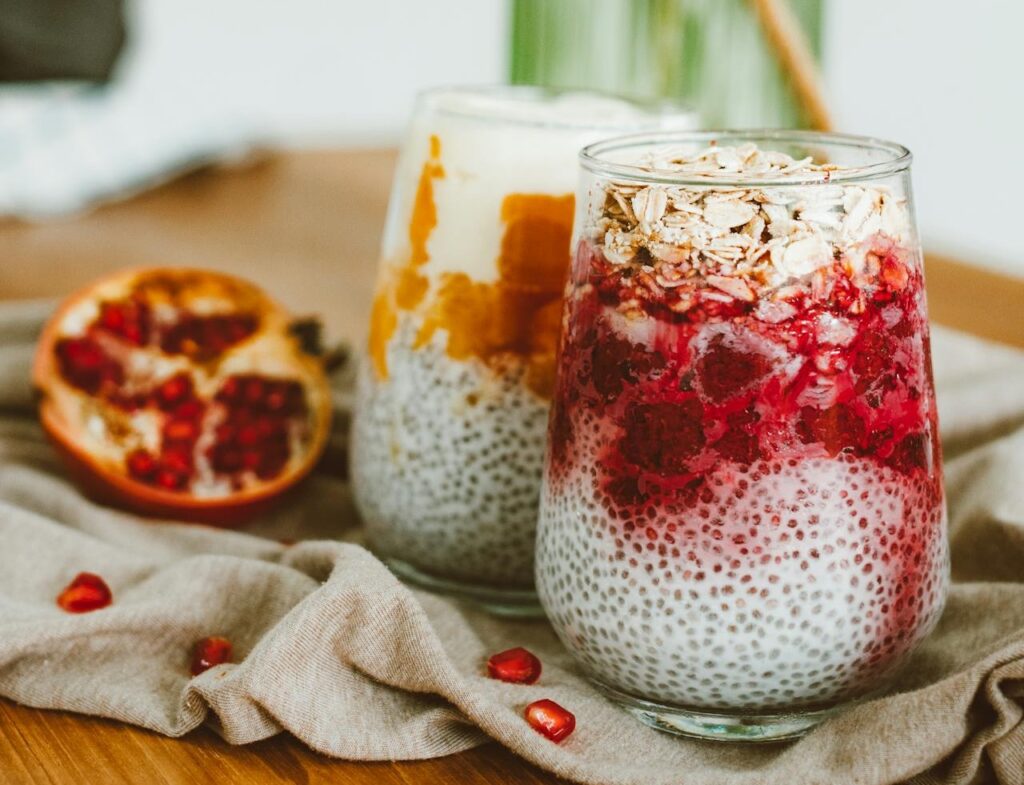
One cup of Greek yoghurt contains around 20 grams of protein, making it one of the highest-protein vegetarian options available. A study published in the American Journal of Clinical Nutrition highlighted the benefits of casein-rich dairy proteins in promoting muscle protein synthesis and improving recovery after resistance training . Greek yoghurt can be eaten alone or used as a base for smoothies, dips, or protein-rich breakfasts.
4. Tofu
Tofu, made from soybeans, is a staple in vegetarian diets due to its versatility and high protein content. A 100-gram serving of tofu contains approximately 10 grams of protein, making it an excellent addition to meals for those looking to enhance muscle mass. The protein in tofu is also considered complete, meaning it contains all the essential amino acids required by the body.
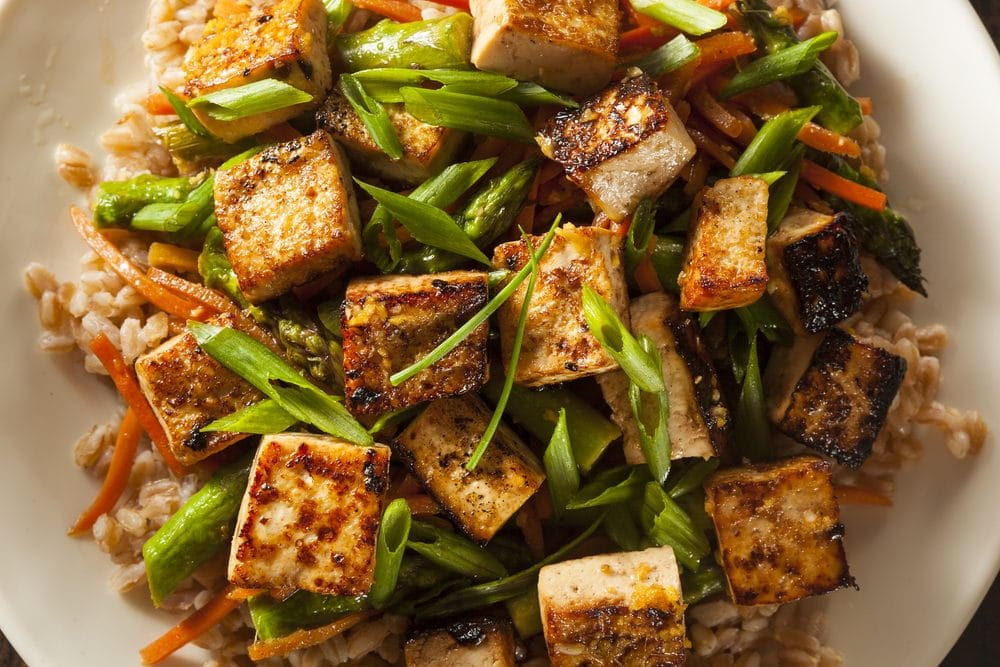
Research has shown that soy proteins can be as effective as animal-based proteins in promoting muscle growth . The Journal of the International Society of Sports Nutrition reported that soy protein supplementation had comparable effects to whey protein on muscle growth and strength gains in resistance-trained individuals. Tofu’s adaptability allows it to be included in stir-fries, salads, or grilled as a high-protein meal component.
5. Chickpeas
Chickpeas are another protein-packed legume that provides around 15 grams of protein per cooked cup. Along with their protein content, chickpeas are an excellent source of carbohydrates, which can help fuel your workouts and aid muscle recovery post-exercise.
Studies have shown that combining chickpeas with a grain like rice creates a complete protein source, which provides all the essential amino acids . This is particularly useful for vegetarians aiming to balance their protein intake for optimal muscle repair and growth. Furthermore, chickpeas are rich in magnesium, a mineral that supports muscle function by improving muscle contraction and relaxation, which is critical during training.
6. Hemp Seeds
Hemp seeds may be small, but they are mighty when it comes to protein content. Just three tablespoons of hemp seeds contain about 10 grams of protein, making them an excellent addition to a vegetarian’s diet. They also contain a favourable balance of omega-3 and omega-6 fatty acids, which have been shown to reduce inflammation and aid in muscle recovery.
Hemp seeds are a complete protein source, offering all nine essential amino acids, which sets them apart from other plant-based options. Research published in Frontiers in Nutrition suggests that the amino acid profile of hemp seeds is comparable to that of soy, making them an excellent protein source for building muscle. You can sprinkle hemp seeds over salads, mix them into smoothies, or include them in protein bars.
7. Seitan
Seitan, also known as wheat gluten, is a high-protein food often used as a meat substitute. It contains a whopping 25 grams of protein per 100 grams, making it one of the most protein-dense vegetarian foods available. While it is not a complete protein, combining seitan with other protein sources like beans or grains can create a complete amino acid profile.
A study published in The Journal of Nutrition found that plant proteins like seitan can be just as effective as animal proteins when combined with the right foods . Including seitan in your diet alongside other complementary plant proteins can help promote muscle growth and recovery effectively. Seitan is often used in stir-fries, sandwiches, and as a meat substitute in various vegetarian dishes.
Conclusion
Building muscle on a vegetarian diet is not only possible but can be equally as effective as doing so on an omnivorous diet when the right foods are consumed. Quinoa, lentils, Greek yoghurt, tofu, chickpeas, hemp seeds, and seitan all offer high protein content, with several being complete protein sources, thus providing the essential amino acids required for muscle growth and recovery. By incorporating these foods into your diet and ensuring a variety of protein sources, you can achieve your muscle-building goals while following a vegetarian lifestyle.
Bibliography
- Journal of Food Science and Technology. (2015). Protein Quality and Digestibility of Quinoa. Journal of Food Science and Technology, 52(6), 3556-3564.
- Phillips, S.M. (2016). Dietary protein for athletes: From requirements to metabolic advantage. Applied Physiology, Nutrition, and Metabolism, 41(5), 565-572.
- Tipton, K.D., & Phillips, S.M. (2013). Nutritional targets to promote muscle hypertrophy and gain strength. Journal of Applied Physiology, 115(6), 1345-1347.
- Hartman, J.W., Tang, J.E., Wilkinson, S.B., Tarnopolsky, M.A., & Phillips, S.M. (2007). Consumption of fat-free fluid milk promotes greater lean mass accretion than soy or carbohydrate consumption post-exercise. American Journal of Clinical Nutrition, 86(2), 373-381.
- Messina, V. (2014). Nutritional and health benefits of dried beans. American Journal of Clinical Nutrition, 100(1), 437S-442S.
- Gutiérrez, M. J., Olmedo, M. F., & Gil, A. (2014). Polyunsaturated fatty acids from hemp seed as a modulator of chronic inflammation. Frontiers in Nutrition, 1, 1-11.
- Callaway, J.C. (2004). Hempseed as a nutritional resource: An overview. Euphytica, 140(1), 65-72.
- FAO/WHO/UNU Expert Consultation. (2015). Dietary protein quality evaluation in human nutrition. Food and Agriculture Organization of the United Nations.
Key Takeaways
| Key Points |
|---|
| Quinoa provides a complete protein with all essential amino acids. |
| Lentils are high in protein and lysine, promoting muscle repair. |
| Greek yoghurt contains both casein and whey proteins for optimal muscle recovery. |
| Tofu is a complete protein and highly effective for muscle growth. |
| Chickpeas are a great plant protein source when combined with grains. |
| Hemp seeds are rich in protein and healthy fats for muscle recovery. |
| Seitan offers the highest protein content among plant-based foods and is great when paired with other protein sources. |